







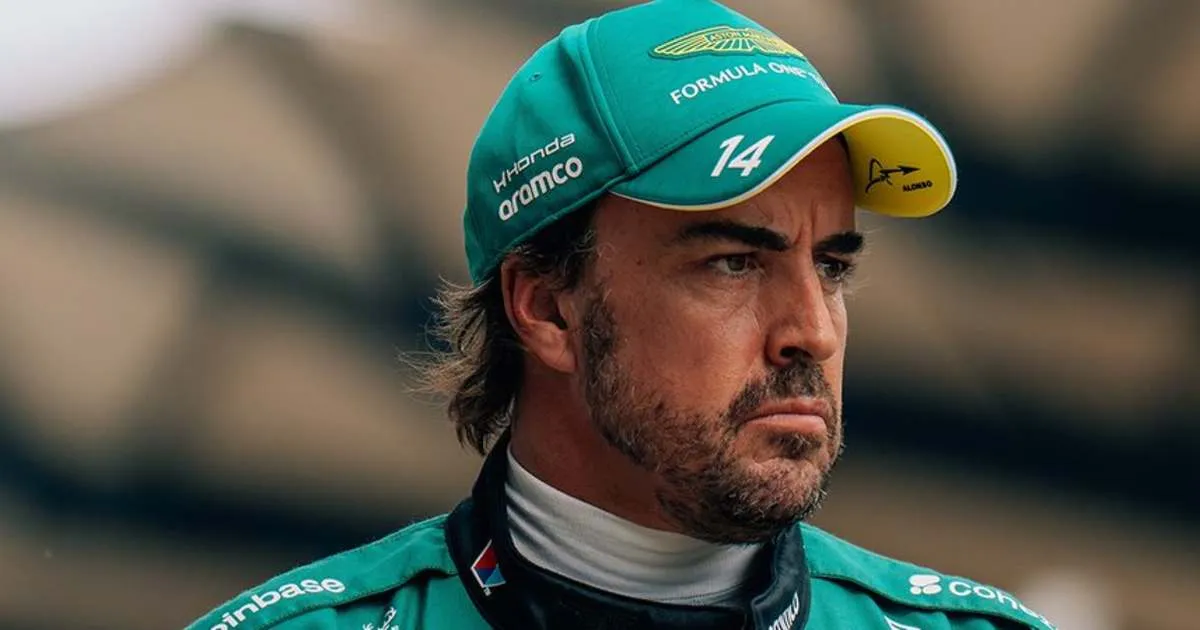

Exactly two decades ago, Fernando Alonso secured his second Formula 1 world championship title. Reflecting on his remarkable longevity in the sport, the Spanish driver admitted that he never imagined he would still be competing as a Grand Prix driver so many years later. As the only driver on the current grid who has raced through multiple engine eras—spanning V10 power units, V8s, early energy recovery systems, and modern V6 turbo hybrids—he holds a unique perspective on the evolution of motorsport.
Discussing the shifting landscape of the sport, the star driver from the Aston Martin squad recalled how radically different racing cars were twenty years ago. Those machines were exceptionally lightweight and loud, providing immense driving pleasure, though he acknowledges that such technology no longer aligns with modern global demands for efficiency and sustainability.
Addressing the technical shifts over the years, the two-time world champion highlighted the frequent engine changes required during race weekends in his early days. Teams utilized separate engines for Friday practice sessions, limited allocations for Saturday qualifying, and distinct power units for Sunday grands prix. While he recognizes that hybrid systems represent the necessary path forward for the automotive world, he stresses the ongoing challenge of finding the right balance between internal combustion and electric support.
Despite his vast experience, the veteran driver did not hold back his criticism regarding the upcoming 2026 power unit regulations. He candidly expressed that driving at historic circuits like Silverstone and Spa no longer offers the same level of enjoyment, noting that the pure racing adrenaline he once felt behind the steering wheel has significantly diminished under modern technical constraints.
Furthermore, he openly criticized the technical direction by labeling the championship format as a battery-focused competition. The inherent nature of the upcoming power units forces drivers to recharge batteries in high-speed corners or at the end of straights—precisely the areas where natural racing instincts and driver skill should dictate performance, creating a conflict with traditional racing principles.
Read Also
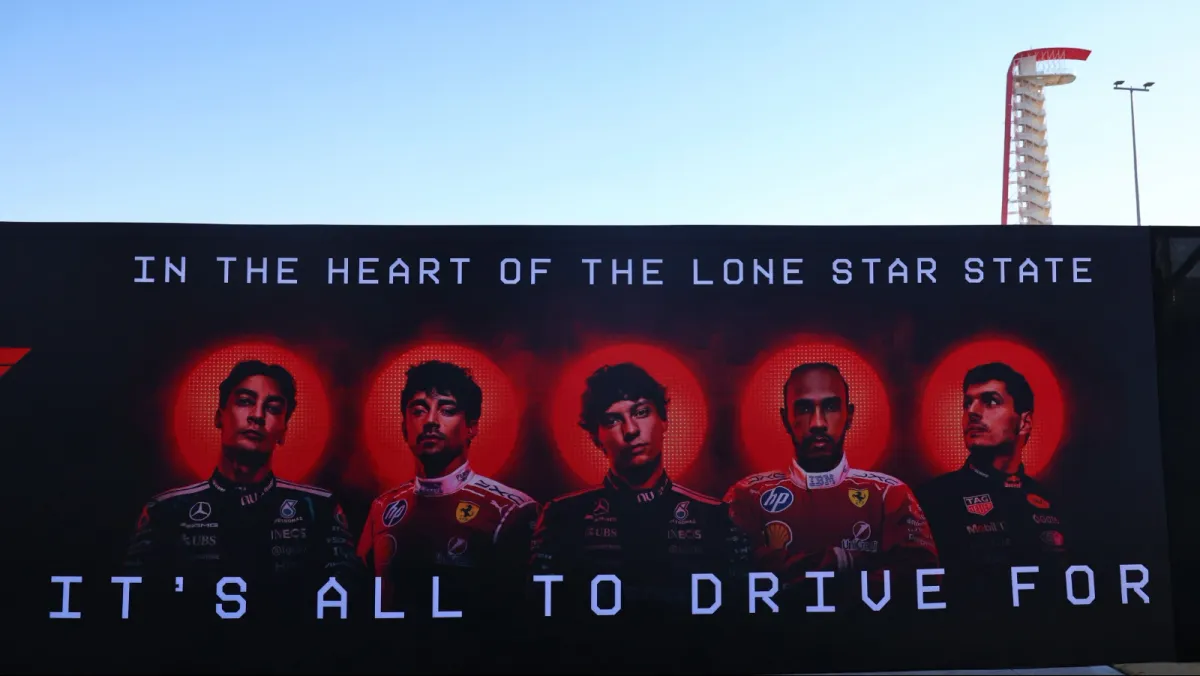
Simak kehadiran deretan bintang Hollywood, aktor Marvel, dan spekulasi kedatangan Kim Kardashian di Paddock F1 GP Amerika Serikat 2026. Baca analisis mendalam di sini
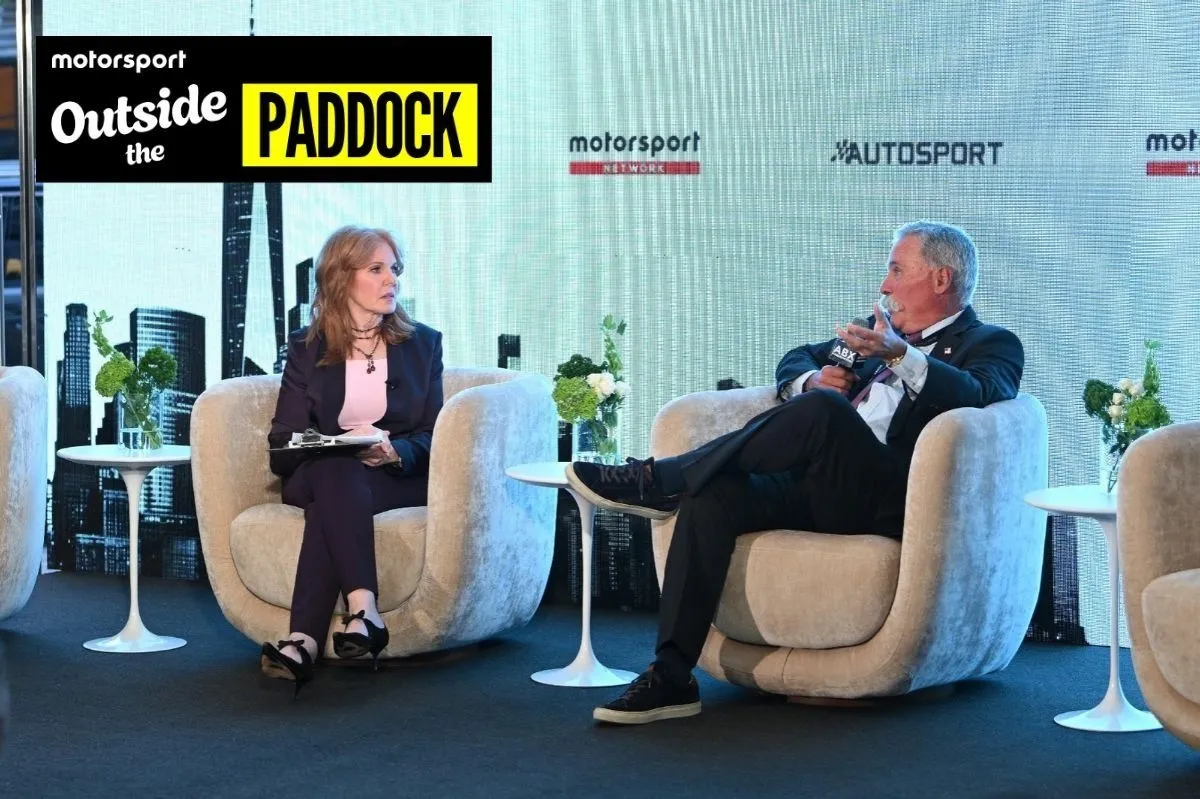
Mantan CEO F1 Chase Carey sebut New York masuk radar ekspansi bersama Miami & Las Vegas. Baca analisis lengkap strategi pasar AS di sini!
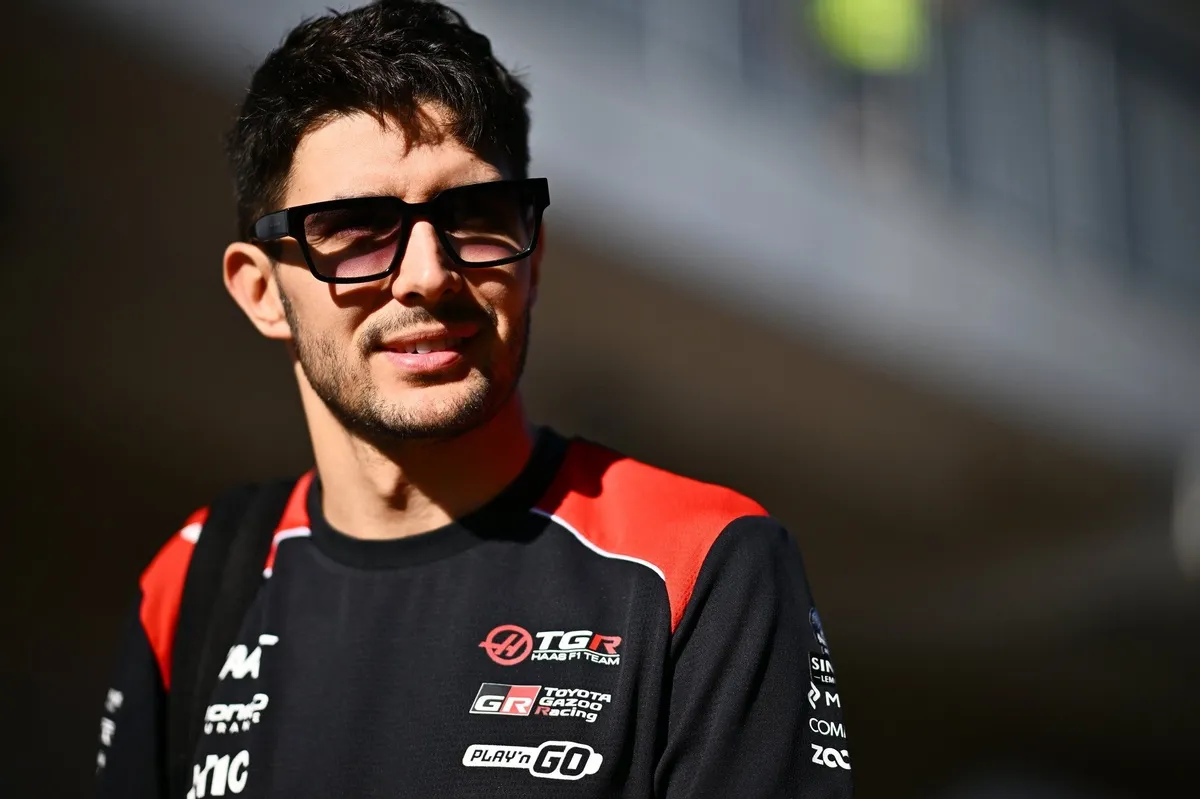
Simak tanggapan lengkap Esteban Ocon usai digantikan Rafael Camara di Haas untuk F1 2027. Baca analisis mendalam dan berita terbaru di sini.
 Continue with Google
Discussion (0)
Join the Discussion!
Sign in easily to start commenting, replying, and interacting with other readers.
Latest Comments
No comments yet. Be the first!