







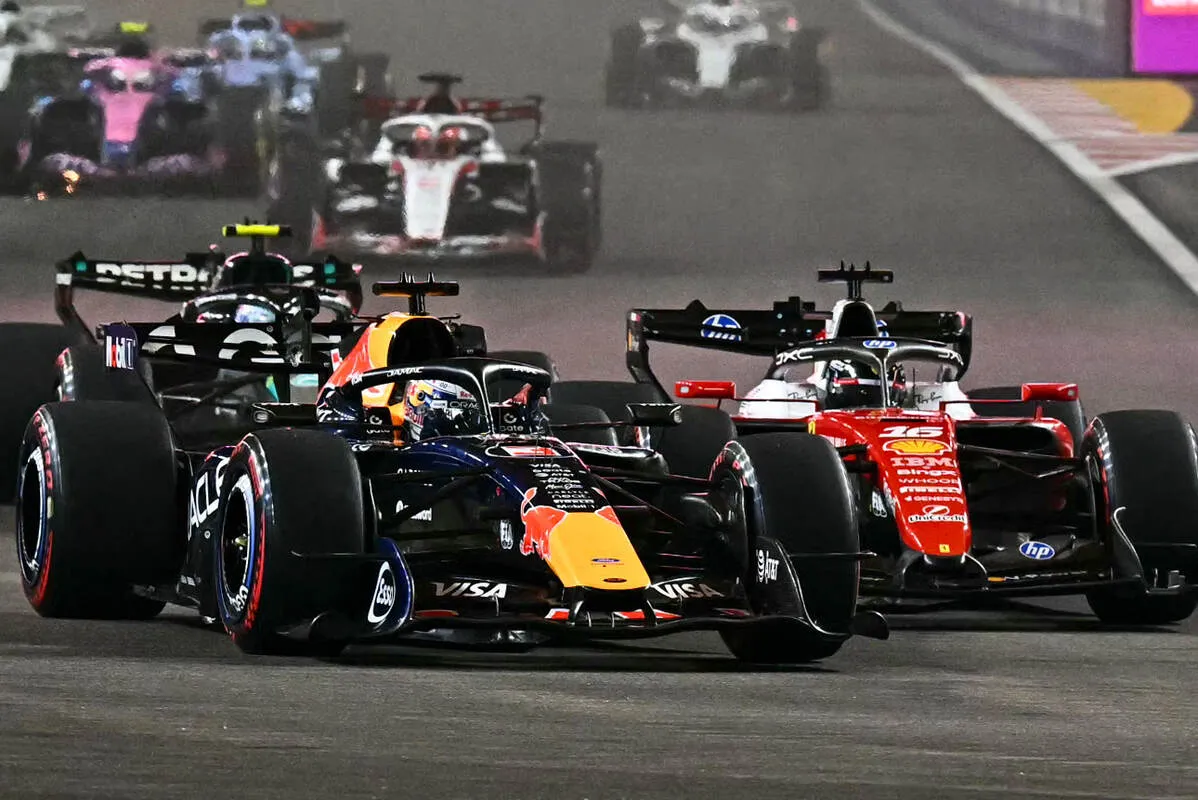

Upcoming technical regulation updates for Formula 1 are engineered to refine energy management, yet these very changes introduce legitimate concerns regarding a potential decline in on-track overtaking opportunities. Adjusting the ratio between internal combustion engine power and electric motor deployment will undoubtedly streamline energy handling for drivers, but this simplified operational framework risks eliminating the crucial performance delta traditionally utilized to execute successful passing maneuvers. Recognizing this tangible threat to competitive racing excitement, governing bodies have already formulated a comprehensive plan to safeguard the spectacle.
Nikolas Tombazis, the single-seater department head for the FIA, elaborated on the meticulous regulatory adjustments formulated alongside teams and power unit manufacturers over recent months. Intensive collaborative efforts throughout the spring successfully yielded immediate short-term solutions implemented in the current season, alongside more profound structural modifications scheduled for rollout in 2027 and subsequent 2028 campaigns. Tombazis emphasized that short-term adjustments targeted specific regulatory minutiae and safety enhancements, whereas upcoming multi-year changes will increase thermal power reliance relative to electric output, a shift anticipated to receive strong approval from drivers.
The technical framework outlines a modest 20 kW boost in internal combustion engine power, accompanied by a 50 kW reduction in electric motor output. Additionally, energy storage systems will accommodate charging capabilities up to 375 kW compared to the current 350 kW threshold, while energy recovery per lap increases to 4.5 MJ. Collectively, these 2027 power unit specifications simplify electrical energy deployment, which inherently threatens to complicate overtaking dynamics since current hybrid grand prix machines rely heavily on battery charging discrepancies to forge the performance advantage needed to gain track position.
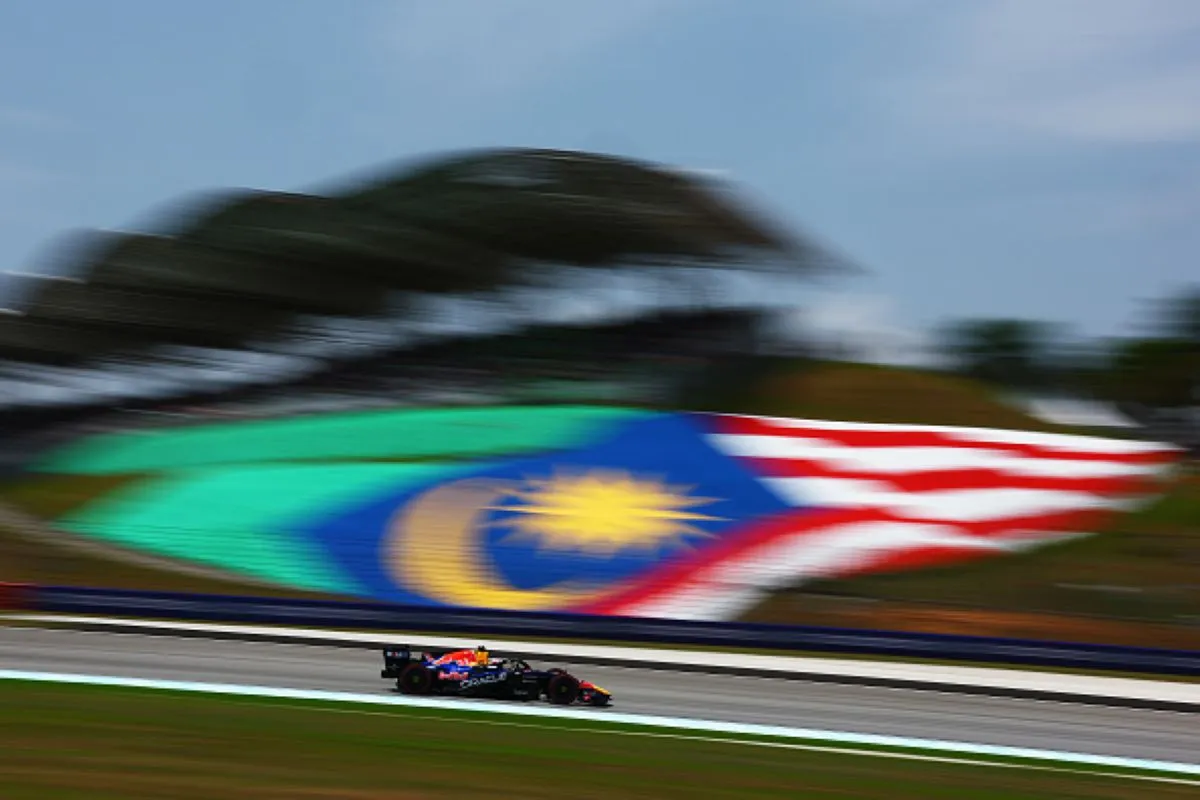
In contemporary Formula 1 machinery, energy management and battery harvesting procedures generate the vital power differentials between an attacking car and a defending opponent required for position gains. With the new regulations alleviating driver workload regarding energy preservation, the inherent performance disparity naturally narrows across various circuit layouts. Addressing this exact dilemma, the federation has officially launched a dedicated task force focused strictly on monitoring and balancing energy profiles between leading cars and chasing vehicles.
The 2027 regulations incorporate provisions where drivers utilizing an overtaking mode command up to 350 kW from the electric motor against a defender's 300 kW, shifting away from current mechanics where power differentials expand dynamically with velocity. Nevertheless, regulatory architects anticipate further refinements might follow as development progresses. Everything fundamentally connects back to managing the precise energetic equilibrium between the pursuing car and the front-runner to ensure competitive racing remains intact.
Read Also

Simak analisis mendalam mengenai kritik pedas Ralf Schumacher terhadap sikap Lewis Hamilton di Ferrari. Baca selengkapnya di sini!

Simak kisah rahasia saat Christian Horner nyaris bergabung dengan Mercedes pada tahun 2012. Baca analisis mendalam dan ulasan eksklusif di sini.
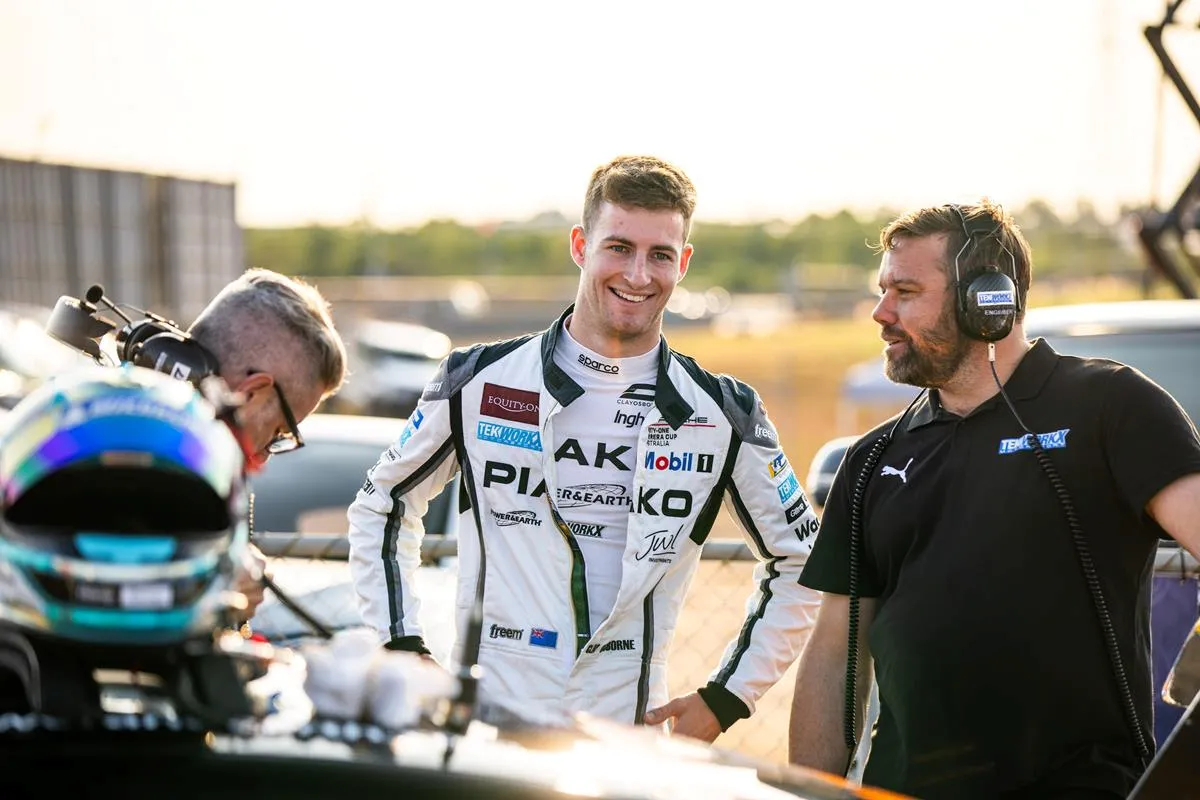
Clay Osborne wakili Australia di Porsche Junior Shootout 2026 Portugal. Simak perjalanan karier, statistik, dan analisis lengkapnya di sini!
 Continue with Google
Discussion (0)
Join the Discussion!
Sign in easily to start commenting, replying, and interacting with other readers.
Latest Comments
No comments yet. Be the first!