







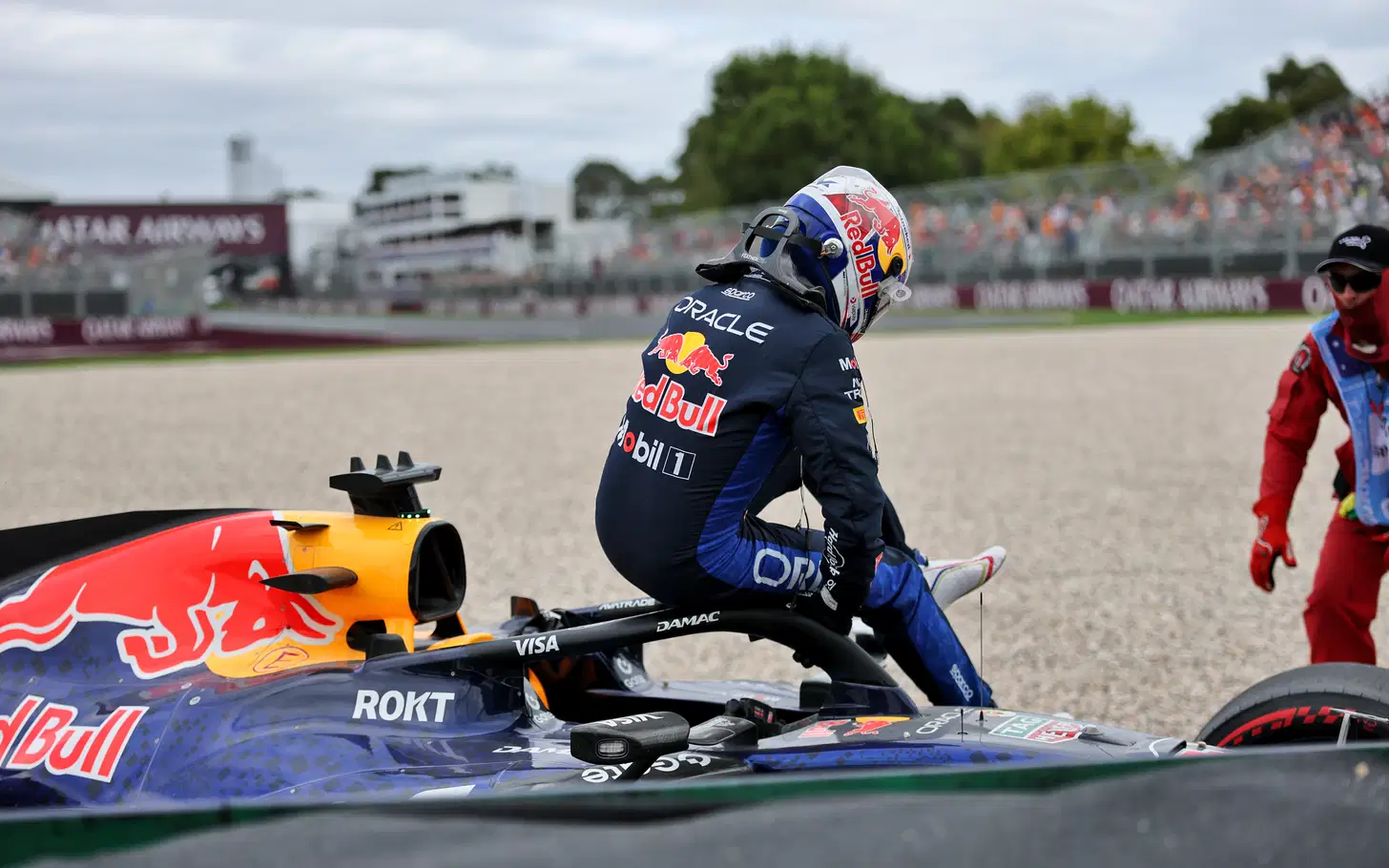

Formula 1, Sportrik Media - The cause of Max Verstappen’s crash during qualifying for the 2026 Australian Grand Prix at Albert Park has been revealed following a technical analysis that pointed to an issue within the energy recovery system of the Red Bull Racing power unit. The incident occurred during Verstappen’s first flying lap in Q1, which ultimately eliminated him early from the session.
The Dutch driver lost control of the car at Turn 1 after the rear axle locked under braking while he was downshifting at the end of the start-finish straight. The Red Bull spun violently before sliding through the gravel and hitting the barrier.
Team principal Laurent Mekies described the moment as “very brutal,” prompting the team to immediately launch an investigation into the circumstances surrounding the crash.
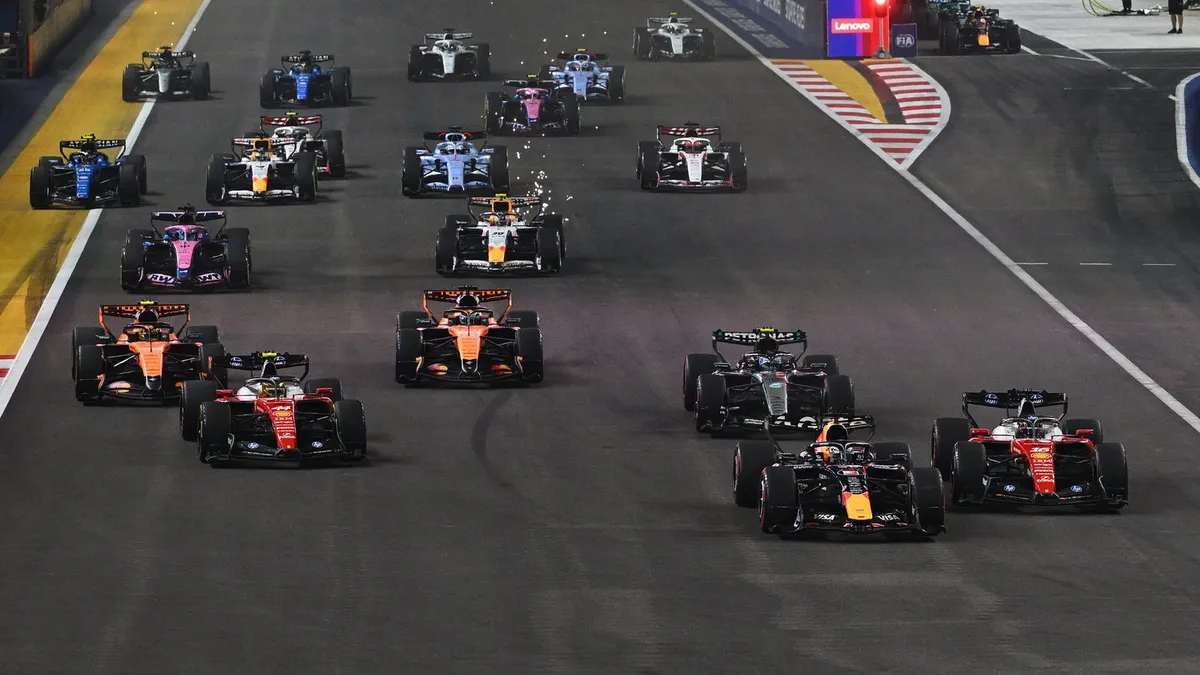
Initial speculation suggested a mechanical failure, such as a gearbox issue, may have caused the rear locking. However, further analysis indicated the problem was related to the energy recovery system and its software response during the downshifting phase.
A software glitch occurred when the system attempted to interpret engine speed and the motion transmitted to the rear axle during the downshift. Detecting an abnormal number of revolutions, the system automatically entered a safety mode.
This triggered the engine braking intervention, which immediately caused the rear axle to lock and resulted in the loss of control.
Normally, braking on the rear axle is managed by the brake-by-wire system. In this case, however, that system was not responsible. Instead, the ERS protection mode abruptly locked the system response, leaving Verstappen with no possibility of recovering the car.
The incident highlights how Formula 1’s current energy recovery technology remains in a relatively early phase of development, where unexpected software interactions can still produce significant consequences during competitive sessions.
Looking ahead to the race, Ferrari team principal Frédéric Vasseur has suggested that Sunday’s race could become particularly unpredictable due to the crucial role energy management will play both strategically and from a reliability perspective.
Read Also

Kimi Antonelli berpeluang kunci gelar juara dunia F1 termuda di GP Amerika Serikat. Simak analisis skenario poin lengkap dan peluang emasnya di sini!
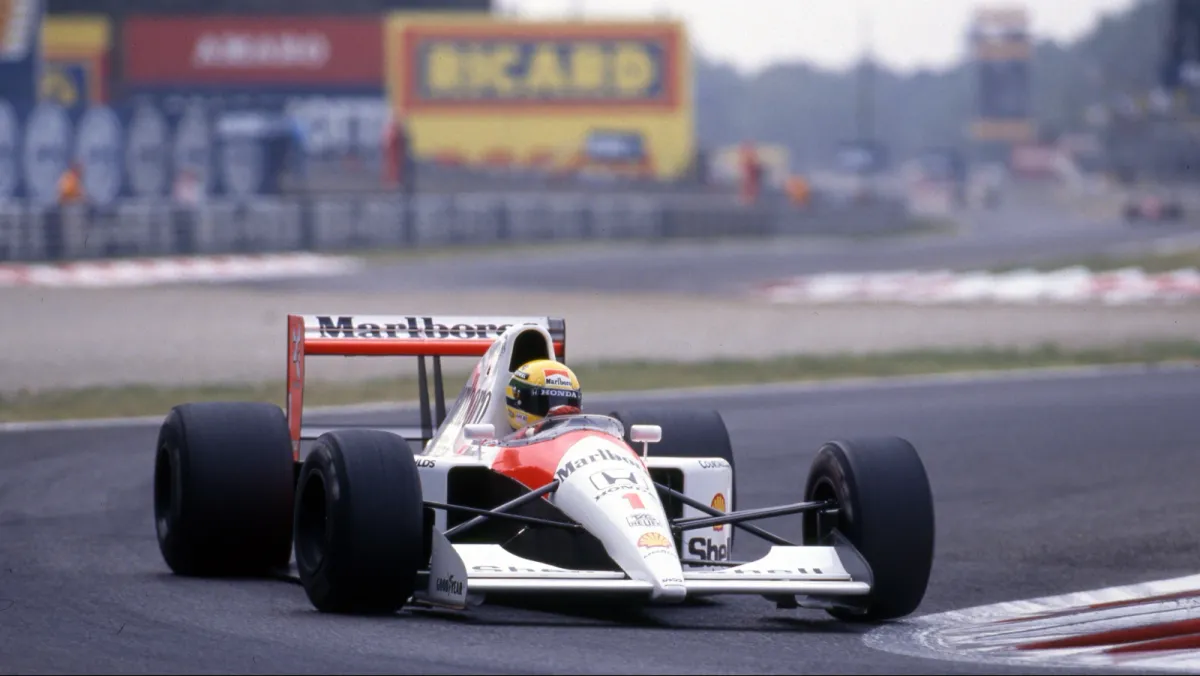
McLaren resmi melepas lima mobil F1 bersejarah termasuk sasis legendaris Ayrton Senna. Simak analisis nilai sejarah dan estimasi harganya di sini.
Sentronics gugat Allengra ke pengadilan Texas terkait pelanggaran paten sensor bahan bakar F1 2026. Baca analisis hukum lengkapnya di sini.
 Continue with Google
Discussion (0)
Join the Discussion!
Sign in easily to start commenting, replying, and interacting with other readers.
Latest Comments
No comments yet. Be the first!