







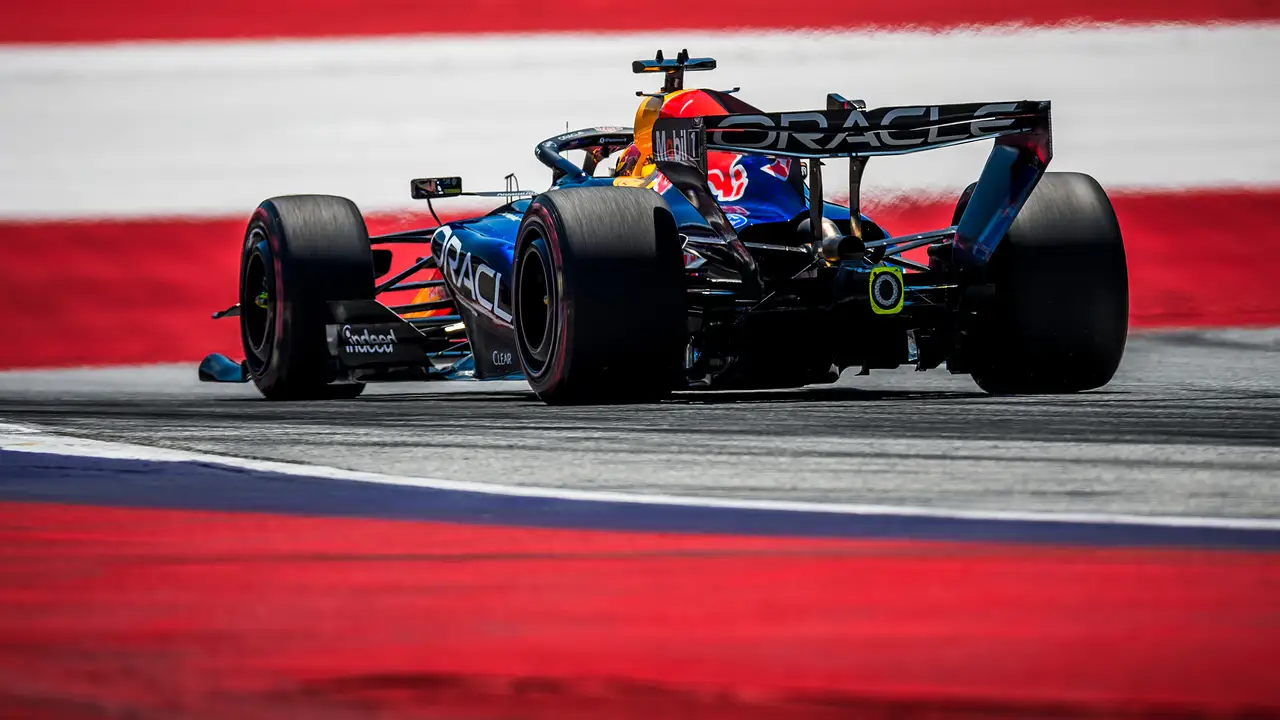

Carlos Sainz has proposed a radical change to the Formula 1 regulations following Max Verstappen’s qualifying crash at the 2026 Austrian Grand Prix. The Williams Racing driver wants any competitor who triggers a yellow or red flag to receive a three-place grid penalty.
The debate followed Verstappen’s accident at the penultimate corner of the Red Bull Ring on his final Q3 lap. The incident produced only a single waved yellow flag, which requires drivers to reduce speed but does not automatically prevent them from completing a timed lap.
George Russell lifted through the affected section and still completed the lap that secured pole position. Sainz believes Russell followed the required procedure correctly, but questioned why race control did not display double yellow flags or suspend the session with a red flag.
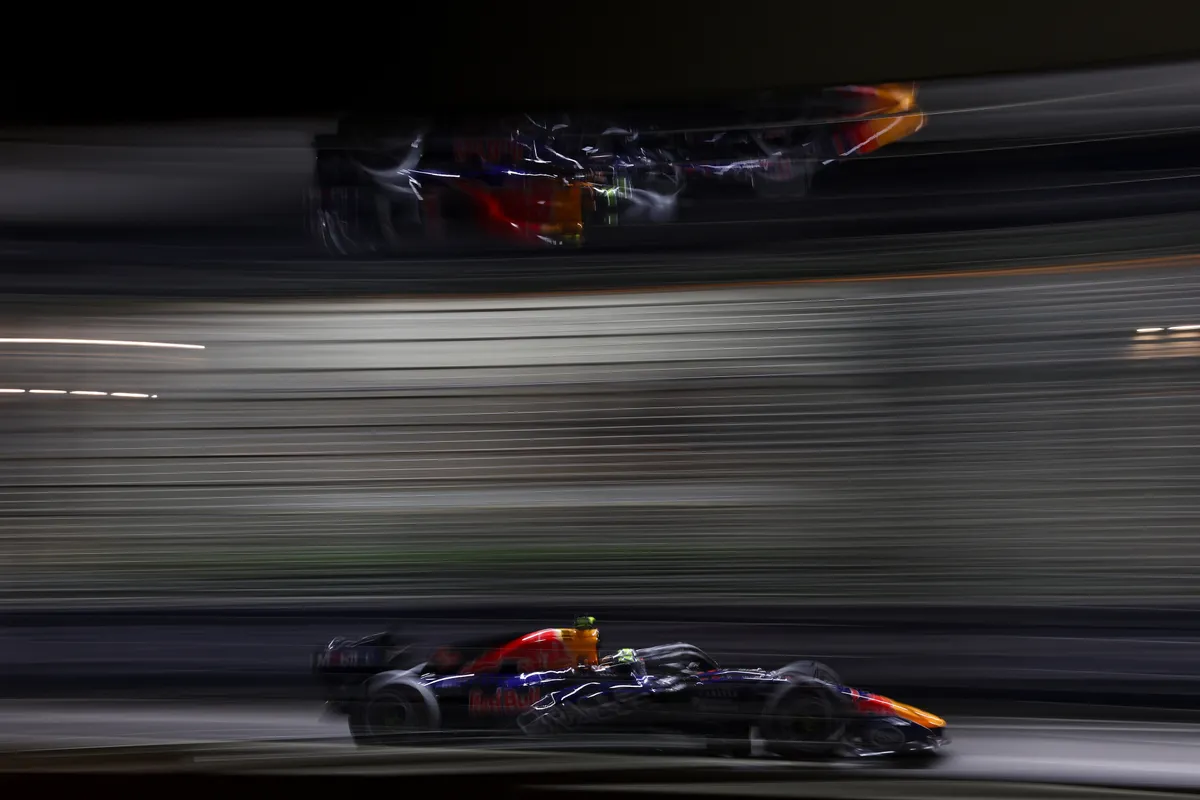
“The way George handled it was perfect for what the rule book allows, and he deserved that pole position because he played the rules to perfection,” Sainz told media including RacingNews365.
“But I don’t think it should ever have been possible to complete a lap in that kind of dangerous situation. It should have been a double yellow or a red flag,” he added.
Sainz’s proposal is not based solely on safety concerns. He also highlighted the possibility of a driver gaining an advantage by crashing after setting the fastest time, as the resulting yellow or red flag could prevent rivals from completing their final qualifying attempts.
The Spaniard said the issue can become particularly significant at street circuits such as the Monaco Grand Prix and Azerbaijan Grand Prix. Crashes are more likely at those venues, while a late interruption can directly determine the final grid order.
“Anyone who generates a yellow flag or a red flag in qualifying should receive a three-place grid drop. At least then there is a consequence and a disincentive from taking unlimited risks,” Sainz said.
Sainz stressed that his suggestion was not intended as an accusation against Verstappen. He said the Red Bull driver’s crash may have been related to a rear-wing problem, although that cause was not officially confirmed in the information available.
The Williams driver intends to raise the proposal within the Grand Prix Drivers’ Association. Any regulatory change would also require evaluation by the FIA, particularly over how to distinguish driver errors from technical failures or circumstances beyond a competitor’s control.
An automatic penalty could remove the potential sporting benefit created by a qualifying incident, but it could also punish drivers for mechanical failures. The next stage of the debate will therefore centre on whether Formula 1 can improve safety and fairness without ignoring the cause of each accident.
Read Also
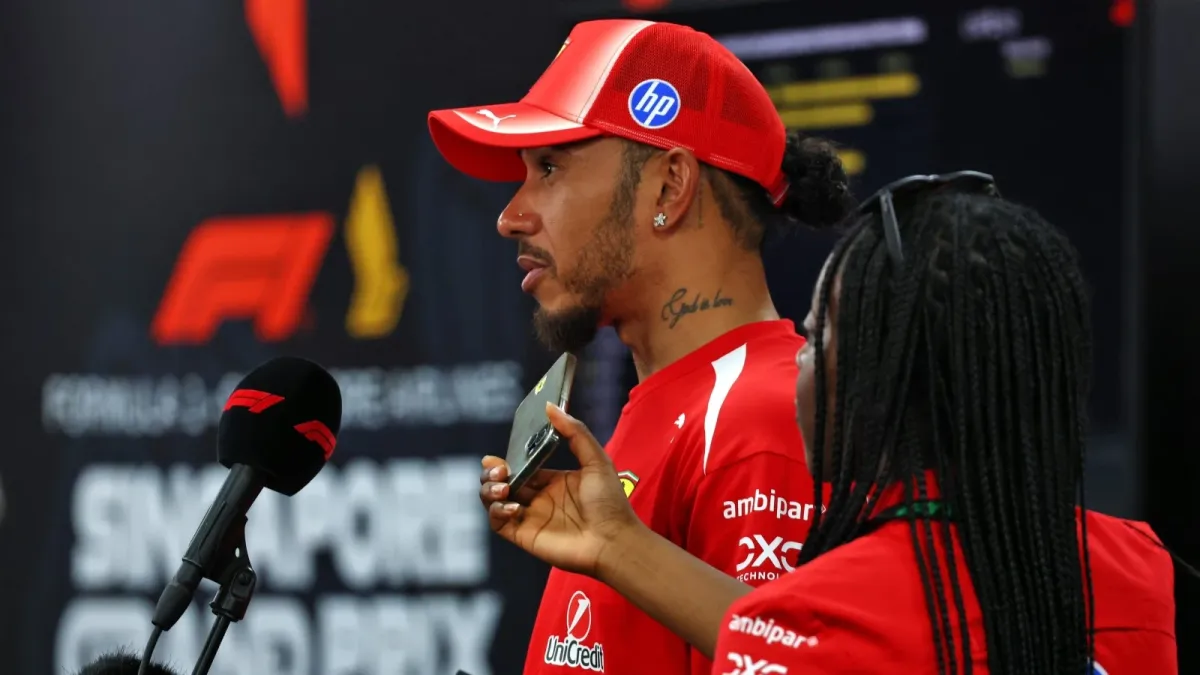
Lewis Hamilton akui blunder strategi di kualifikasi Sprint GP Singapura setelah gagal menjinakkan ban lunak dan harus puas start dari posisi keenam.
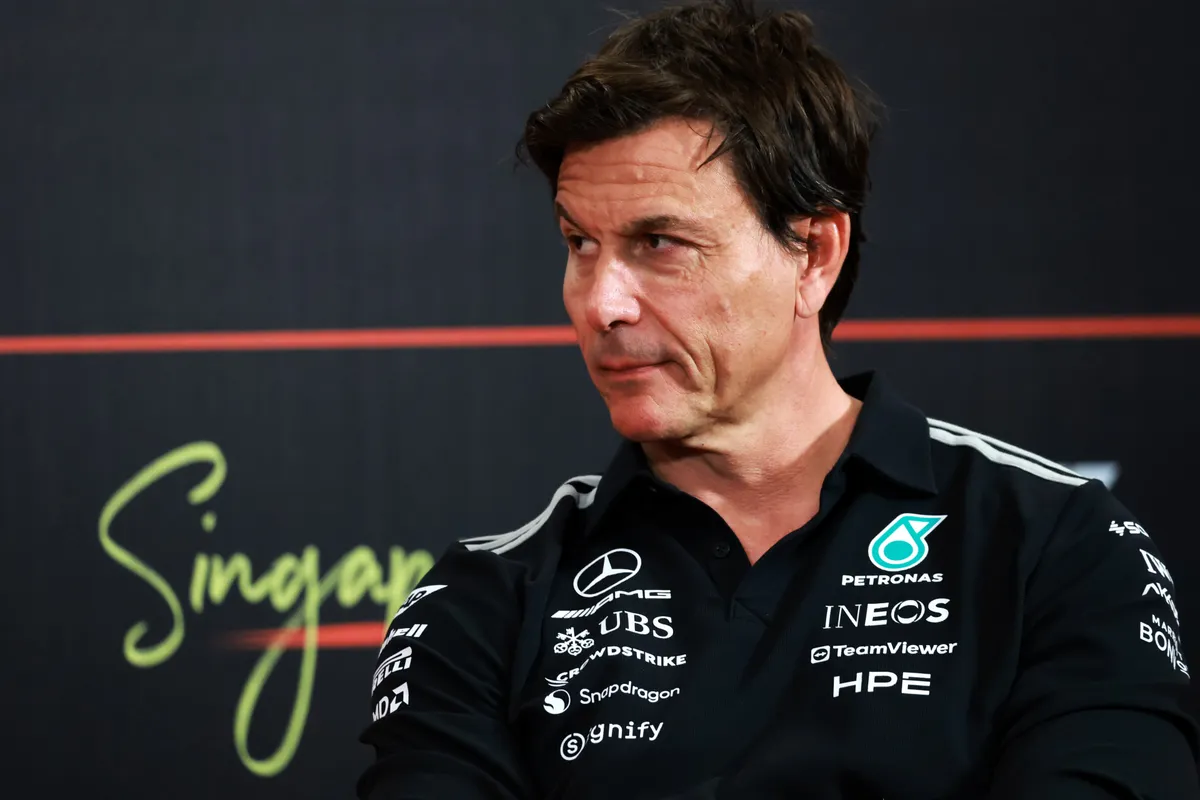
Toto Wolff sebut kritikus favoritisme Mercedes bodoh dan sarankan tonton Teletubbies di tengah isu perlakuan beda pada George Russell.

Racing Bulls segera tentukan susunan pembalap F1 2027 dalam beberapa minggu ke depan di tengah persaingan ketat tiga kandidat.
 Continue with Google
Discussion (0)
Join the Discussion!
Sign in easily to start commenting, replying, and interacting with other readers.
Latest Comments
No comments yet. Be the first!