






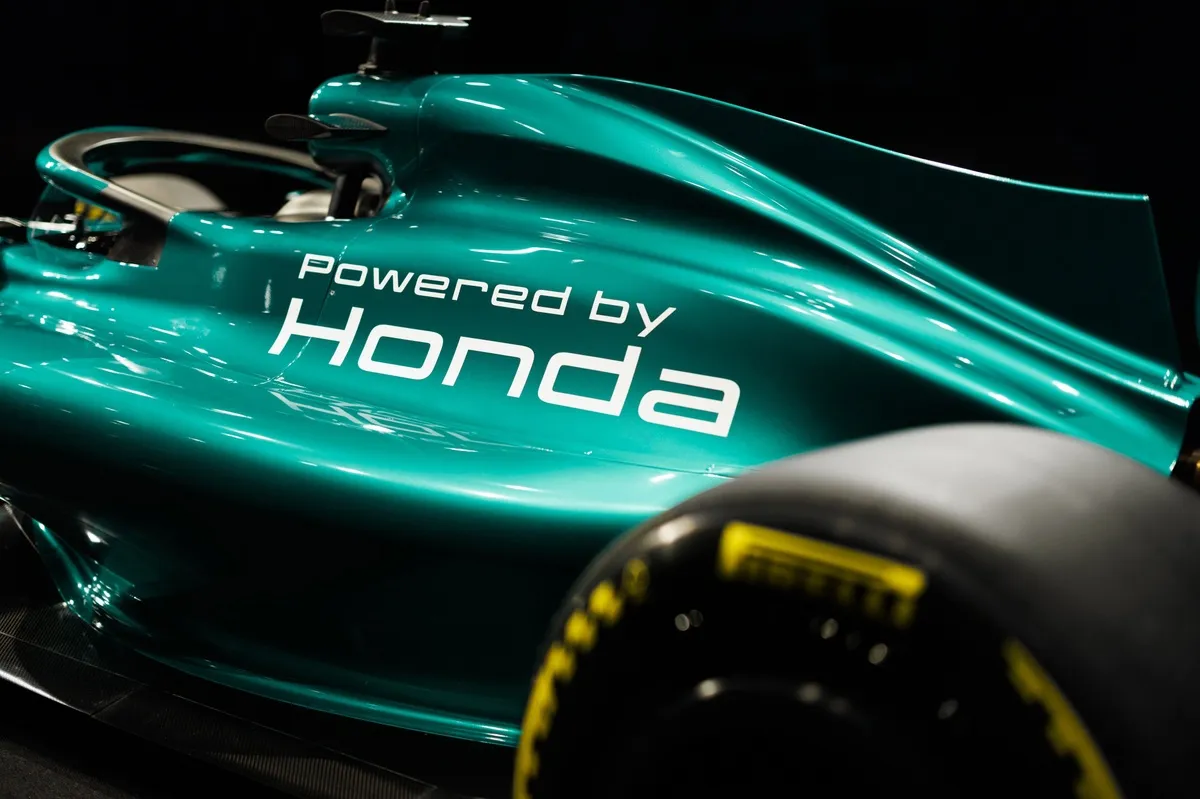

When Adrian Newey appeared at the FIA team principals' press conference in Melbourne, the legendary designer attracted attention for several reasons. He spoke openly about Honda's battery problems, acknowledged that his role as team principal had distracted him from his design duties to some extent, and – with some exaggeration – said that Honda had mainly been busy with solar panels in the intervening years.
Yet arguably the most interesting remark was still to come. That was the revelation that Aston Martin's leadership had only discovered in November 2025 that the makeup of Honda's F1 team was completely different from what it had been during its glory years with Red Bull. The fact that this only became clear in November 2025 still sounds strange, given that the deal had already been agreed in 2023.
Although that raises questions about Aston Martin's approach, there is a logical explanation from Honda's side. General trackside manager and chief engineer Shintaro Orihara says it is closely linked to the Japanese manufacturer's overall philosophy. "Honda is a very unique company. So, always, how to say, staff is moving between road car projects and the Formula 1 project," Orihara told Motorsport.com. "Last year, we had a lot of, not new people, but some highly talented people coming from road car projects and some others who had worked within the Red Bull project. We always develop talent in our Formula 1 project to boost Honda's knowledge."
The idea is for the company as a whole to benefit from the knowledge gained in F1, although building up the project with predominantly new personnel also came with significant drawbacks. Specific F1 experience was lacking during the initial development phase, and according to Orihara, Honda eventually came to exactly that conclusion. "Probably, at the end of last year, our total human development level was not sufficient for the Formula 1 level," the Japanese reckoned. "And then, at winter testing, we've had quite tough moments, but those moments have developed our people. They have learned a lot of things about what we need to work in Formula 1."
The opening months of 2026 have been a steep learning curve, with the inexperienced staff rapidly adapting to the demands of modern F1, from energy management to race strategy. Despite the challenges, Orihara is confident that the foundation being built now will pay off in the long run, not just for the F1 program but also for Honda's overall technological development.
For Aston Martin, this partnership is a big gamble. They are relying on Honda to provide a competitive power unit in the new regulations era. However, with a different team composition, the question is whether Honda can perform consistently from the start. The answer may only become clear as the 2026 season progresses.
Read Also
Charles Leclerc dan pembalap F1 lainnya mengeluhkan permukaan Sirkuit Sepang yang kasar dan licin jelang GP Bahrain di Malaysia. Simak selengkapnya.
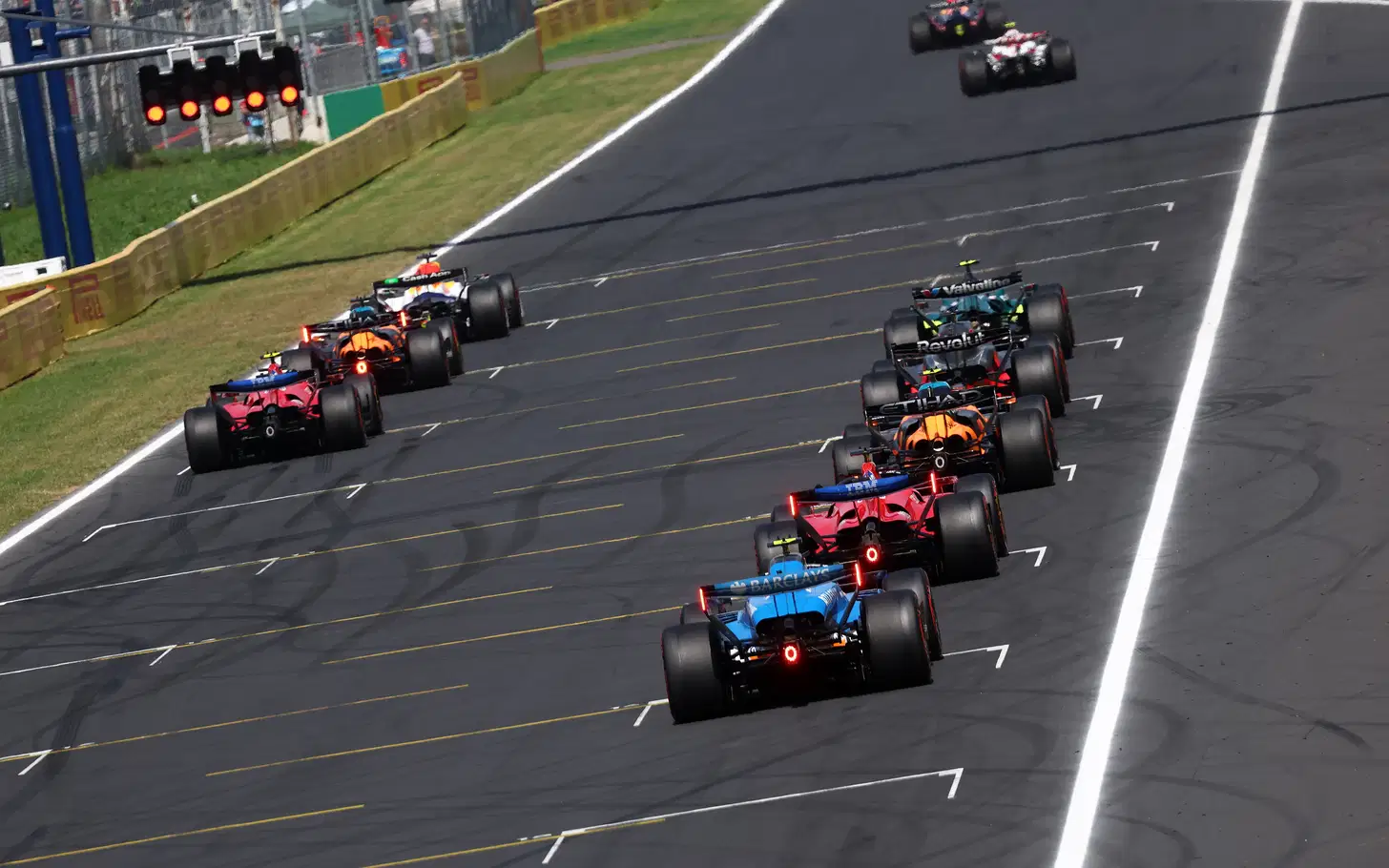
James Vowles has warned that F1's cost cap is widening the competitive gap, with the top four teams now accounting for 83 per cent of the points.
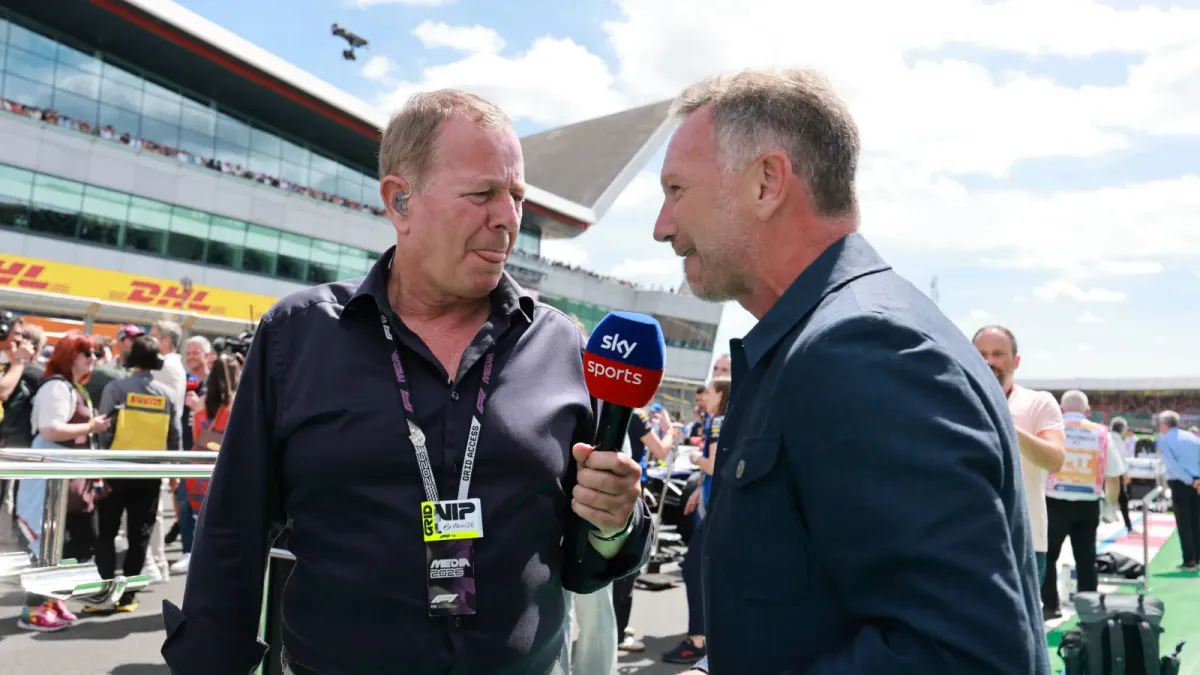
Rumor Christian Horner ke Ferrari dibantah setelah Martin Brundle menelepon langsung. Simak klarifikasi dan alasan Horner belum tertarik kembali ke F1.
 Continue with Google
Discussion (0)
Join the Discussion!
Sign in easily to start commenting, replying, and interacting with other readers.
Latest Comments
No comments yet. Be the first!