







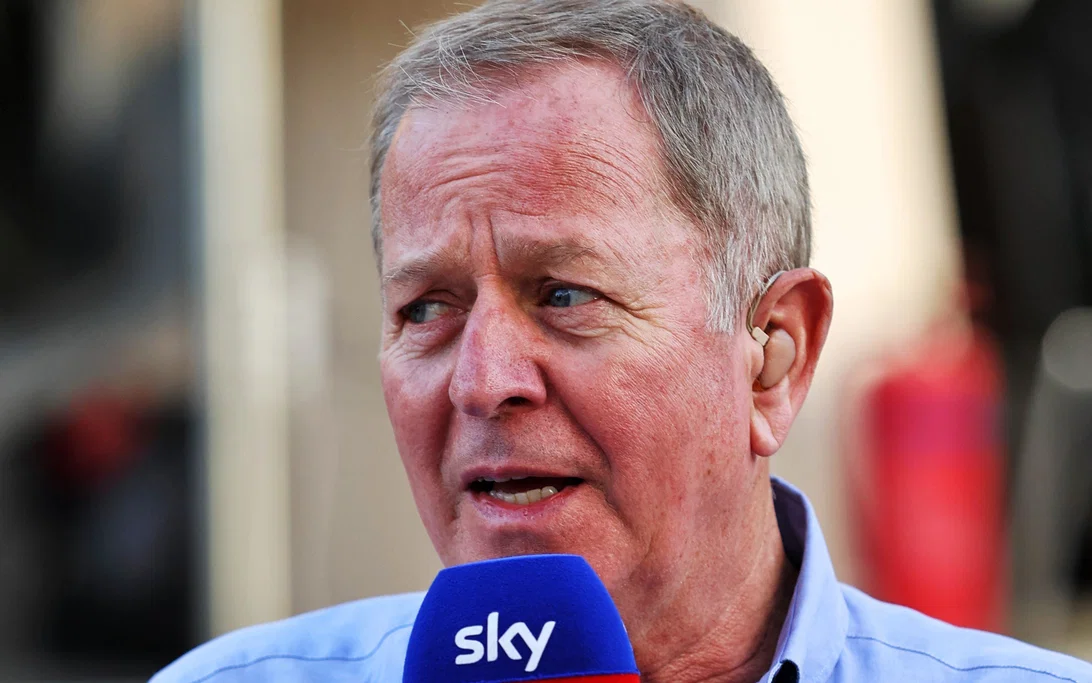

Martin Brundle used a “toast and hot butter” analogy to explain the Formula 1 power unit regulation adjustments introduced by the FIA following several energy management concerns during the opening rounds of the 2026 season. The revised measures were implemented ahead of the Miami Grand Prix in an effort to reduce super-clipping and excessive lift-and-coast behaviour.
The most significant change introduced by the FIA was the reduction in total harvested energy from 8MJ to 7MJ per lap. The updated regulation is designed to deliver electrical power deployment more evenly throughout the lap, reducing the dramatic loss of battery assistance at the end of long straights. In addition, the super-clipping limit has now been increased to 350kW after previously being capped at 250kW.
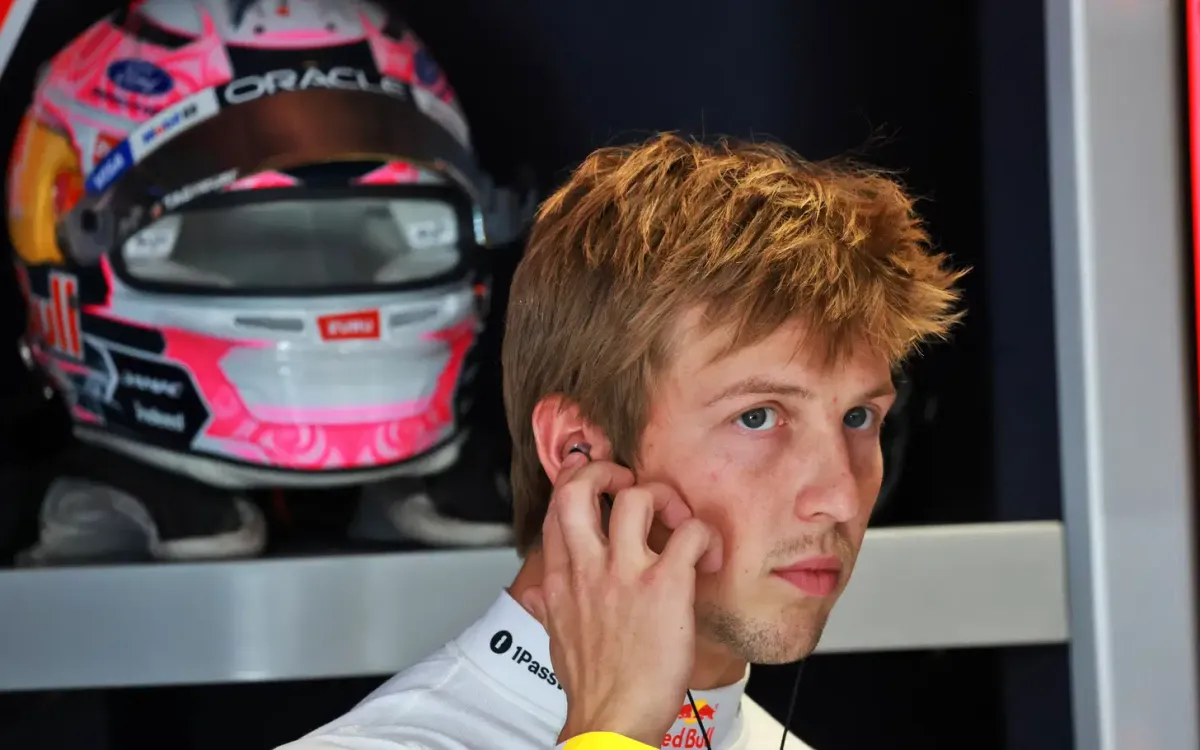
The FIA also introduced a new slow-start protection system that automatically activates the MGU-K to assist acceleration off the line. The adjustment followed a near-miss involving Franco Colapinto and Liam Lawson earlier this season. The changes underline how Formula 1 continues refining the transition toward the next-generation hybrid-focused power unit era.
“It is a very complex business, but there are two key goals,” Brundle told Sky Sports F1.
According to Brundle, the FIA is attempting to ensure more consistent electrical energy deployment around the circuit while also reducing the dangers created by extreme closing speeds when drivers activate full boost modes. The issue had already raised safety concerns because trailing cars could gain several hundred additional horsepower over rivals within a very short distance, particularly approaching heavy braking zones.
“We saw the accident between Oliver Bearman and Franco Colapinto in Japan, so they are the two key goals,” Brundle explained.
From a technical perspective, the revised rules are expected to alter how teams manage battery deployment and energy recovery during races. Teams such as Mercedes, Ferrari, and Red Bull Racing must now adapt their recovery strategies to avoid sacrificing performance during critical phases of a lap. The FIA hopes the adjustments will create a more natural racing flow without removing the core identity of modern hybrid Formula 1.
Brundle then used a breakfast analogy to simplify how the FIA is attempting to spread energy deployment more effectively across the lap.
“It is like your favourite slice of toast, all hot and ready to be eaten, and you put some butter on it out of the fridge, but the butter won't melt. You slice up the butter a little bit more, spread it around, and now you've got some delicious toast and hot butter, but it is the same toast and hot butter,” Brundle said.
Formula 1 is expected to continue evaluating the effectiveness of the revised regulations over the coming rounds. With the championship preparing to enter a sequence of high-speed European circuits, the FIA’s ability to balance hybrid energy performance with safety concerns will remain a major focus throughout the first half of the 2026 season.
Read Also
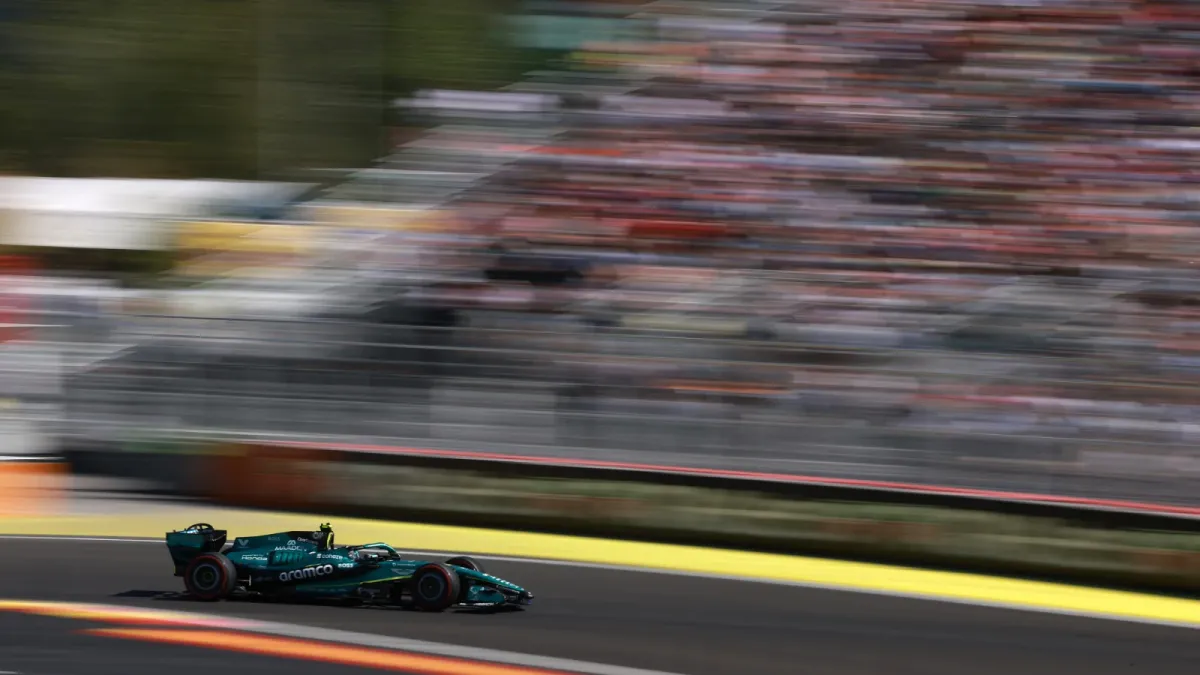
Pedro de la Rosa reveals honesty is key for Aston Martin to overcome 2026 F1 crisis. Read the exclusive interview and team strategy.
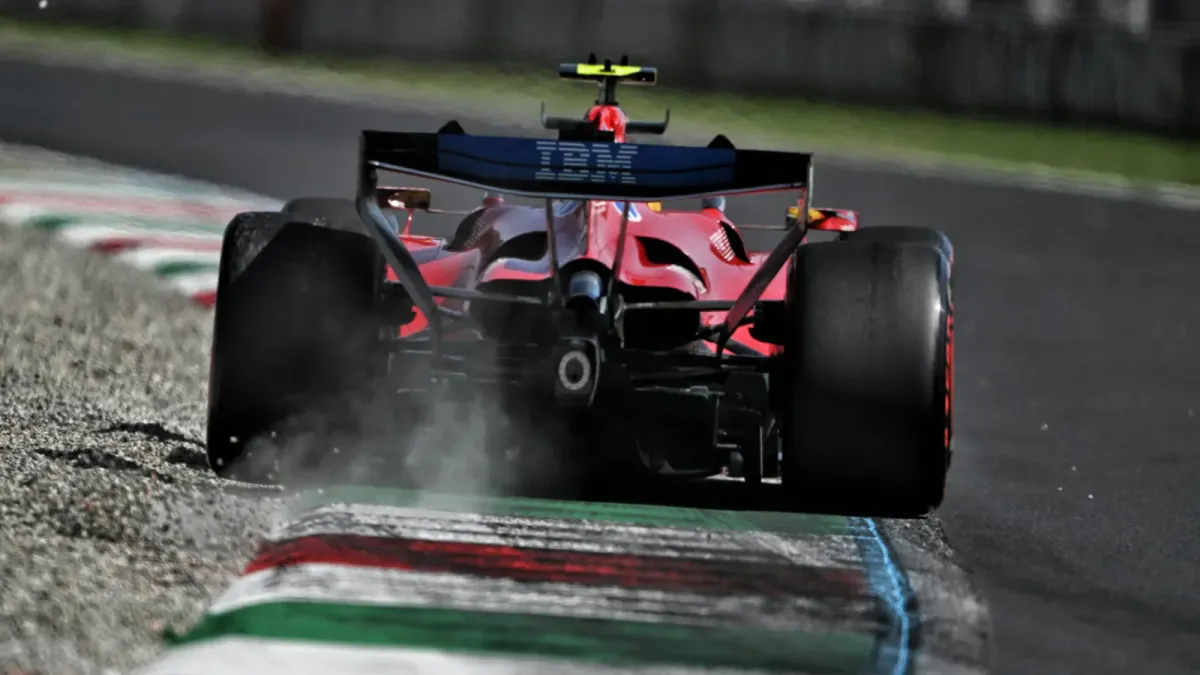
Ferrari faces an emergency 2026 power unit project. The team prepares a new engine for 2027 to close the gap to Mercedes in F1.

Arvid Lindblad nearly flips the world's shortest Fiat Panda in a YouTube challenge. The Racing Bulls driver also tested a motorised sofa and shared hilarious stories.
 Continue with Google
Discussion (0)
Join the Discussion!
Sign in easily to start commenting, replying, and interacting with other readers.
Latest Comments
No comments yet. Be the first!