







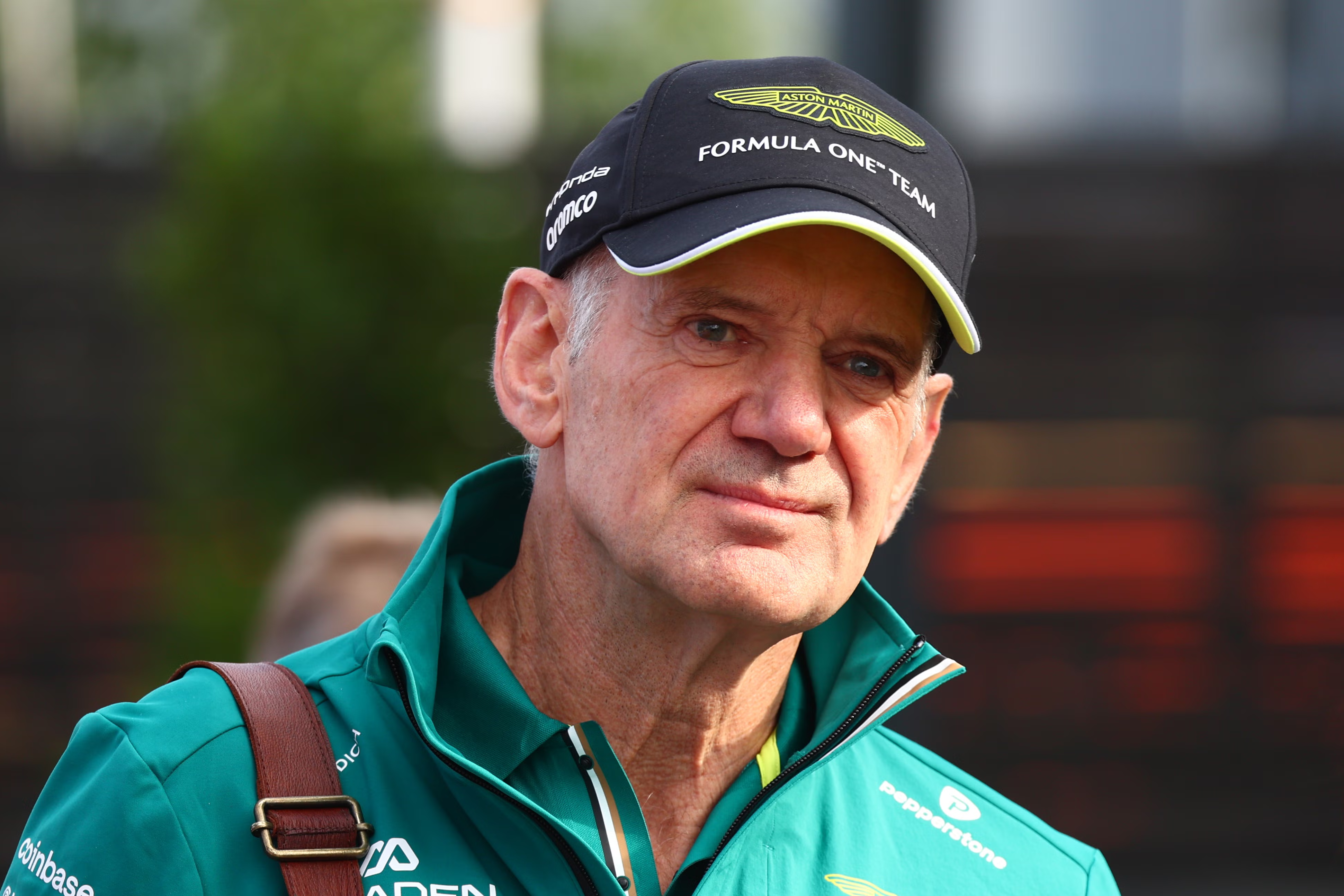

Adrian Newey has once again become the focus of discussion within modern Formula 1 engineering, with his working methods increasingly viewed as a disappearing art in an era dominated by CFD, CAD, and advanced simulation tools. The legendary designer is widely regarded as the final representative of Formula 1’s traditional engineering philosophy.
As the most successful designer in Formula 1 history, Newey has famously continued to work using a drawing board and pencil despite the sport’s technological revolution. This approach separates him from modern generations of engineers who have developed almost entirely through computational fluid dynamics and digital design systems.
Former team principal Christian Horner once described Newey as a man who could “see air”. Although Newey rejected the romantic image, he admitted that visualisation remains central to his engineering mindset.
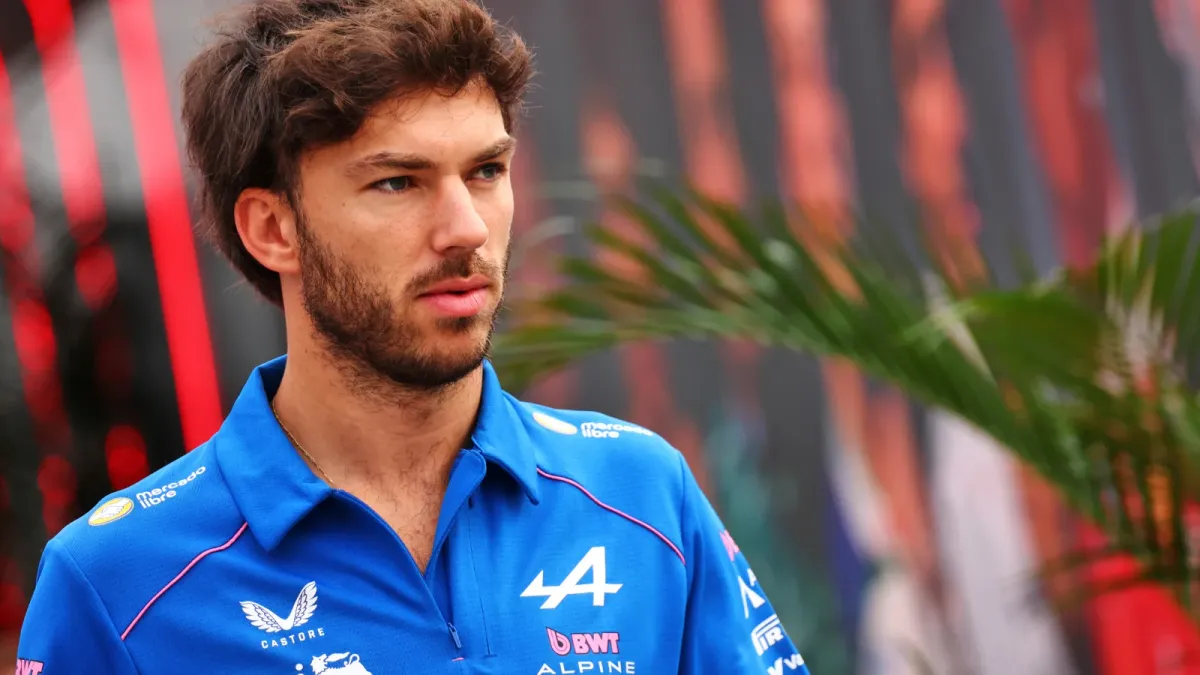
“I try to visualise and understand, probably because I come from an older generation before CFD and CAD existed.”
“Back then everything was manual. You worked with a drawing board and the wind tunnel.”
Technically, Newey’s philosophy has consistently focused on building a stable overall car platform rather than simply chasing maximum downforce figures. That approach became particularly evident when the ground-effect regulations returned in 2022 and rival teams struggled with severe porpoising issues.
Newey personally became involved in designing the suspension architecture for Red Bull Racing, allowing the RB18 to maintain a more stable aerodynamic platform than rivals such as Mercedes. The result was Max Verstappen securing 15 victories in 2022 before Red Bull delivered an even more dominant campaign in 2023.
“Performance engineering is a combination of science and art.”
“As an engineer, you have to accept there are things you don’t fully understand, but the facts still exist.”
The analysis surrounding Newey’s influence has also triggered a wider debate about the impact of technology on modern engineering creativity. Heavy reliance on simulation tools is increasingly viewed as reducing the natural instinct and visualisation skills that once defined Formula 1 design philosophy.
Former driver Pedro de la Rosa, who previously worked alongside Newey at McLaren and is now involved with Aston Martin, has argued that modern drivers continue to improve thanks to advances in preparation and training. However, in engineering, the growth of technology may have the opposite effect by reducing the instinctive touch possessed by older generations.
Newey’s success across multiple decades demonstrates that Formula 1 is shaped not only by data and simulation but also by intuitive understanding of vehicle behaviour. When the era of pencils and drawing boards finally disappears, Formula 1 may lose one of the purest forms of engineering artistry the sport has ever known.
Read Also

Scott McLaughlin melelang baju balap IndyCar 2026 untuk amal di PPQ Legends Night. Simak detail lengkap dan cara berpartisipasi lelang di sini.
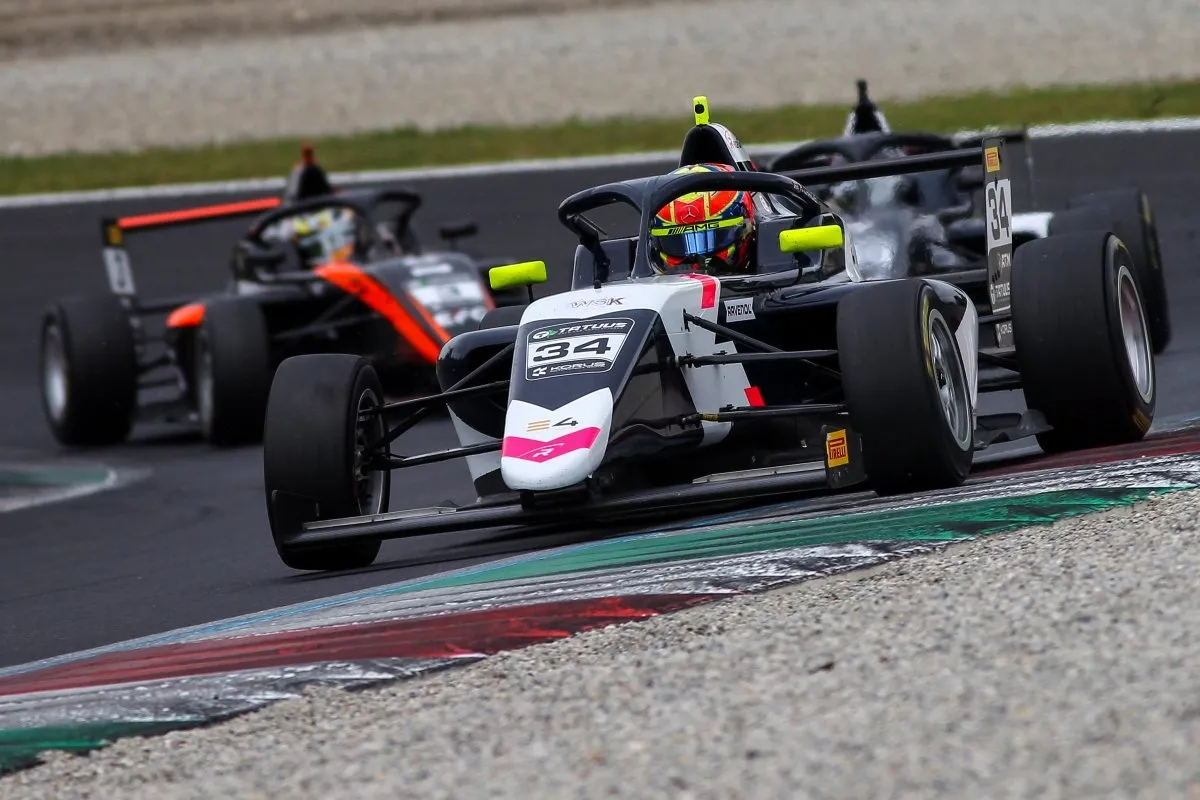
Simak analisis lengkap kemenangan Kenzo Craigie di Monza dan perburuan gelar juara E4 akhir pekan ini. Baca selengkapnya di Sportrik.
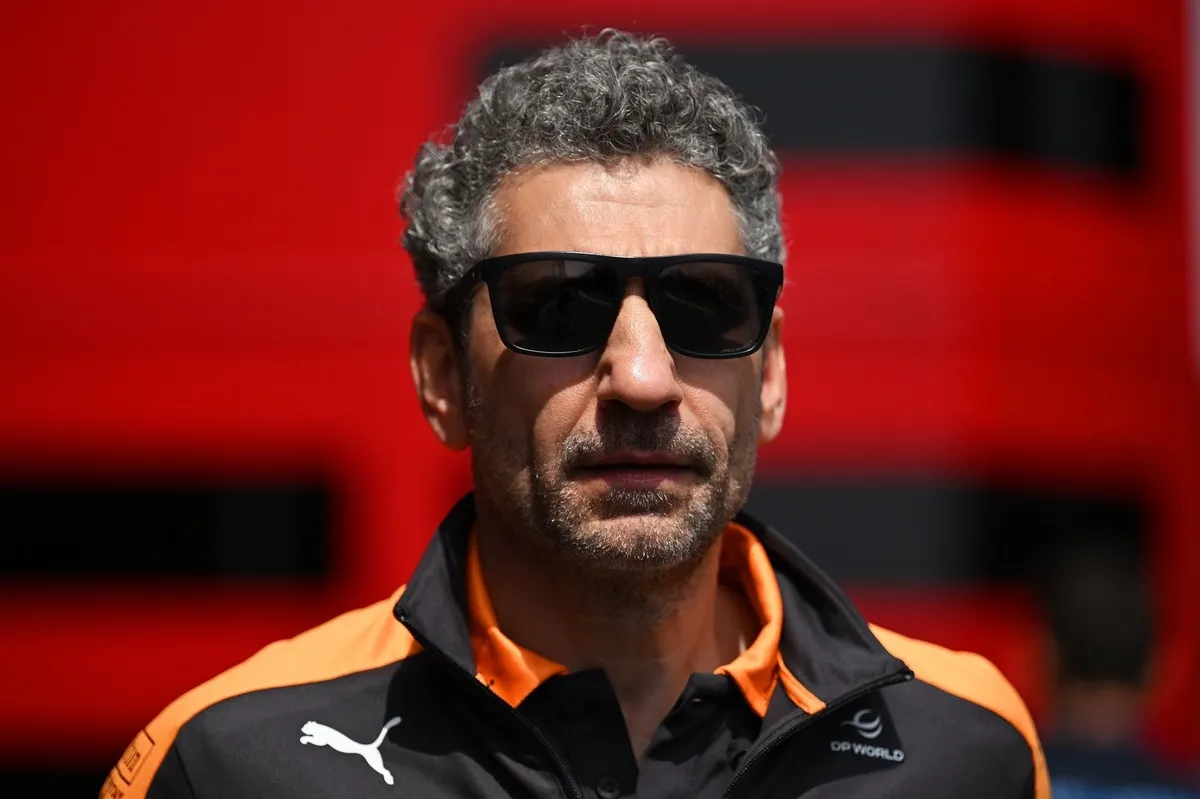
Simak analisis lengkap mengapa McLaren menganggap serius insiden tabrakan Lando Norris dan Oscar Piastri di GP Singapura 2026. Baca selengkapnya di sini!
 Continue with Google
Discussion (0)
Join the Discussion!
Sign in easily to start commenting, replying, and interacting with other readers.
Latest Comments
No comments yet. Be the first!