







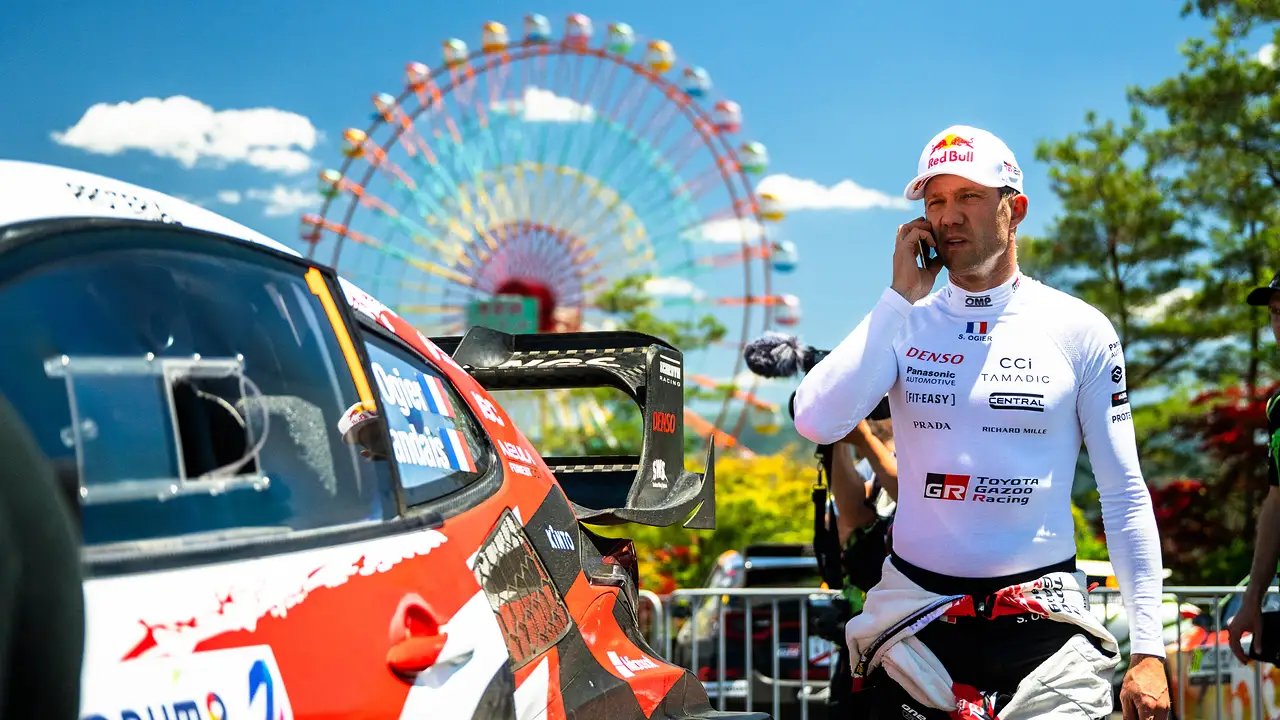

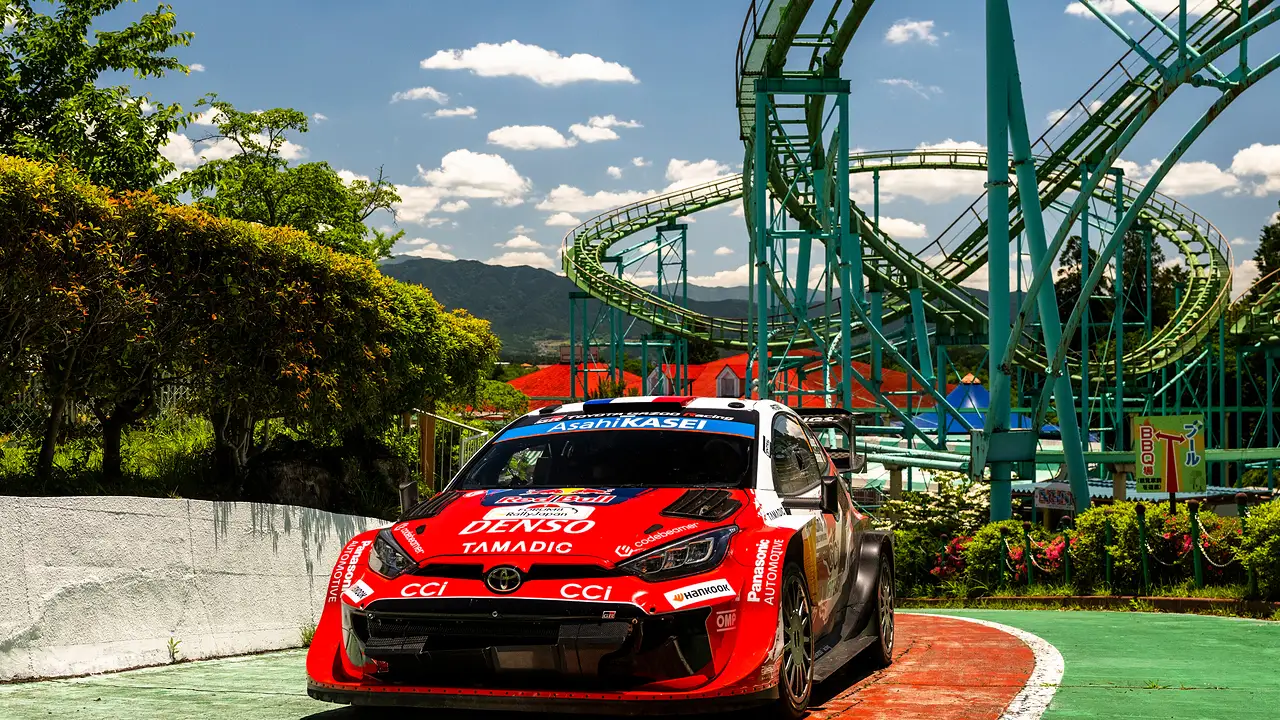
Toyota Gazoo Racing's eight-time world champion Sébastien Ogier has delivered a highly calculated and blunt assessment regarding the persistent driving errors of his young teammate, Oliver Solberg. The Swedish youngster found himself grabbing the headlines for the wrong reasons yet again during Saturday afternoon's competitive loop at Rally Japan. Prior to shattering his rear suspension against a pole, Solberg had been piloting his GR Yaris Rally1 brilliantly in second place overall, mounting a genuine physical threat to Elfyn Evans for the rally victory.
This latest heartbreak in Japan marks a deeply concerning pattern for Solberg, representing his fourth terminal retirement in his last five WRC outings. Crucially, the youngster has now failed to reach the finish line in all three dedicated asphalt (*tarmac*) fixtures of the current season, having previously crashed out heavily in Croatia and the Canary Islands. Ogier emphasized that professional rallying at the elite Rally1 level is not merely a question of showcasing raw, single-lap speed, but fundamentally requires a sophisticated psychological ability to manage extreme risks through highly treacherous sectors.
Constructive Critique of Solberg's Persistent Consistency Deficit
While Ogier did not hold back in his analytical critique, the French veteran was careful not to be overly destructive toward his young stablemate. He openly acknowledged that Solberg possesses an incredible, raw velocity that very few drivers in the history of the sport have ever displayed at such a young age. However, Ogier dryly noted that these blinding bursts of speed are consistently neutralized by critical unforced errors in almost every event. This recurring mechanical carnage is causing visible frustration within the Toyota camp, as it severely compromises the team's mathematical aspirations in the high-stakes manufacturers' world championship.
The sporting legend pointed out that consistency is the definitive missing puzzle piece in Solberg's professional profile. Ogier remarked that while the speed is undeniable, a driver must understand when to back off the throttle to preserve the vehicle assembly. He noted that Solberg fortunately has many years ahead of his career to master this delicate competitive discipline, urging the youngster to quickly integrate better situational focus to avoid throwing away the immense engineering efforts of the team's technical staff.
Overnight Setup Adjustments to Launch Final Attack on Evans
Shifting focus to his own competitive aspirations, Ogier enters the final Sunday stages holding a lonely but secure second place in the general classification. He trails his teammate Evans by just over 17 seconds—a sizeable geometric deficit that remains highly difficult to close on pure pace alone, barring a catastrophic driving or tire management mistake from the Welshman. Ogier admitted he has spent the majority of Saturday wrestling with severe tire degradation issues, explaining that the car's structural balance deteriorates rapidly once the mechanical grip parameters drop.
To combat these handling deficiencies, Ogier's engineering crew is scheduled to execute a series of radical suspension geometry and differential mapping changes during the final evening service window. The team is treating these late technical adjustments as a high-stakes gamble to restore optimal tracking and traction on the technical Japanese asphalt. Refusing to concede defeat prematurely, Ogier vowed that his side of the garage will continue to push to the absolute physical limit until the final flying finish of the Power Stage brings the curtain down.
Baca Juga
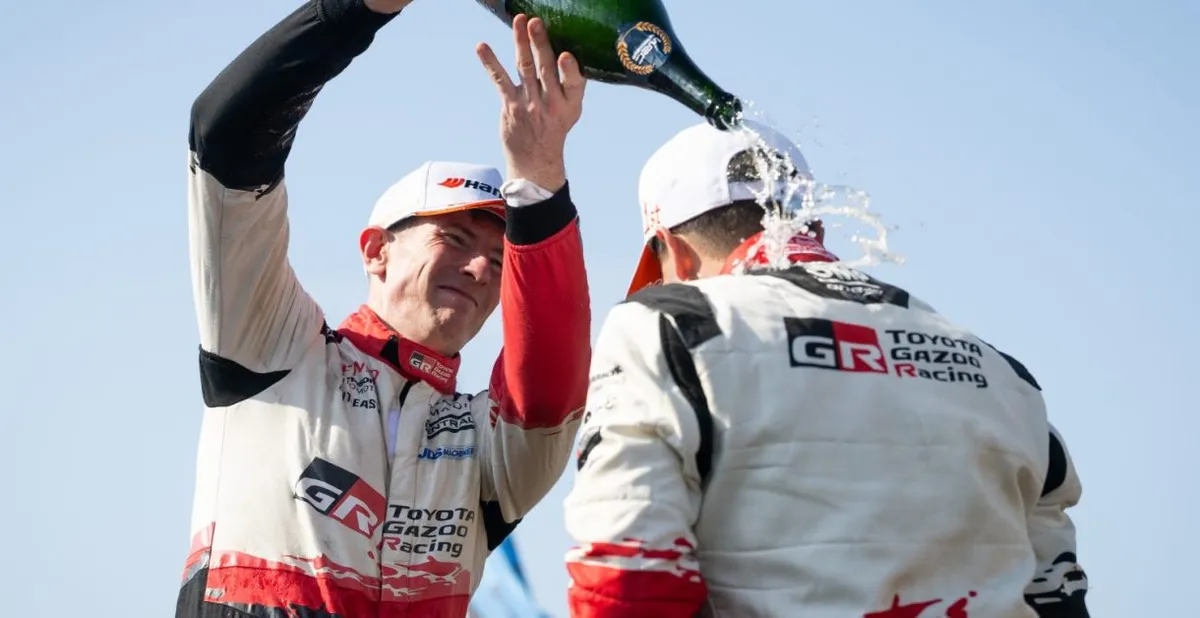
Elfyn Evans rayakan sejarah gelar juara dunia WRC di kampung halamannya di Dolgellau. Simak laporan lengkap dan kisah suksesnya di sini!
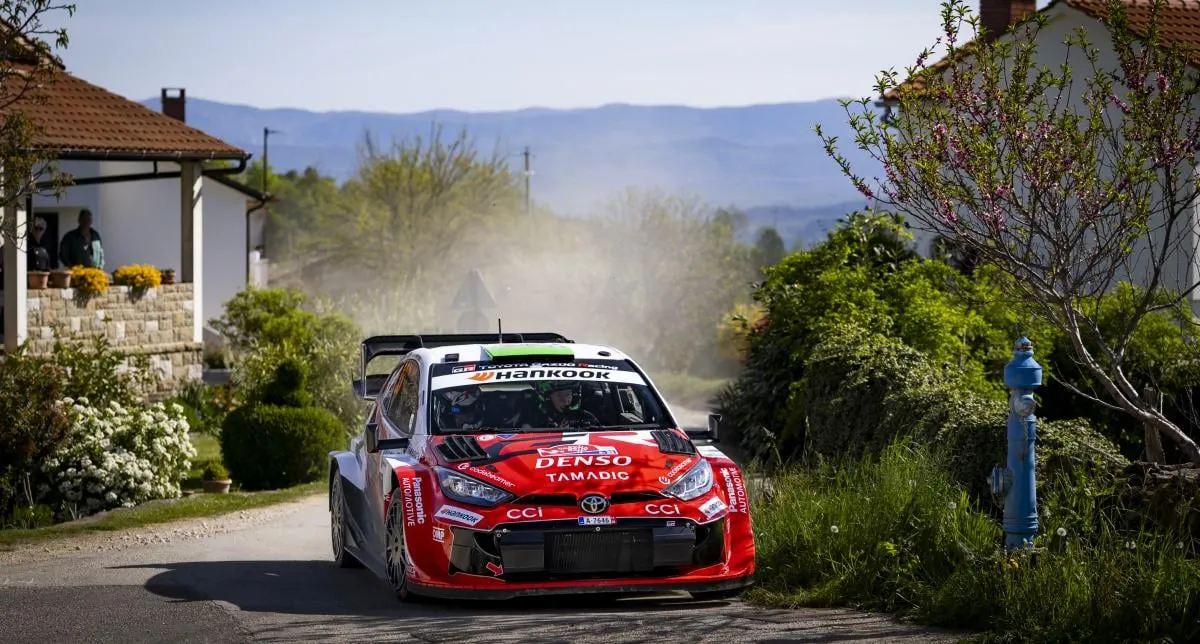
Masa depan WRC di Kroasia terancam setelah 2027 akibat minimnya dukungan dana pemerintah. Simak analisis lengkap dan berita terbarunya di sini!
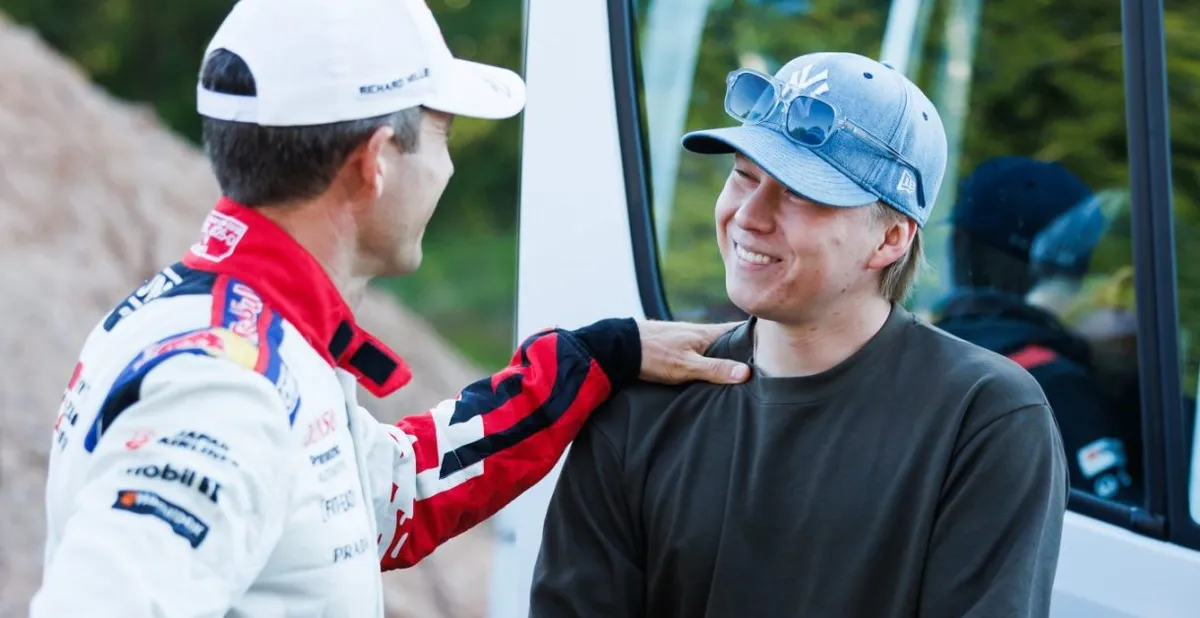
Kalle Rovanpera berpeluang kembali ke WRC 2027 bersama Toyota. Simak analisis lengkap, update diskusi, dan masa depan sang juara dunia di sini.
 Lanjutkan dengan Google
Diskusi & Komentar (0)
Mari Bergabung dalam Diskusi!
Masuk dengan mudah untuk mulai memberikan komentar, membalas, dan berinteraksi dengan pembaca lainnya.
Komentar Terbaru
Belum ada komentar. Jadilah yang pertama!