






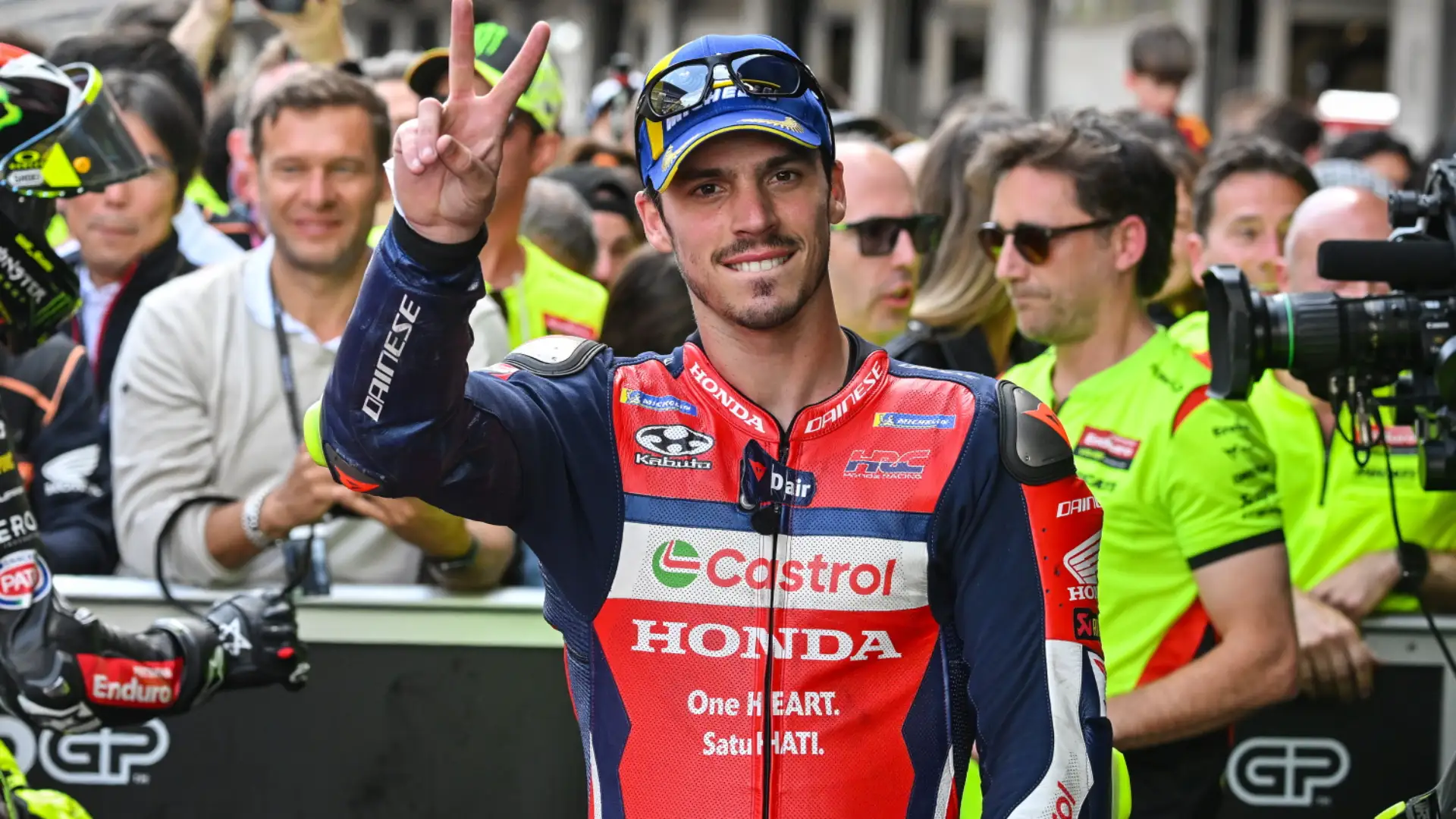

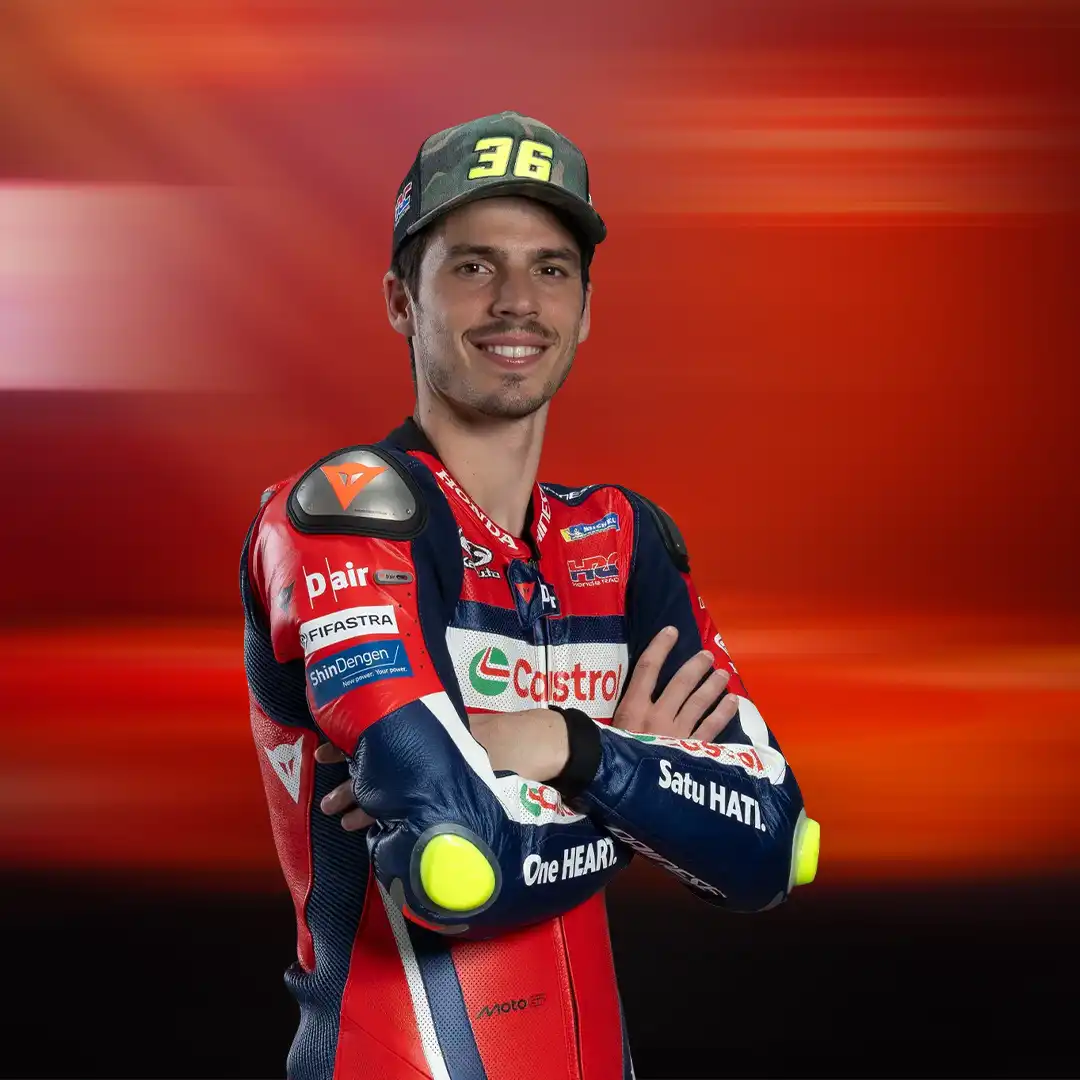
Rider Joan Mir has officially confirmed that he will be leaving the Honda factory team at the conclusion of this season. The announcement was made during the MotoGP Catalan weekend, with Mir revealing that the decision to part ways with the Japanese manufacturer was finalized during the Jerez round in April.
Mir's departure coincides with a broader restructuring of the HRC lineup. While not officially confirmed, reports suggest that Fabio Quartararo has signed to join the factory squad from 2027, with David Alonso also heavily linked to the organization. Mir's move to seek a new environment follows a period of struggle to regain the championship-winning form he displayed with Suzuki in 2020.
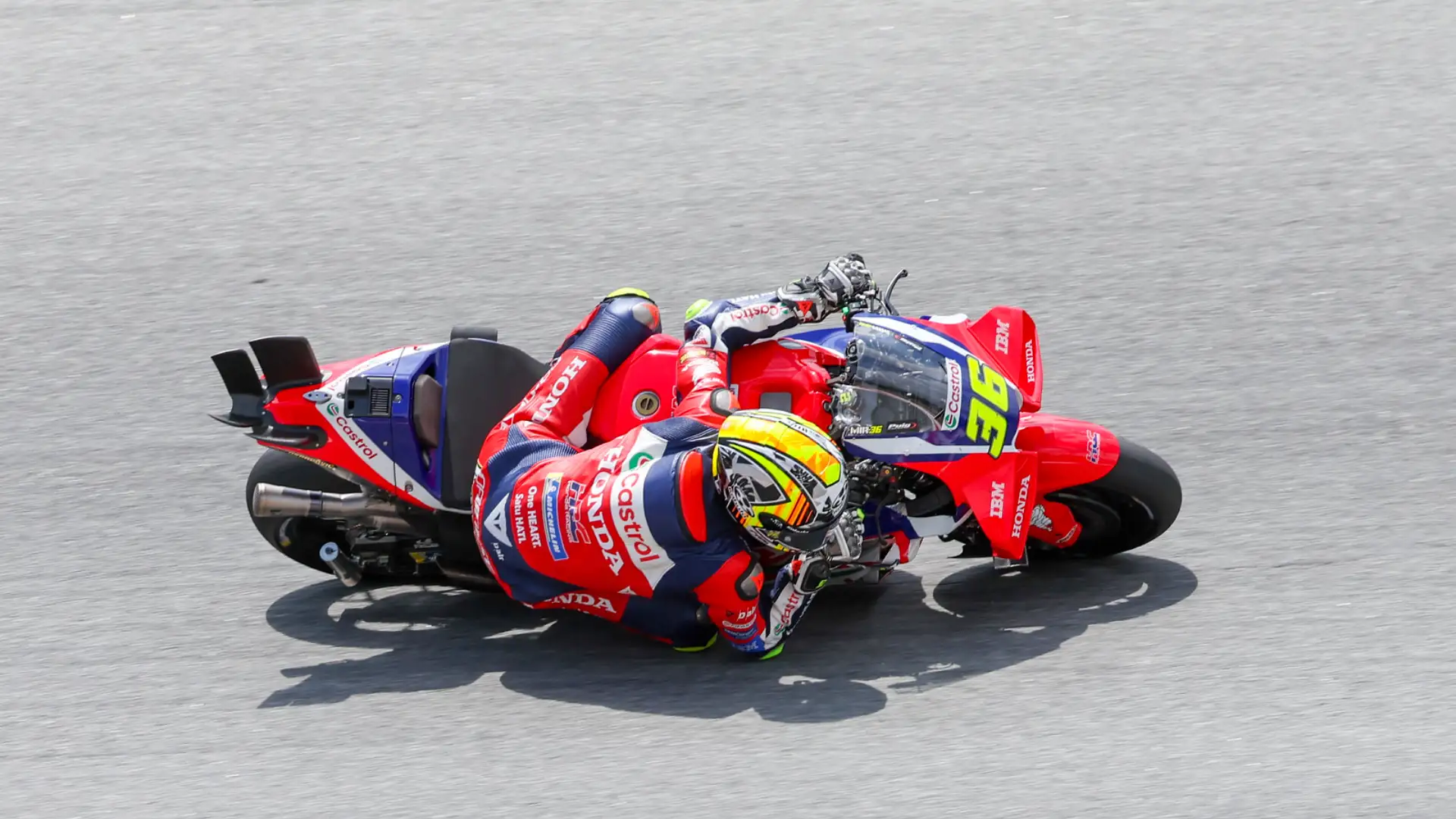
From a technical perspective, the Catalan Grand Prix highlighted a critical vulnerability in Honda's current operational setup. Mir initially secured a second-place finish, which would have marked the factory team's first podium of the 2026 season. However, post-race scrutiny revealed a violation of minimum tire pressure requirements, resulting in a 16-second penalty that dropped the Spaniard to 13th position.
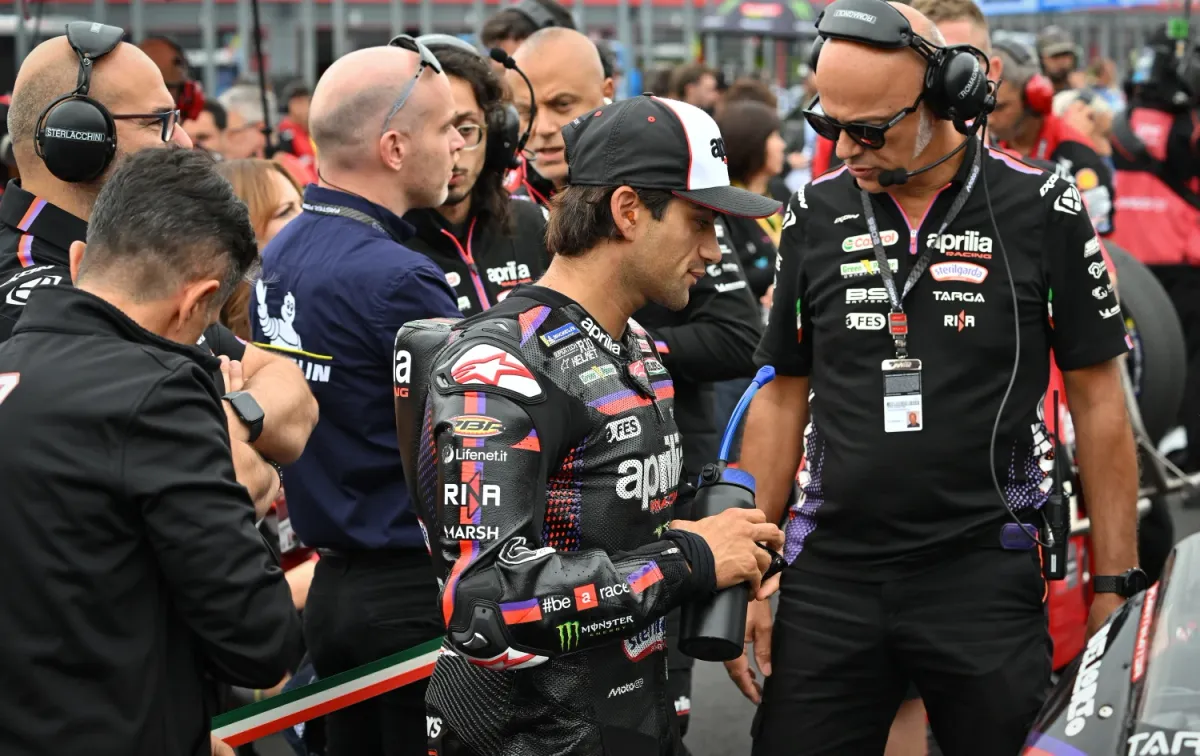
The tire pressure penalty underscores a persistent technical challenge for Honda regarding thermal management and pressure stability. Maintaining the narrow window of required pressure is essential for maximizing the contact patch and ensuring consistent grip during high-load cornering. The failure to adhere to these specifications suggests a struggle in balancing the chassis's mechanical grip with the tire's operating temperature, a deficit that directly impacted the race result.
As a consequence of the penalty, the podium spot was promoted to Francesco Bagnaia of the Ducati Lenovo Team. This result further emphasizes the performance gap between the current RC213V package and the dominant Ducati machinery, particularly in terms of reliability and technical precision under the strict regulatory oversight of the series.
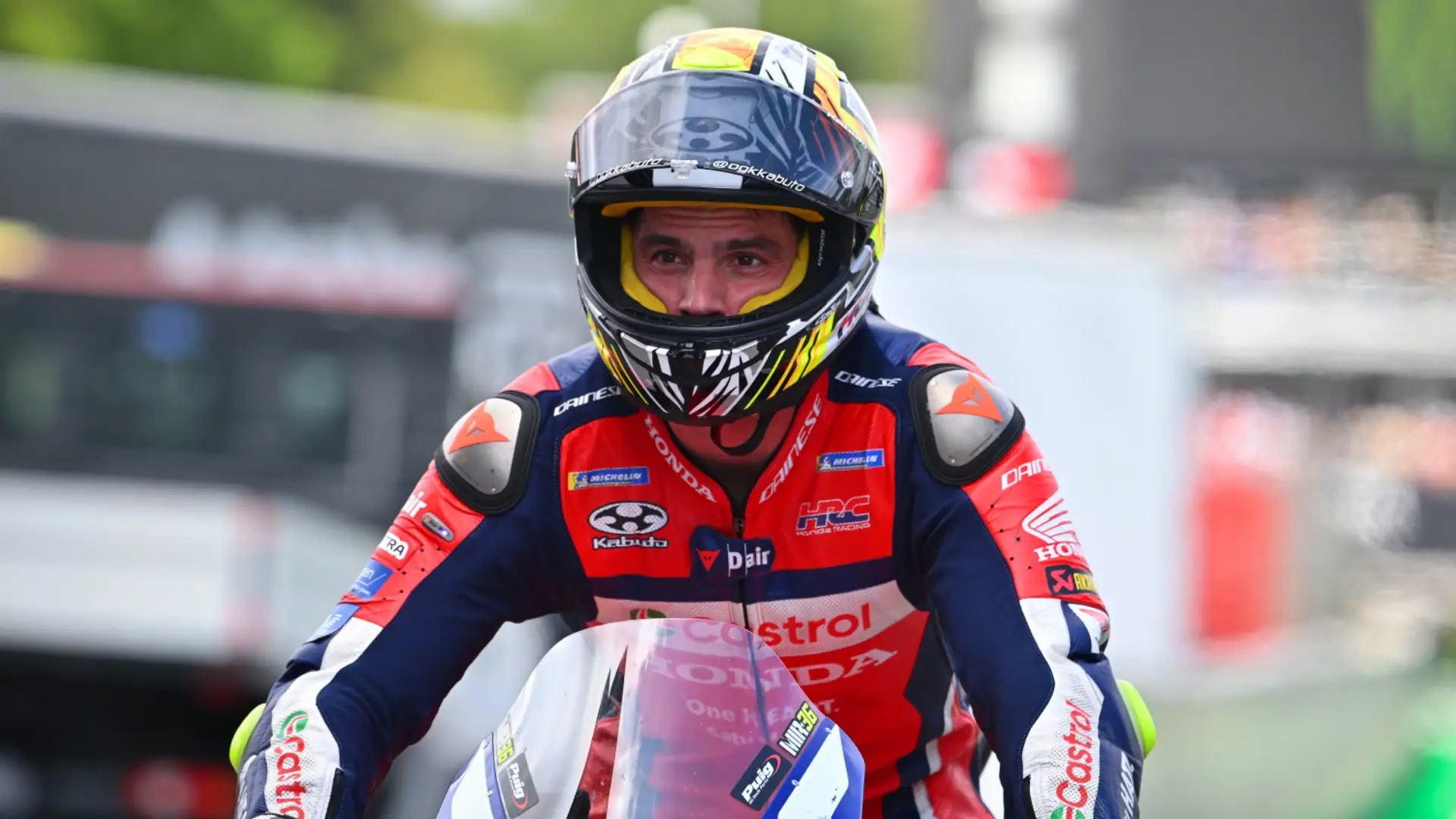
The departure of Mir will require HRC to recalibrate its development trajectory. Without his specific feedback on chassis flexibility and power delivery, the team must integrate new rider data to solve the ongoing issues with tire degradation and aerodynamic instability. This transition phase is critical for Honda to avoid further technical stagnation and to ensure that the next generation of riders can effectively optimize the bike's performance.
Baca Juga
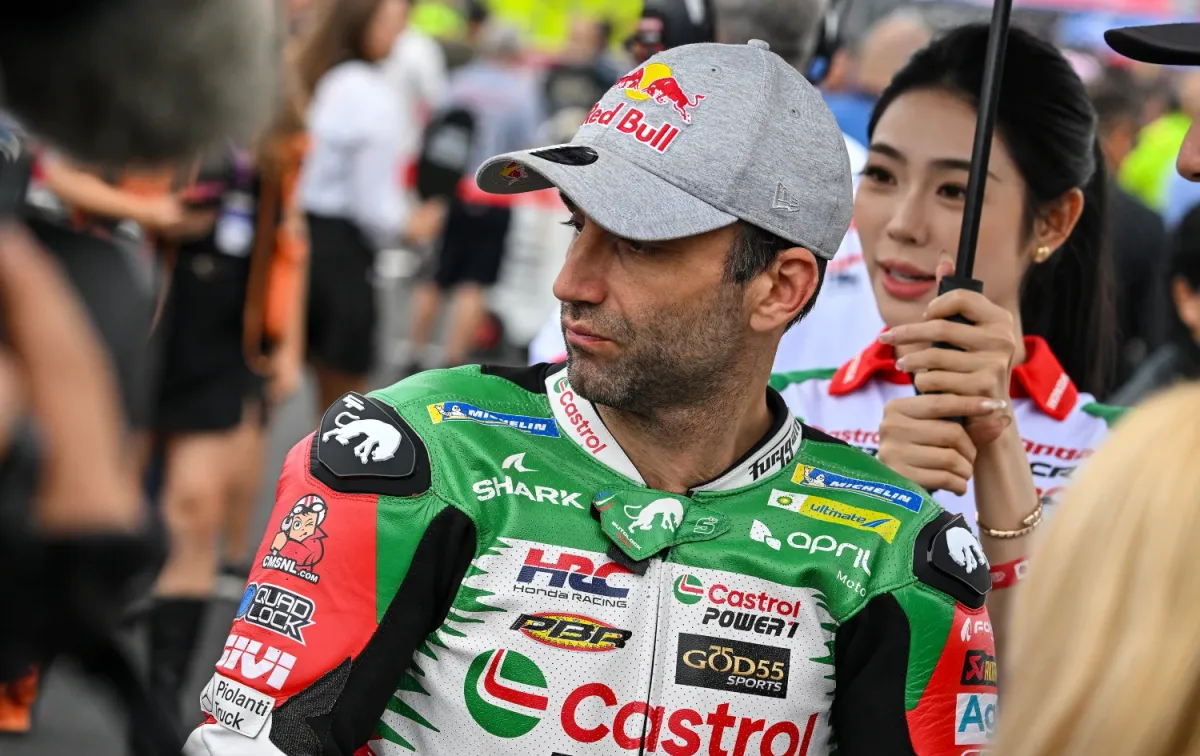
Johann Zarco harus menerima double long lap penalty di MotoGP Jepang setelah melanggar aturan baru terkait larangan menyalakan mesin motor di sisi lintasan.
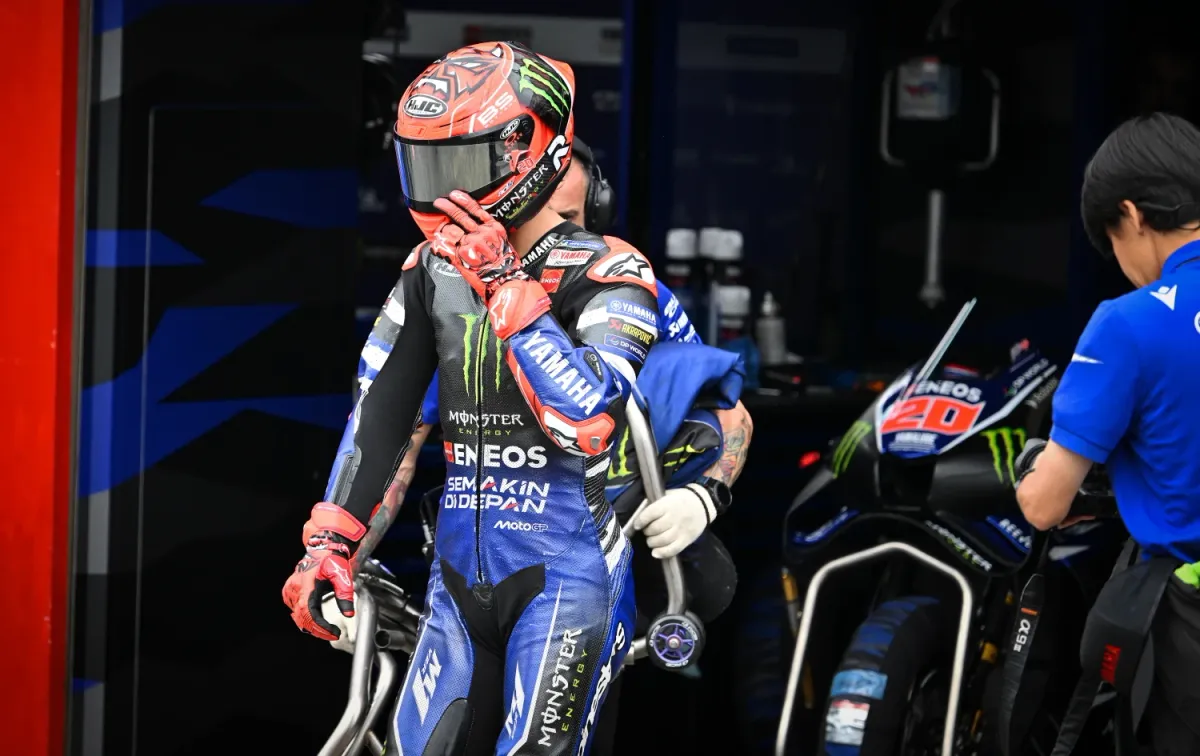
Fabio Quartararo sebut pembalap MotoGP bodoh karena abaikan ban hard di Motegi. Simak ulasan lengkap analisis ban dan masalah bahan bakar Yamaha.
Fabio Di Giannantonio akui kesulitan fisik di MotoGP Jepang usai kecelakaan dengan Alex Marquez pada sesi Sprint di Motegi.
 Lanjutkan dengan Google
Diskusi & Komentar (0)
Mari Bergabung dalam Diskusi!
Masuk dengan mudah untuk mulai memberikan komentar, membalas, dan berinteraksi dengan pembaca lainnya.
Komentar Terbaru
Belum ada komentar. Jadilah yang pertama!