






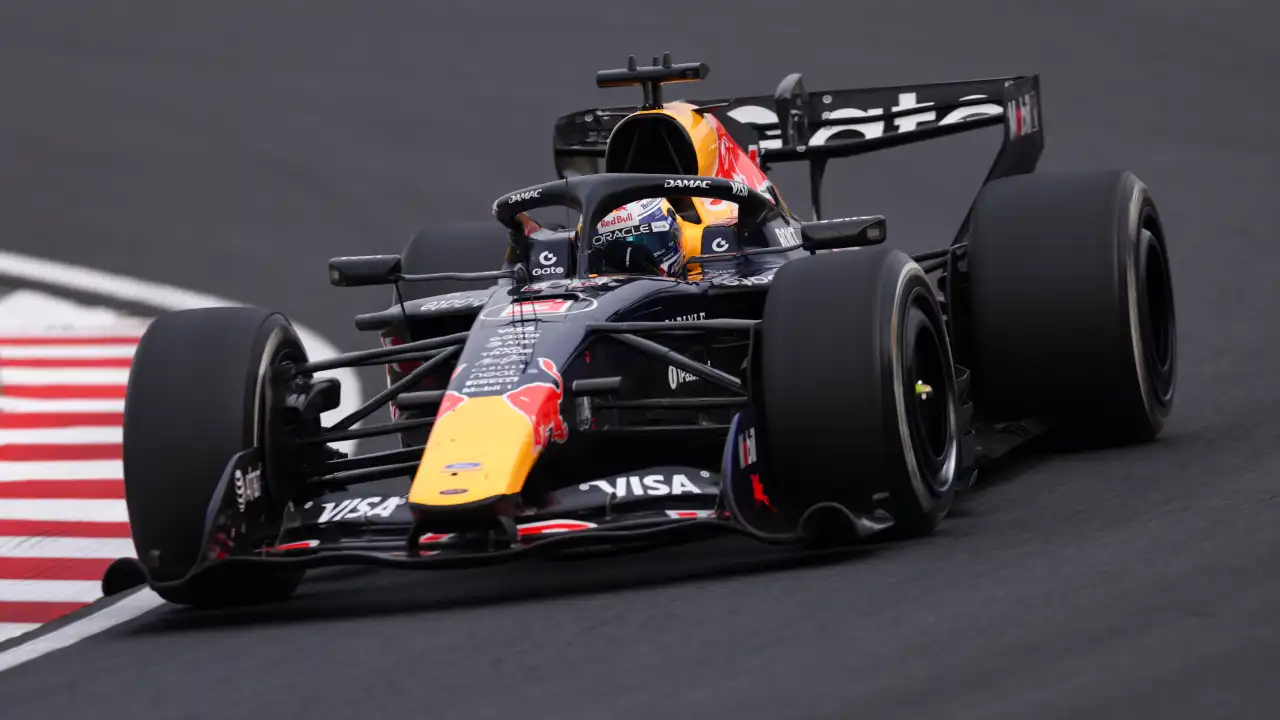

Formula 1, Sportrik Media - Max Verstappen and Oracle Red Bull Racing face mounting performance pressure ahead of the Miami Grand Prix 2026, as the team promises upgrades while carefully managing expectations.
The Milton Keynes-based outfit has experienced a notable drop in competitiveness across the opening three rounds, falling behind key rivals including Mercedes-AMG Petronas Formula One Team, Scuderia Ferrari, and McLaren Formula 1 Team. The Suzuka result, where Verstappen finished only eighth, underlined fundamental issues with aerodynamic balance and overall car consistency, particularly in varying cornering speed conditions.
Team principal Laurent Mekies confirmed that the gap between races will be critical for an in-depth data-driven development phase. This includes correlation work between wind tunnel outputs and simulator findings, with a primary focus on understanding performance losses in specific cornering scenarios where the RB22 package is underdelivering relative to its theoretical capability.
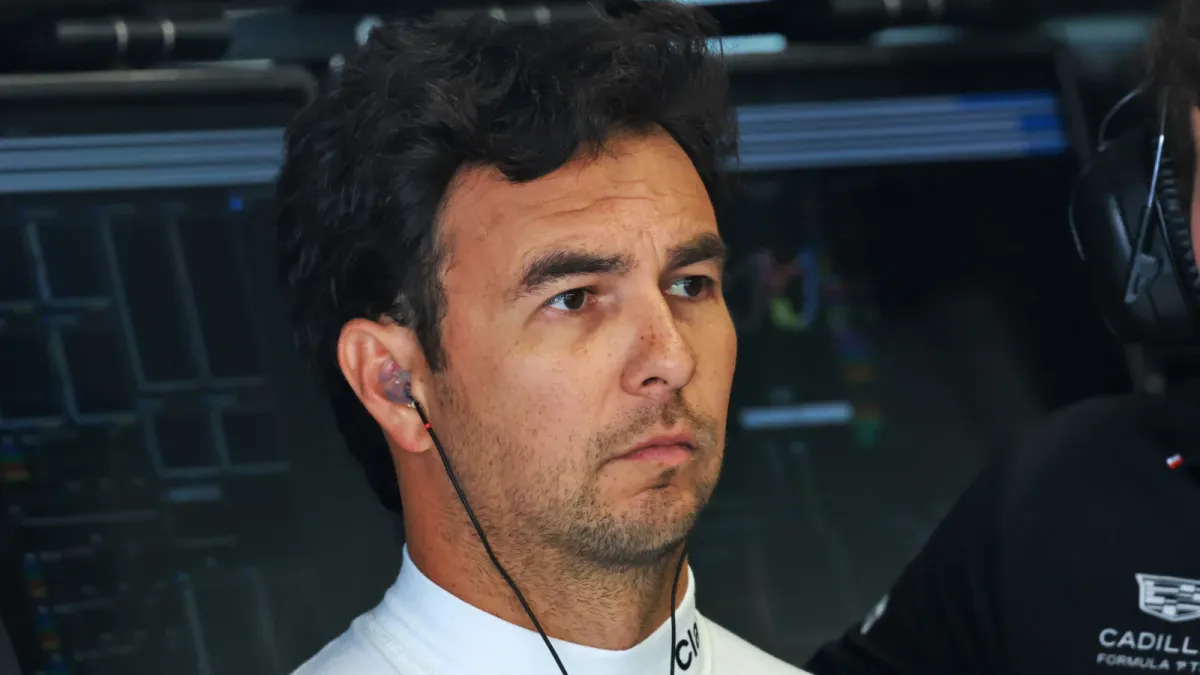
“We are confident we can use this break to make a strong step forward. We need time to deep-dive into our data, simulate what we see back into the tunnel and simulator, and understand sensitivities across conditions,” said Mekies.
However, Mekies firmly rejected any notion of immediate transformation in Miami, emphasizing that the performance deficit—estimated at around one second to the leading teams—cannot be closed instantly and will require a structured development trajectory.
“Does that mean we arrive in Miami and solve everything like a miracle? No. But we expect to start bringing improvements and better understanding our direction,” he added.
Internal analysis also revealed that Red Bull suffered a relative step backward during the Chinese Grand Prix, where the gap to midfield competitors narrowed. This suggests inconsistencies in the car’s operating window, particularly regarding downforce distribution and mechanical response across different corner profiles.
This situation is increasingly critical for Verstappen, who has publicly voiced dissatisfaction with the current generation of Formula 1 cars and even hinted at reconsidering his long-term future beyond the 2026 season. A lack of confidence in the car when pushing at the limit has become a defining constraint on both performance and race execution.
Mekies stressed that the immediate objective is not solely about closing the gap, but restoring driver confidence by delivering a car that can be consistently pushed at its limits.
“We want a car that allows our drivers to push again. Once we achieve that, we can properly measure the gap to our competitors under full performance conditions, and the rest will be development through the season,” he explained.
With a substantial deficit still present to Ferrari and an even larger margin to the current frontrunners, Miami will serve as a critical benchmark for Red Bull’s upgrade package. The evaluation will depend entirely on on-track data and lap time comparisons to determine whether the development direction is fundamentally correct.
The outcome in Miami will not only define Red Bull’s short-term competitiveness but also shape its championship trajectory as the 2026 season approaches its crucial European phase.
Baca Juga
Para pembalap Formula 1 terbelah pendapat mengenai penggunaan rompi pendingin jelang balapan akhir pekan yang panas di Grand Prix Singapura.
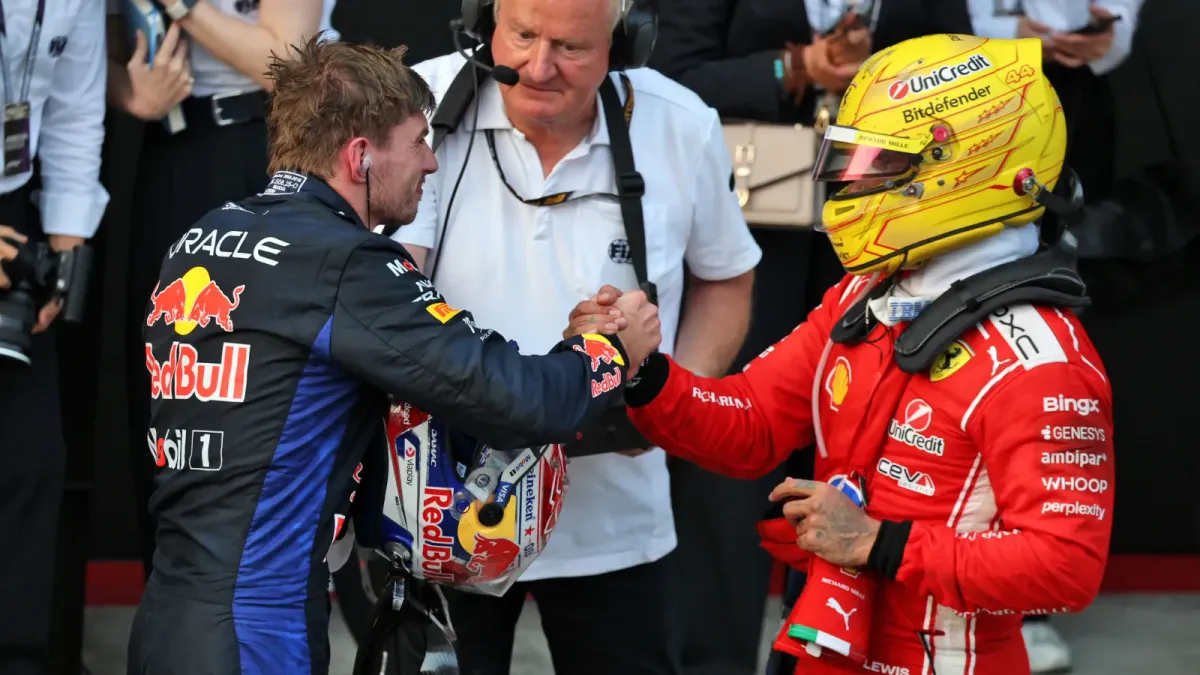
Lewis Hamilton menyesalkan batalnya duel melawan Max Verstappen di Sepang akibat intervensi FIA dalam kondisi trek basah F1.
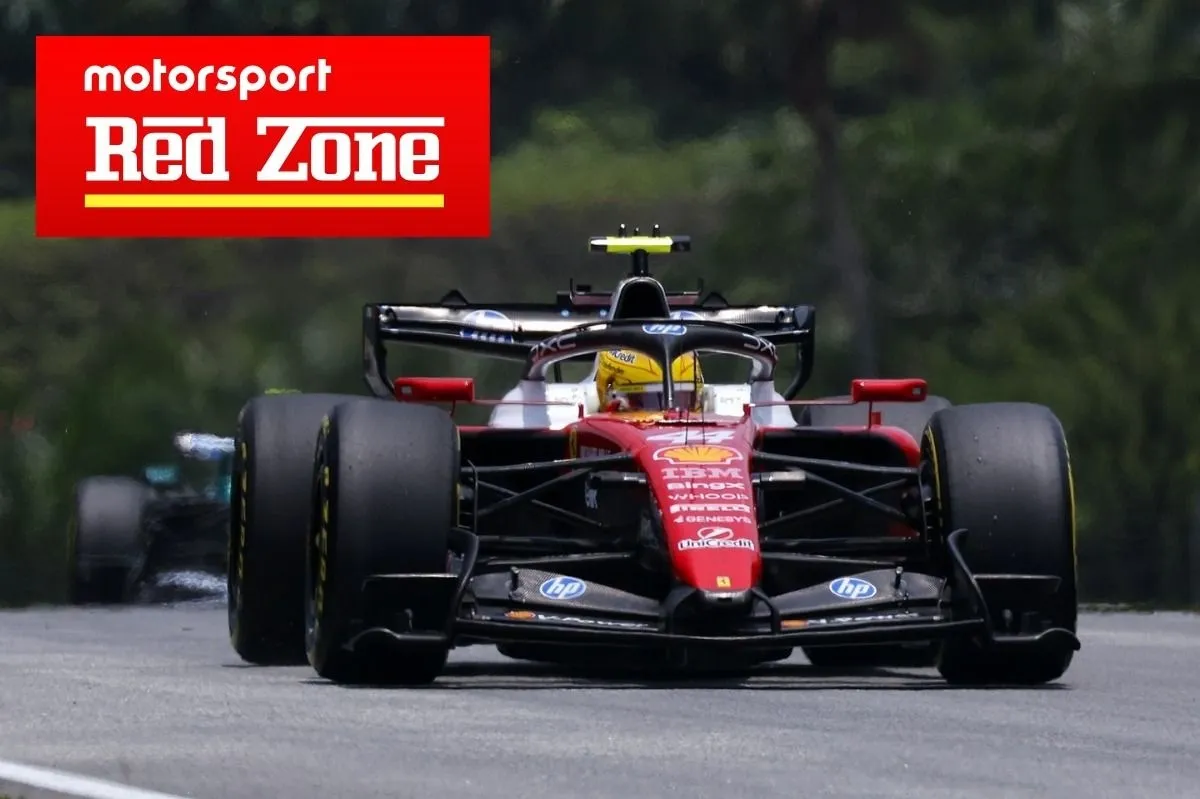
Guenther Steiner mengkritik Ferrari yang dinilai gengsi mengakui kesalahan strategi F1, membuat Lewis Hamilton dan Charles Leclerc rugi di awal balapan.
 Lanjutkan dengan Google
Diskusi & Komentar (0)
Mari Bergabung dalam Diskusi!
Masuk dengan mudah untuk mulai memberikan komentar, membalas, dan berinteraksi dengan pembaca lainnya.
Komentar Terbaru
Belum ada komentar. Jadilah yang pertama!