







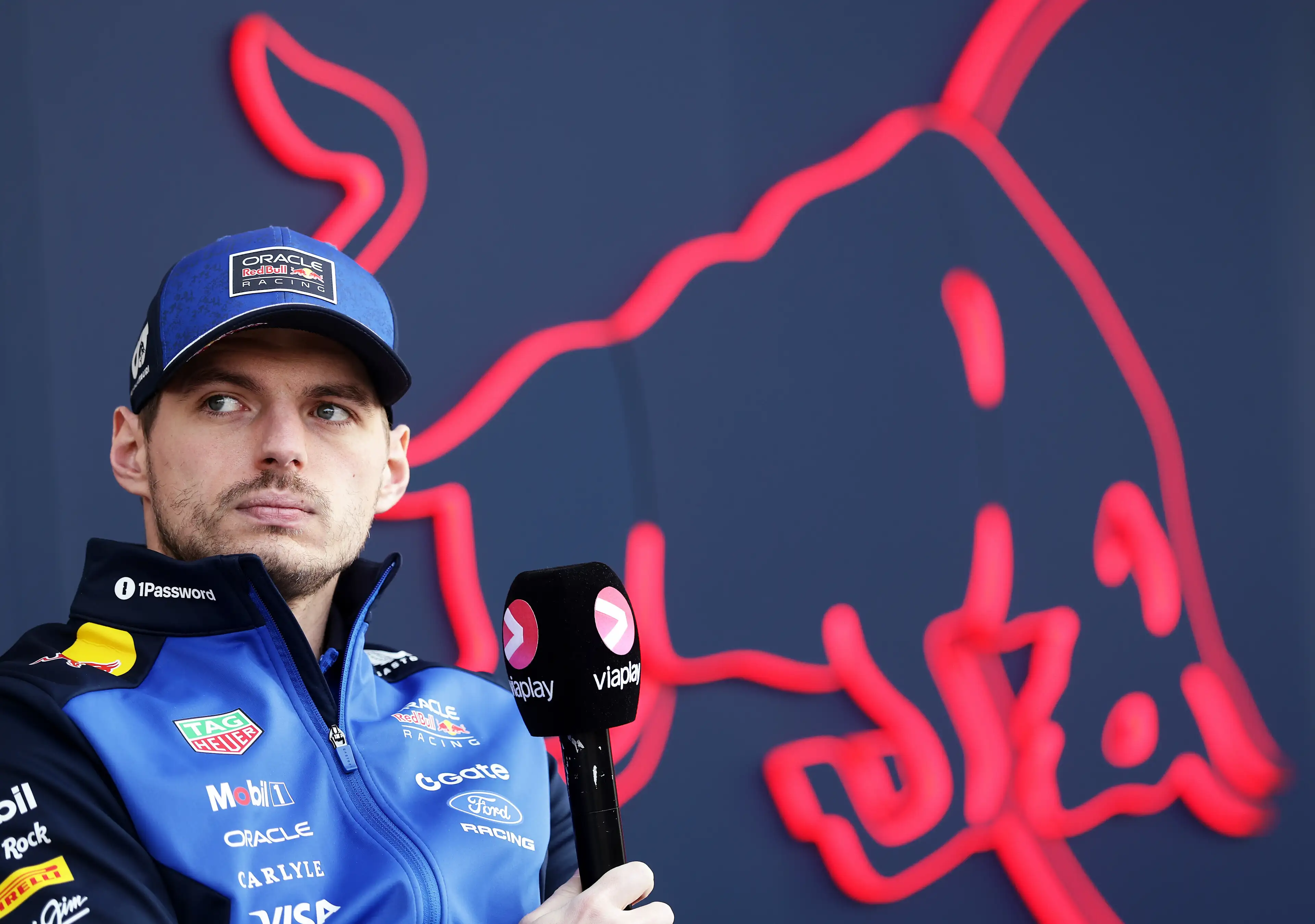

Formula 1, Sportrik Media - Max Verstappen of Oracle Red Bull Racing has once again come into focus after his long-standing criticism of the 2026 Formula 1 regulations gained renewed relevance amid current on-track issues.
With Red Bull struggling at the start of the 2026 season, Verstappen’s comments have often been dismissed as frustration linked to an uncompetitive car. However, his position predates the current situation, having first raised concerns as early as 2023 during a period of dominance.
Following his commanding victory at the 2023 Austrian Grand Prix, Verstappen openly questioned the direction of the upcoming regulations based on simulator data and internal discussions within the team.
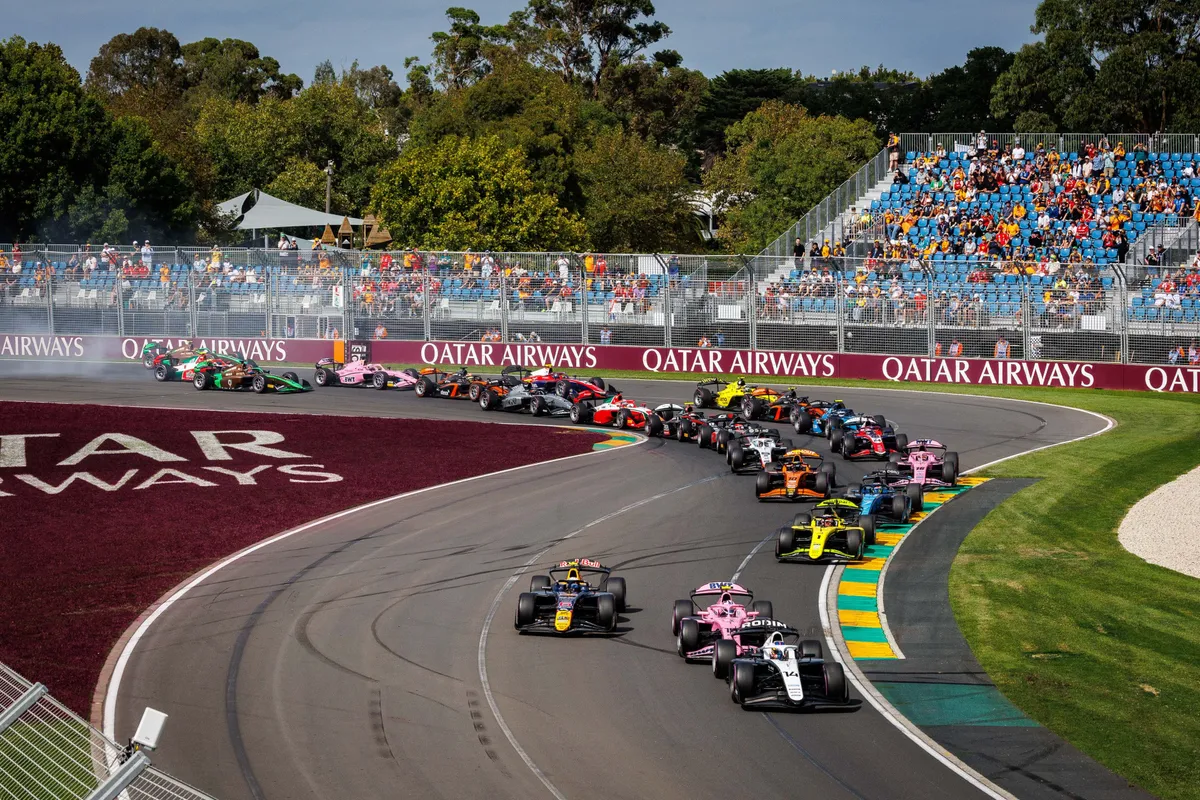
“I’ve been talking about that with the team and I’ve seen the data already on the simulator. To me, it looks pretty terrible,” Verstappen said at the time.
He highlighted the possibility of drivers needing to downshift while flat-out on straights, describing it as counterintuitive and not aligned with the fundamentals of racing performance. He also warned that the regulations could turn Formula 1 into an engine-dominated competition, where manufacturers with the strongest power units would gain a decisive advantage.
According to Verstappen, such a scenario risks triggering an expensive development race among manufacturers, which contradicts the cost-control objectives of modern Formula 1. He further noted that reduced drag levels could make overtaking more difficult on straights.
Beyond the power unit concerns, Verstappen also criticised the concept of active aerodynamics, arguing that systems controlling aerodynamic balance automatically would reduce driver input and make the cars feel unnatural to drive.
“If the system starts to control that for you, I don’t think that’s the right way forward. I prefer to control it myself,” he explained.
Although certain refinements were made to the 2026 regulations—such as lowering the minimum car weight and adapting active aero systems to be driver-controlled in a manner similar to DRS—many of Verstappen’s original concerns have proven valid in practice.
Issues such as extreme energy management requirements, unusual driving techniques, and significant speed differentials between cars have become defining characteristics of the current season.
During the 2023 British Grand Prix media session, Verstappen reinforced his stance, describing the driving style required under the new regulations as unnatural and overly complex.
“It’s just not right that you have to drive the car like that. It looks very weird and overcomplicates a lot of things,” he said.
He also pointed to the political dynamics within Formula 1, suggesting that teams expecting to gain an advantage from the regulations are more likely to support them, regardless of broader implications for the sport.
Verstappen even questioned whether all drivers at the time fully understood the implications of the 2026 rules, given their technical complexity.
Now, with multiple drivers voicing similar concerns during the 2026 season—particularly regarding energy management and safety—his earlier warnings are increasingly being validated within the paddock.
This development indicates that ongoing evaluation of the 2026 regulations may be necessary, as Formula 1 seeks to balance technological innovation with driver experience and the quality of racing.
Baca Juga
George Russell terancam penalti grid di F1 GP Singapura usai mengalami kerusakan mesin di Sepang, memperberat peluangnya mengejar Kimi Antonelli.
Naomi Schiff memperingatkan masalah unit daya Mercedes bisa merugikan Kimi Antonelli dan mengancam peluang juara dunia F1 musim ini.
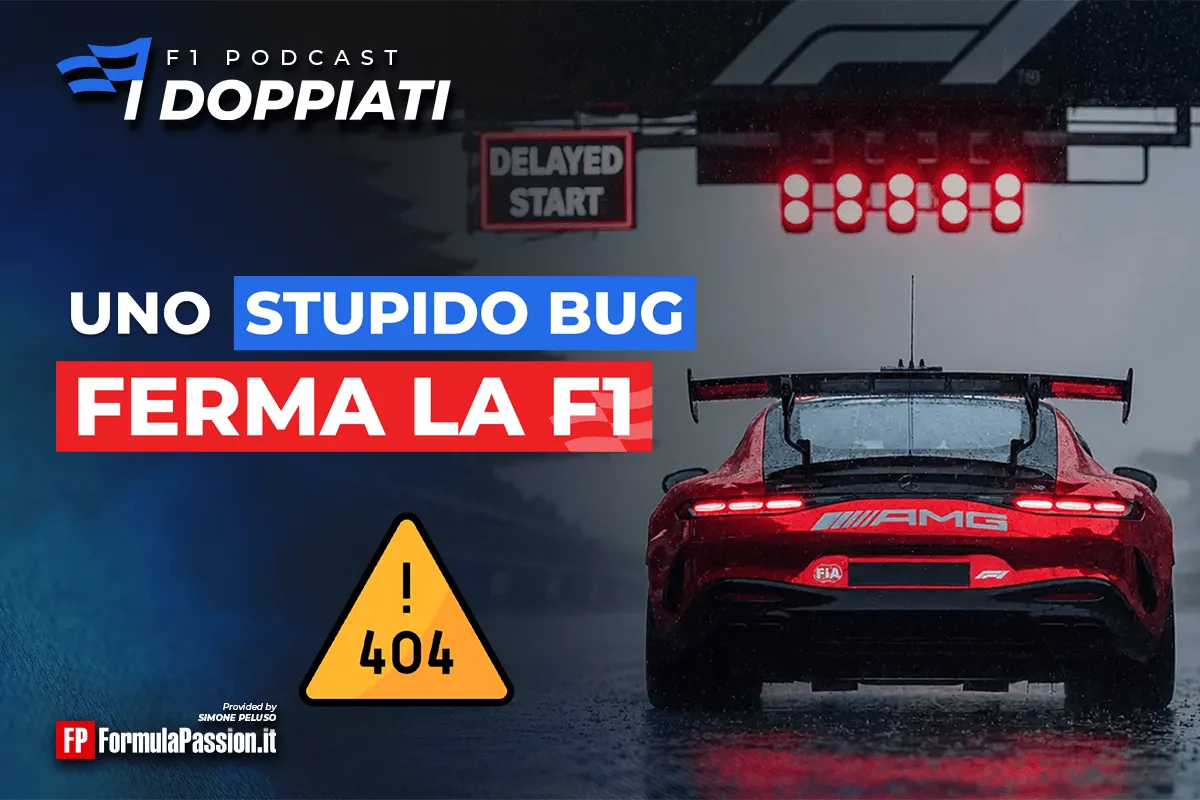
Kupas tuntas insiden bug software yang hentikan start F1 Bahrain. Analisis mendalam teknis unit daya dan evaluasi sistem elektronik.
 Lanjutkan dengan Google
Diskusi & Komentar (0)
Mari Bergabung dalam Diskusi!
Masuk dengan mudah untuk mulai memberikan komentar, membalas, dan berinteraksi dengan pembaca lainnya.
Komentar Terbaru
Belum ada komentar. Jadilah yang pertama!