








Formula 1, Sportrik Media – Max Verstappen has reignited uncertainty over his Formula 1 future after experiencing the new 2026 machinery, suggesting the direction of the regulations does not align with his vision of the sport.
The 2026 cars feature sweeping aerodynamic revisions and a restructured power unit formula, with a 50-50 split between internal combustion and electrical output. That balance has placed energy harvesting and deployment at the centre of performance strategy, requiring drivers to compromise cornering speed in order to optimise straight-line acceleration.
Driving for Red Bull Racing, Verstappen acknowledged that adaptation is part of a driver’s role, but questioned whether the style of driving now required fits within Formula 1’s traditional competitive framework.
“As a driver, you adapt everywhere, so you just have to put up with it,” Verstappen told select media including RacingNews365.
“But in my head that’s not F1-worthy, that we have to drive like that.”
“In certain corners on certain circuits, it is better to go a little slower in order to regain more energy for the straight. Sorry, but that belongs in Formula E.”
Verstappen has previously voiced concerns over Formula 1’s broader trajectory, including the expanding race calendar and sprint format. His latest comments indicate that enjoyment behind the wheel of the 2026 cars could become a decisive factor in determining how long he remains in the championship.
“It doesn’t matter if it’s very complicated or not, I know I can do it anyway. That’s not the problem. It’s just not fun to drive.”
“If you have already won and achieved everything, then it all really doesn’t have to happen anymore.”
“There are lots of other fun things you can do. And that’s also what I’m definitely going to do. Maybe already this year and in the years to come. And this certainly doesn’t help to continue for a very long time.”
Verstappen’s remarks underline the broader debate surrounding the 2026 regulations, as Formula 1 balances technological evolution with driver engagement. How teams and drivers adapt to the energy-centric framework may ultimately shape not only competitive outcomes, but also the long-term commitment of its leading stars.
Baca Juga
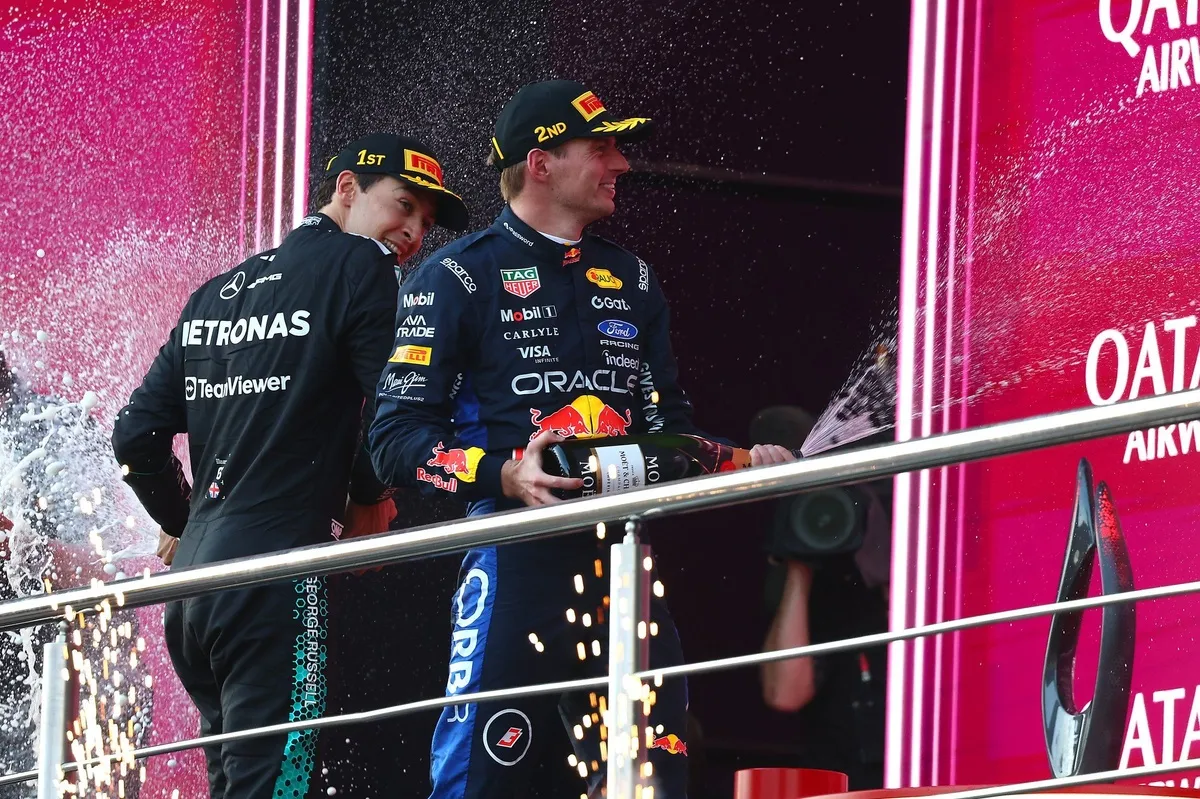
Analisis duel Max Verstappen vs George Russell di F1 Azerbaijan: strategi, safety car, dan finis terketat 0,196 detik.
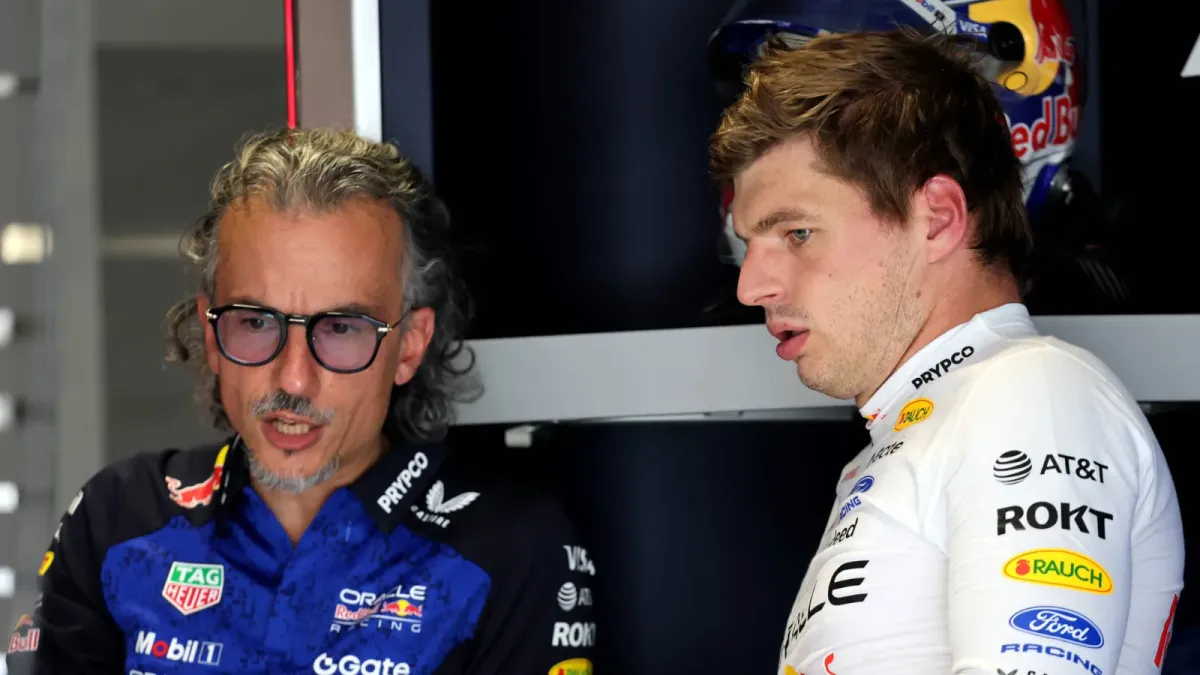
Max Verstappen dan Laurent Mekies berbeda pendapat soal potensi penalti mesin Red Bull setelah GP Azerbaijan. Simak analisis lengkapnya di Sportrik.
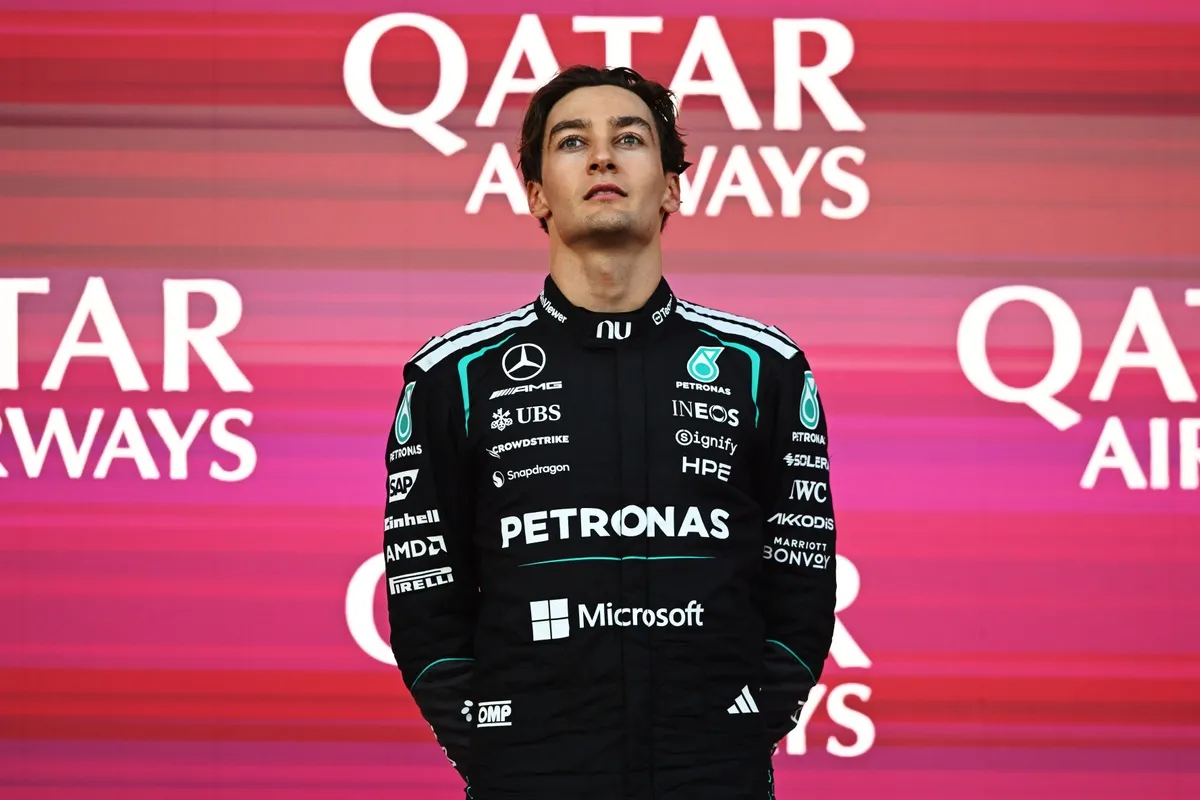
George Russell dominasi GP Azerbaijan, menang dan pole. James Hinchcliffe bertanya apakah Russell telah 'memecahkan kode' performa Mercedes. Simak analisisnya.
 Lanjutkan dengan Google
Diskusi & Komentar (0)
Mari Bergabung dalam Diskusi!
Masuk dengan mudah untuk mulai memberikan komentar, membalas, dan berinteraksi dengan pembaca lainnya.
Komentar Terbaru
Belum ada komentar. Jadilah yang pertama!