






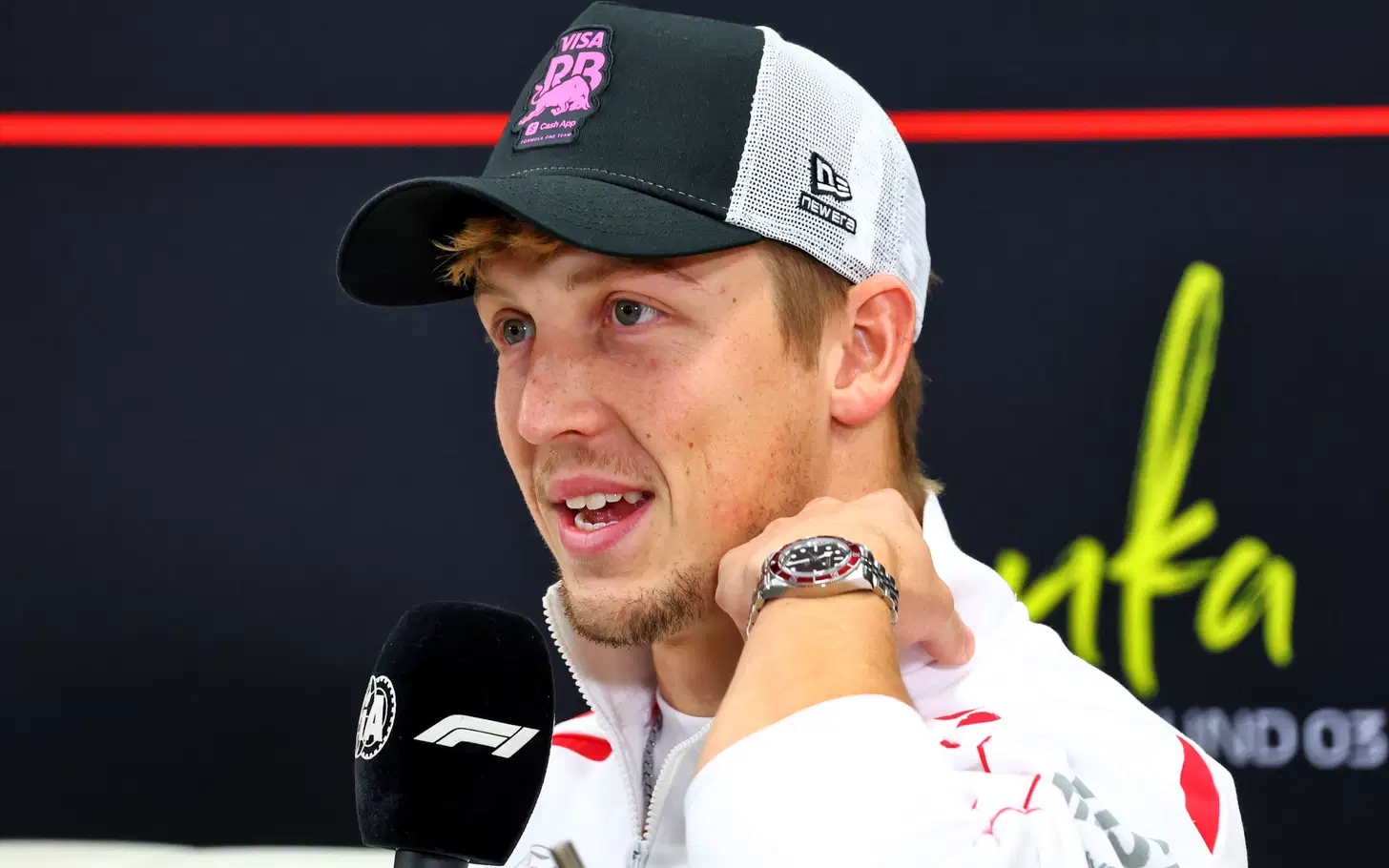

Formula 1, Sportrik Media - Liam Lawson of Visa Cash App RB has outlined the growing complexity of Formula 1 qualifying in 2026, describing a format that significantly increases the mental workload for drivers due to fundamental changes in energy management.
The revised power unit regulations, particularly the limitations on battery energy deployment, have reshaped how drivers approach a single qualifying lap. With insufficient energy available to complete a full lap at maximum performance, drivers must now carefully distribute energy usage across different sectors, especially those requiring high acceleration.
Energy Regulation Changes Redefine Qualifying Approach
At the Japanese Grand Prix in Suzuka, the available energy allocation was reduced from 9MJ to 8MJ. This adjustment was intended to limit lift and coast techniques and reduce super clipping, both of which previously created large speed differentials on straights.
However, the regulation has introduced new challenges. Instead of enhancing consistency, drivers are forced to abandon the traditional flat-out approach. Qualifying has evolved into a discipline focused on energy efficiency rather than pure performance extraction.
Lawson emphasized that this shift has created a driving style that feels unnatural and counterintuitive to the instincts of a Formula 1 driver.
“It is not like it used to be, it is quite different, and in some cases quite frustrating when you are trying to extract everything from the corners,” Lawson explained.
Performance Versus Energy Efficiency Trade-Off
In practical terms, drivers now face a complex trade-off between gaining lap time through cornering speed and preserving energy for the straights. Lawson highlighted that pushing harder in corners can be counterproductive due to increased energy consumption.
“You are finding time through the corners, but you are using more energy, and then you end up being slower because you are trying to find the balance and drive under the limit,” he said.
This dynamic illustrates that lap time optimization is no longer solely dependent on peak speed, but on precise energy distribution throughout the lap. Drivers must strategically compromise in certain areas to maximize overall performance.
The situation also increases reliance on team communication and pre-session simulations, as optimal energy deployment strategies must be calculated and executed with precision.
Mental Demands and Driver Adaptation
Lawson identified the mental aspect as the most demanding consequence of the new system. Unlike traditional qualifying, where drivers aim to push to the absolute limit, they must now process multiple variables simultaneously while maintaining discipline.
“It is extremely tough mentally because in qualifying you are trying to go as fast as you can, so it is about trusting the methods and following them,” he stated.
Drivers also face uncertainty when evaluating their own performance. A lap that feels at the limit may not actually be optimal if excessive energy has been used in earlier sectors.
“Sometimes you feel like you are on the limit, but you have actually used too much energy in the corners,” Lawson added.
This highlights a shift away from instinct-driven driving toward a more data-driven and controlled approach.
Implications for F1 Regulations
Lawson’s comments reflect a broader sentiment within the paddock regarding the direction of the 2026 Formula 1 regulations. While the emphasis on energy efficiency and sustainability remains central, the impact on racing quality and driver experience has become increasingly evident.
The evolving qualifying format risks reducing the traditional spectacle of drivers pushing at maximum performance, replacing it with a more calculated and constrained execution.
With growing feedback from drivers, Federation Internationale de l'Automobile and other stakeholders are expected to continue evaluating the current framework.
As Formula 1 progresses through the 2026 season, balancing technological innovation with the core competitive identity of the sport will be essential. The effectiveness of these regulations will ultimately depend on how quickly and accurately adjustments can be made in response to real-world feedback from drivers and teams.
Baca Juga
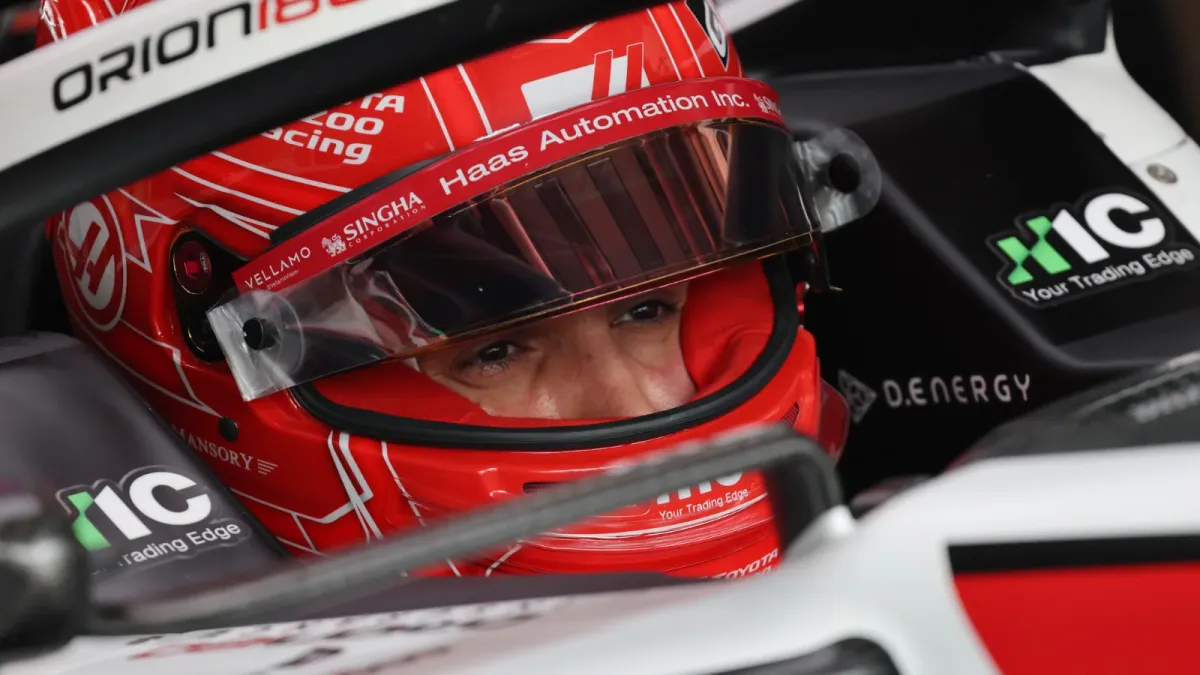
Esteban Ocon samakan glitch perangkat lunak FIA di Formula 1 dengan restart Windows setelah masalah teknis paksa mobil berhenti di Sepang.
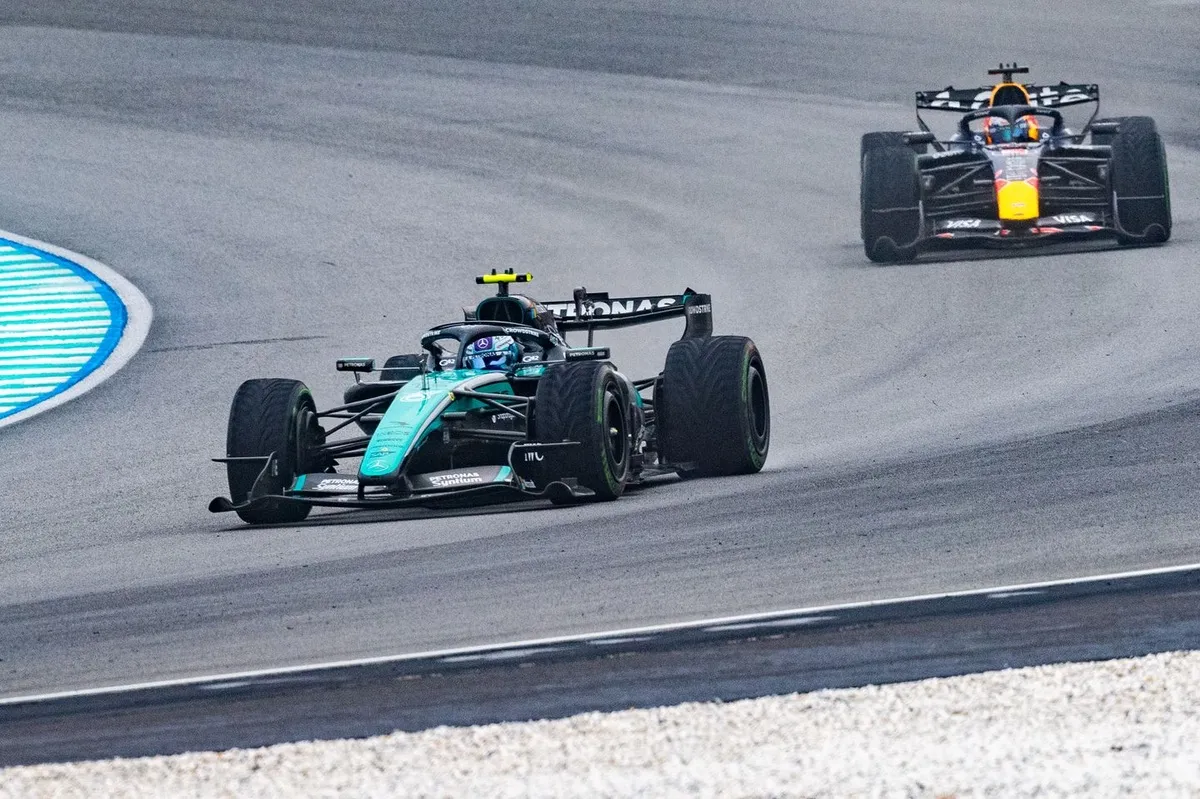
Laurent Mekies sebut Red Bull Racing harus realistis soal peluang menang F1 secara konsisten meski sukses menaklukkan GP Malaysia bersama Max Verstappen.
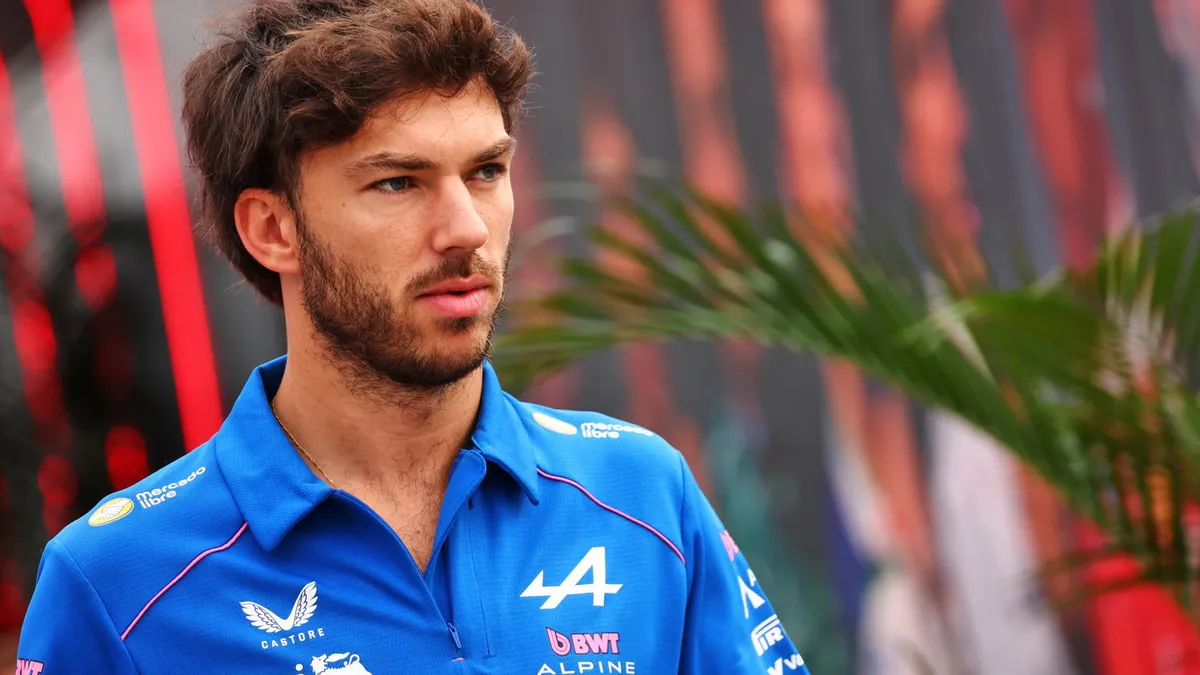
Pierre Gasly kecewa berat usai rival F1 Racing Bulls disebut mendapat poin gratis di Sepang, membuat jarak klasemen semakin melebar.
 Lanjutkan dengan Google
Diskusi & Komentar (0)
Mari Bergabung dalam Diskusi!
Masuk dengan mudah untuk mulai memberikan komentar, membalas, dan berinteraksi dengan pembaca lainnya.
Komentar Terbaru
Belum ada komentar. Jadilah yang pertama!