







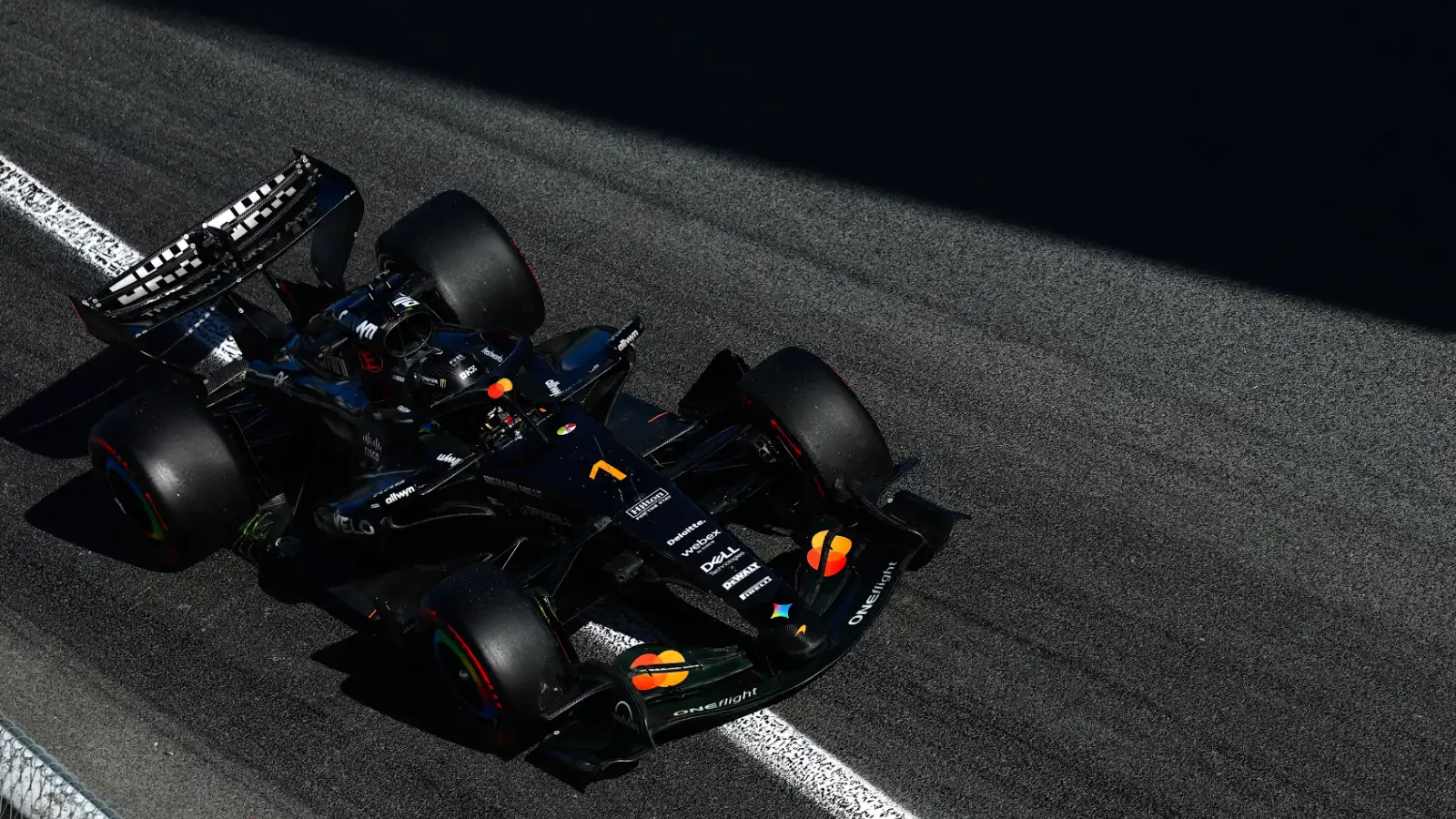

Formula 1, Sportrik Media - Lando Norris believes Formula 1 races in 2026 are likely to become more chaotic and unpredictable following the introduction of the sport’s new generation of cars and power units.
Norris enters the new season as the reigning world champion, although early paddock attention was drawn to Mercedes after its performance during last week’s Barcelona running. McLaren, however, stressed that its own participation in the test was treated purely as a shakedown, with no emphasis placed on outright pace while adapting to the revised regulations.
One of the most significant changes concerns the power unit, with electrical output now increased to a level comparable to the internal combustion engine. This shift gives drivers far more strategic options in how and when energy is deployed during a lap, fundamentally altering racing dynamics.
“What you are going to see is generally almost more chaotic racing, depending on when people use the boost button and at what times,” Norris said.
“There are a lot of straights and places, even at Barcelona, where you would not normally deploy the battery much, for example between Turn Five and Turn Seven. But if you use boost there, you gain a good amount of horsepower and can overtake someone into Turn Seven, which you would never normally see.”
Norris also highlighted the trade off that comes with aggressive energy use, as deploying extra power in one phase of the lap can leave drivers vulnerable shortly afterwards.
“The only thing is then you are really down on energy heading to Turn Ten,” he explained.
“You will be able to force people into different positions and create racing in ways you have not really been able to before. I think that can be a better thing.”
During the Barcelona shakedown, Norris experimented with various deployment modes to better understand their consequences over multiple corners and laps.
“A lot of the testing is just trying things, even pressing the boost when you would never normally do it, just to see what happens,” he said.
“Then you have to understand how you drive the next lap or the next few corners to recover everything.”
While Norris admitted he does not yet have a clear picture of how the new cars will behave in close following situations, he believes further testing will provide more clarity.
“I would not say I have the best feeling yet for close racing,” he added.
“It did not feel too bad, but it is hard to say if it was much better or worse than last year. In Bahrain, we will probably try a bit more of that.”
With major technical changes reshaping both car performance and driver decision making, Norris expects races in 2026 to be defined increasingly by timing, energy management, and adaptability. As teams continue to explore the limits of the new regulations, Formula 1 appears set for a season where strategic complexity plays a larger role than ever before.
Baca Juga
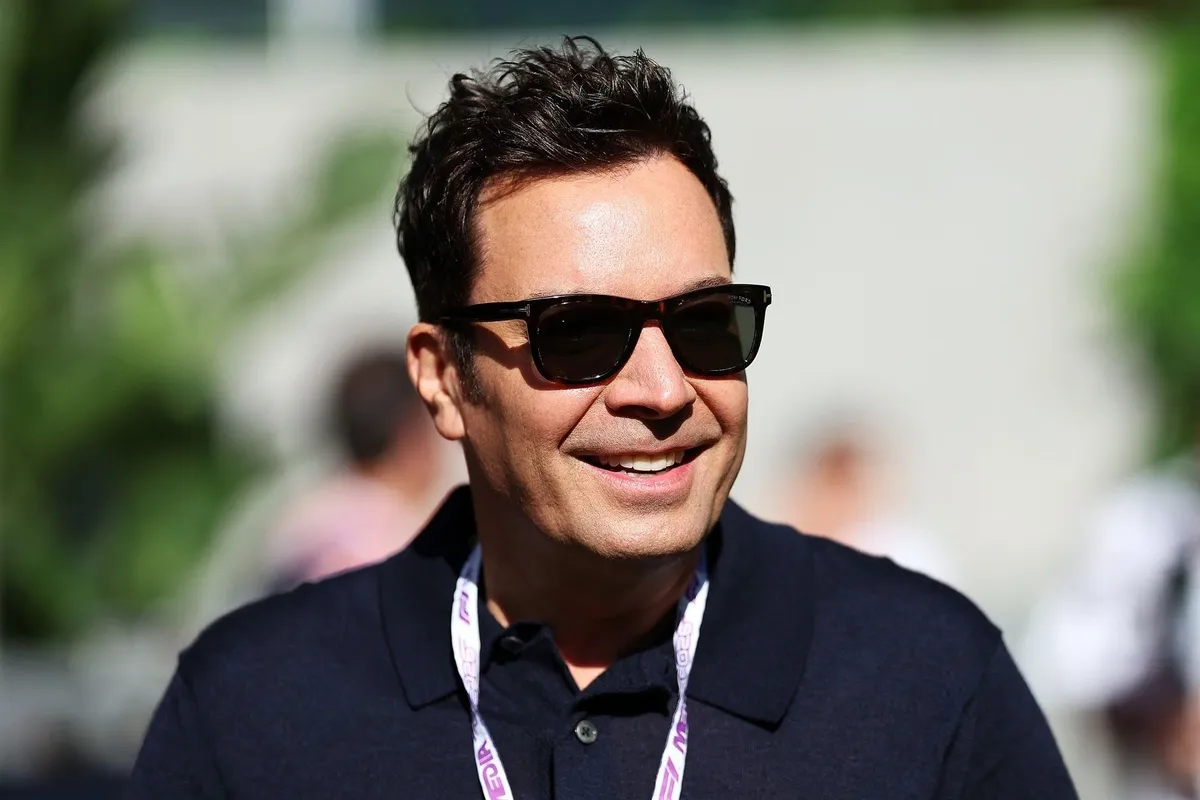
Stefano Domenicali ceritakan lelucon Jimmy Fallon di makan malam GP Miami: pizza dikirim ke restoran Michelin, lengkap dengan catatan lucu.

Formula 1 hampir menyentuh 1 miliar fans global. Stefano Domenicali soroti pertumbuhan audiens wanita dan strategi ekspansi di AS.
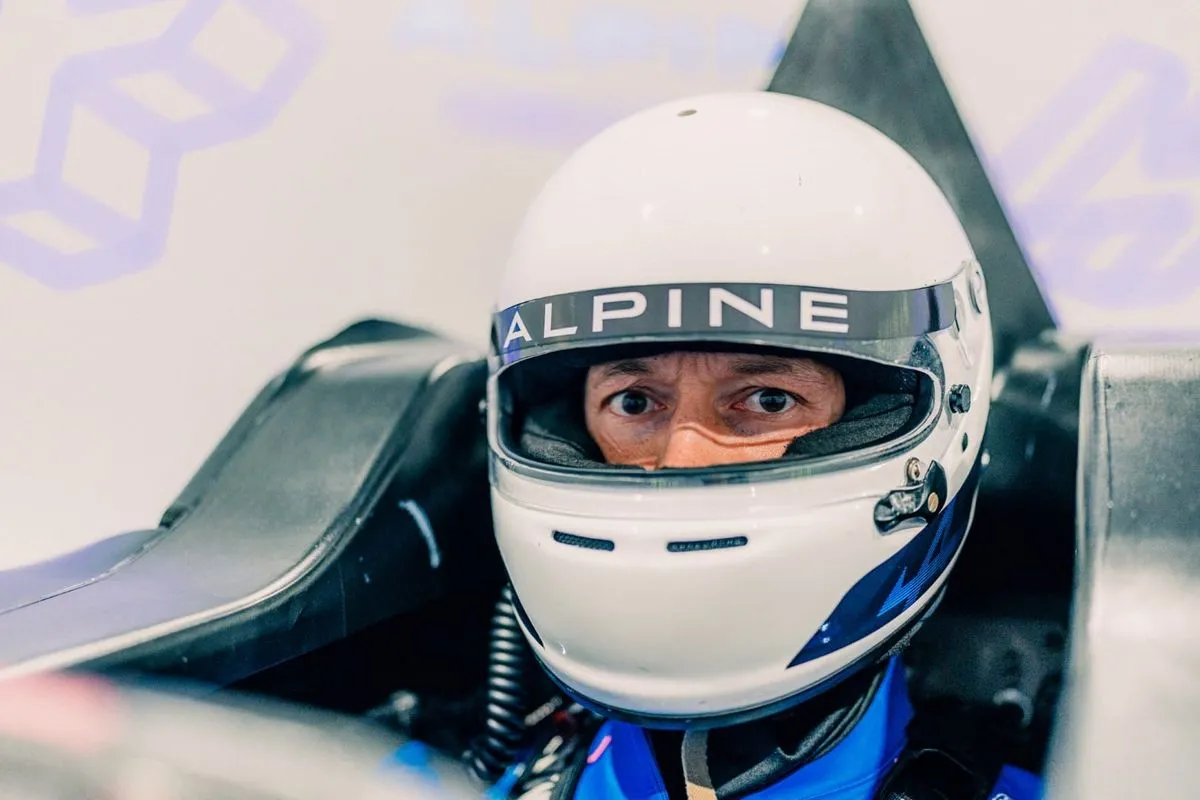
Alpine mengungkap peran tersembunyi Daniil Kvyat sebagai driver simulator yang membantu kebangkitan tim di F1 2026, termasuk turnaround di Jepang dan Kanada.
 Lanjutkan dengan Google
Diskusi & Komentar (0)
Mari Bergabung dalam Diskusi!
Masuk dengan mudah untuk mulai memberikan komentar, membalas, dan berinteraksi dengan pembaca lainnya.
Komentar Terbaru
Belum ada komentar. Jadilah yang pertama!