






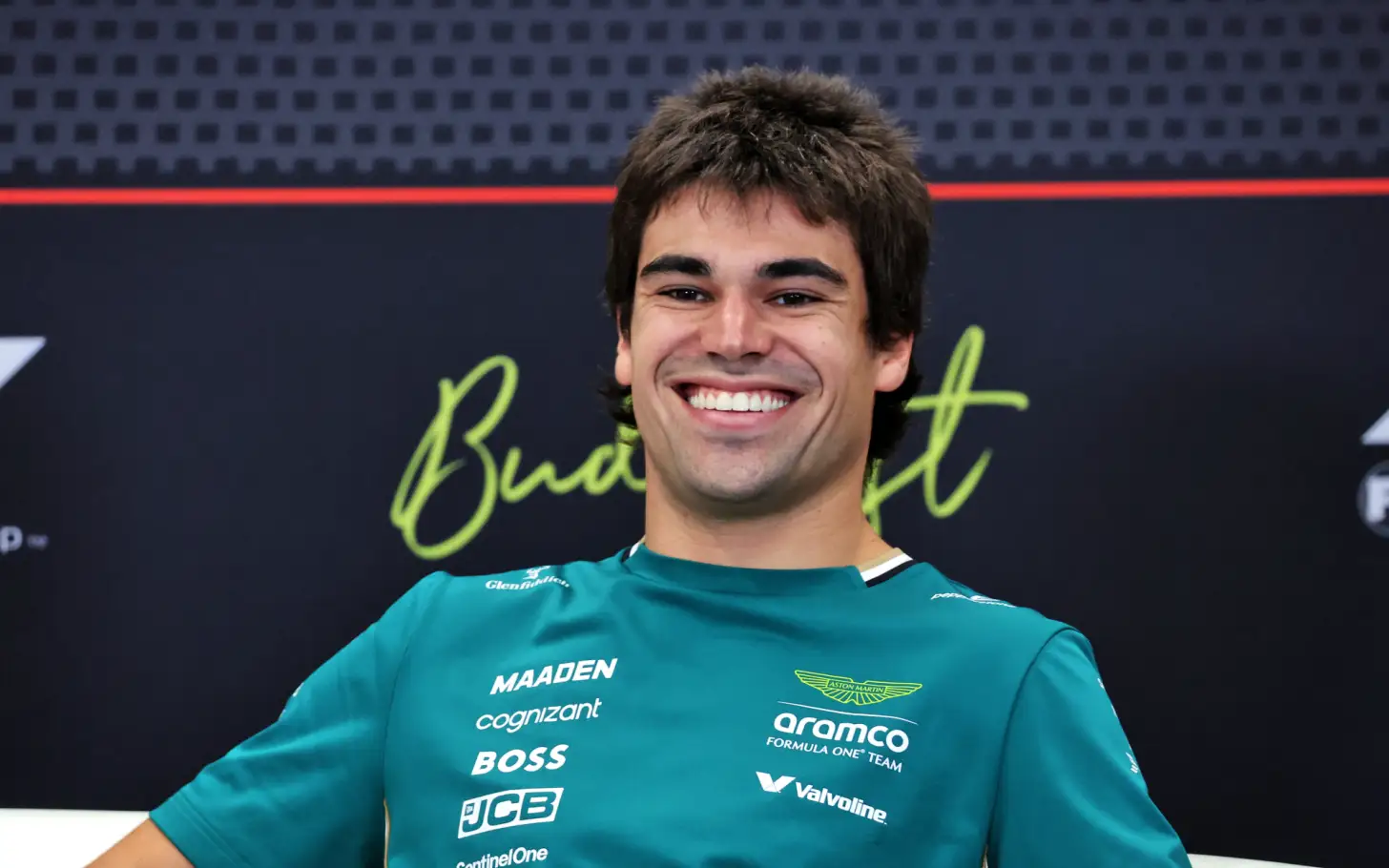

Formula 1, Sportrik Media - Lance Stroll has taken a playful swipe at George Russell over the Mercedes driver’s relaxed stance on Formula 1’s controversial 2026 power unit regulations, which could require drivers to downshift on straights during races.
As the season opener in Melbourne approaches, the paddock remains divided over the implications of managing 350 kW of electrical output from the MGU-K under the new 50-50 combustion-to-electricity split. The revised energy deployment model is expected to introduce unconventional driving scenarios, particularly when harvesting and regeneration phases limit available power on straights.
Russell had previously downplayed concerns about the potentially unnatural feel of such scenarios, arguing that downshifting on straights would not be as unusual as critics suggest.
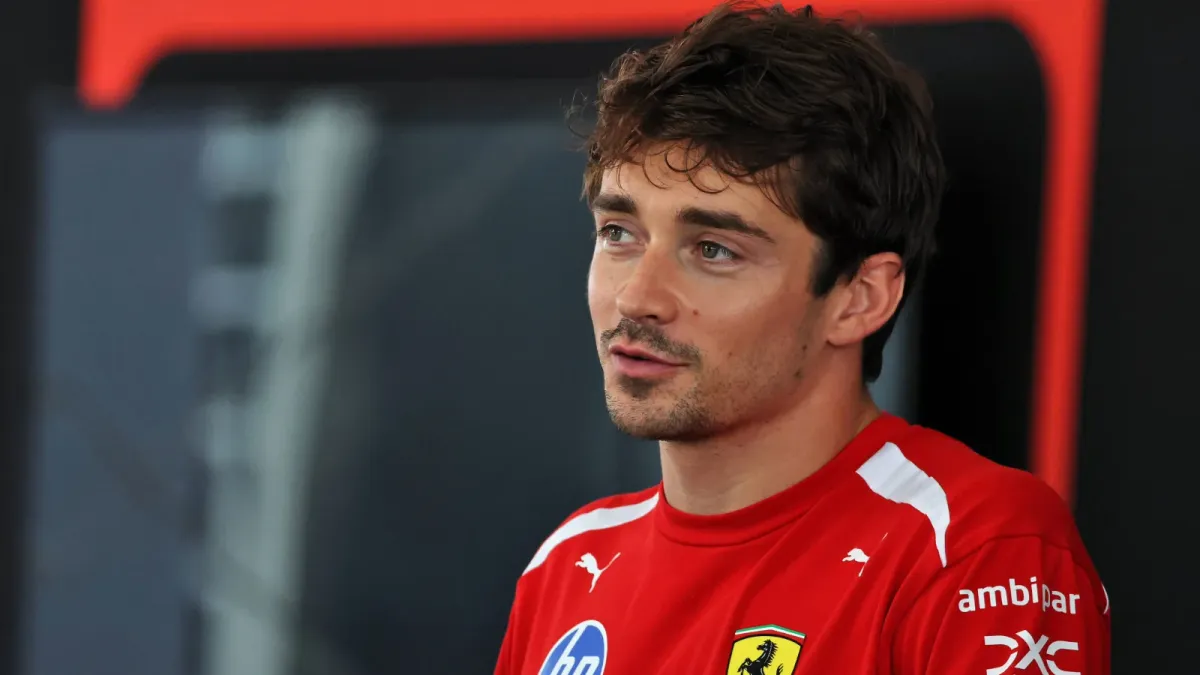
“From the power unit side, there was obviously lots of chat around potentially having a downshift in the straights in some circumstances,” Russell explained. “That will probably continue to be the case, but it doesn’t feel that abnormal, to be honest.”
The Mercedes driver compared the situation to everyday driving.
“The way I would describe it is like if you’re driving your car up a hill, you’re still going flat out, but you’re losing a bit of speed. You may just downshift to give you a bit of extra revs to get up that hill. That’s how it sometimes feels when the engine is harvesting and you’re regenerating the battery.”
When Russell’s comments were relayed to Stroll during Aston Martin’s season launch event in Saudi Arabia, the Canadian responded with a pointed remark that drew laughter from those present.
“I’m sure George, when maybe he’s winning the race in Australia by 30 seconds in his Mercedes, isn’t going to mind downshifting on the straights and lifting and coasting too much,” Stroll said, as quoted by Motorsport.com. “Maybe he will change his mind by then.”
The remark subtly referenced the growing perception in the paddock that Mercedes could hold an early advantage under the new regulations, particularly amid ongoing discussions surrounding internal combustion efficiency and compression ratio interpretations.
When pressed on whether he genuinely expected Mercedes to enjoy such a dominant advantage in the opening phase of the season, Stroll remained cautiously assertive.
“Normally with new regulations, there’s always a big field spread. I don’t have a crystal ball, but yeah,” he said.
His comments reflect the uncertainty that typically accompanies a major regulatory reset. The 2026 technical framework represents one of the most significant power unit overhauls in recent Formula 1 history, and early efficiency gains in energy deployment could translate into measurable on-track advantages.
If one manufacturer manages to optimise the balance between harvesting, regeneration, and peak deployment more effectively than rivals, the consequences could extend beyond lap time to influence driving style, overtaking dynamics, and race strategy.
As Melbourne draws closer, theoretical debates over downshifting on straights will soon be tested in competitive conditions. Whether Russell’s confidence proves justified — or whether Stroll’s tongue-in-cheek prediction of Mercedes dominance materialises — will become clearer once the new generation of power units faces the pressures of race weekend performance.
Baca Juga
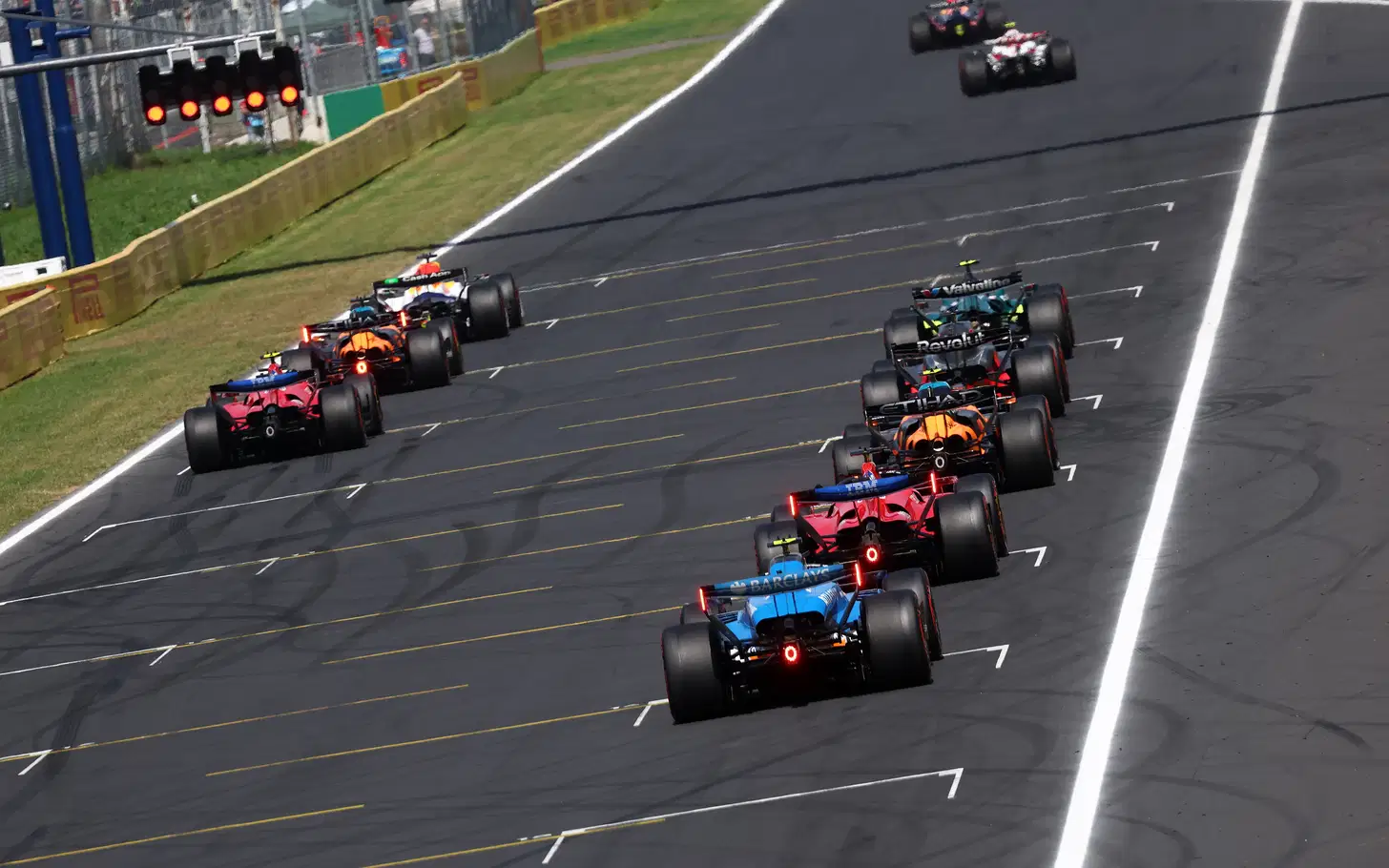
James Vowles menilai cost cap F1 justru memperlebar kesenjangan kompetisi. Empat tim teratas kini menguasai 83 persen poin musim ini.
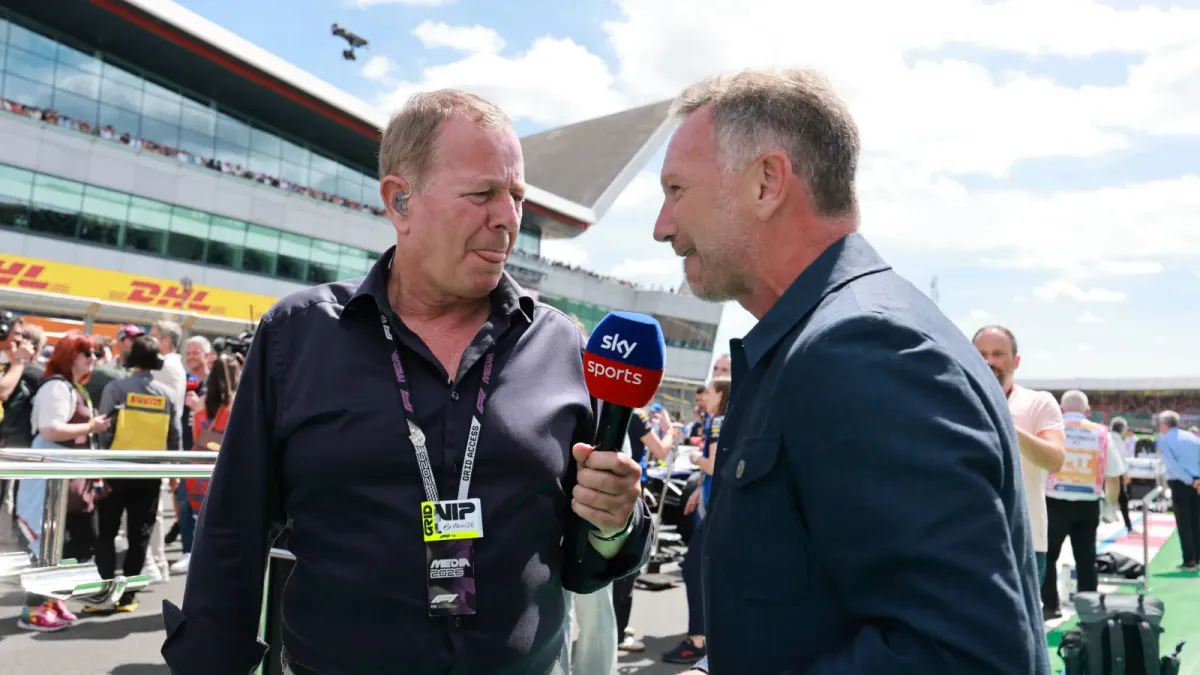
Rumor Christian Horner ke Ferrari dibantah setelah Martin Brundle menelepon langsung. Simak klarifikasi dan alasan Horner belum tertarik kembali ke F1.
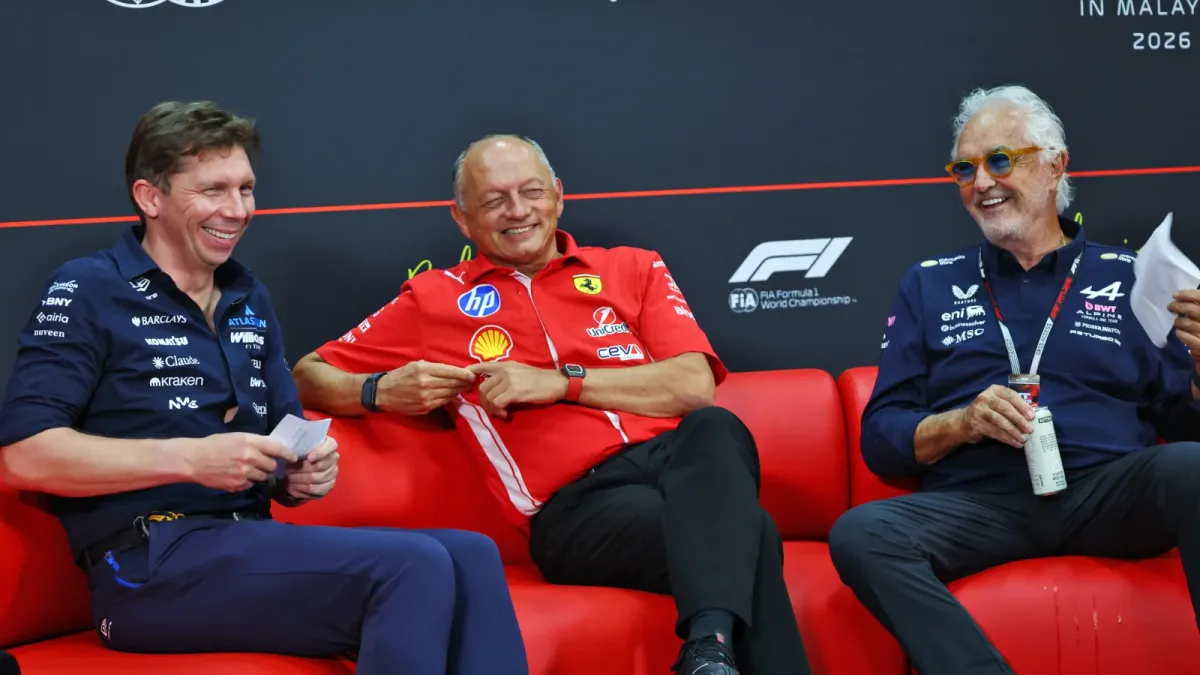
James Vowles beri dukungan penuh untuk Fred Vasseur di tengah spekulasi masa depan Team Principal Ferrari. Baca selengkapnya di Sportrik.
 Lanjutkan dengan Google
Diskusi & Komentar (0)
Mari Bergabung dalam Diskusi!
Masuk dengan mudah untuk mulai memberikan komentar, membalas, dan berinteraksi dengan pembaca lainnya.
Komentar Terbaru
Belum ada komentar. Jadilah yang pertama!