







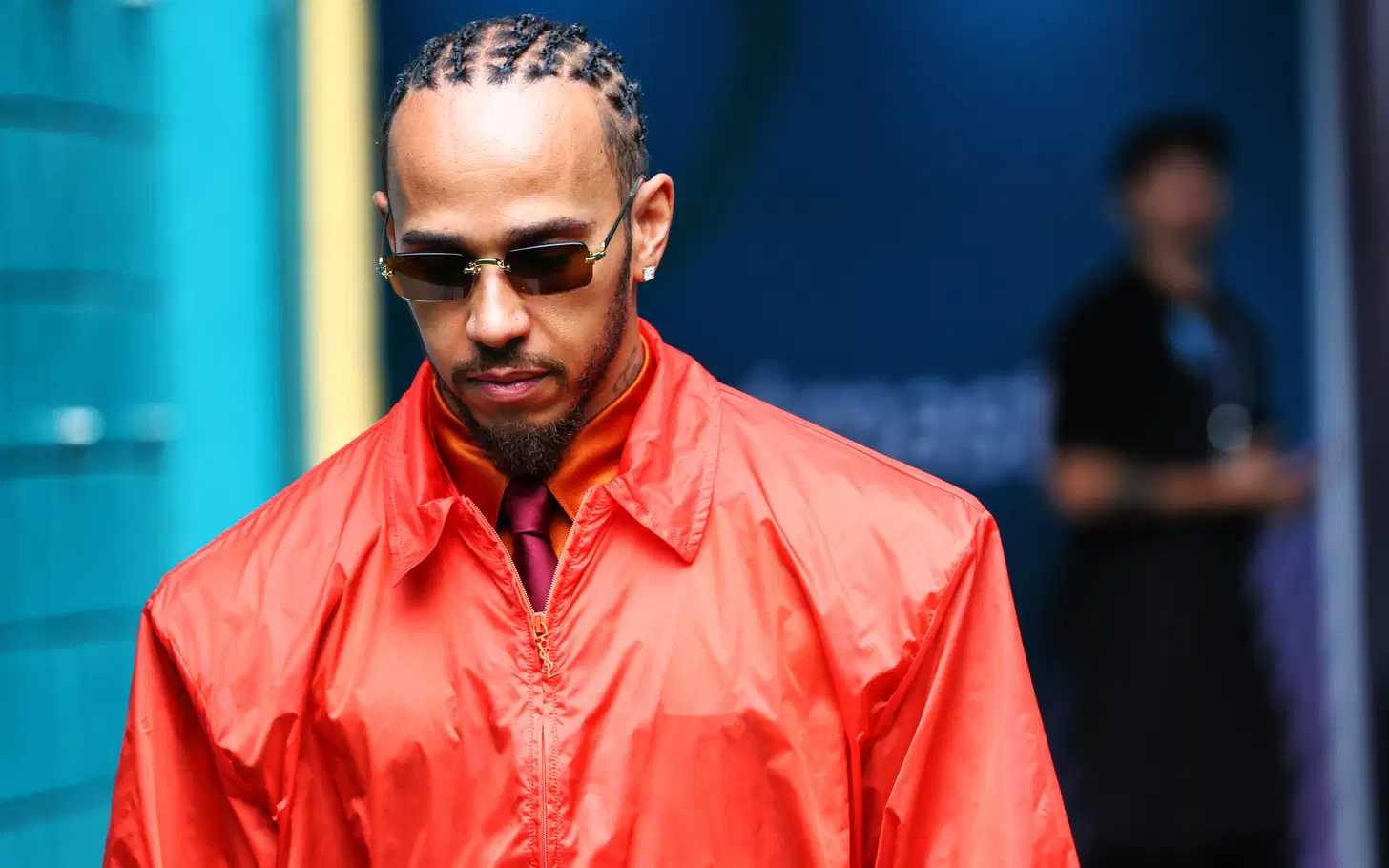

Lewis Hamilton enters the Formula 1 Miami Grand Prix 2026 with a distinct strategic perspective after completing wet-weather tyre testing with Pirelli, positioning himself for a potential advantage if forecast rain impacts the race weekend. Thunderstorms are expected on Sunday, introducing uncertainty to both race execution and competitive hierarchy.
The Ferrari driver is among the few to have experienced the 2026-spec car in wet პირობ conditions, as the opening rounds of the season were held entirely in dry weather. This lack of representative wet data across the grid elevates the value of Ferrari’s recent test programme, particularly in understanding tyre behaviour and car balance under low-grip conditions.
Hamilton completed two full days of testing at Fiorano, Ferrari’s private circuit, focusing on the performance characteristics of intermediate and full wet tyres supplied by Pirelli. The test programme extended beyond tyre grip, incorporating system integration, power delivery response, and aerodynamic stability under reduced visibility and fluctuating track conditions.
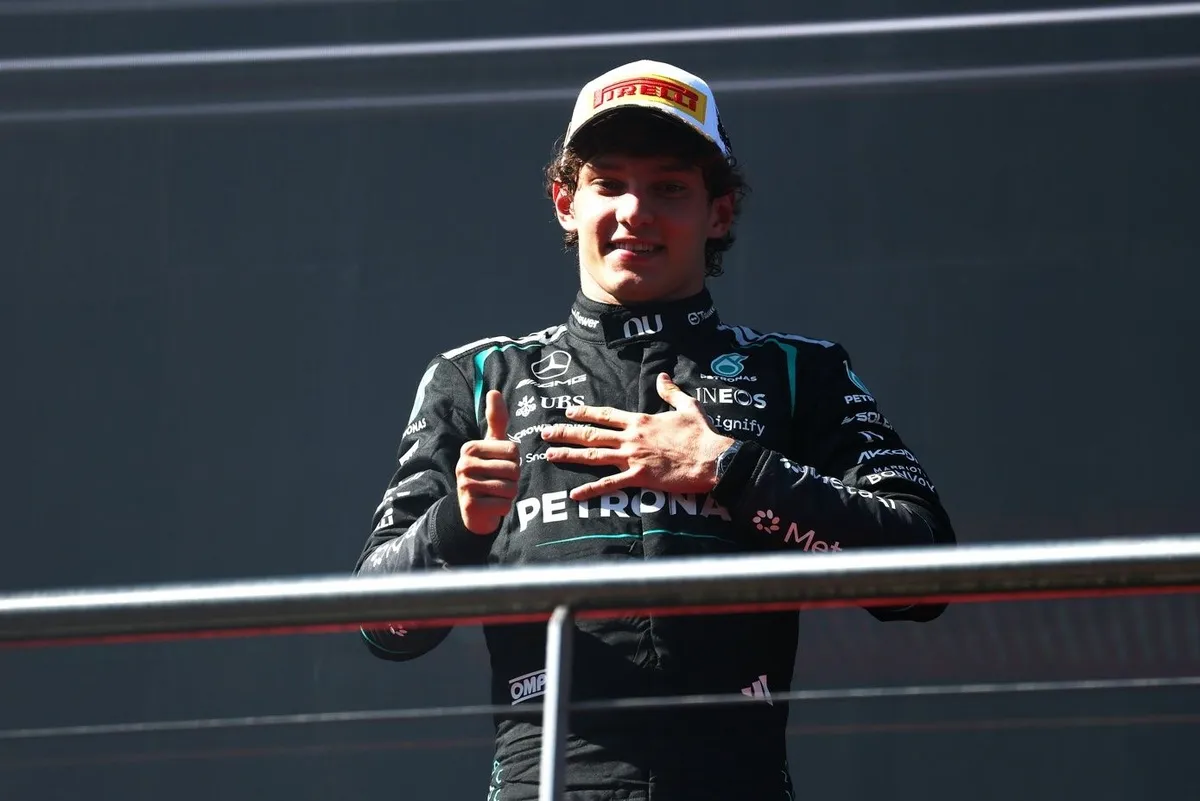
Beyond weather variables, Ferrari utilised the five-week gap following the Japanese Grand Prix to conduct a comprehensive performance review. Hamilton identified a previous deficit of up to eight to nine tenths of a second on the straights, attributed not to the power unit itself but to a combination of system-related inefficiencies across the car’s overall package.
Through simulator work and factory-based analysis in Maranello, Ferrari has targeted improvements in energy deployment and overall efficiency. These refinements are particularly relevant at the Miami International Autodrome, where long straights demand optimal power delivery while technical sections require stable aerodynamic balance.
Meanwhile, Mercedes continues to set the benchmark in early-season consistency, maintaining an advantage that Ferrari is aiming to close. However, variable weather conditions introduce a non-linear factor that could disrupt established performance patterns, especially if Ferrari’s wet-weather preparation translates effectively to race conditions.
The potential for rain elevates the strategic complexity of the Miami Grand Prix, placing increased emphasis on tyre selection, pit timing, and real-time adaptability. In such scenarios, execution precision often outweighs outright pace, creating opportunities for teams with superior preparation in atypical conditions.
Ferrari’s performance trajectory in Miami will offer a critical indication of whether its recent technical adjustments can deliver tangible gains, while also shaping expectations ahead of the upcoming rounds in the 2026 Formula 1 season.
Baca Juga
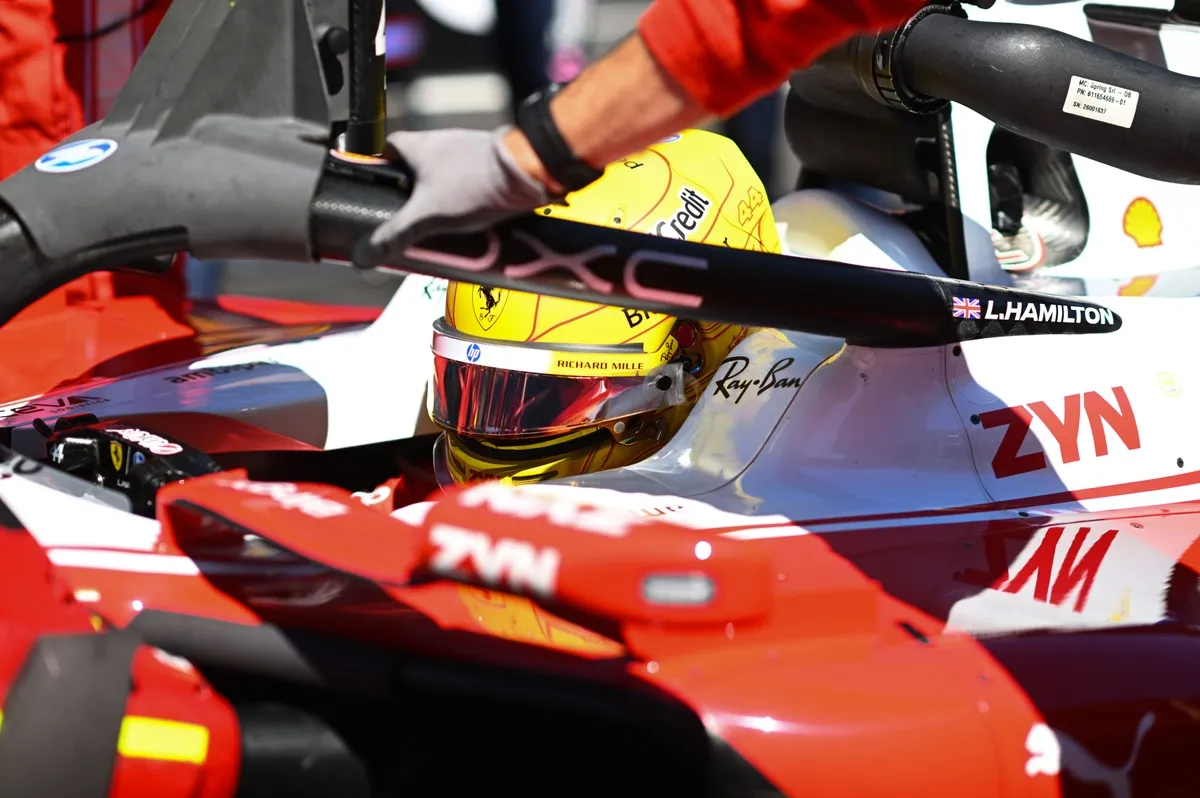
Lewis Hamilton alami rem blong di GP Spanyol, Ferrari terpaksa pensiunkan pembalapnya. Simak kronologi dan komentar Vasseur.
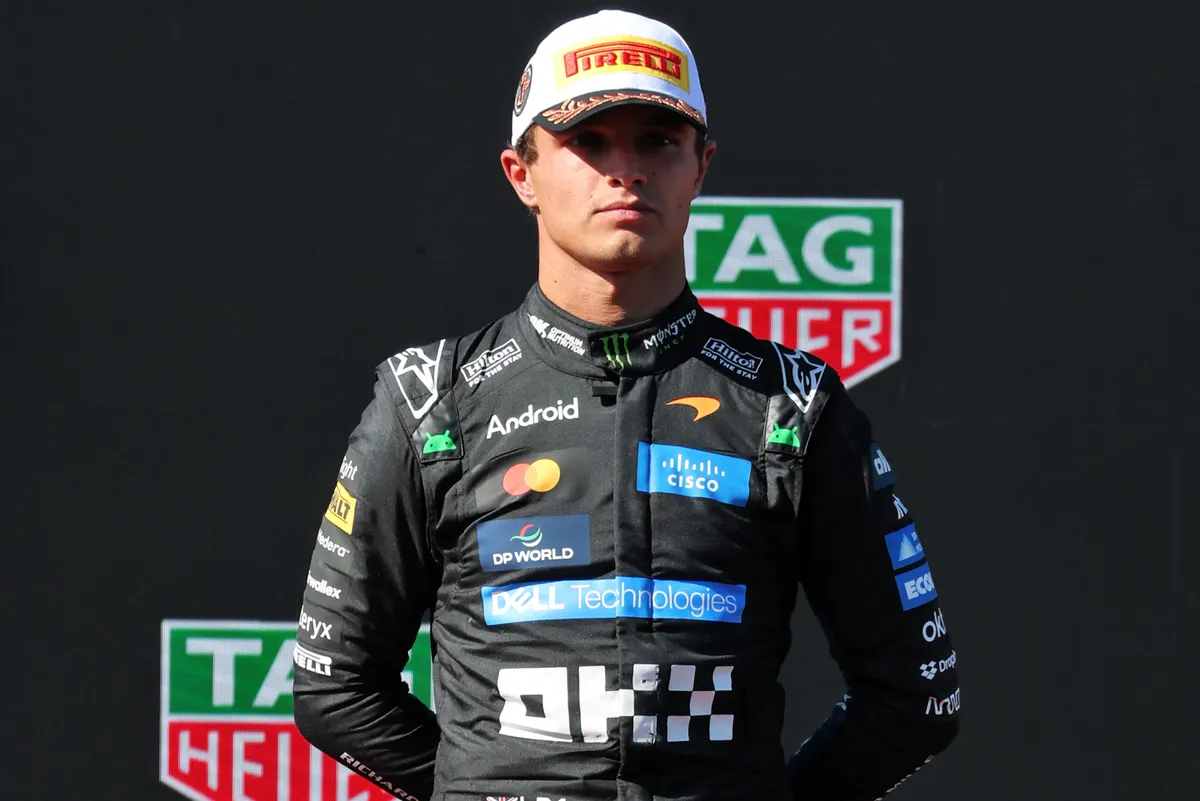
Lando Norris kecewa berat setelah kehilangan kemenangan di F1 Spanyol akibat timing Virtual Safety Car yang dianggapnya tidak adil. Simak analisis lengkapnya.

Lando Norris akan menguji hypercar McLaren MCL-HY di Portimao sebelum GP Azerbaijan. Simak persiapan McLaren menuju WEC 2027 dan Le Mans.
 Lanjutkan dengan Google
Diskusi & Komentar (0)
Mari Bergabung dalam Diskusi!
Masuk dengan mudah untuk mulai memberikan komentar, membalas, dan berinteraksi dengan pembaca lainnya.
Komentar Terbaru
Belum ada komentar. Jadilah yang pertama!