







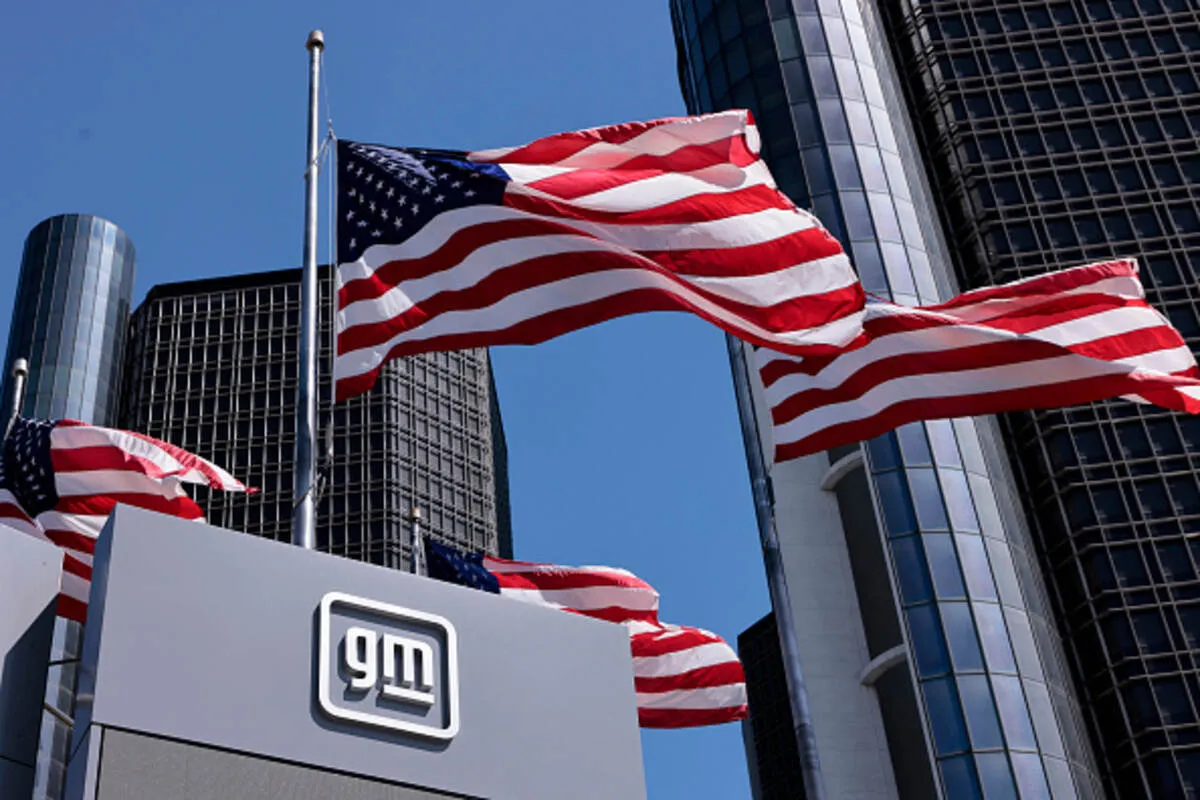

General Motors has reaffirmed its commitment to the Chinese automotive market by extending its joint venture with SAIC Motor for another two decades. This decision comes amid intensifying competition from local brands like BYD, both domestically and globally. As reported by Reuters, this renewal signals that GM still heavily relies on China as a hub for production and innovation.
Over the past few years, General Motors has undergone a major restructuring in China, including closing several plants and discontinuing certain models. However, with this contract extension, GM is actually strengthening its position in the world's largest auto market. They even plan to make China an export hub for Buick and Cadillac brands to regions such as the Middle East, Africa, South America, Mexico, and parts of Asia.
This move also highlights the dilemma faced by the Detroit-based automaker. On one hand, geopolitical tensions between the US and China continue to escalate. On the other hand, GM cannot completely detach itself from a market that contributes a significant share of its global revenue. Low production costs and mastery of local technology are key attractions that are hard to ignore.

According to GM's official statement, the renewal of the 50-50 joint venture will increase vehicle development activities in China, which is the largest automotive market in the world. The focus is on creating models that suit local consumer tastes, while also leveraging the mature supply chain ecosystem. This is part of GM's long-term strategy to stay relevant amid the industry's shift towards electric vehicles.
Meanwhile, SAIC welcomed the renewal, stating that this partnership will allow local Chinese innovation to be shared globally. In other words, SAIC is not just a production partner but also helps drive technology exports. This is a significant opportunity for SAIC to strengthen its international influence through collaboration with one of the world's largest manufacturers.
However, there are consequences to note. Under the new agreement, GM will focus on Cadillac and Buick brands in China, while Chevrolet sales in the country will be discontinued. Nevertheless, Chevrolet will still be produced and exported through a separate joint venture between GM, SAIC, and Wuling. This means the brand is not disappearing entirely from GM's business map, just shifting strategy.
GM's move certainly draws attention amid fierce competition in the global automotive industry. By making China an export base, GM hopes to reduce costs and enhance its competitiveness against aggressive Chinese brands in international markets. Whether this strategy will succeed remains to be seen, but one thing is clear: this decision underscores that China remains a vital pillar in GM's global strategy.
Baca Juga
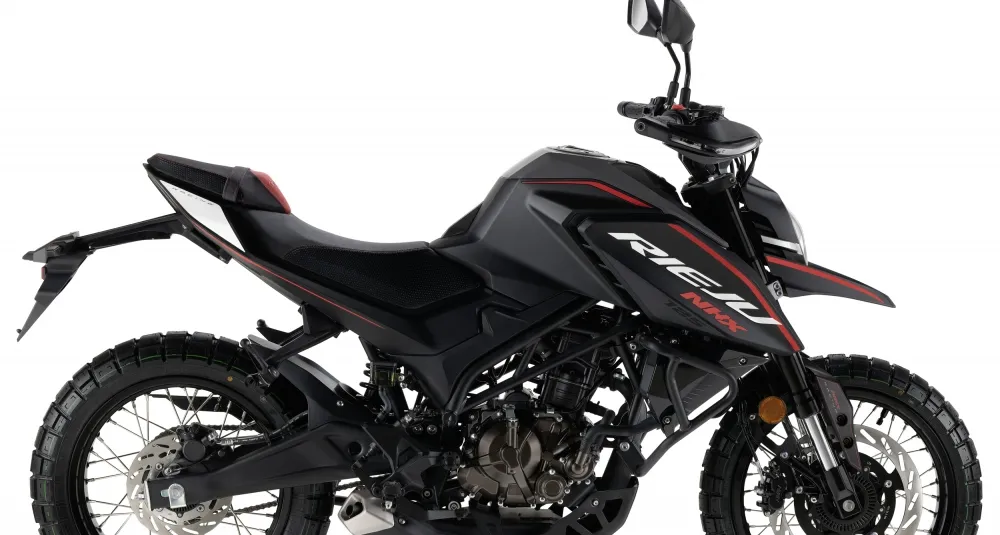
Rieju NKX 125 hadir sebagai naked 125cc bergaya offroad dengan velg jari-jari dan ban dual-purpose. Cocok untuk penggunaan urban dan petualangan ringan.
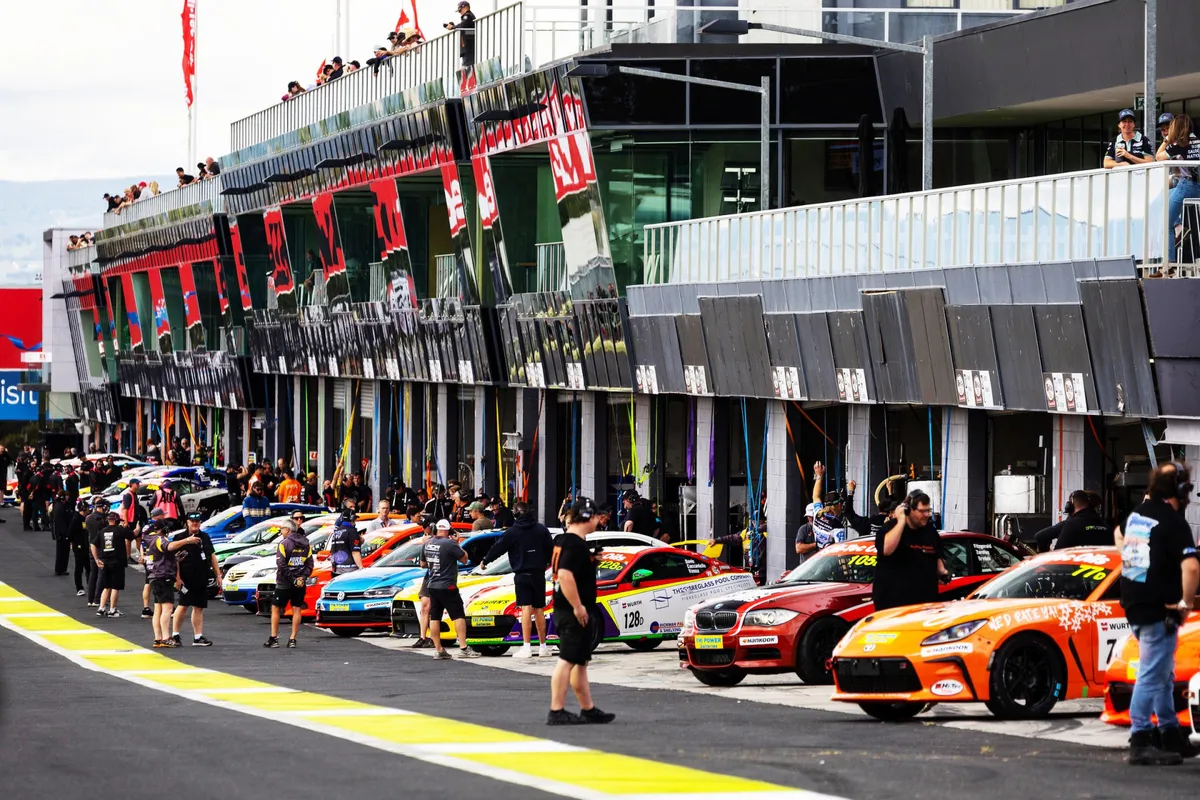
Bathurst 6 Hour cetak rekor entri hari pertama dengan 97 pendaftar, lampaui rekor sebelumnya. Simak detail seleksi dan persaingan menuju grid 72 mobil.
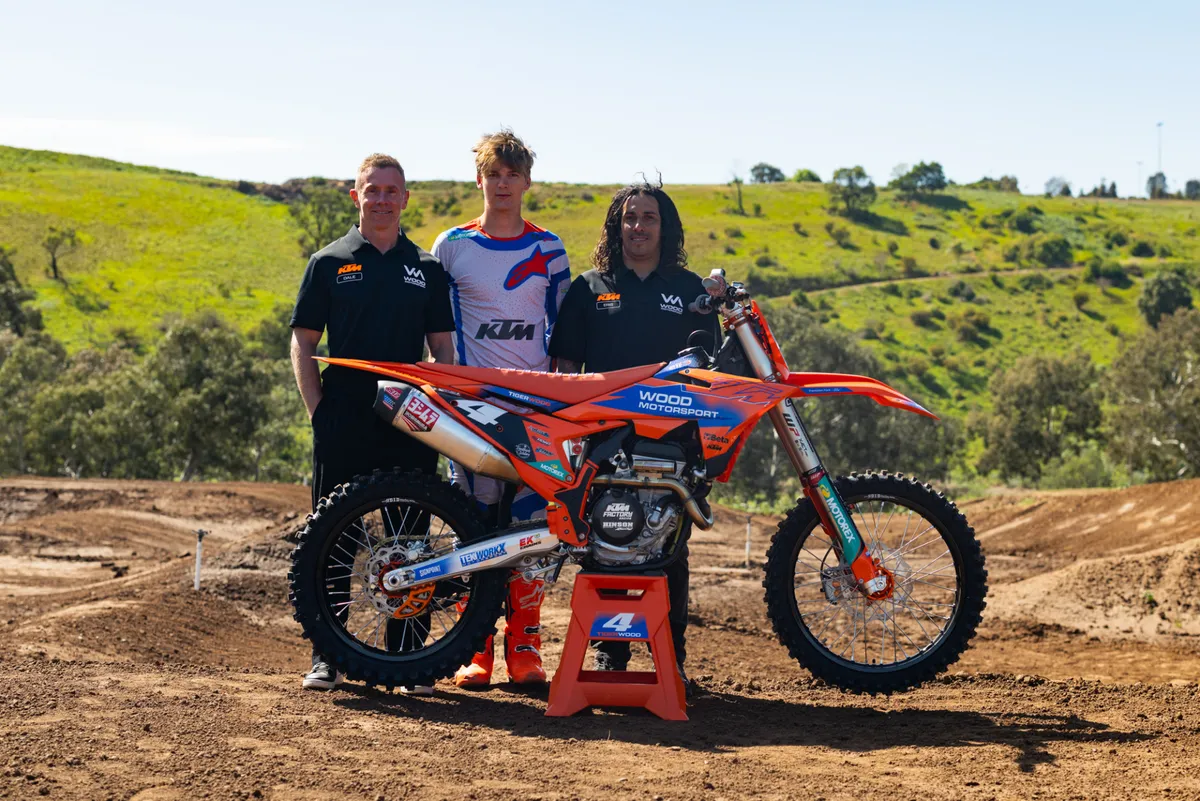
Dale Wood, mantan pembalap Supercars, meluncurkan tim supercross Wood Motorsport bersama Eris Djemi, merekrut Tiger Wood dan Hayden Mellross untuk AUSX Supercross Championship.
 Lanjutkan dengan Google
Diskusi & Komentar (0)
Mari Bergabung dalam Diskusi!
Masuk dengan mudah untuk mulai memberikan komentar, membalas, dan berinteraksi dengan pembaca lainnya.
Komentar Terbaru
Belum ada komentar. Jadilah yang pertama!