









Formula 1, Sportrik Media - George Russell described the opening day of on-track action for Formula 1’s 2026 season in Barcelona as “pretty impressive”, as teams began their first collective running under the sport’s new technical regulations.
The opening pre-season test of the year is being held at the Circuit de Barcelona-Catalunya, with teams permitted to choose three running days from the five available this week. The flexible format allows squads to tailor their programmes as they begin evaluating cars built to a radically revised rule set.
Mercedes was one of seven teams to run on Monday, splitting driving duties between rookie Kimi Antonelli in the morning and Russell during the afternoon session. The approach reflects Mercedes’ emphasis on maximising data collection while gradually building driver familiarity with the new package.
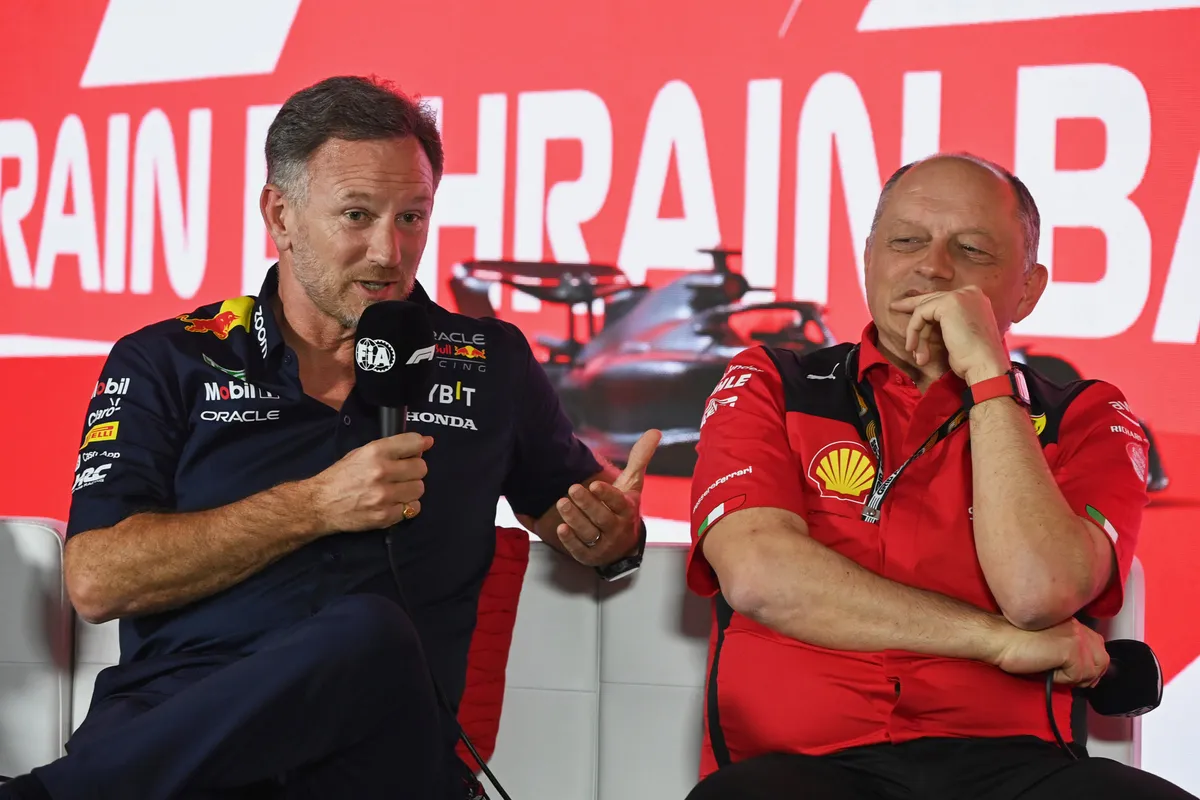
Russell completed 95 laps for the Brackley-based outfit, with Mercedes accumulating more than 700 kilometres of running across the day. That level of mileage is considered significant for a first test outing, particularly given the extensive changes to both the power unit and aerodynamic concepts for 2026.
The new generation of power units, which place greater emphasis on electrical deployment and revised energy management strategies, had been a major talking point heading into testing. Russell admitted that the early performance of the units has exceeded expectations.
“It’s amazing just to be back out driving again,” Russell said.
“I think at the end of the year everyone’s looking forward to a break, but then after a week or two you’re raring to go again.”
He acknowledged that there had been considerable anticipation within the paddock surrounding the debut of the new power unit architecture.
“There was obviously a lot of anticipation for these new power units, and so far, just generally on the whole, the amount of power they give is pretty impressive.”
From trackside, Russell felt the visual impact of the new cars was immediately apparent, regardless of manufacturer differences across the grid.
“For all the cars I was watching today, with all the different power units, it’s probably the quickest I’ve ever seen an F1 car pass here in Barcelona, so that was pretty exciting to see.”
Beyond straight-line performance, Russell also highlighted how the revised regulations have altered the physical feel of the cars. The 2026 machines are smaller and lighter than their predecessors, changes intended to improve agility and efficiency.
“You can feel the cars being smaller, you can feel that weight reduction compared to previous years,” he explained.
“From that aspect as well, I think it’s gone in a good direction.”
Russell’s feedback aligns with Mercedes’ broader objectives for the opening phase of testing, which are centred on understanding baseline behaviour rather than chasing outright lap times. Team principal Toto Wolff has previously stressed that reliability, system validation and data correlation are the priorities at this stage of the programme.
With multiple test days still remaining in Barcelona, followed by further running later in the pre-season, Mercedes will now focus on refining its understanding of the new platform. Russell’s positive initial impressions, however, suggest that the team has begun the 2026 era on a solid technical footing.
While competitive order remains impossible to judge this early, the combination of high mileage, encouraging driver feedback and strong early power unit performance positions Mercedes well as Formula 1 embarks on one of the most significant regulatory transitions in its history.
Baca Juga
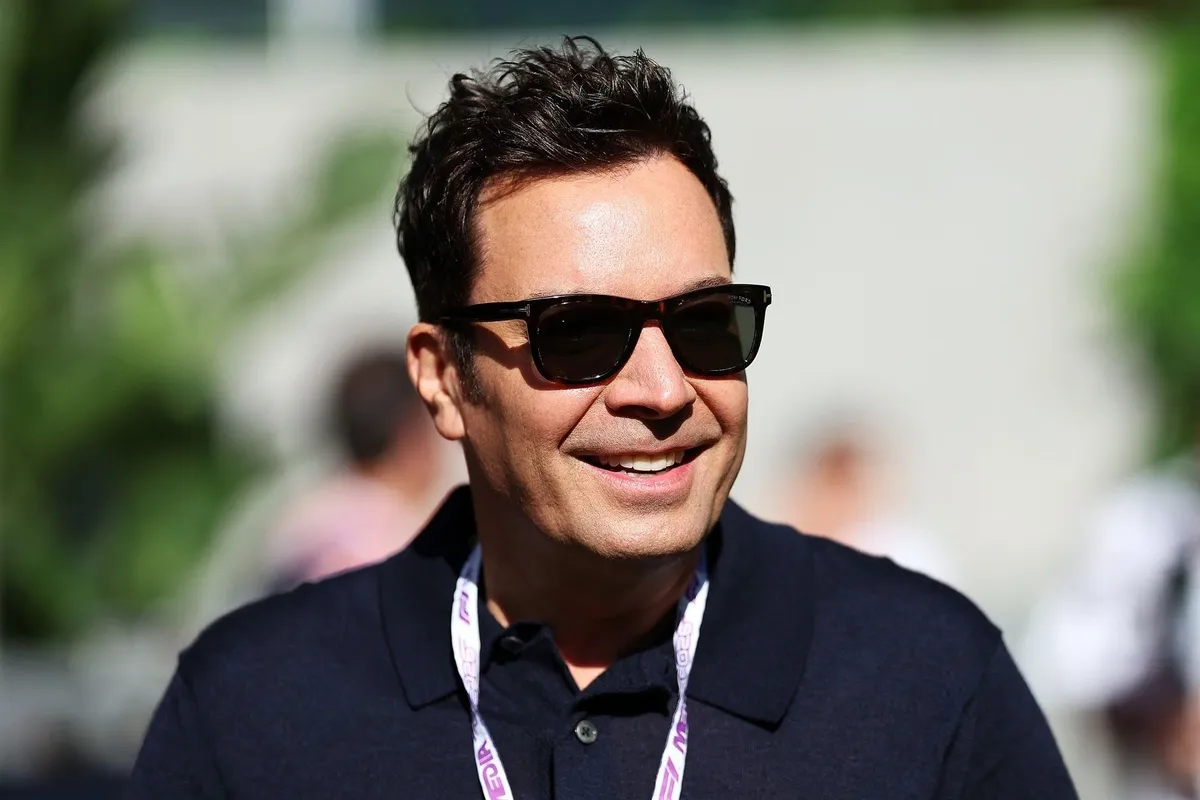
Stefano Domenicali ceritakan lelucon Jimmy Fallon di makan malam GP Miami: pizza dikirim ke restoran Michelin, lengkap dengan catatan lucu.
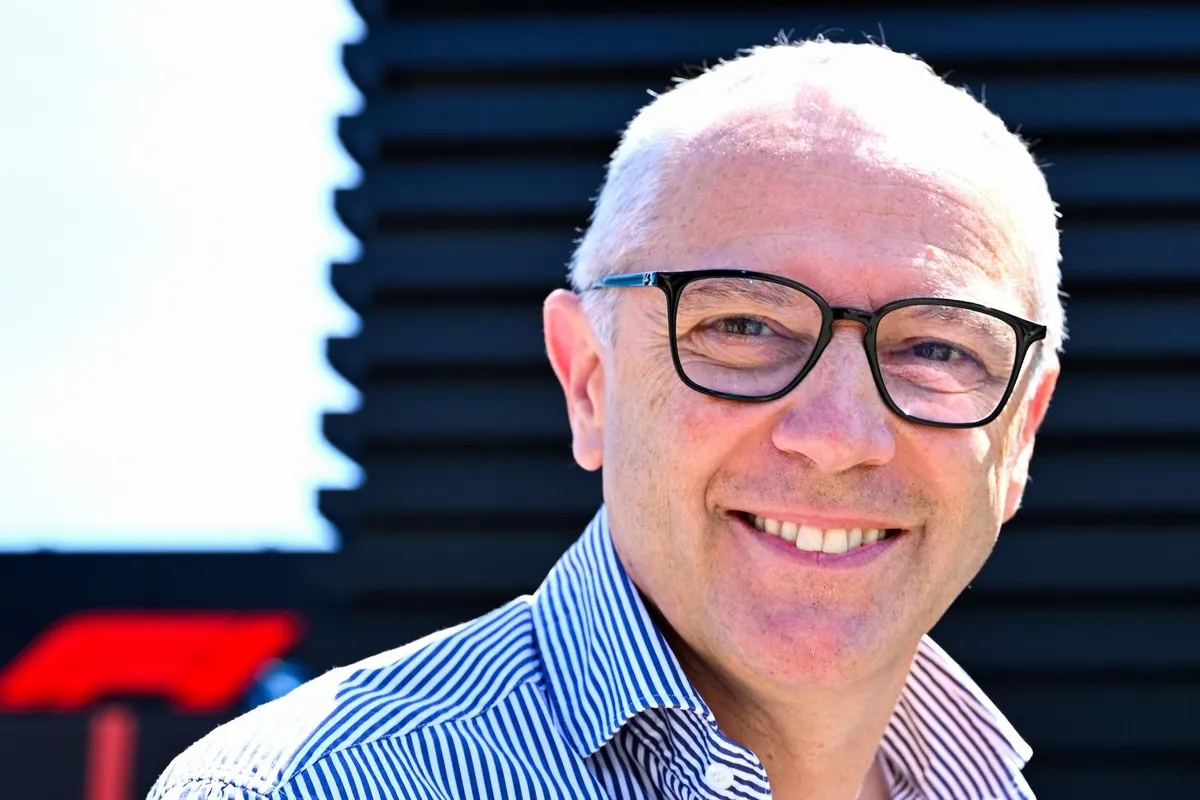
Formula 1 hampir menyentuh 1 miliar fans global. Stefano Domenicali soroti pertumbuhan audiens wanita dan strategi ekspansi di AS.
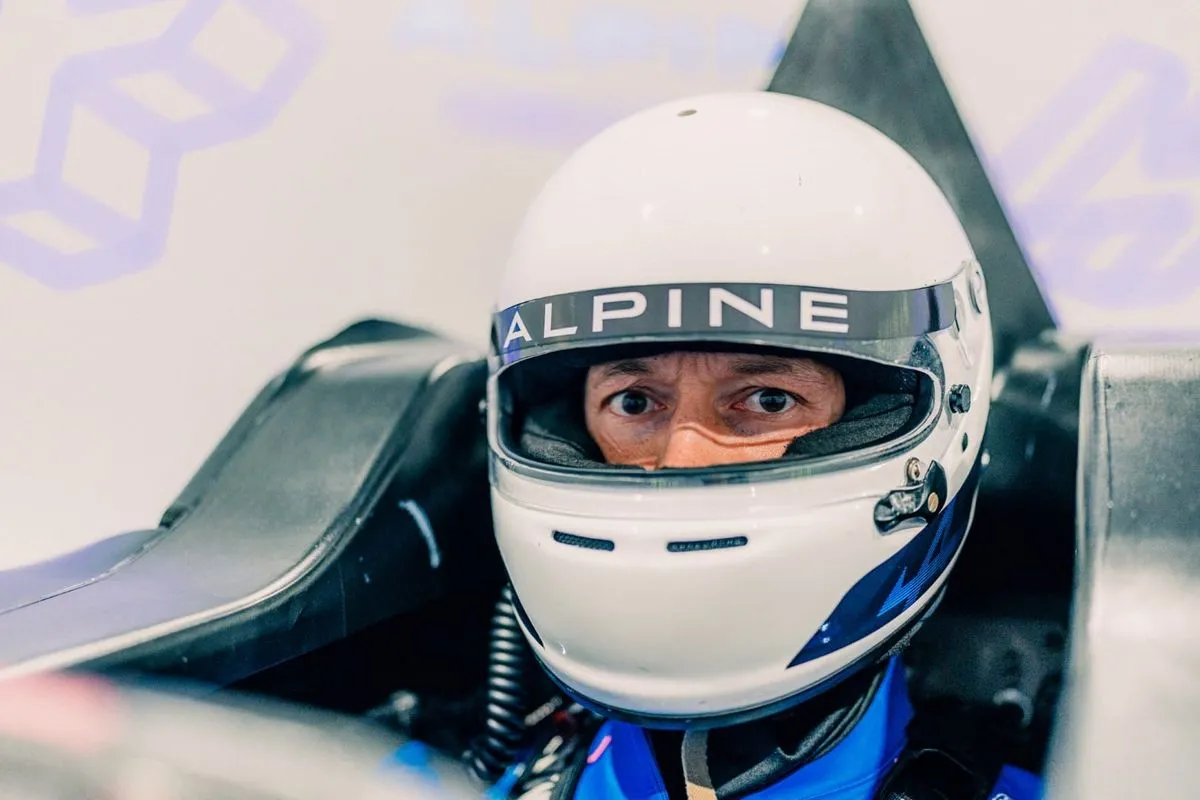
Alpine mengungkap peran tersembunyi Daniil Kvyat sebagai driver simulator yang membantu kebangkitan tim di F1 2026, termasuk turnaround di Jepang dan Kanada.
 Lanjutkan dengan Google
Diskusi & Komentar (0)
Mari Bergabung dalam Diskusi!
Masuk dengan mudah untuk mulai memberikan komentar, membalas, dan berinteraksi dengan pembaca lainnya.
Komentar Terbaru
Belum ada komentar. Jadilah yang pertama!