







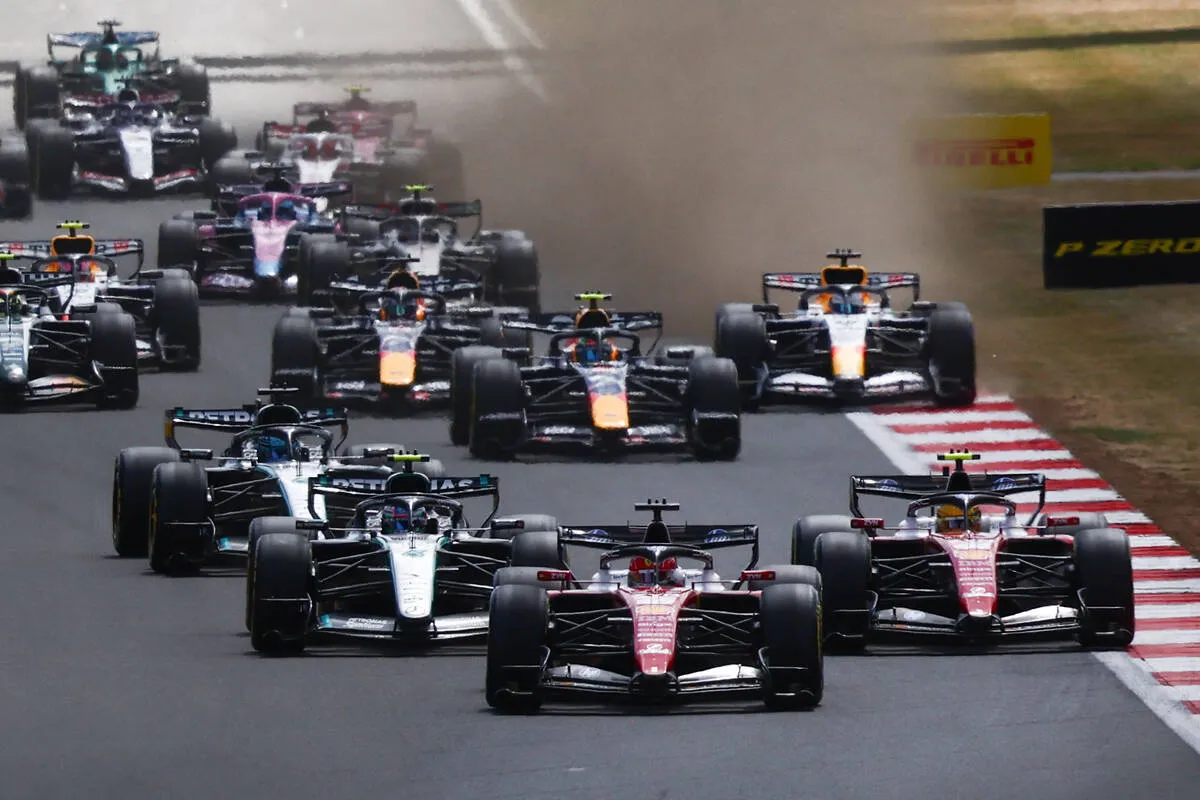

The 2027 season is set to usher in a new era for Formula 1, not just with a complete overhaul of the power units, but also with significant aerodynamic changes to the cars. The FIA has approved a series of new regulations aimed at reducing downforce, decreasing drag, and ultimately lowering energy consumption. These changes target the most vital parts of a modern race car: the floor and the rear wing.
Simone Resta, Mercedes' Deputy Technical Director, revealed the details of these changes to FormulaPassion. According to him, there are several small adjustments responding to design trends that emerged this season. One of the most notable is the ban on using multiple wing profiles on the rear wing. Additionally, elements around the exhaust outlets and the rear impact structure will be restricted, or even removed.
“We saw a proliferation of profiles on the rear wing that are now banned for next year, as well as elements at the exhaust exit and on the rear impact structure. Those will be quite limited, if not removed,” Resta explained. “There is also a more substantial intervention to reduce the car's downforce level, probably partly to compensate for what teams find during development. These two things go in opposite directions: teams are trying to add downforce, while the FIA is trying to contain it for various reasons.”
The most crucial change is in the central portion of the floor. The area around the T-tray will be shortened, making the floor shorter at that point. Additionally, the number of elements in the floor inlet will be reduced, with the outermost ones being removed. The rear wing will also be made smaller than its current size, which is already smaller than previous generations. Resta added, “We are modifying the regulatory volumes in the forward part of the floor, which will be shorter in the T-tray area. Also, there is a reduction in the number of elements in the floor inlet section, where the outer ones will be removed. And there is a modification to the rear wing volume. They are already smaller now, and they will be even smaller.”
These changes are expected to improve some of the weaknesses of the current generation of cars, particularly in terms of following another car and overtaking. Despite this, Resta views the new regulations positively. He believes that current racing is already entertaining for the audience, with plenty of action and overtaking. “We work on cars that are part of a sport where the entertainment aspect is very important. I think the races are good for the public, there's a lot of action and many overtakes. The electric component is very important, and I think in terms of spectacle, looking at the number of overtakes compared to previous years, it's a step forward,” he said.
Resta also acknowledged that there is still room to improve the quality of overtaking, especially in terms of top speed and the ability to approach corners. “Clearly, there are aspects to improve in terms of overtaking, maybe how you get to the maximum speed and bring it closer to the corner entry. These are things we are working on. Next year will already be a step in that direction, and in 2028 there will be another one. It takes time to adapt and understand how the regulations work and how to improve them, but we are heading in that direction,” Resta concluded.
Baca Juga

Max Verstappen akan debut di GT World Challenge Europe di Portimao dan bersaing dengan Valentino Rossi. Simak jadwal dan alasan di balik keputusannya.

Laurent Mekies diyakini patahkan kutukan kursi kedua Red Bull lewat budaya tim suportif, membuat Isack Hadjar bersinar di F1 2026. Simak analisisnya.
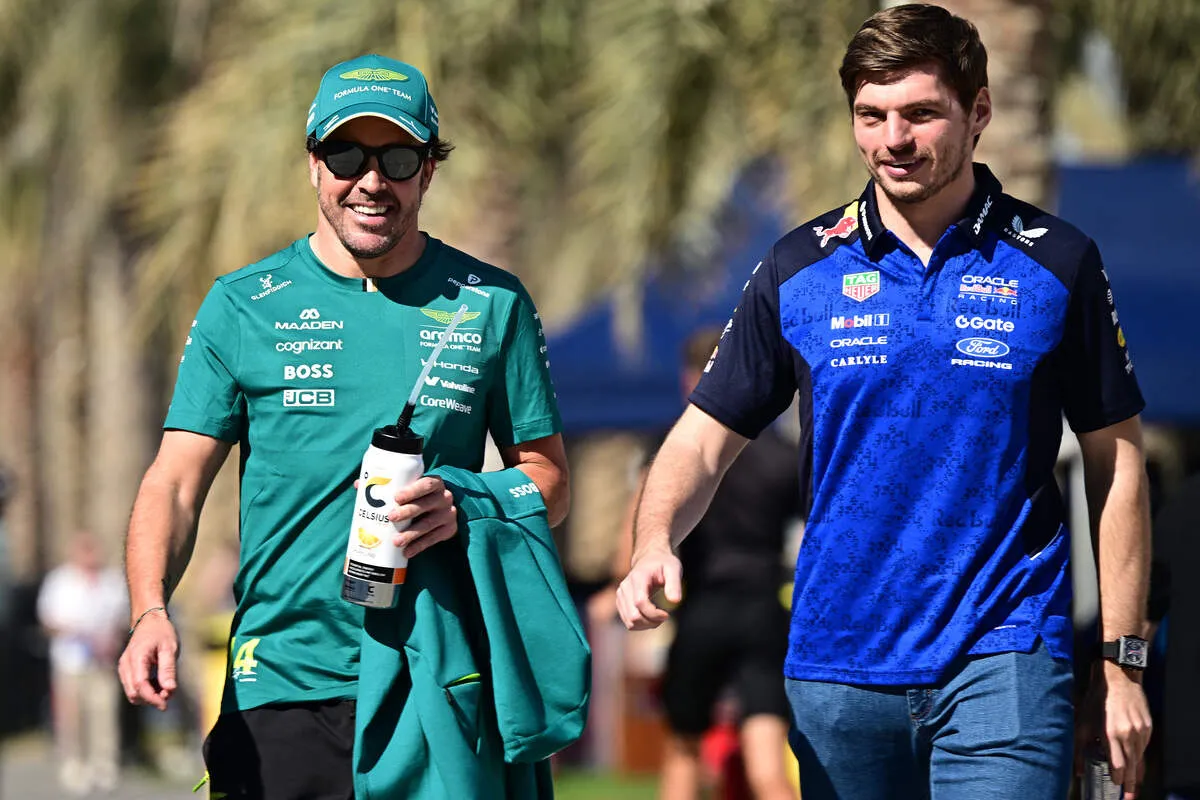
Max Verstappen menegaskan targetnya menang minimal satu balapan di F1 2026. Ia juga mengomentari perpanjangan kontrak Fernando Alonso dan rencana balap di GTWC.
 Lanjutkan dengan Google
Diskusi & Komentar (0)
Mari Bergabung dalam Diskusi!
Masuk dengan mudah untuk mulai memberikan komentar, membalas, dan berinteraksi dengan pembaca lainnya.
Komentar Terbaru
Belum ada komentar. Jadilah yang pertama!