







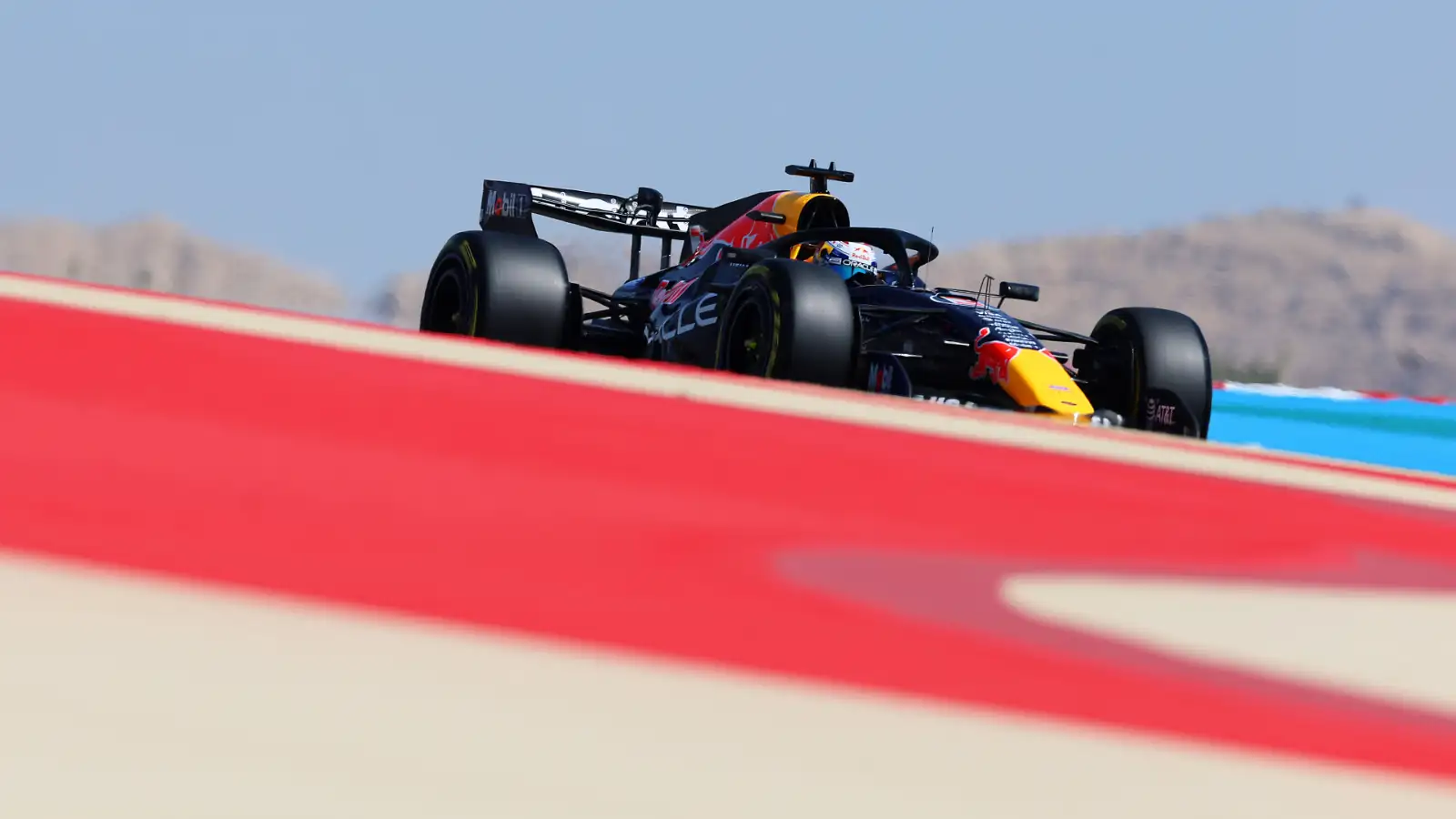

F1, Sportrik Media - The 2026 Formula 1 season begins under sweeping regulation changes, a major power unit overhaul, and heightened competitive uncertainty that could dramatically reshape the competitive order. Traditional front-runners Mercedes, Ferrari, Red Bull, and McLaren enter the new era with distinct technical philosophies, while the true pecking order remains unresolved ahead of the opening round.
The revised 2026 power unit framework, built around a 50:50 split between internal combustion and electrical energy, introduces significant variability in energy deployment and overall car balance. Circuit-specific performance swings are increasingly plausible, particularly between high-deployment venues such as Monza and Jeddah and lower-energy circuits like Monaco and Singapore. Diverging approaches to turbo sizing, harvesting efficiency, and deployment strategy could become decisive differentiators in the early phase of the campaign.
Attention is firmly on George Russell, who enters the season with growing recognition as a potential title contender, contingent on Mercedes translating pre-season promise into race-winning pace. Meanwhile, reigning champion Lando Norris faces the challenge of validating his breakthrough campaign, with Oscar Piastri continuing to strengthen his internal position at McLaren.
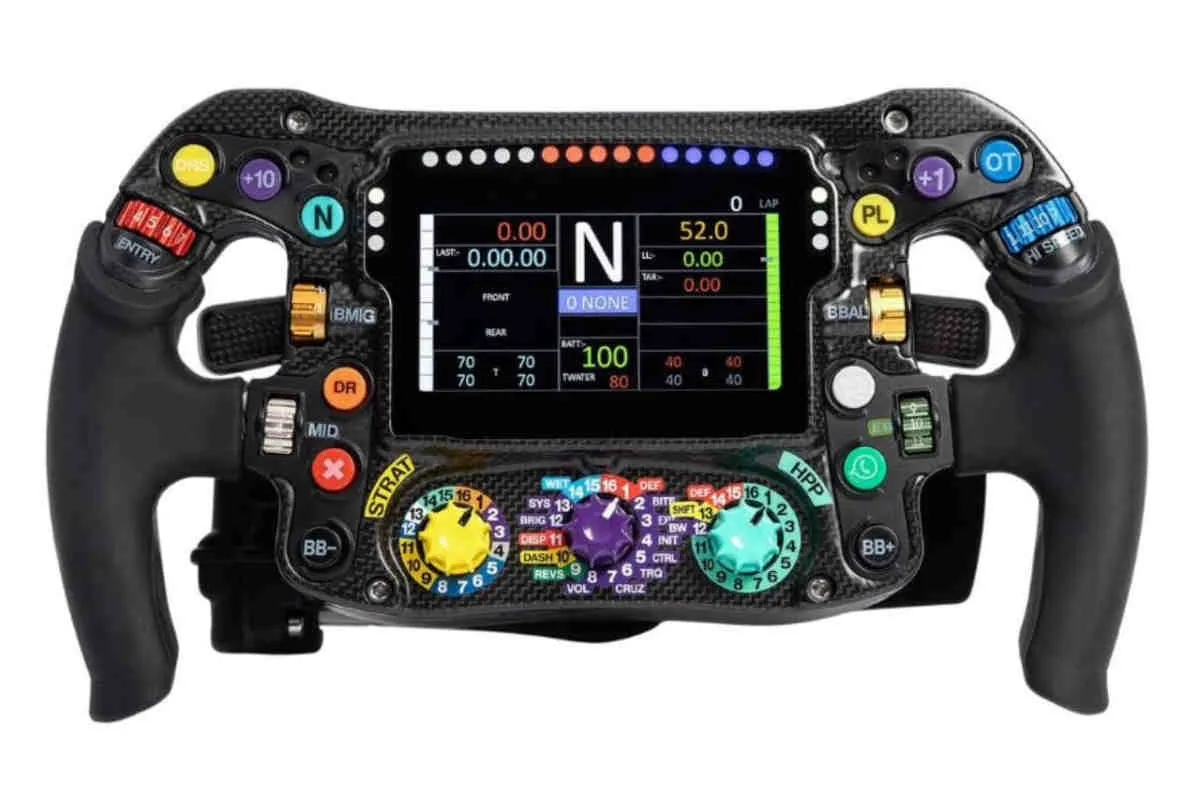
The futures of two world champions also form a central narrative. Lewis Hamilton is under pressure to deliver a definitive statement season with Ferrari following an inconsistent 2025 campaign. In contrast, Fernando Alonso looks to capitalise on Aston Martin’s ambitious project, supported by Honda, as time inevitably becomes a strategic factor in the latter stage of his career.
Beyond the established contenders, Cadillac’s entry with backing from General Motors introduces a longer-term structural shift to the grid. While immediate success is not the stated objective, the programme signals renewed manufacturer investment that could alter the competitive landscape over multiple seasons.
Red Bull’s internal dynamic adds another layer of intrigue, with Isack Hadjar stepping into the second seat alongside Max Verstappen. The regulatory reset offers both opportunity and risk, potentially reshuffling expectations within a team long defined by a clear performance hierarchy.
The 2026 season presents a rare convergence of regulatory transformation, driver pressure, and manufacturer ambition. Whether the anticipated four-way battle materialises or a single team establishes early dominance will only become clear when racing begins in earnest — ending speculation and defining the first chapter of Formula 1’s new era.
Baca Juga
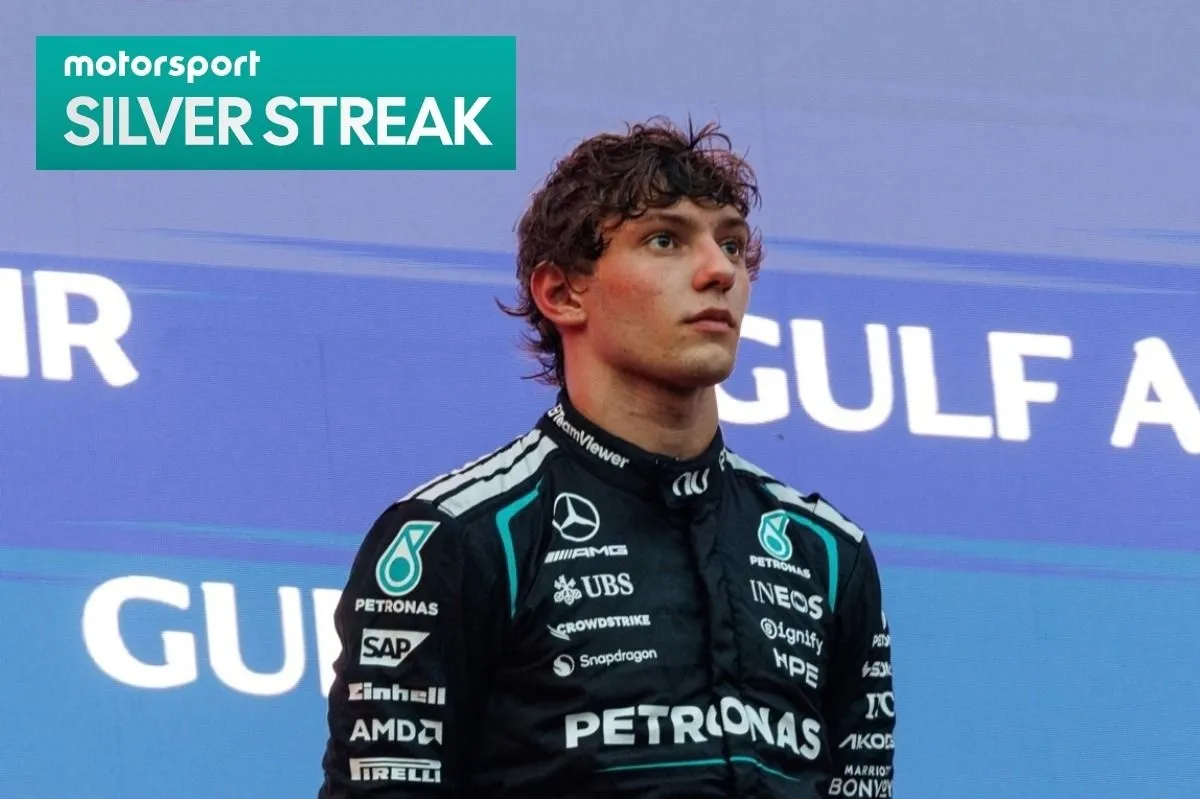
Mercedes ledek Kimi Antonelli yang kesulitan menyemprotkan air mawar pada selebrasi podium Formula 1 setelah mengamankan posisi kedua klasemen.
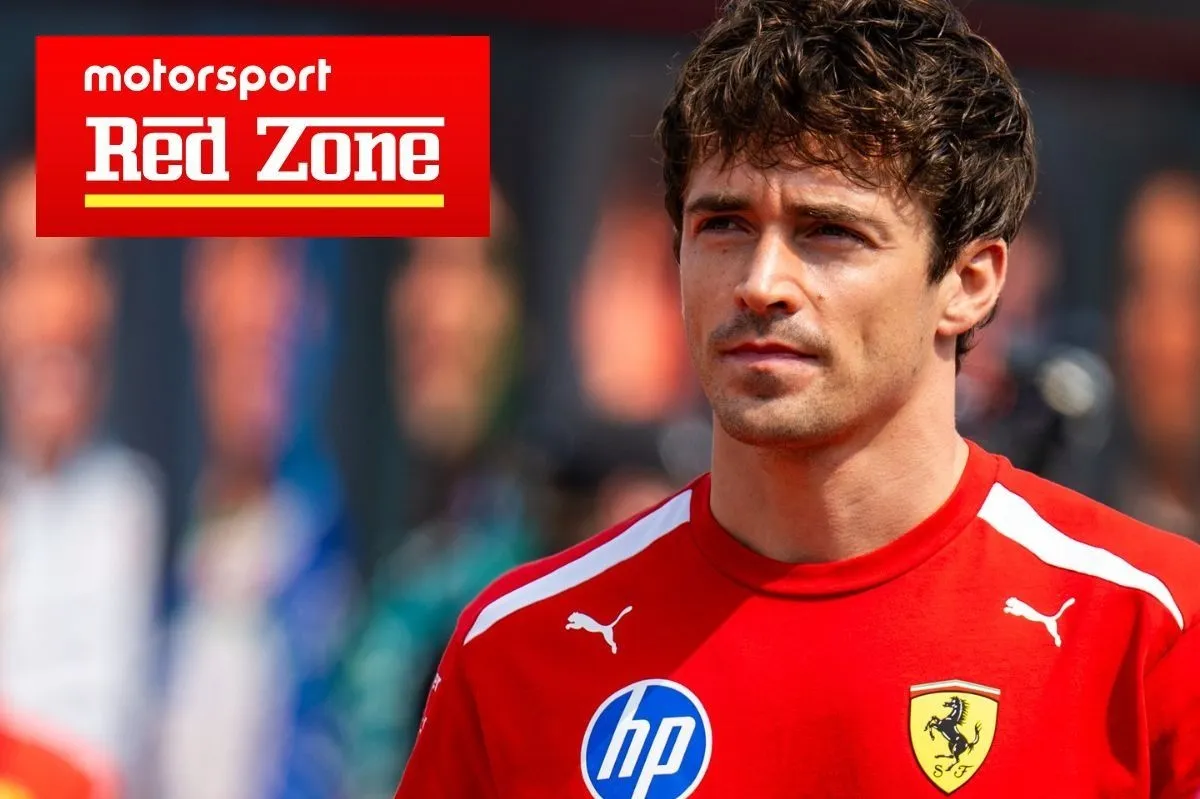
Charles Leclerc ungkap kekhawatiran mendalam pembalap F1 terhadap regulasi mesin 2026 usai kekacauan teknis di Grand Prix Bahrain.
Simak analisis lengkap kekacauan GP Bahrain 2026, kemenangan perdana Red Bull Powertrains, serta preview eksklusif Bathurst 1000 bersama David Reynolds.
 Lanjutkan dengan Google
Diskusi & Komentar (0)
Mari Bergabung dalam Diskusi!
Masuk dengan mudah untuk mulai memberikan komentar, membalas, dan berinteraksi dengan pembaca lainnya.
Komentar Terbaru
Belum ada komentar. Jadilah yang pertama!