






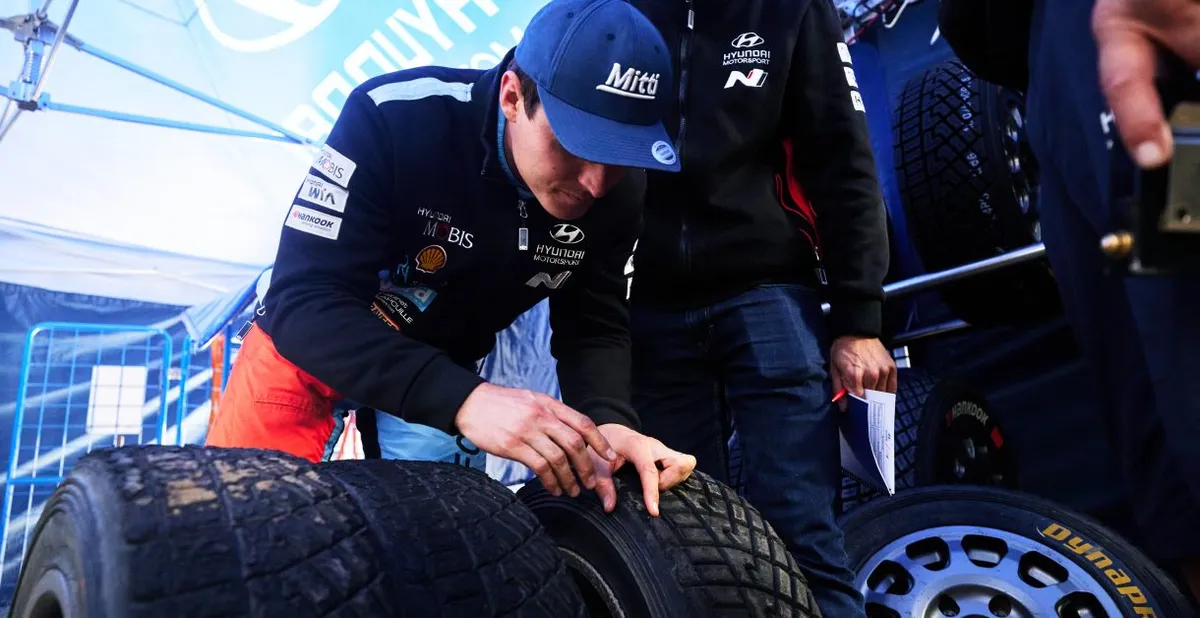

Adrien Fourmaux led the praise for the World Rally Championship (WRC) tire supplier Hankook, the FIA, and WRC Promoter's decision to introduce a tire exchange zone at Rally Chile. The initiative came after a series of tire issues that disrupted Rally del Paraguay two weeks earlier.
Background of the Regulation Change
Typically, Rally1 crews are allowed 28 tires for use across a WRC round. But in Chile, that allowance was increased to 36. Additionally, tire exchange zones were added to the itinerary between Lota and Maria las Cruces on Saturday, and midway through Sunday between SS14 BioBio 1 and SS15 Carampangue 2. Competitors had to keep the same number of tires in the car that they’d left service with, but could exchange up to two used tires for two new ones of differing compounds if they wished.
Positive Feedback from Drivers
Fourmaux said the tire exchange zone really helped. "It worked," he told DirtFish. "I think it would have been more trouble today [on Sunday if we didn’t have this exchange zone], especially. And I think yesterday also. So globally, I think it was a good reaction, yeah."
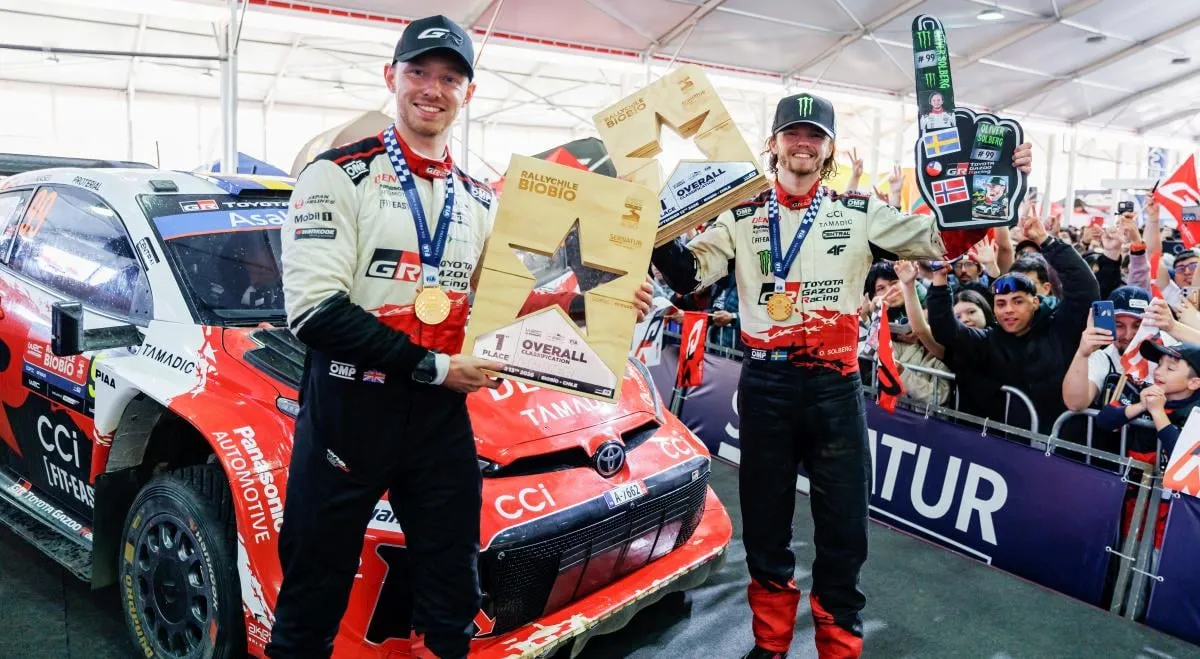
Toyota's Sami Pajari agreed and even hoped the format would be replicated at future events. "Actually I think that was quite good thing to have," he said. "Of course it’s nicer for us, you can have a little bit more margin to play with and I think it’s also nicer for the fans that we are just not going slowly, that we can really push. I know this game is not cheap, and we always talk about the expenses, but maybe four extra tires is not going to change anything at the end of the day. So, for me, that was a nice thing to do."
Appreciation from Hankook
Hankook spokesperson Steven Cho thanked all stakeholders for their cooperation in implementing the change at short notice. "Big thanks to everyone at the FIA and at the promoter, and of course all of the technical teams and all the manufacturers, it really is a very close working relationship and a good collaboration, even through the tough times," Cho told DirtFish. "This was an idea that came forward, and you know again big thanks to the promoter and the FIA to help us implement that very, very quickly because to be honest, it was, I think, more difficult for the organizers and the FIA to get it done than it was for us. So everyone was very open about it. And, you know, the sort of statement and the feeling that we’re all in the same boat and we’re all doing our best for the championship was very clear."
Impact on Championship and Performance
Tires were far less of a talking point across Rally Chile than they had been in Paraguay. However, championship leader Elfyn Evans did suffer a puncture that he had to change on Sunday, costing him three positions overall and valuable championship points. Cho added, "I think we knew that, of course, Saturday and Sunday would be more difficult than the Friday, even without the help of the weather. And then Sunday, I guess, was sort of known to be a tire killer anyways. We had relatively warm temperature, so, I’m not surprised that we had a little bit more sort of frequency of issues."
The decision to increase the tire allocation and introduce tire exchange zones in Chile demonstrates the swift response of WRC stakeholders to emerging challenges. With support from drivers like Fourmaux and Pajari, as well as appreciation from Hankook, this step could set a precedent for future events, especially those that are tough on tires. However, the incident that befell Evans serves as a reminder that tire management remains a crucial factor in the championship battle.
Read Also
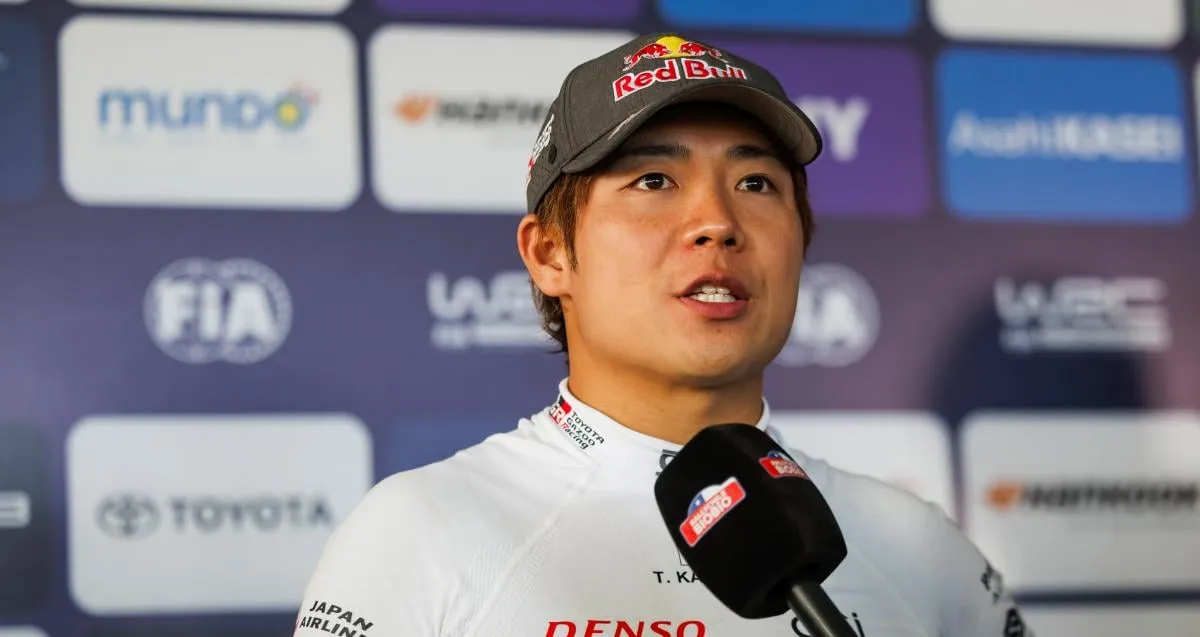
Takamoto Katsuta speaks out on his WRC struggles after crashes in Paraguay and Chile. Valuable lessons and determination to bounce back.
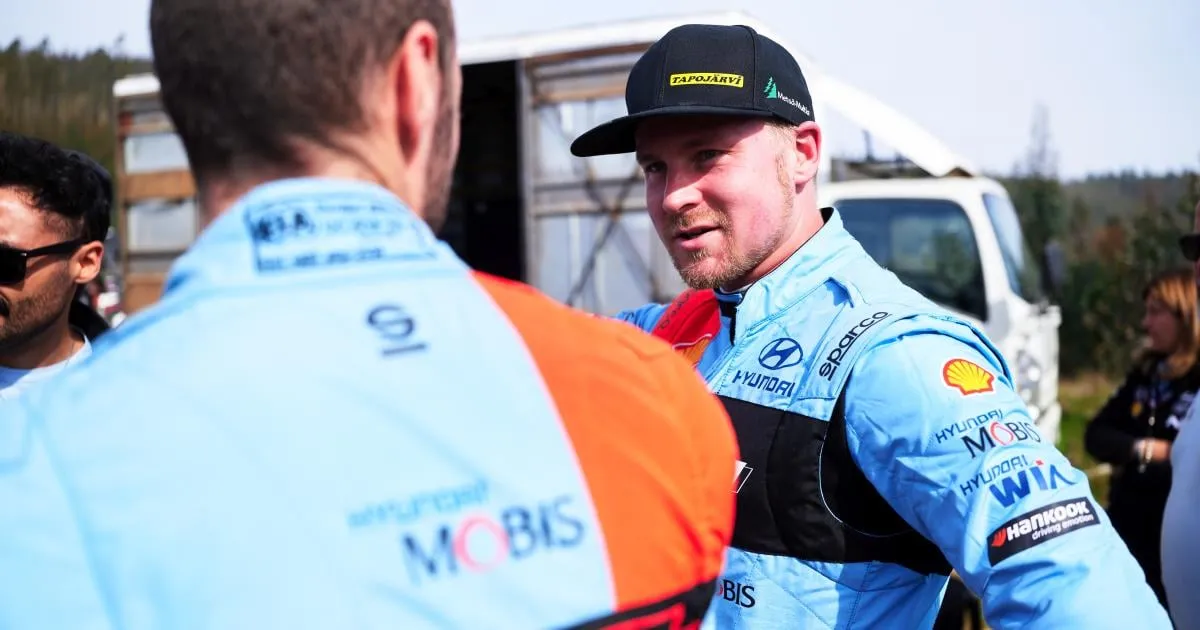
Esapekka Lappi ends his 2025 WRC season with Hyundai, apologizing after finishing sixth at Rally Chile. Read his full statement.
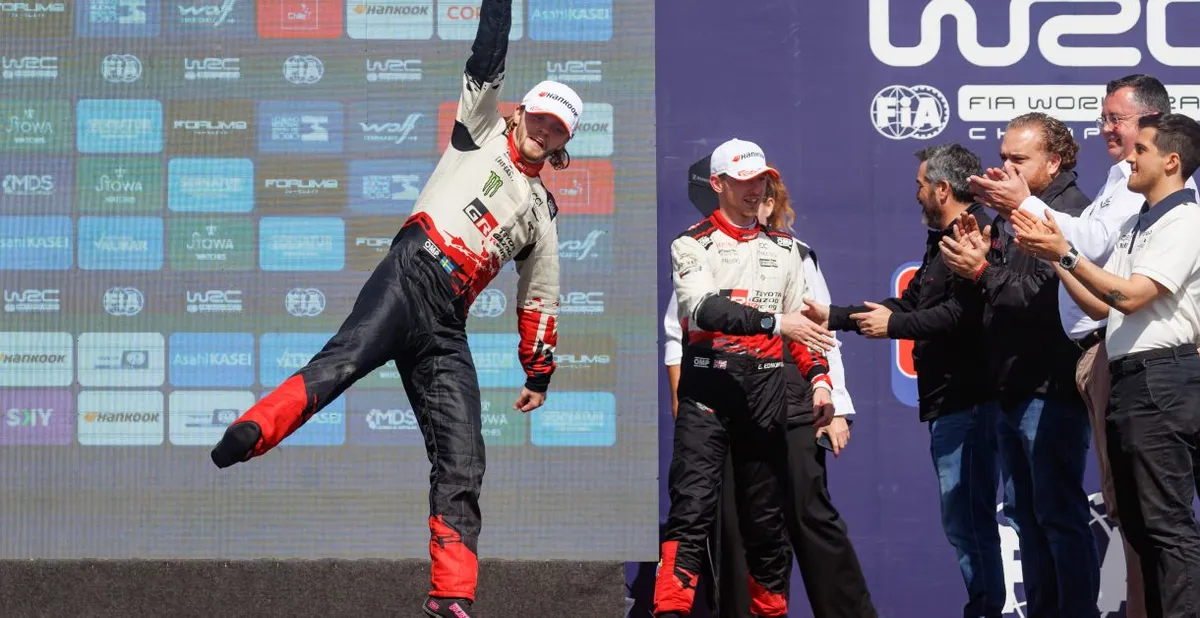
Oliver Solberg says his Rally Chile victory is a result of persistence, not luck. He is now just 21 points behind the WRC leader.
 Continue with Google
Discussion (0)
Join the Discussion!
Sign in easily to start commenting, replying, and interacting with other readers.
Latest Comments
No comments yet. Be the first!