







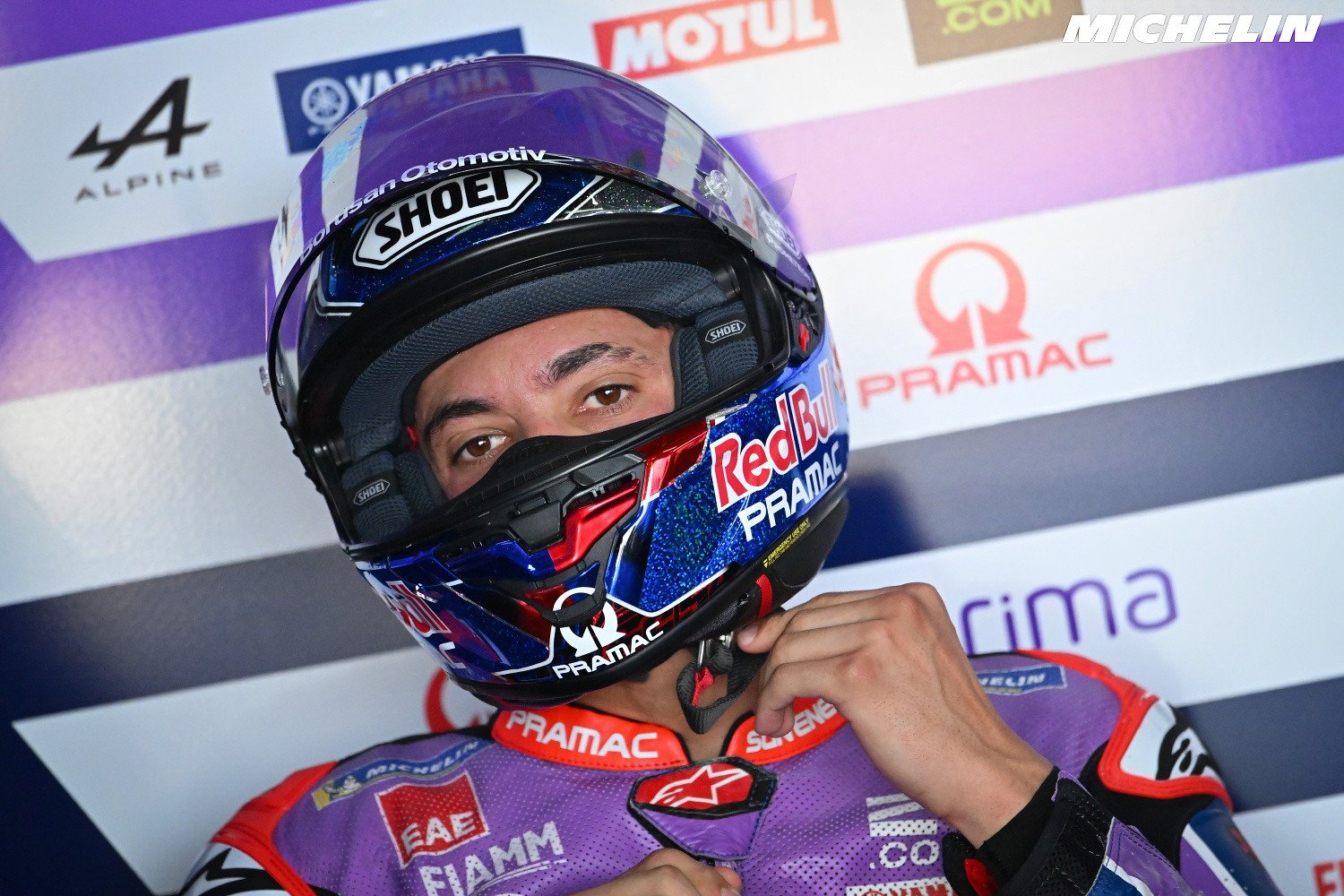

MotoGP, Sportrik Media - Toprak Razgatlioglu at Yamaha MotoGP has highlighted the crucial role of Andrea Dovizioso in supporting his transition to the premier class during the 2026 season.
Arriving as a WorldSBK champion, Razgatlioglu faces a significant adjustment in adapting his riding style from production-based machinery to MotoGP prototypes. The complexity of the bikes—particularly in braking techniques, aerodynamic influence, and corner speed management—requires a fundamentally different technical approach. In this context, Dovizioso’s extensive MotoGP experience has become a key reference point.
Dovizioso, a multiple-time championship runner-up with Ducati and a former rider for Honda and Yamaha, now operates in a rider performance advisory role. His contribution extends beyond data analysis, including trackside observation to help Razgatlioglu interpret riding inputs and optimise race execution under varying conditions.
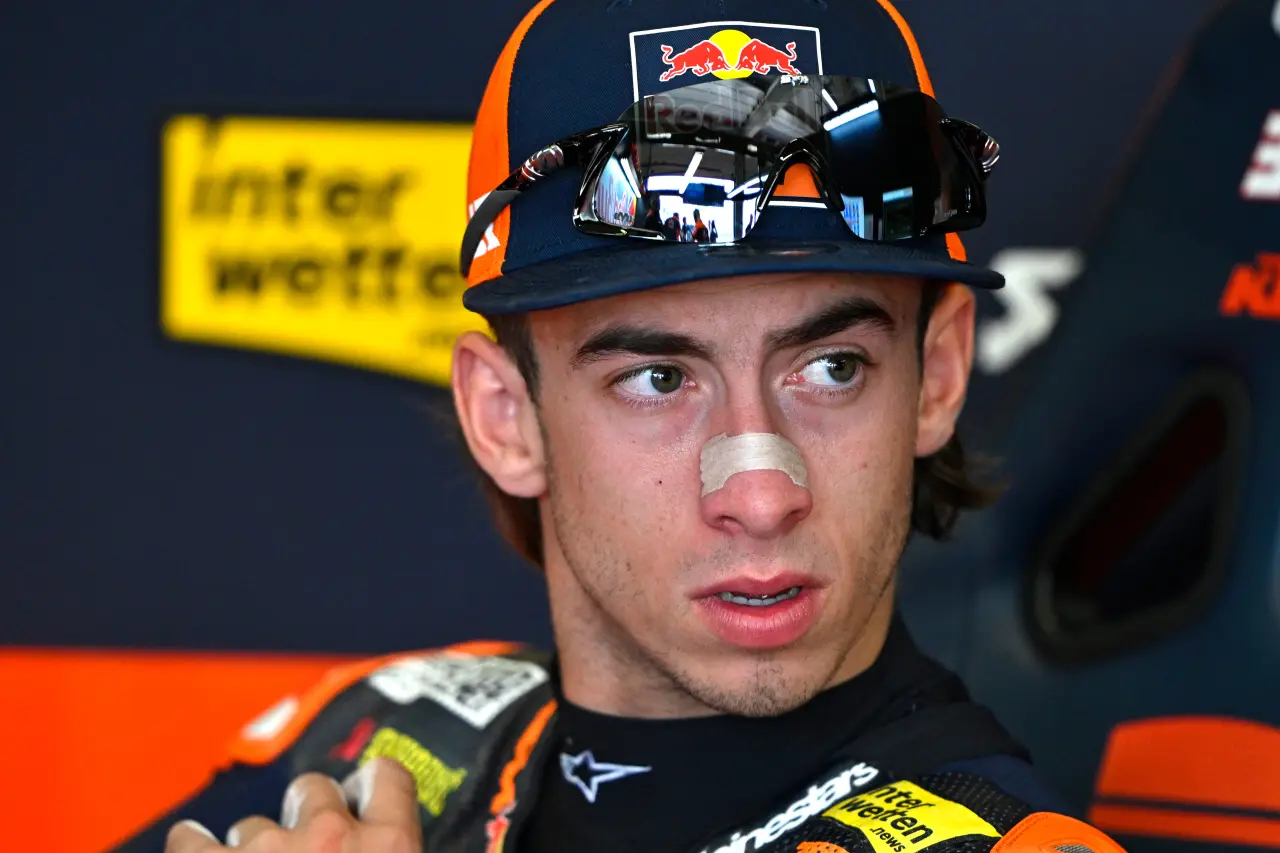
"Dovi is a very experienced rider. I always trust him and listen to him," Razgatlioglu said.
"Sometimes he watches from trackside and always tries to help me find the right direction."
However, translating technical guidance into on-track execution remains a complex process. Razgatlioglu acknowledged that understanding what needs to change does not always directly translate into immediate performance gains, particularly when adapting braking points and maintaining minimum corner speed.
"He explains everything, but it is not always easy to do. Still, I always trust him."
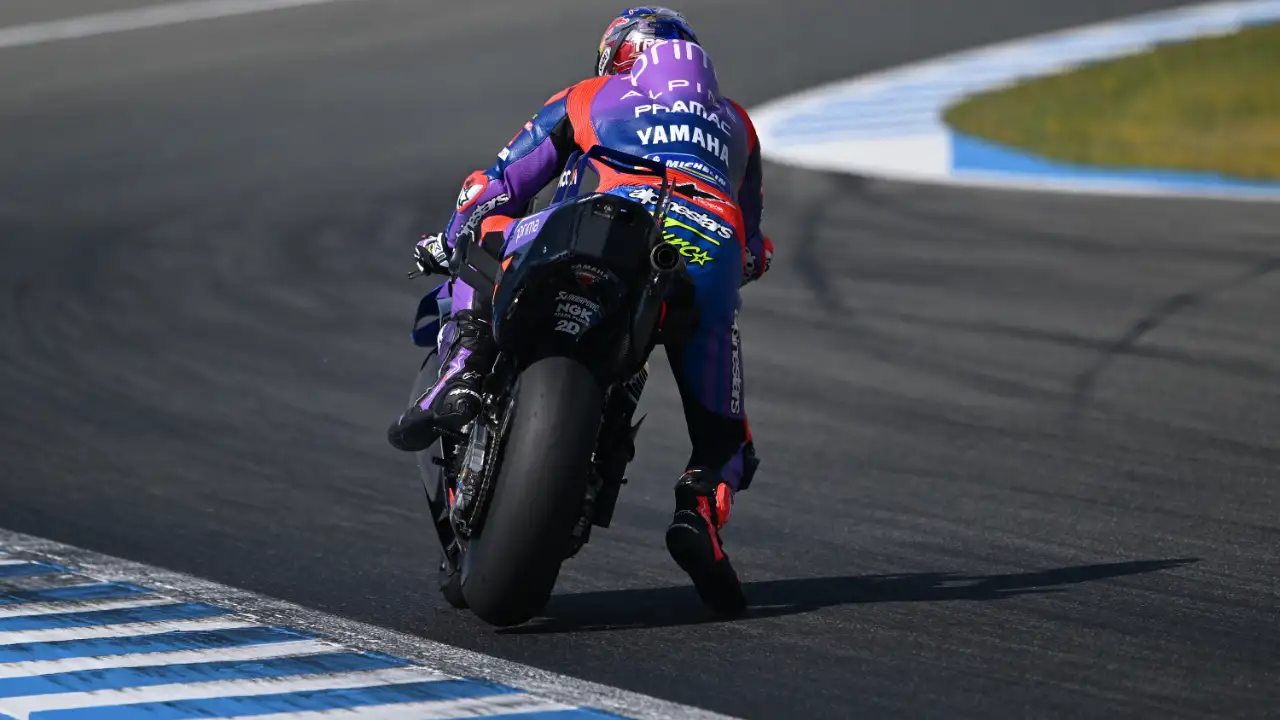
After scoring his first MotoGP points at the Circuit of the Americas, Razgatlioglu moved to Jerez—a circuit he knows well from WorldSBK competition. Despite that familiarity, the characteristics of the latest Yamaha M1 presented ongoing challenges. Even Fabio Quartararo experienced a performance drop compared to previous seasons, underlining the broader adaptation phase within the team.
Razgatlioglu’s primary focus has been on improving performance through faster corners, particularly sectors requiring precise rotation and stability. He identified understeer as a key limitation, forcing him to carry additional braking into corners and compromising exit acceleration.
External factors such as wind conditions have also played a role, especially given the increased aerodynamic complexity of MotoGP machinery compared to his previous WorldSBK bike. This has added another layer of difficulty in achieving consistent performance.
With a notable gap still separating him from front-running riders such as Marco Bezzecchi, and direct comparisons with other Yamaha riders, Razgatlioglu’s adaptation process is expected to continue over the coming rounds. His progression will be a key factor in determining his competitiveness as the 2026 MotoGP season develops.
Read Also
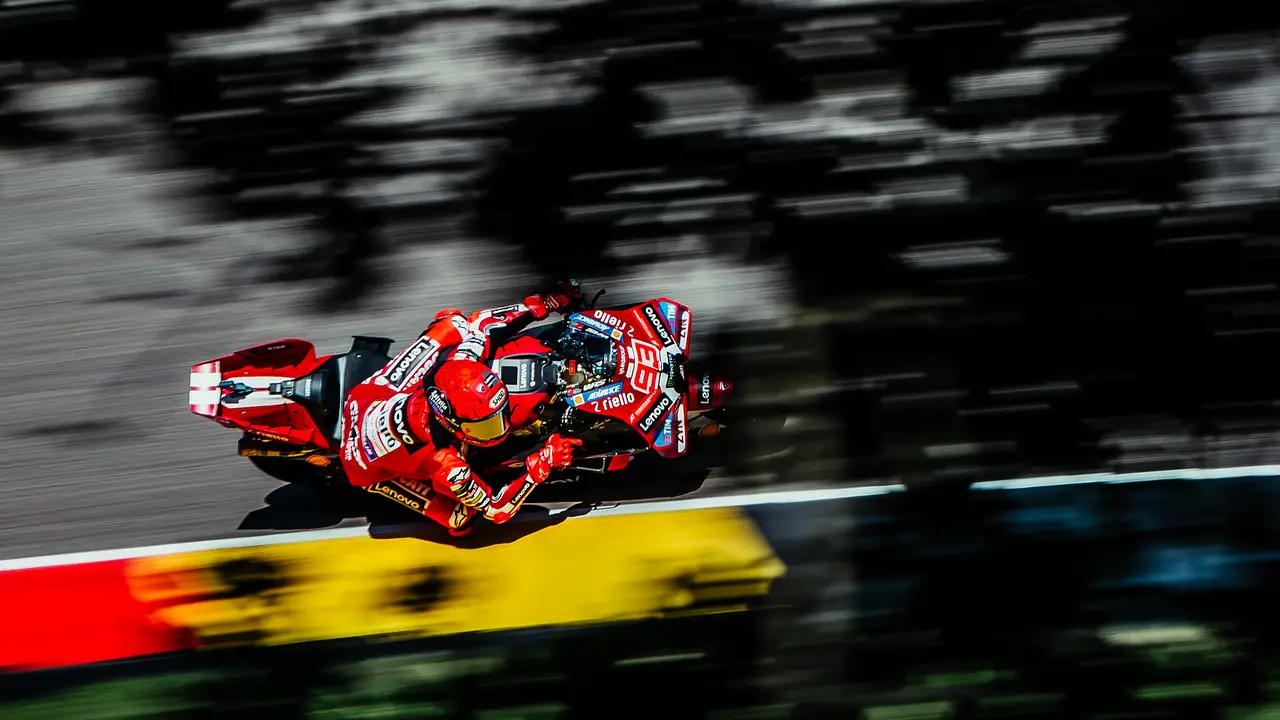
Marc Marquez says modern MotoGP bikes force riders into a robot-like style as aerodynamics increasingly dictate how the machinery is ridden.
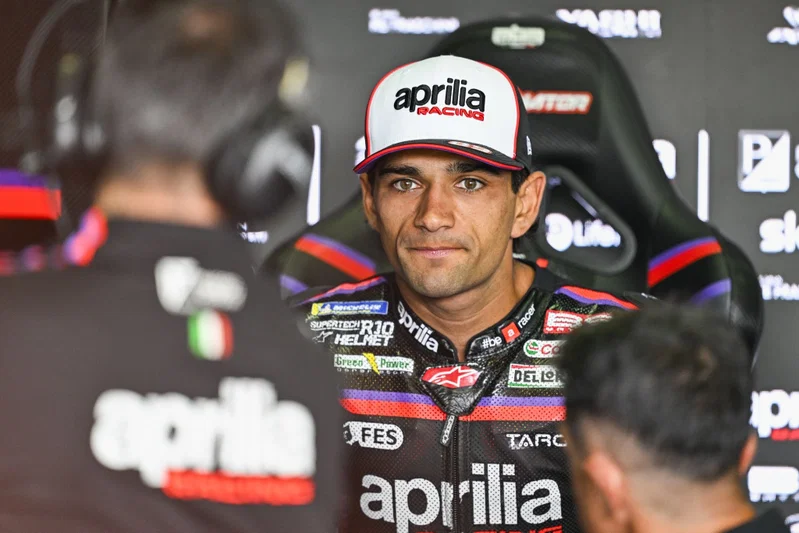
Jorge Martin is reportedly set to work with former Valentino Rossi crew chief David Munoz when he joins Yamaha’s factory MotoGP team in 2027.
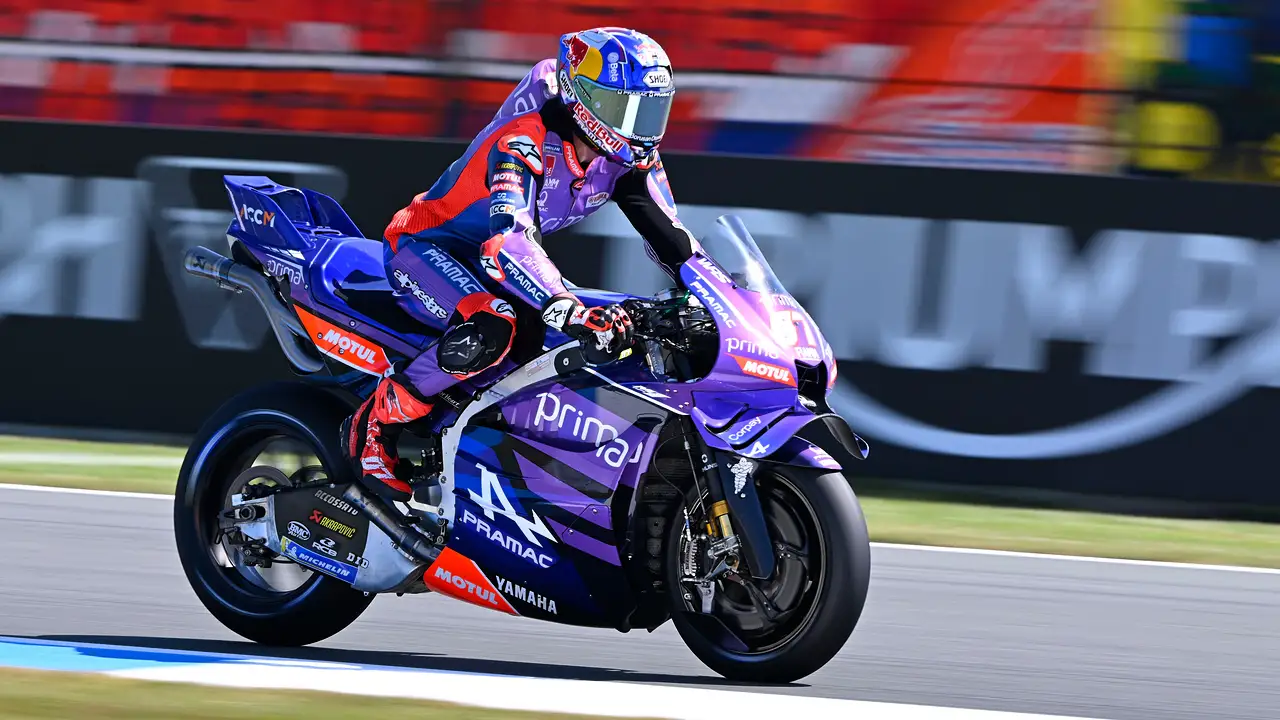
Toprak Razgatlioglu’s MotoGP riding style has impressed the Pramac Yamaha crew, particularly through his aggressive high-speed corner entries.
 Continue with Google
Discussion (0)
Join the Discussion!
Sign in easily to start commenting, replying, and interacting with other readers.
Latest Comments
No comments yet. Be the first!