







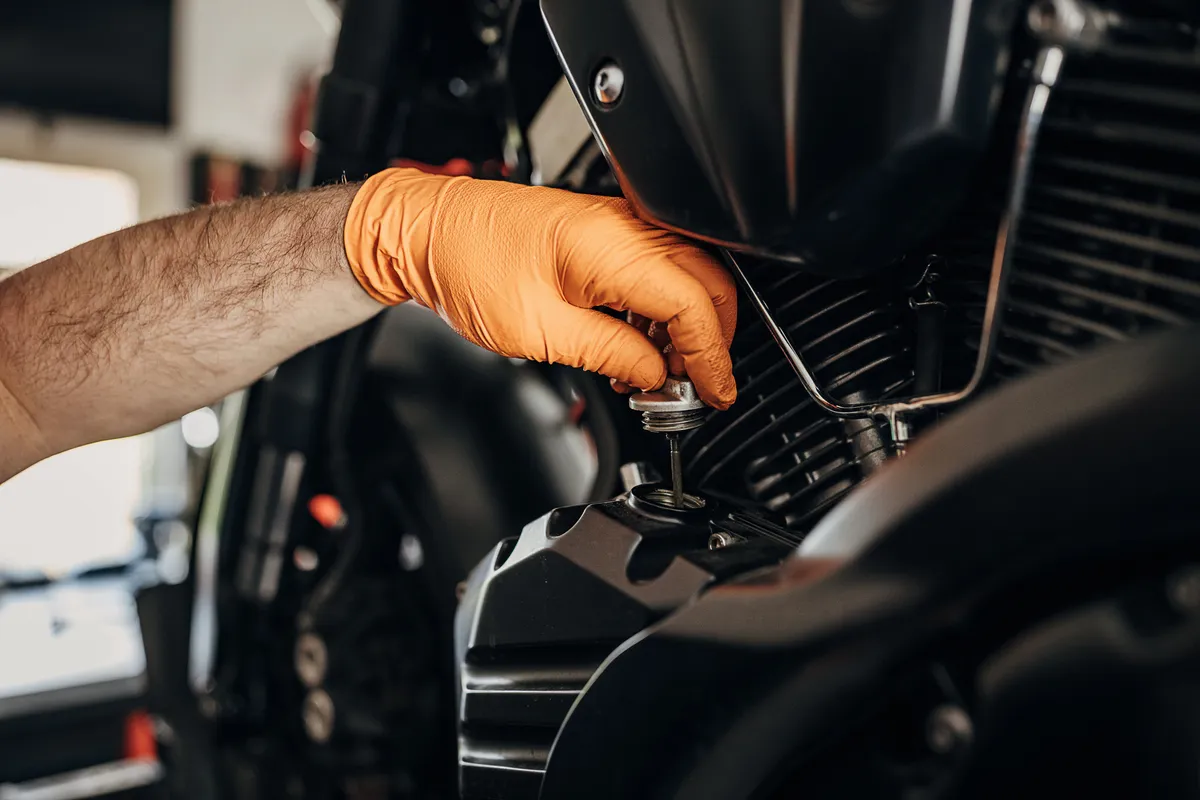

In a modern motorcycle, much of the vital work that allows riders to enjoy every single kilometer takes place entirely out of sight. Engine lubrication stands out as one of those silent yet critical processes that dictate mechanical reliability, particularly when shifting between urban traffic rhythms, fluctuating temperatures, and aggressive riding conditions.
The moment the starter button is engaged, a crucial operational cycle begins for the health of any motorcycle. As the engine comes to life, the engine oil immediately circulates through internal conduits to coat surfaces requiring immediate protection. Its function extends far beyond simply keeping two metallic parts from grinding against one another; the lubricant helps control friction, assists in dissipating thermal energy, and limits progressive wear.
Engines rarely operate under identical conditions twice. A cold morning commute, heavy city gridlock, and an open mountain pass present vastly different scenarios for the exact same powerplant. The lubricant must continuously adapt to these thermal and rotational shifts without sacrificing its core protective properties.
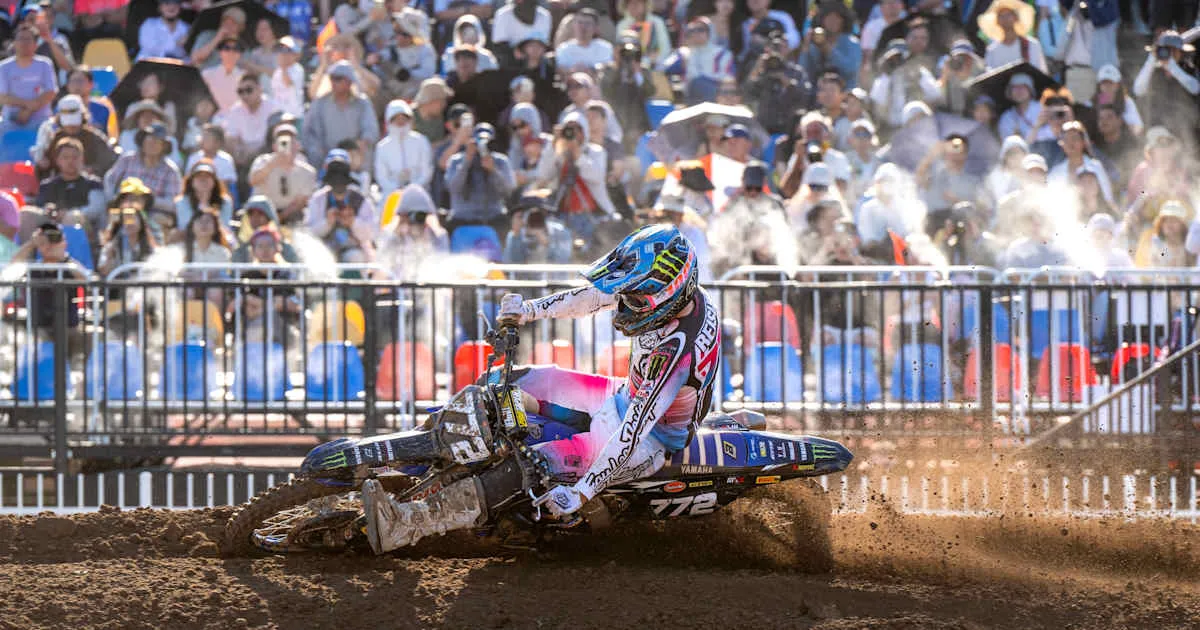
The continuous evolution of tribology technology addresses the diverse demands of contemporary powertrains. Specialized energy companies like Repsol dedicate substantial engineering efforts to developing advanced lubricants tailored to specific mechanical requirements and operating environments.
Selecting the correct fluid requires looking closely at manufacturer specifications rather than simply opting for the most expensive container on the shelf. As reported by Motosan.es, respecting the original engineering design through proper fluid choice ensures long-term mechanical longevity.
Read Also
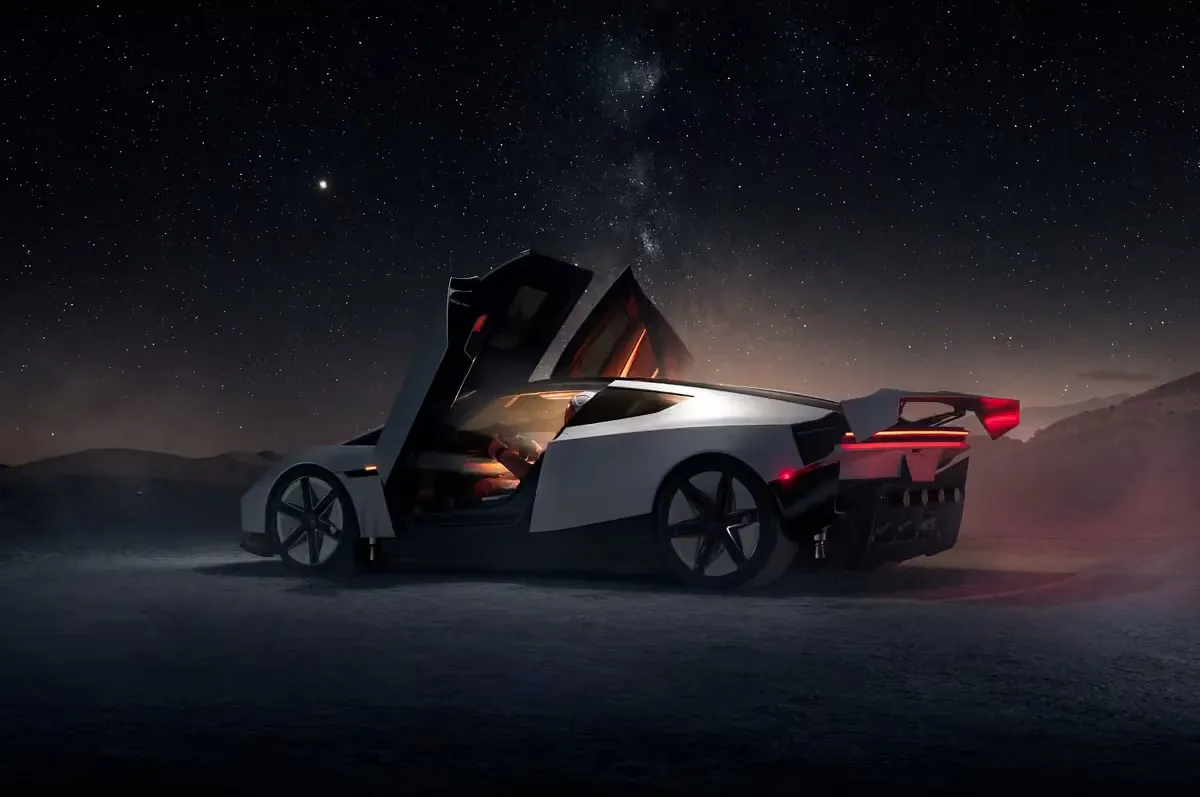
Simak analisis mendalam mengenai kemiripan paten aerodinamika Ferrari 2018 dan teknologi pendorong udara Tesla Roadster terbaru di sini.
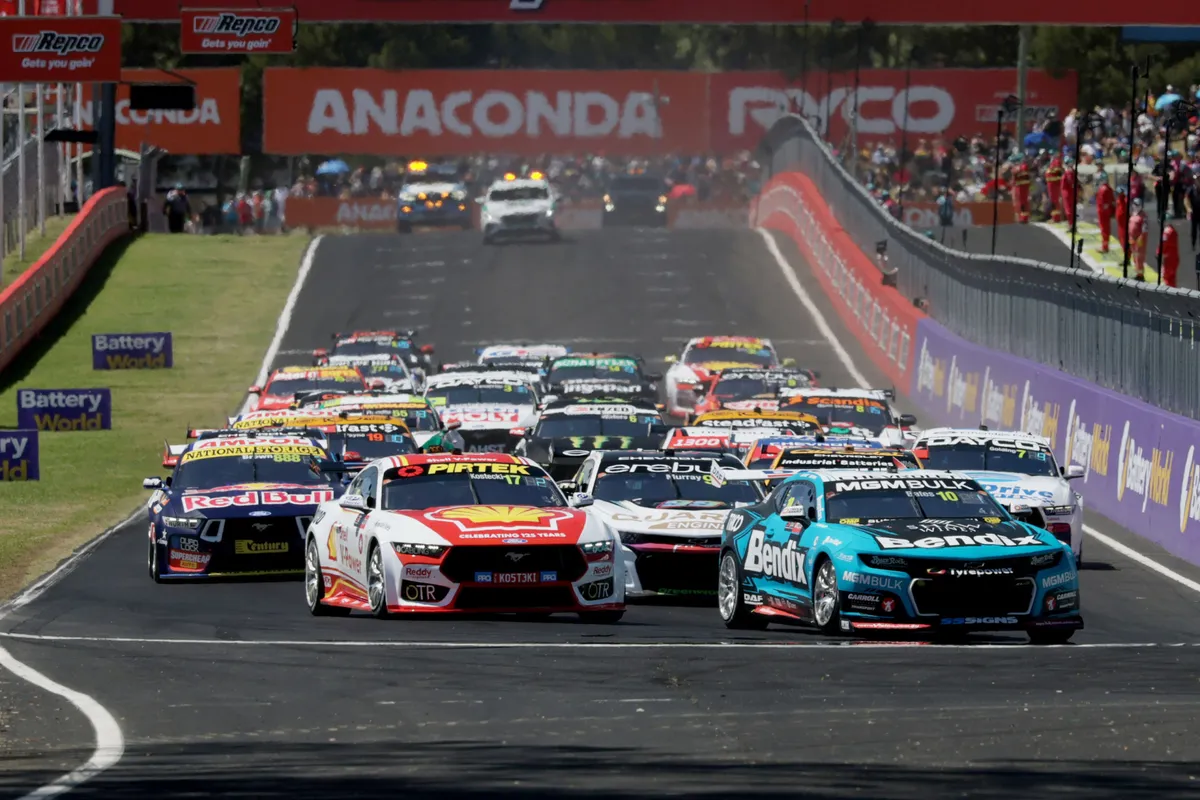
Simak analisis mendalam performa co-driver Bathurst 1000, mulai dari catatan lap Will Davison hingga aksi gemilang Todd Hazelwood. Baca selengkapnya di sini!
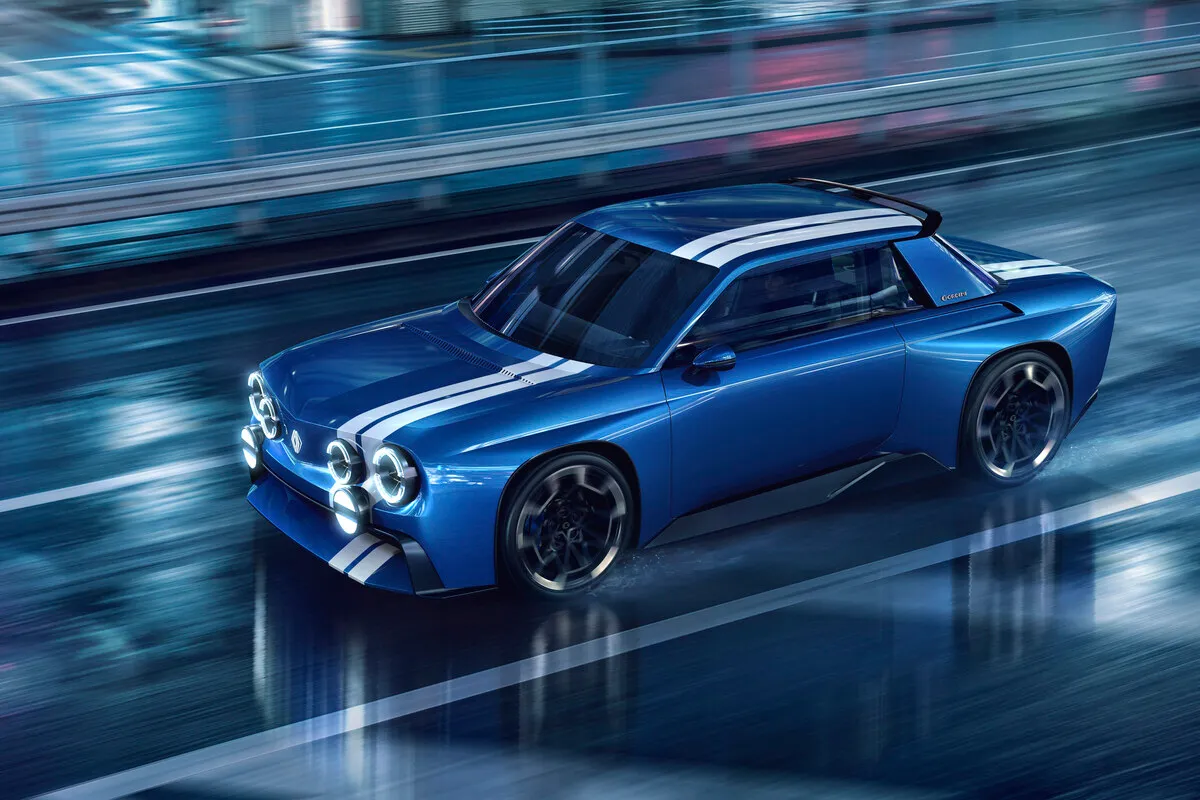
Renault buka peluang produksi massal untuk konsep 8 Gordini EV setelah pengiriman R5 Turbo 3E. Simak analisis lengkap strategi elektrifikasi di sini.
 Continue with Google
Discussion (0)
Join the Discussion!
Sign in easily to start commenting, replying, and interacting with other readers.
Latest Comments
No comments yet. Be the first!