








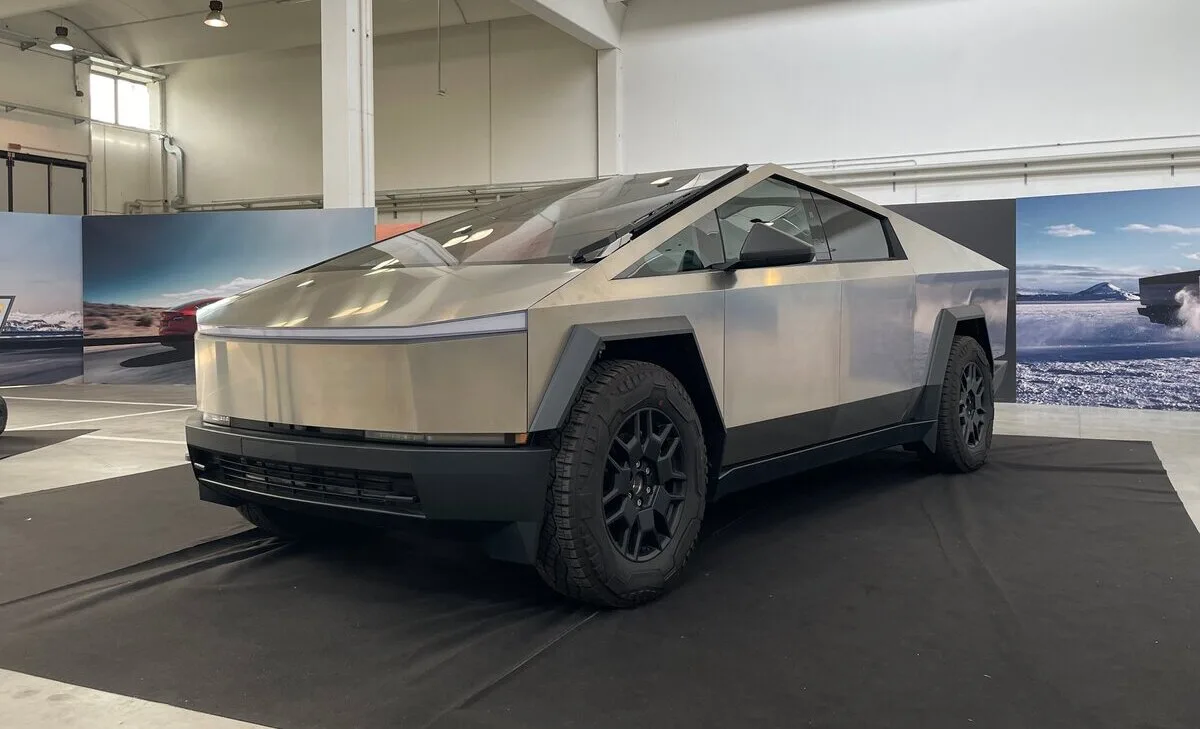
The global automotive industry is facing a harsh reality regarding the mass electrification trend, particularly within the heavy-duty utility vehicle segment. Tesla has reportedly decided to scale down manufacturing operations for the Cybertruck at its Texas Gigafactory to accommodate the upcoming Cybercab autonomous vehicle project, with full production cessation anticipated in the coming years.
This drastic strategic pivot follows admissions that reservation figures exceeded manufacturing capabilities, forcing the company to issue refunds for deposits collected from early adopters. Industry analysts highlight this scenario as a prime illustration of the struggles plaguing the once-hyped full-size electric truck segment, a market that major automotive manufacturers aggressively promoted to consumers worldwide.
Sales data indicates a significant downward trend, with delivery figures dropping by 28 percent during the first nine months of the operational year. This performance falls remarkably short of the ambitious annual targets previously projected by company chief Elon Musk. Furthermore, this slump is not an isolated incident for a single brand, as legacy automotive giants including General Motors, Ford, and Stellantis are encountering similar roadblocks in capturing consumer interest.
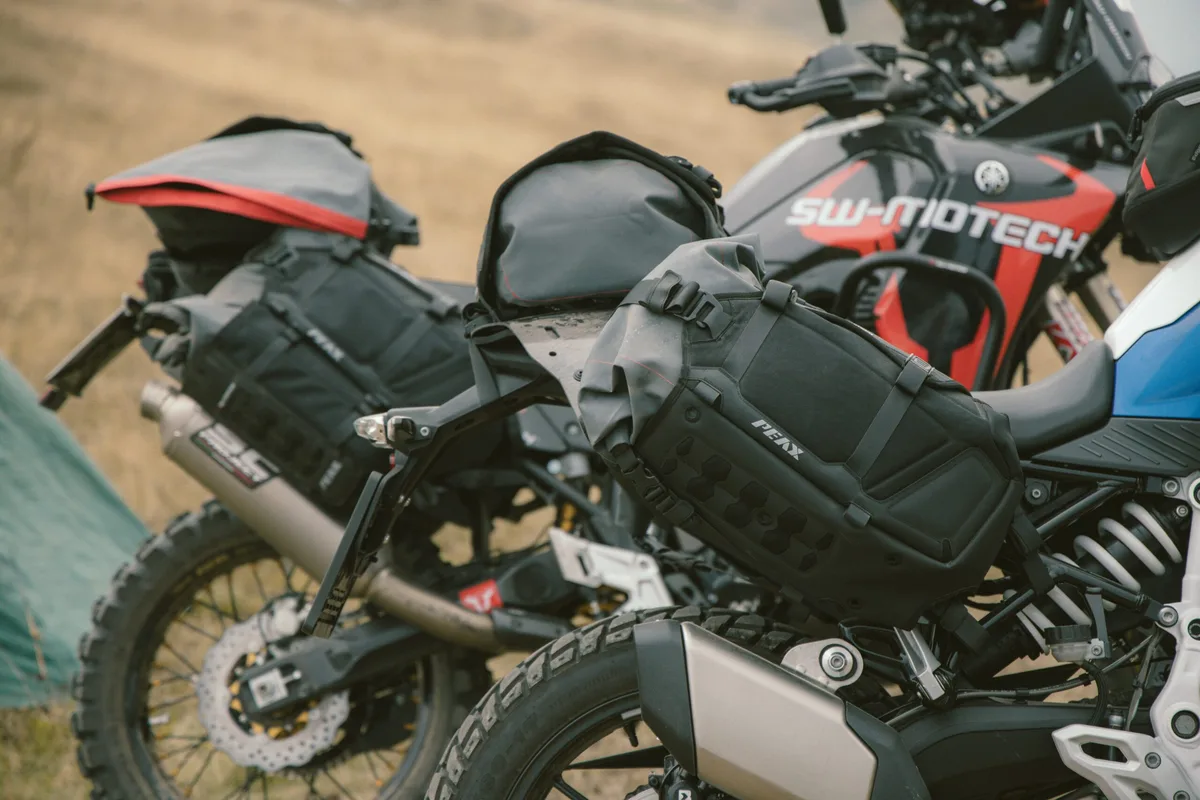
The root cause behind the sluggish adoption of battery-powered utility trucks boils down to two primary hurdles identified by traditional truck owners. First, the retail pricing remains excessively high for the value offered. Second, these electric utility vehicles frequently struggle to perform demanding utilitarian tasks that internal combustion engine owners take for granted, such as towing heavy horse trailers or hauling substantial industrial equipment.
Confronted by these functional limitations and payload efficiency constraints, several vehicle manufacturers are actively exploring alternative powertrain solutions, turning toward hybrid technologies to deliver necessary capabilities. Upcoming extended-range electric vehicle architectures utilizing onboard gasoline generators to recharge battery packs on the move are anticipated to bridge this engineering gap.
Read Also
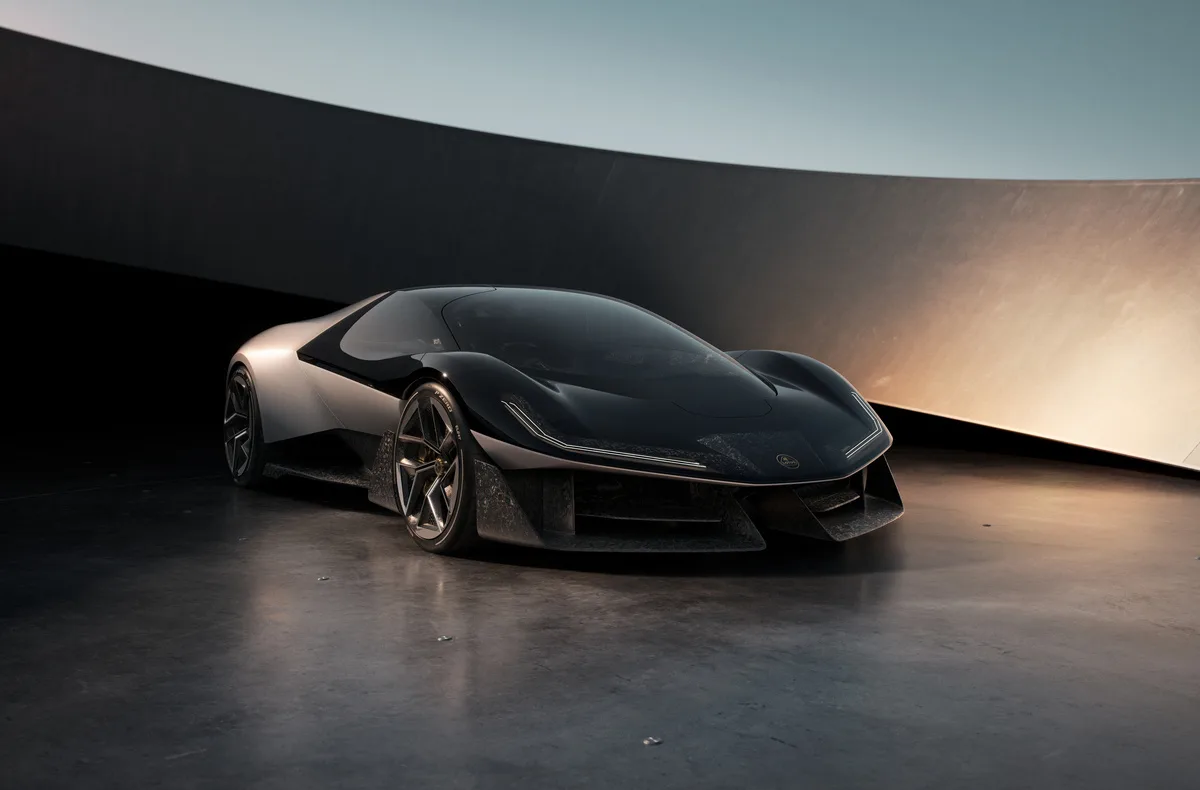
Simak analisis lengkap spesifikasi mesin V8 biturbo Lotus Type 135 yang tembus 1000 HP. Baca ulasan mendalam performa supercar baru ini di sini.
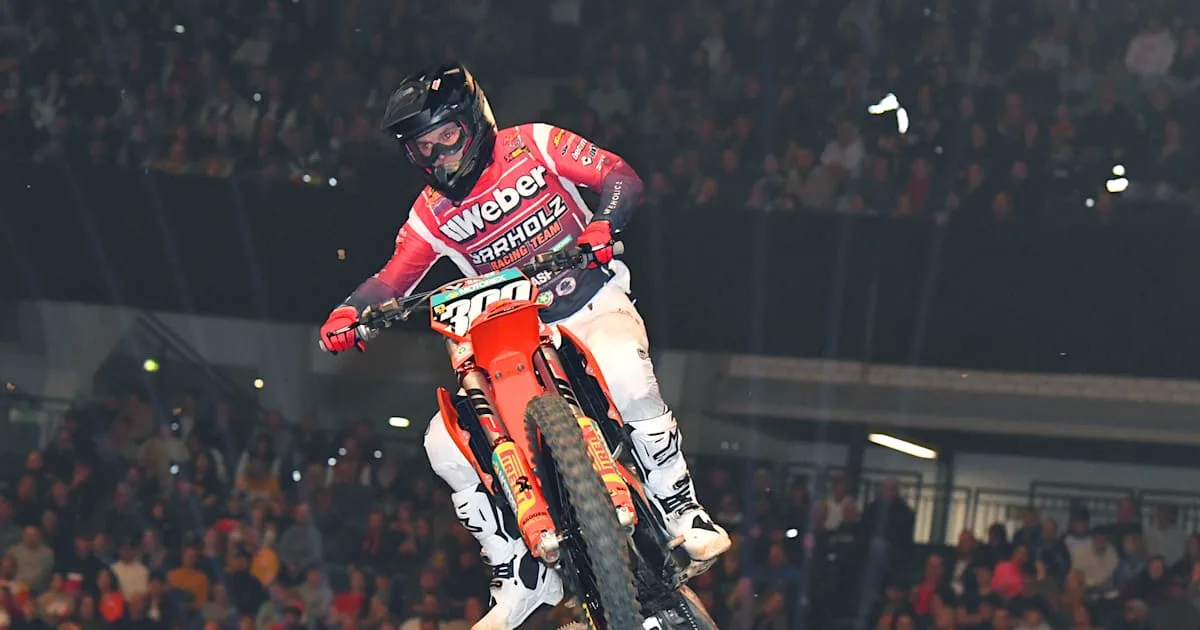
Simak analisis performa gemilang Noah Ludwig amankan status pembalap Jerman terbaik di Stuttgart. Baca laporan lengkap dan update klasemen di sini.
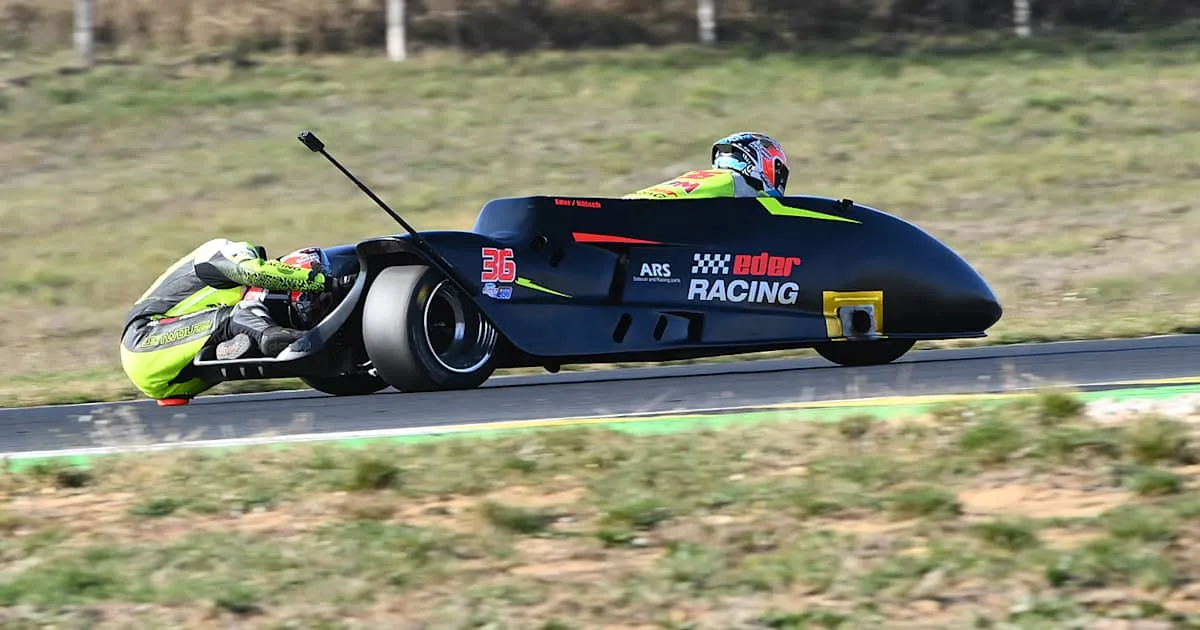
Simak perjalanan ambisius Thomas Eder dan Kevin Kolsch dalam menguasai balap sidecar. Baca analisis performa dan dedikasi mereka di lintasan balap di sini.
 Continue with Google
Discussion (0)
Join the Discussion!
Sign in easily to start commenting, replying, and interacting with other readers.
Latest Comments
No comments yet. Be the first!