








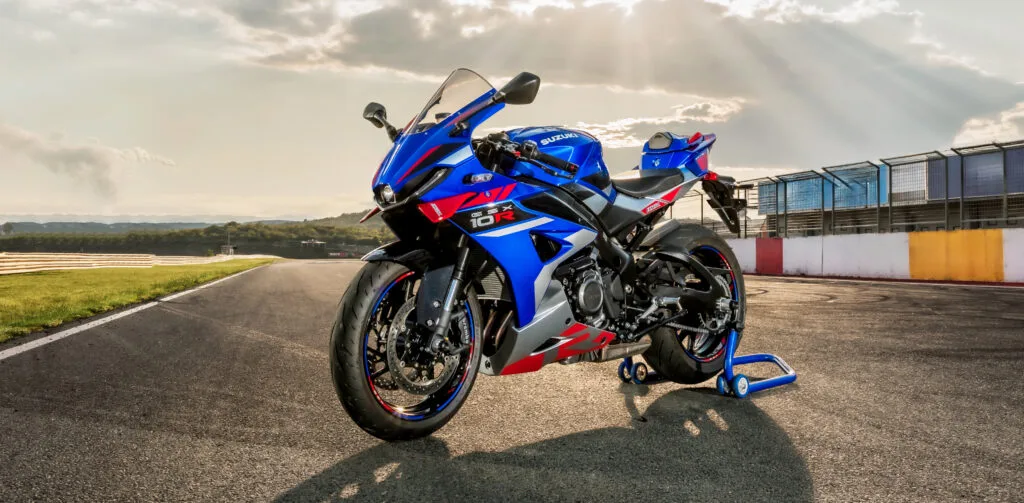
Japanese manufacturer Suzuki has officially marked a monumental milestone in the global automotive industry. As of July 2026, the company announced that it has surpassed the 100 million units production mark, encompassing both motorcycles and all-terrain vehicles (ATVs). This achievement comes after more than seven decades of dedicated development since the firm first entered the two-wheeled sector.
The journey began back in 1952 with the introduction of the Power Free, a 36cc motorized bicycle that served as the company's first foray into mechanical propulsion. While modest by modern engineering standards, the Power Free addressed a critical need for accessible, daily transport. This humble beginning laid the groundwork for decades of innovation and international expansion that would eventually reshape the brand’s global trajectory.
According to official figures, the total production volume consists of 97.4 million motorcycles and 2.77 million ATVs. This success is built upon the legacy of iconic models that have captured the imagination of riders worldwide. Machines such as the legendary Hayabusa, the high-performance GSX series, and the versatile V-Strom range have become synonymous with the brand's commitment to quality and performance.
Suzuki’s ability to cater to diverse market segments has been instrumental in its long-term growth. By balancing everyday commuting needs with specialized high-performance and adventure machines, the manufacturer has maintained a strong identity across different demographics. The enduring popularity of the DR series further cements their deep-rooted connection with off-road and adventure enthusiasts, a relationship that has remained vital for over 74 years.
Reaching the 100 million unit mark is more than just a numerical triumph; it is a testament to the engineering evolution and design philosophy that has defined the brand throughout its existence. As the automotive landscape continues to shift, this milestone stands as a pillar of their legacy, providing the firm with the necessary momentum to navigate the complexities of future mobility challenges.
Read Also
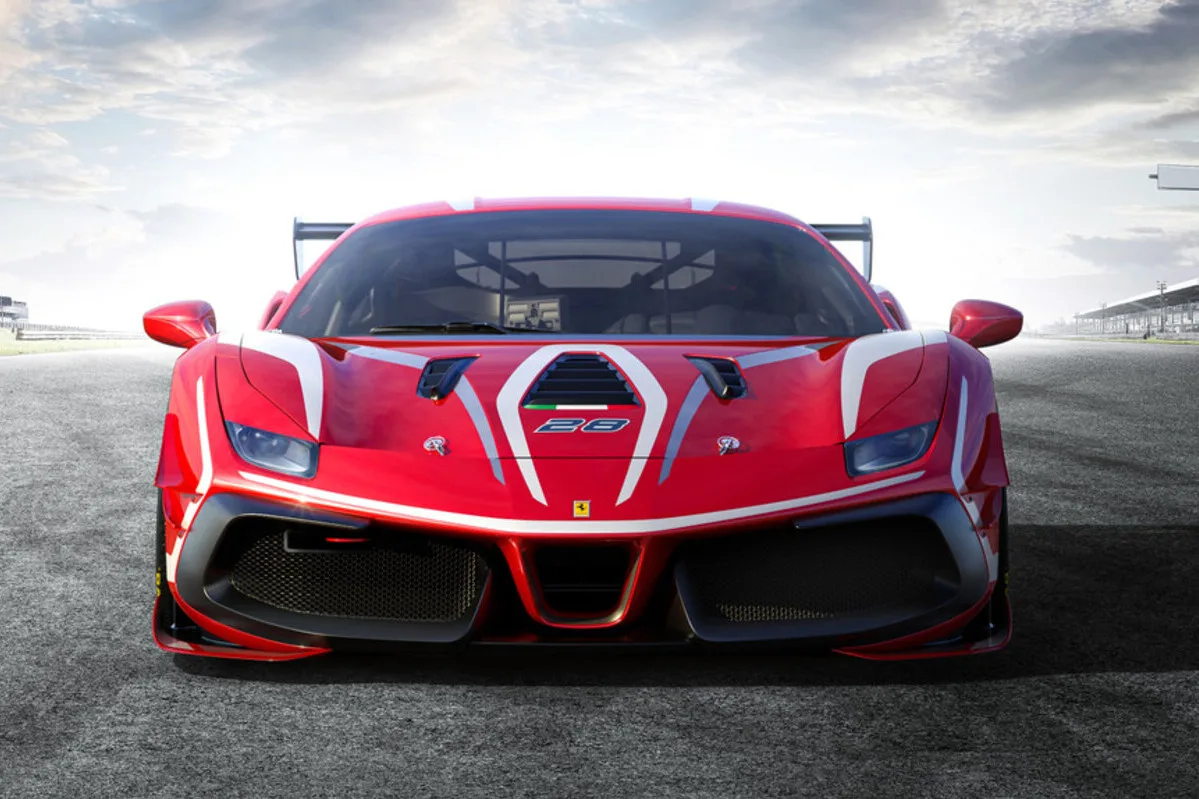
Ferrari 488 Challenge Evo hancur total setelah menabrak pembatas di Nurburgring. Simak kronologi kecelakaan Robert Sanchez dan kondisi terkini di sini.

Pasar otomotif China anjlok ke level terendah dalam 12 tahun terakhir. Simak analisis mendalam mengenai tren penjualan dan dominasi mobil listrik di sini.
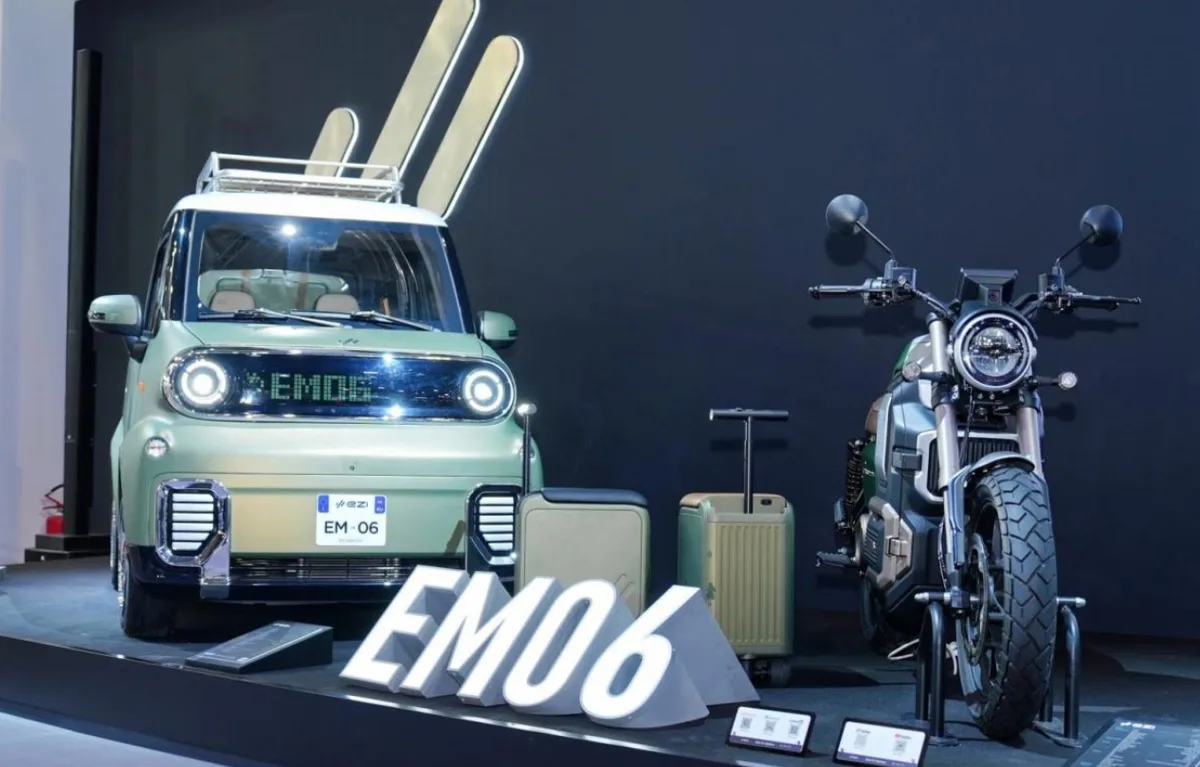
Simak spesifikasi lengkap motor listrik EZI HYPEMAX berarsitektur 400V dan fitur canggihnya. Baca analisis mendalam di sini untuk tahu lebih banyak.
 Continue with Google
Discussion (0)
Join the Discussion!
Sign in easily to start commenting, replying, and interacting with other readers.
Latest Comments
No comments yet. Be the first!