







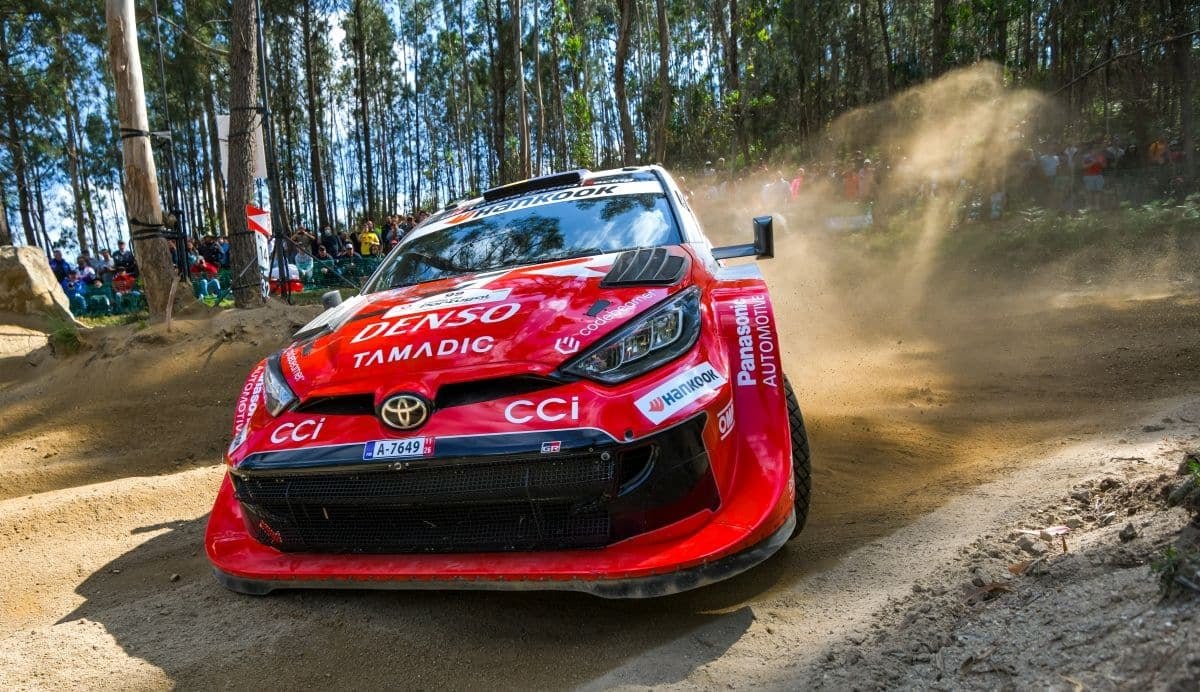

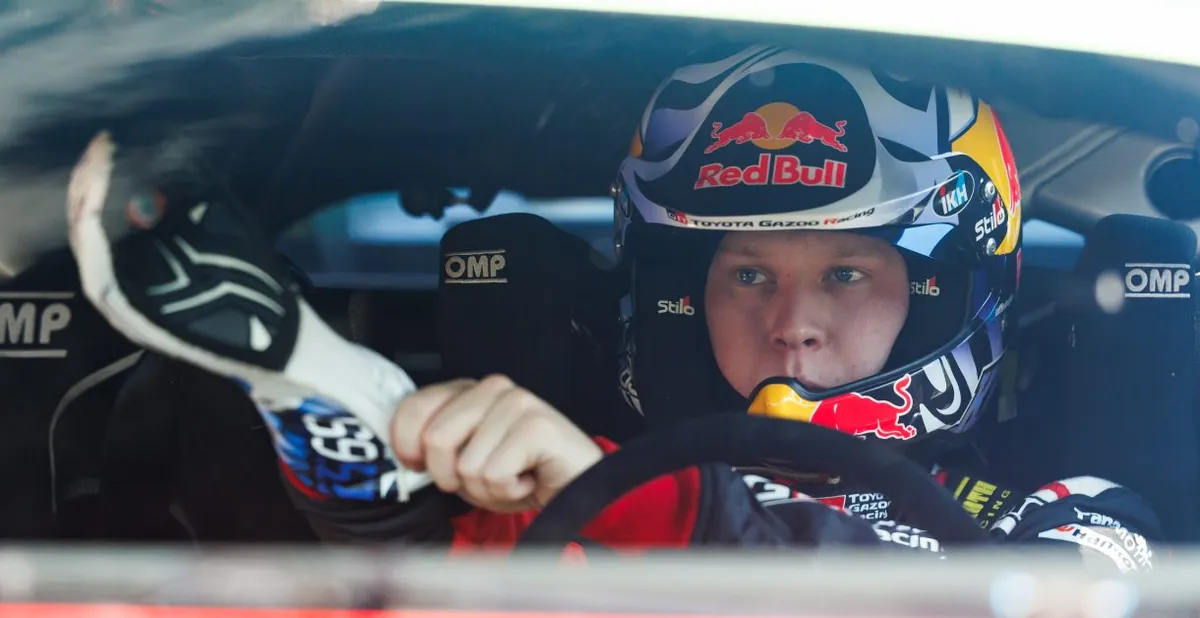
Oliver Solberg has seized the lead of the general classification in Rally Portugal after recording the fastest time in the second Special Stage (SS2). The Toyota driver conquered the 20-kilometer stretch, finishing 1.4 seconds ahead of Thierry Neuville. This dominant performance in SS2 has allowed Solberg to extend his overall lead to 3.4 seconds over Adrien Fourmaux.
Solberg's dominance in the second stage highlights a superior level of speed management on an extremely demanding surface. The Swedish star reported a massive accumulation of loose stones across the stage. From a technical perspective, the presence of such significant loose material severely compromises lateral traction, forcing drivers to rely heavily on chassis stability and precise suspension response to prevent the vehicle from sliding off-line during technical cornering maneuvers.
Conversely, Thierry Neuville, who finished second in SS2, admitted to struggling with the "feel" of the grip. Neuville noted that while the stage progressed well, he lacked sufficient feedback from the car regarding the tire's adhesion to the road surface. This loss of grip sensation is typically linked to the choice of tire pressure or suspension stiffness settings that may be too rigid for the technical nature of the terrain, thereby reducing the driver's ability to detect the absolute limit of traction before a slide occurs.
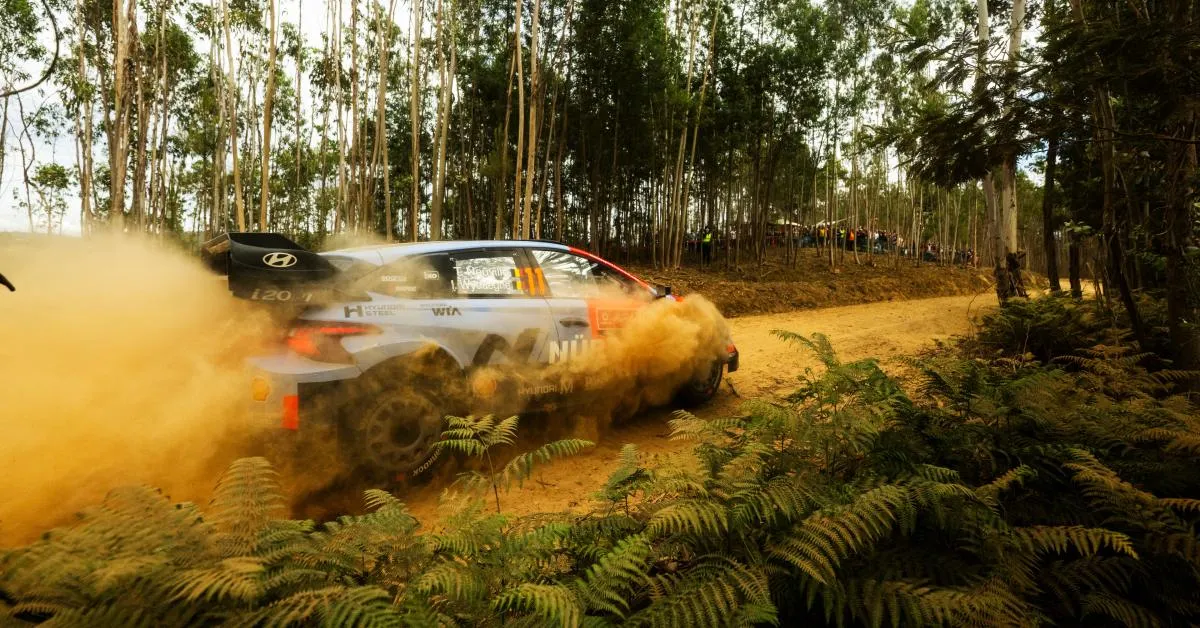
The situation was considerably more critical for Sami Pajari, who dropped to sixth place in the provisional standings. Pajari explicitly complained about the vehicle's handling, stating that the car refused to turn—a classic symptom of severe understeer. In technical rally terms, extreme understeer on gravel is often caused by an improper weight distribution favoring the front axle or suboptimal differential settings, which prevent the front wheels from biting into the surface during sharp directional changes.
Meanwhile, Elfyn Evans also reported extremely slippery conditions, confirming the rapid degradation of the road surface in SS2. Although Evans managed to maintain a top-five position, the struggle to find consistent grip suggests that tire compound strategy will be the deciding factor as the rally progresses. Toyota's efficiency in implementing rapid setup adjustments between stages will be key to maintaining Solberg's momentum at the top of the leaderboard.
The battle for the lead remains intense, with Sebastien Ogier the sitting in fourth place, trailing Solberg by 7.9 seconds. While Ogier is still working to rectify the balance issues reported since SS1, the consistent pace demonstrated by Toyota in SS2 puts immense pressure on Hyundai, which is now relying on Neuville and Fourmaux to halt the Japanese manufacturer's momentum.
Overall, the dynamics of SS2 have shifted the competitive landscape, highlighting Solberg's superior adaptation to the harsh terrain. The understeer experienced by Pajari and the lack of grip feedback felt by Neuville indicate that the setup configurations for Rally Portugal are highly sensitive to surface changes. Technical teams are now focused on optimizing load distribution and traction management to prepare for the remaining special stages that will determine the final outcome of the rally.
| Position | Driver | Car | Time/Gap |
|---|---|---|---|
| 1 | Oliver Solberg | Toyota | 26.20,0 |
| 2 | Adrien Fourmaux | Hyundai | +3,4 |
| 3 | Thierry Neuville | Hyundai | +7,5 |
| 4 | Sebastien Ogier | Toyota | +7,9 |
| 5 | Elfyn Evans | Toyota | +8,2 |
| 6 | Sami Pajari | Toyota | +10,3 |
| 7 | Dani Sordo | Hyundai | +11,3 |
| 8 | Takamoto Katsuta | Toyota | +15,5 |
| 9 | Jon Armstrong | Ford | +22,8 |
| 10 | Josh McErlean | Ford | +23,4 |
| 11 | Martins Sesks | Ford | +24,3 |
Read Also
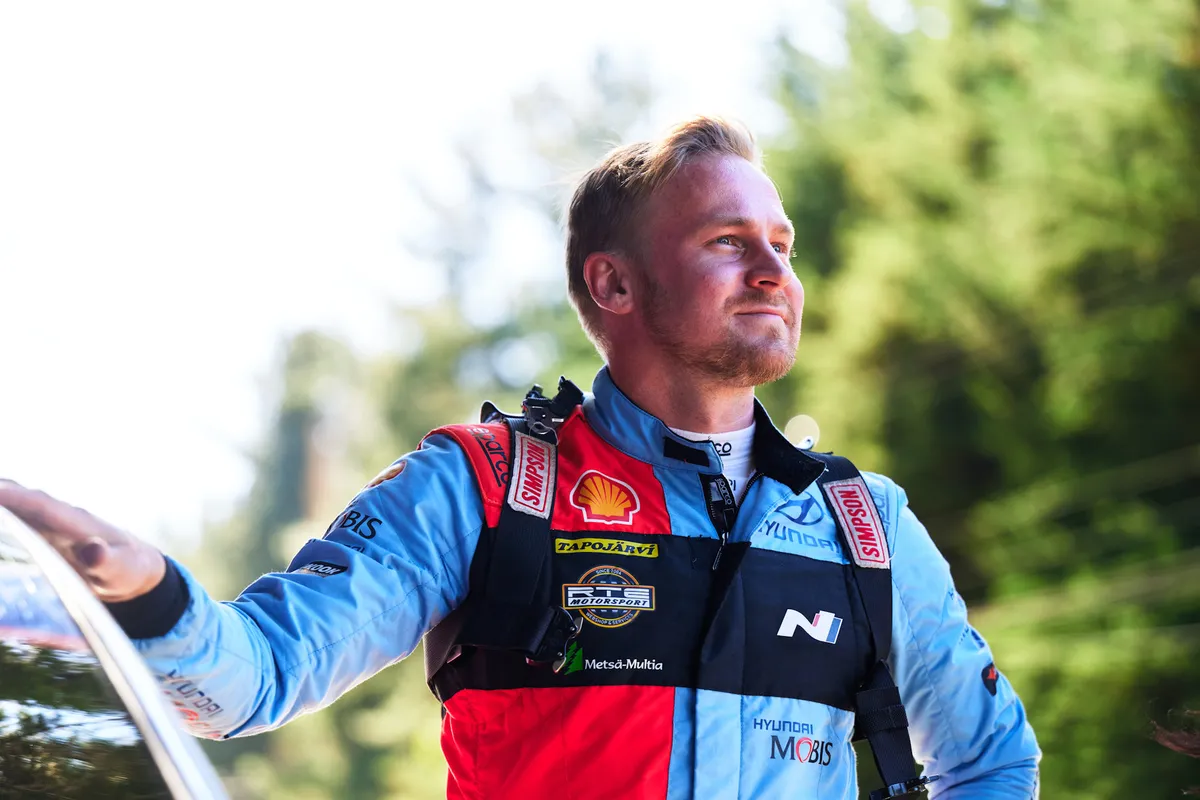
Esapekka Lappi pensiun dari WRC setelah 95 start, dua kemenangan, dan 15 podium. Pembalap Finlandia ini akan fokus pada keluarga setelah balapan terakhir di Porvoo.
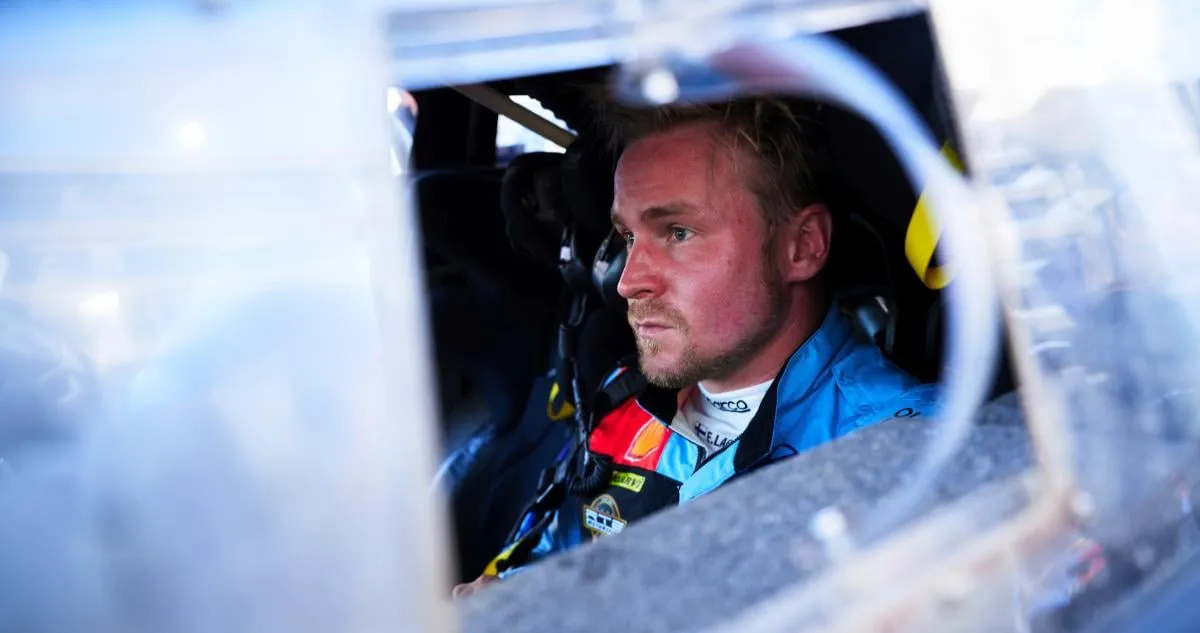
Esapekka Lappi mengungkap alasan pensiun dari WRC, termasuk dampak tragedi Craig Breen dan keinginan fokus ke keluarga. Simak cerita lengkapnya.
Rovanpera kembali ke mobil Rally1 Toyota di Tennessee, memicu spekulasi comeback WRC. Juara dunia dua kali itu belum memutuskan masa depan.
 Continue with Google
Discussion (0)
Join the Discussion!
Sign in easily to start commenting, replying, and interacting with other readers.
Latest Comments
No comments yet. Be the first!