







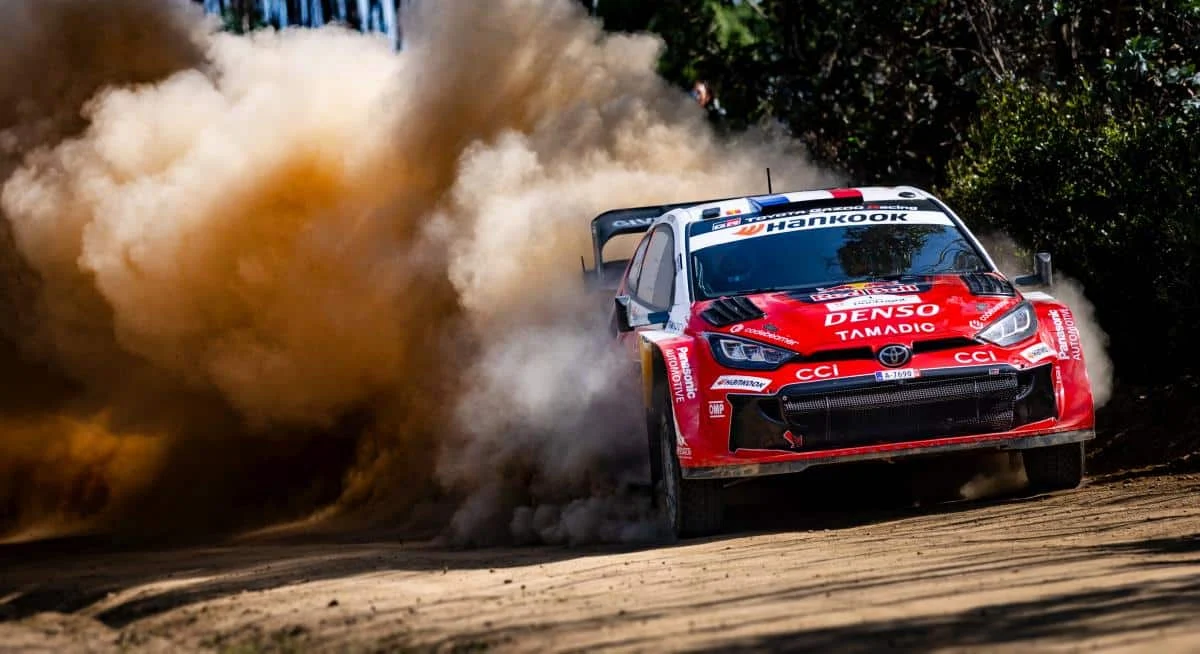

Elfyn Evans and Sebastien Ogier recorded identical fastest times in the third Special Stage (SS3) of Rally Portugal at Figueira da Foz. This stage, a spectator event covering less than two kilometers, did not yield significant time gaps between the drivers, yet it provided critical insights into the technical recovery of the Toyota camp.
From a technical perspective, short stages like SS3 are characterized by high risk and minimal time gain. On such precision-heavy sections, the smallest error can be catastrophic to a driver's time. The success of Evans and Ogier in dominating this stage indicates that Toyota has developed a highly responsive setup for short-distance maneuvers. This stands in contrast to other drivers who adopted a more conservative approach to avoid mechanical failures before the service window.
A key point of analysis is the performance recovery of Sebastien Ogier. After suffering from severe car balance issues in SS1, Ogier revealed that the team implemented setup changes to the vehicle after the first stage. These technical adjustments proved effective in enhancing stability and increasing Ogier's confidence, allowing him to match the fastest time in SS3. This restoration of rhythm is vital, as Ogier is recognized as one of the premier specialists on Portuguese terrain.
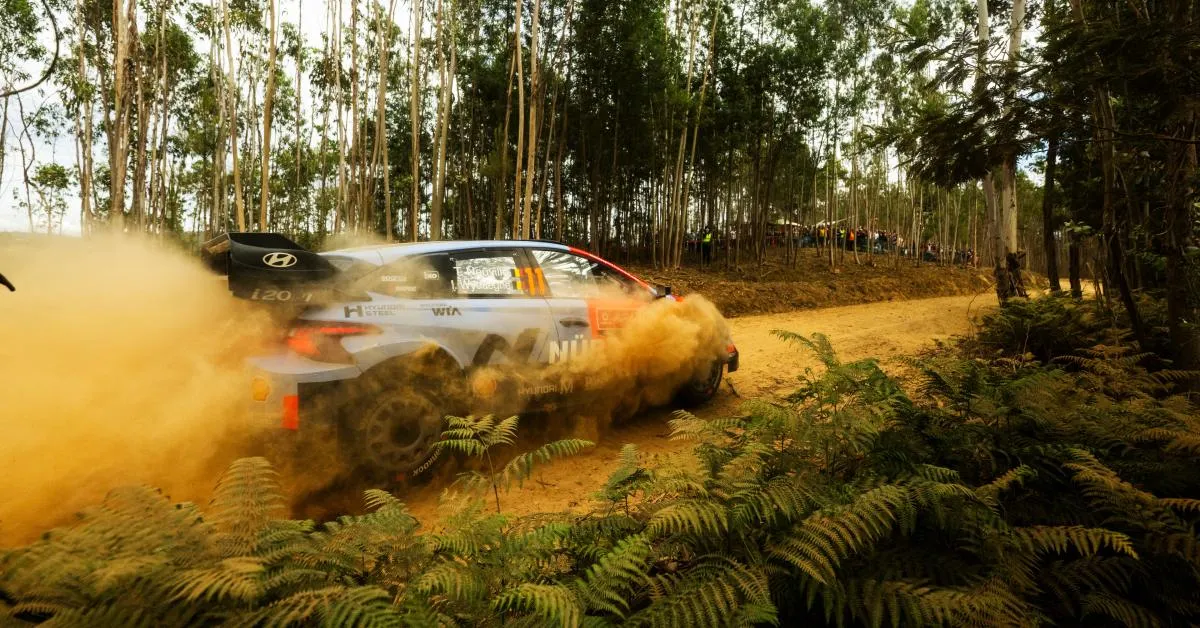
Meanwhile, Oliver Solberg, who maintains the overall lead, chose not to push the car to its absolute limit in SS3, finishing as the fourth fastest. Solberg openly criticized the organizers regarding the technical regulations of tire allocation. He pointed out a discrepancy between the increased total rally distance and the limited number of tires provided. In motorsport, restricted tire quotas force drivers into stricter wear management, which directly impacts their aggressiveness during the critical Friday and Saturday stages.
The Hyundai camp also displayed consistent competitiveness through Thierry Neuville and Adrien Fourmaux. Neuville finished third fastest in SS3, despite admitting a loss of time due to a minor spin in a previous stage. The consistency of Fourmaux, who remained closely matched with Neuville, suggests that Hyundai's current setup is sufficiently adaptive across varying stage characteristics, from long technical paths to aggressive short sprints.
Sami Pajari continues to face a challenging opening, remaining in sixth place in the overall standings after the first day. Sami Pajari acknowledged that his early performance was unsatisfactory and intends to make significant setup modifications for tomorrow's stages. The understeer Pajari experienced in previous sections will likely be corrected through adjustments to suspension damping or load distribution to improve the vehicle's turn-in capabilities.
Overall, the first day of Rally Portugal concluded with Toyota dominating the final stage, though Solberg retains control of the general classification. The tire management issue raised by Solberg is predicted to be a primary strategic factor, where the team capable of optimizing tire longevity without sacrificing raw pace will have a significant advantage in securing a podium finish this weekend.
| Position | Driver | Car | Total Time |
|---|---|---|---|
| 1 | Oliver Solberg | Toyota | 28.00,0 |
| 2 | Adrien Fourmaux | Hyundai | +3,4 |
| 3 | Sebastien Ogier | Toyota | +7,2 |
| 4 | Thierry Neuville | Hyundai | +7,4 |
| 5 | Elfyn Evans | Toyota | +7,5 |
| 6 | Sami Pajari | Toyota | +10,7 |
| 7 | Dani Sordo | Hyundai | +11,7 |
| 8 | Takamoto Katsuta | Toyota | +15,9 |
| 9 | Josh McErlean | Ford | +23,4 |
| 10 | Jon Armstrong | Ford | +24,8 |
| 11 | Martins Sesks | Ford | +24,9 |
Read Also
Esapekka Lappi pensiun dari WRC setelah 95 start, dua kemenangan, dan 15 podium. Pembalap Finlandia ini akan fokus pada keluarga setelah balapan terakhir di Porvoo.
Esapekka Lappi mengungkap alasan pensiun dari WRC, termasuk dampak tragedi Craig Breen dan keinginan fokus ke keluarga. Simak cerita lengkapnya.
Rovanpera kembali ke mobil Rally1 Toyota di Tennessee, memicu spekulasi comeback WRC. Juara dunia dua kali itu belum memutuskan masa depan.
 Continue with Google
Discussion (0)
Join the Discussion!
Sign in easily to start commenting, replying, and interacting with other readers.
Latest Comments
No comments yet. Be the first!