







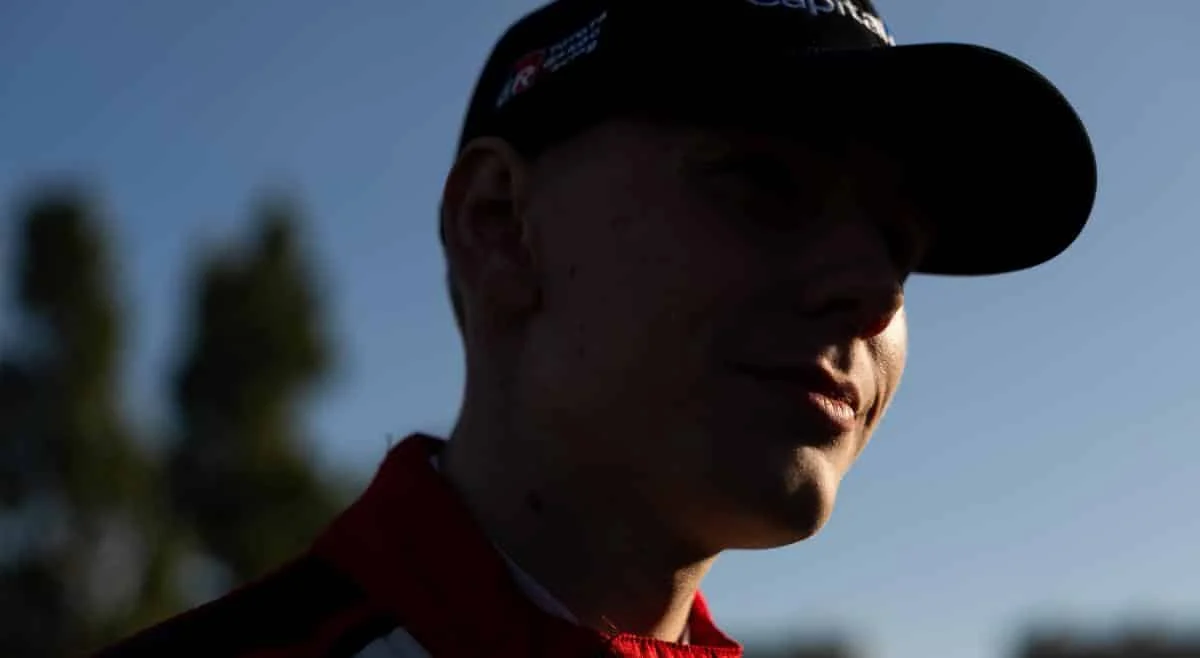

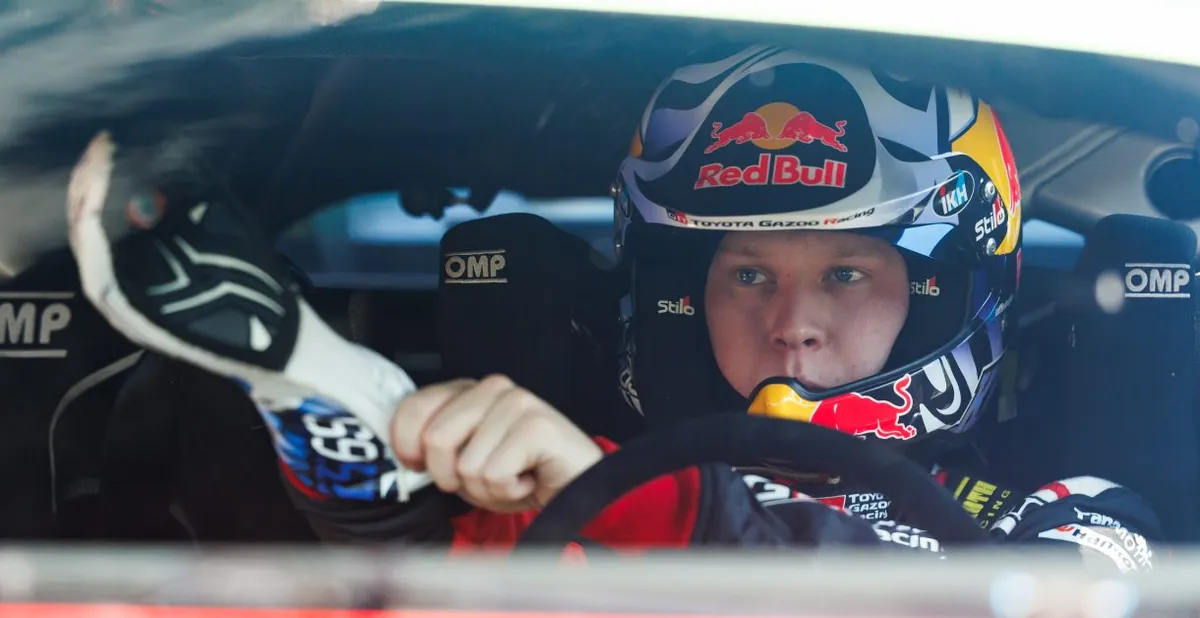
Sami Pajari opened his Rally Portugal campaign under significant pressure after failing to hit his optimal pace on the first day of competition. The Toyota driver, who currently occupies third place in the World Championship standings, must settle for sixth position overall, trailing his teammate Oliver Solberg by a margin of 10.7 seconds.
The dip in performance is primarily rooted in car balance issues that Pajari described as suboptimal. From a technical perspective, Pajari noted a clear discrepancy between the vehicle's behavior during the test sessions and the actual Special Stages. Such a gap typically occurs due to shifts in surface temperatures or imprecise weight distribution, which impairs the vehicle's intuitiveness and precision when executing sharp maneuvers on gravel terrain.
The starting order also played a significant role in Pajari's time loss. Running as the third car on the road meant he did not benefit from a "clean line." In gravel rallying, early starters must contend with loose material that has not yet been swept away, which technically reduces tire grip levels drastically. Despite this disadvantage, Pajari's ability to finish as the fifth-fastest in two forest stages indicates that his raw pace remains competitive, provided the technical hurdles are resolved.
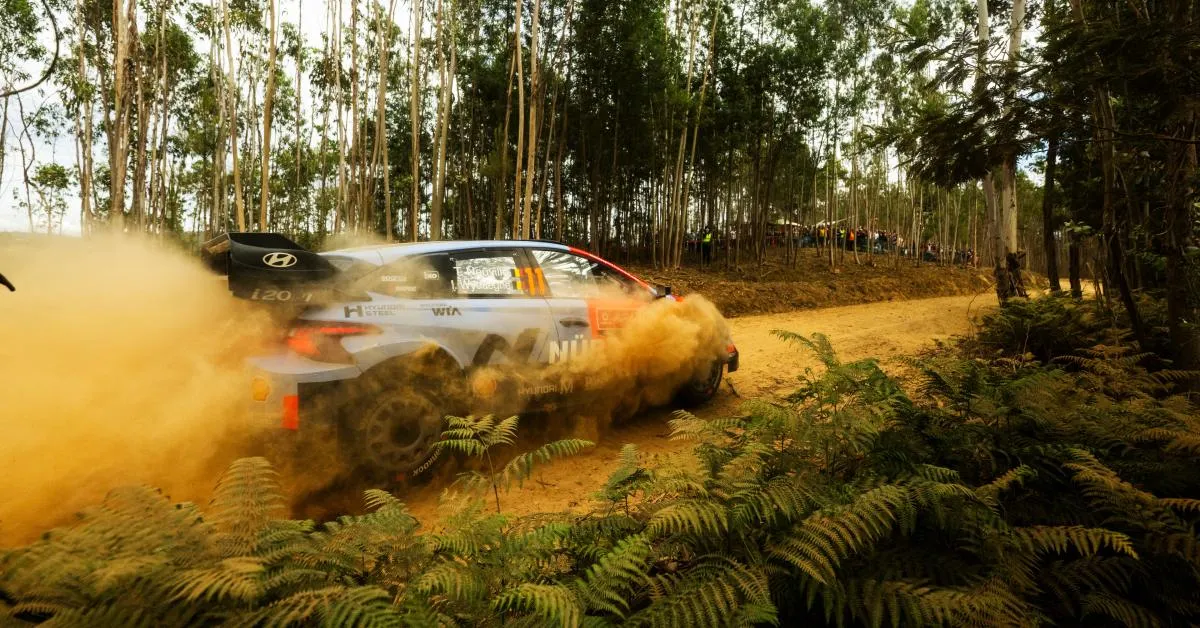
Another critical technical focus is the tire strategy provided by Hankook. Following extensive technical consultations with his engineering team, Pajari decided on a combination of two hard and three soft tires for Friday's stages. This strategy is identical to the one adopted by Sebastien Ogier. Technically, this mix is designed to accommodate the varied characteristics of the upcoming stages, which include high-degradation sectors and segments requiring maximum traction.
Correcting the setup has now become the primary objective for the Toyota technical crew before the start of Friday's seven special stages. Pajari emphasized that his current performance does not reflect his actual speed. Adjustments to the suspension damping or differential settings are expected to be implemented to rectify the balance issues and restore the chassis stability required to challenge the front-runners.
Within the context of the World Championship, failing to secure maximum points in Portugal represents a significant risk to Pajari's top-three standing. While a 10.7-second gap to Solberg is bridgeable in the world of rallying, such a recovery is only possible if the technical issues affecting his Toyota GR Yaris Rally1 are fully eliminated before the next set of stages.
Overall, Sami Pajari's challenges on the opening day demonstrate how sensitive rally setups are to the specific soil conditions of Portugal. The focus now shifts to the effectiveness of the overnight technical modifications and the precise management of the Hankook tire quota, where technical execution will be the deciding factor between a podium recovery and further losses.
Read Also
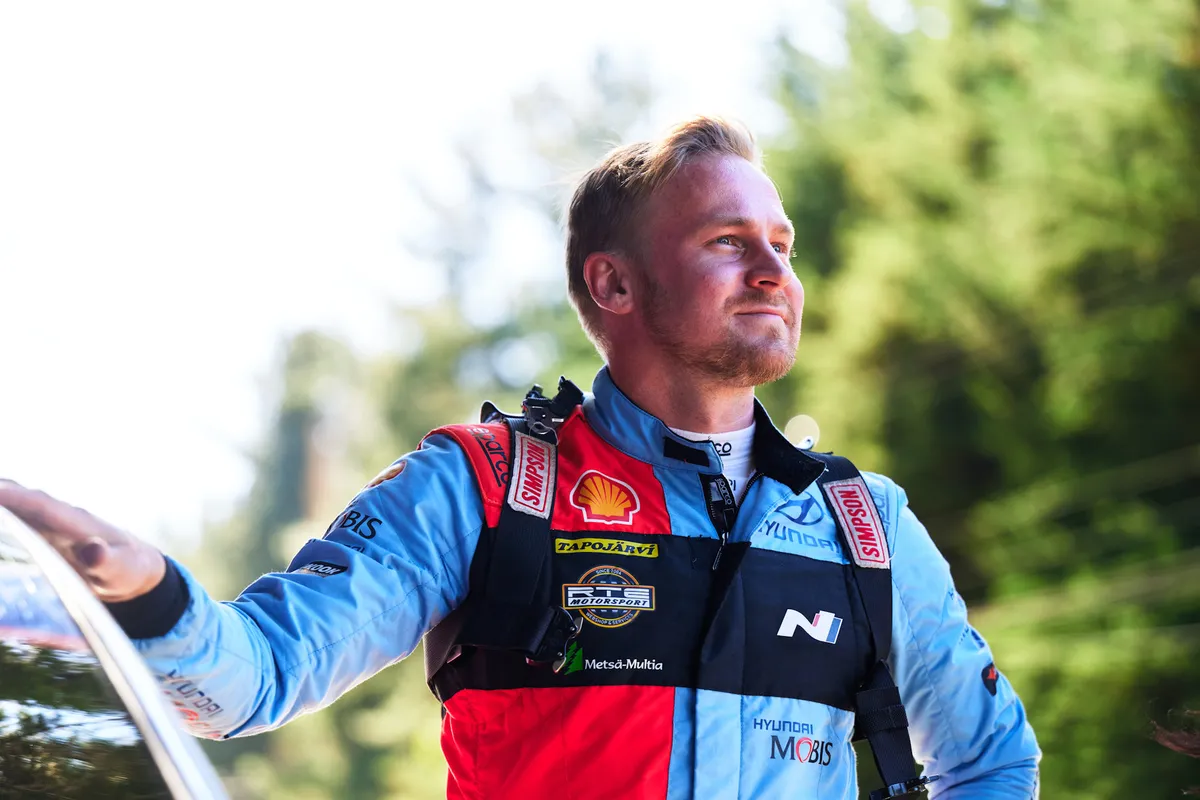
Esapekka Lappi pensiun dari WRC setelah 95 start, dua kemenangan, dan 15 podium. Pembalap Finlandia ini akan fokus pada keluarga setelah balapan terakhir di Porvoo.
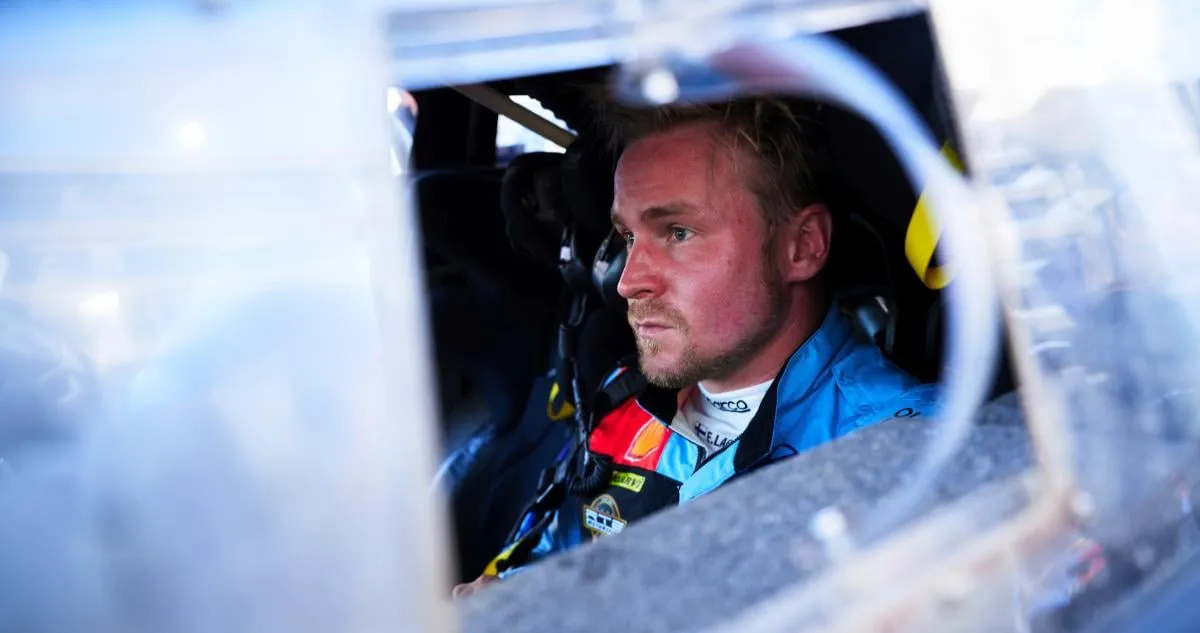
Esapekka Lappi mengungkap alasan pensiun dari WRC, termasuk dampak tragedi Craig Breen dan keinginan fokus ke keluarga. Simak cerita lengkapnya.
Rovanpera kembali ke mobil Rally1 Toyota di Tennessee, memicu spekulasi comeback WRC. Juara dunia dua kali itu belum memutuskan masa depan.
 Continue with Google
Discussion (0)
Join the Discussion!
Sign in easily to start commenting, replying, and interacting with other readers.
Latest Comments
No comments yet. Be the first!