







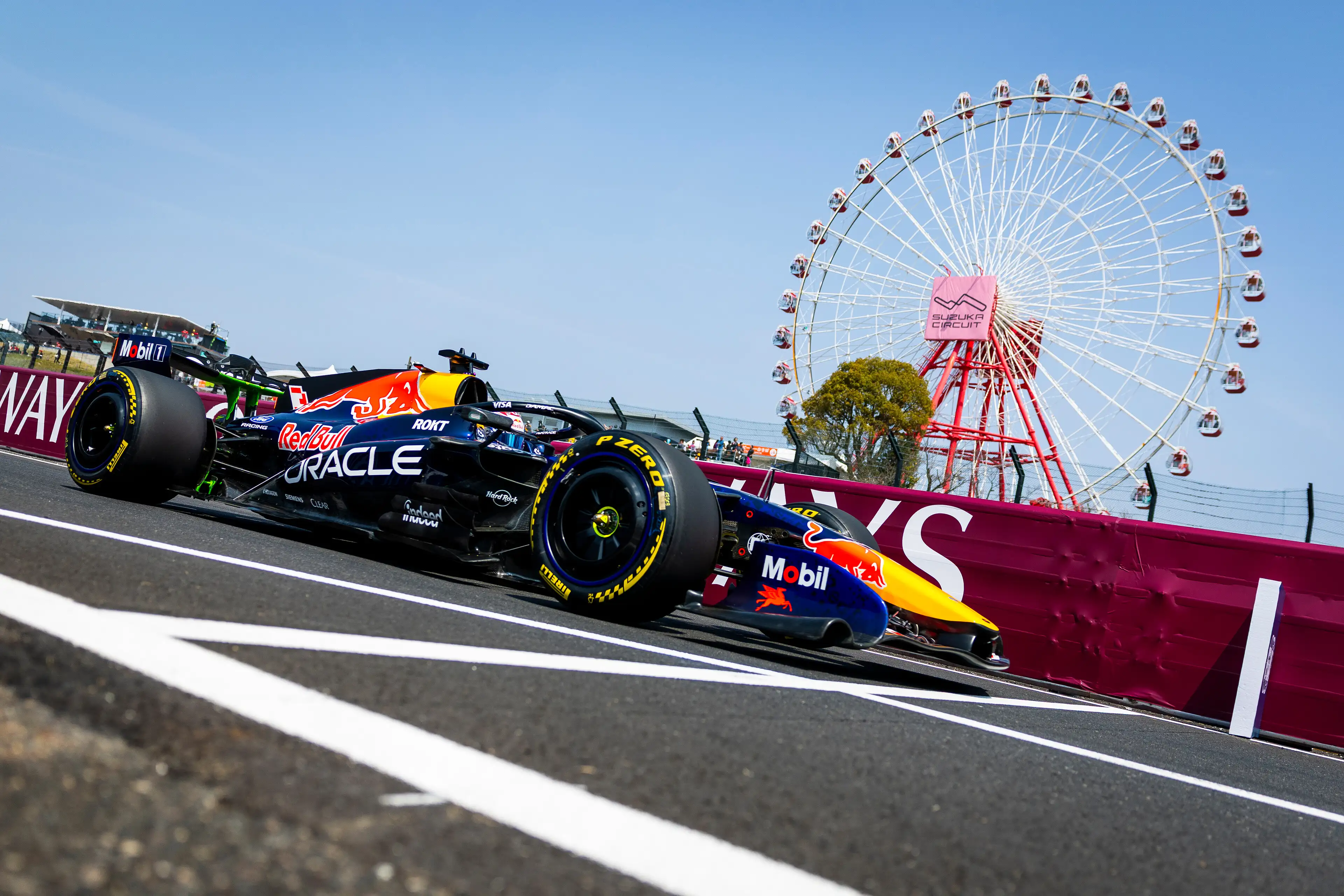

Formula 1, Sportrik Media - Red Bull Racing is preparing a significant upgrade package for the RB22 ahead of the Miami Grand Prix, but the team faces structural limitations that could restrict its immediate impact.
From a power unit perspective, the RBPT–Ford package has delivered stronger and more reliable performance than initially expected. This indicates that outright engine power is not the primary weakness of the current car. However, the chassis developed in Milton Keynes has not yet reached the level required to consistently challenge the leading teams.
According to paddock analysis, RBPT is unlikely to qualify for Additional Development and Upgrade Opportunities (ADUO). Its performance deficit relative to the Mercedes power unit is believed to be below the 2% threshold, meaning Red Bull will not benefit from additional budget allowances or development freedoms available to other manufacturers.
The core issue instead lies in vehicle dynamics and aerodynamic behaviour. Across the opening three rounds—most notably in Japan—the RB22 has shown clear instability between the front and rear axles. The car exhibits pronounced understeer on corner entry followed by significant oversteer on exit, creating a narrow operating window.
This unpredictable balance has forced drivers such as Max Verstappen to apply frequent corrective inputs, reducing consistency and overall performance. Addressing such behaviour in a short timeframe is complex, particularly given the limited gap in the race calendar.
Major mechanical revisions, including changes to suspension geometry, are considered unlikely before Miami. Instead, the focus is on improving the integration between aerodynamic load generation and the car’s mechanical platform. A more stable aerodynamic map and consistent downforce distribution are key targets.
At the same time, suspension response must be adapted to align with these aerodynamic changes, smoothing load transfer and reducing the car’s tendency to react sharply under directional changes or varying grip levels.
A further critical factor influencing RB22 performance is weight. Estimates suggest the car is overweight by as much as 10 kilograms, impacting both lap time and optimal weight distribution. This has become a priority area for development following pre-season testing in Bahrain.
As a result, Red Bull is expected to introduce revised components in Miami that may appear visually identical but are engineered to be lighter. Such weight reduction would deliver multiple benefits, including improved energy efficiency in both recovery and deployment phases of the hybrid system.
Overall, Red Bull’s development roadmap is clearly defined: refine aerodynamic balance, reduce overall weight, and enhance the integration between vehicle dynamics and aerodynamic performance. However, with limited time available before the next race, prioritisation will be critical in addressing a set of issues that are both complex and closely interconnected as the team seeks to recover competitiveness in the 2026 Formula 1 season.
Read Also
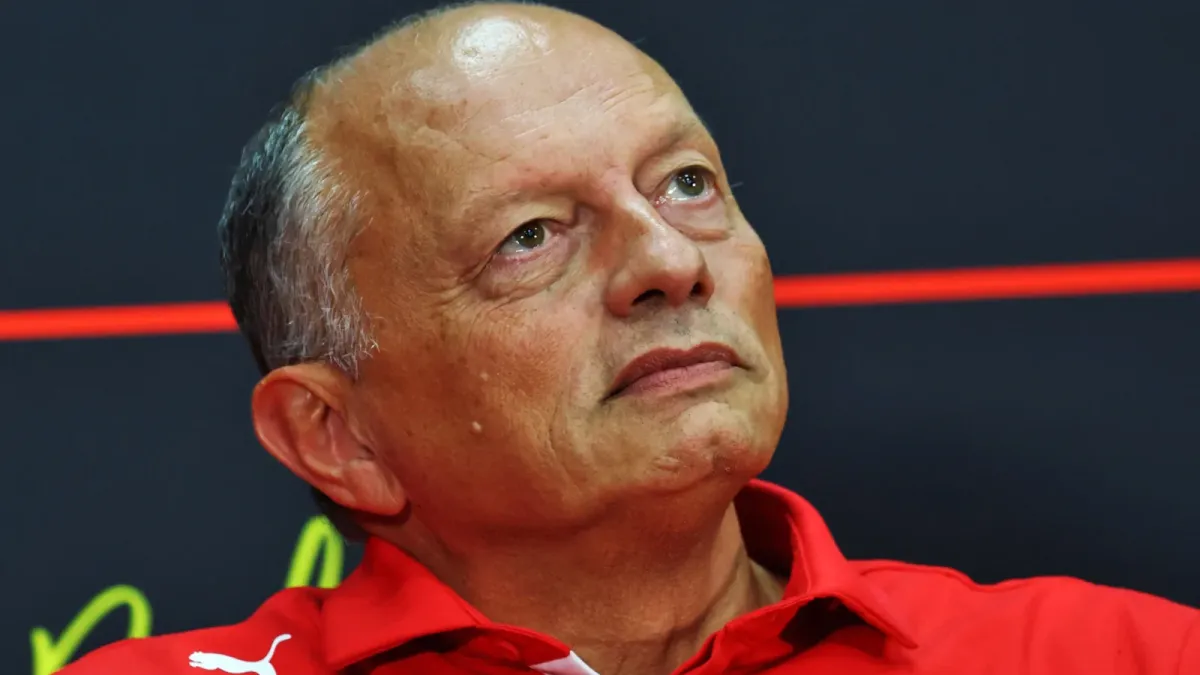
Fred Vasseur akui penyesalan atas blunder pemilihan ban kering Ferrari yang hambat peluang Lewis Hamilton menang di Sepang.
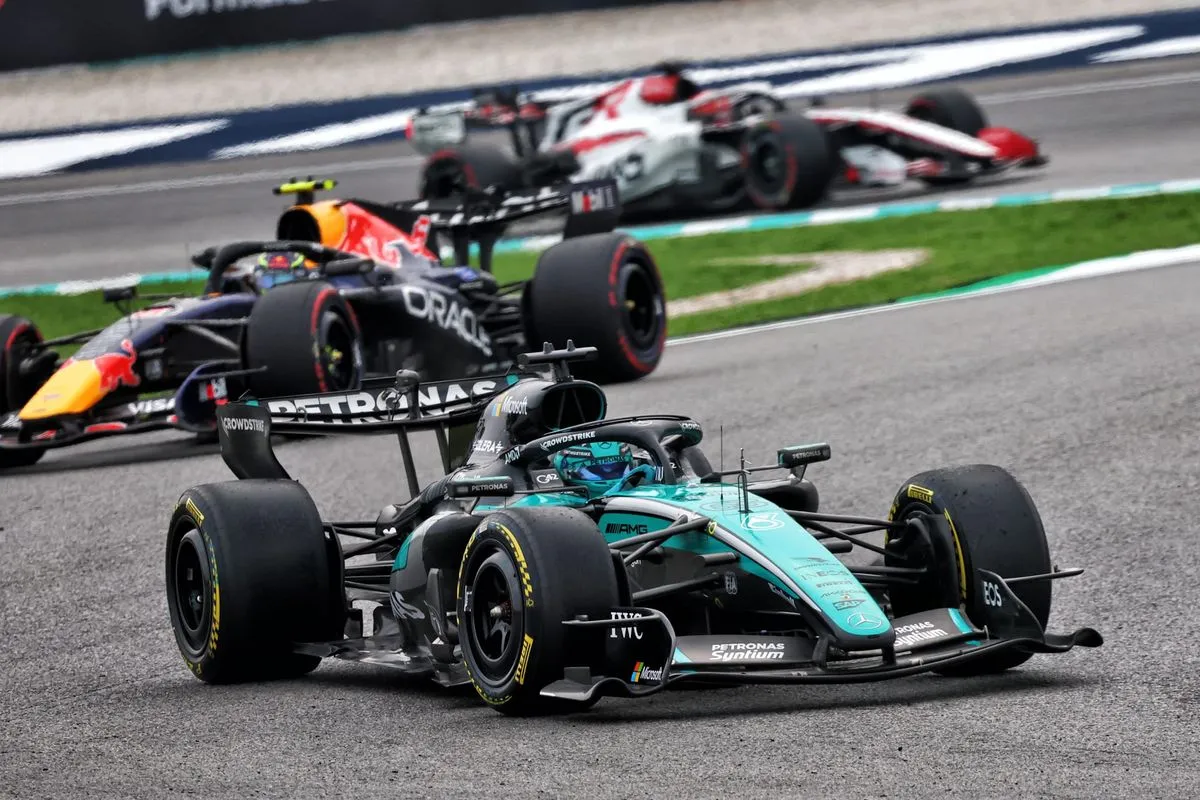
George Russell terancam penalti grid ganda Formula 1 setelah gagal finis di GP Malaysia akibat masalah mesin Mercedes yang krusial.
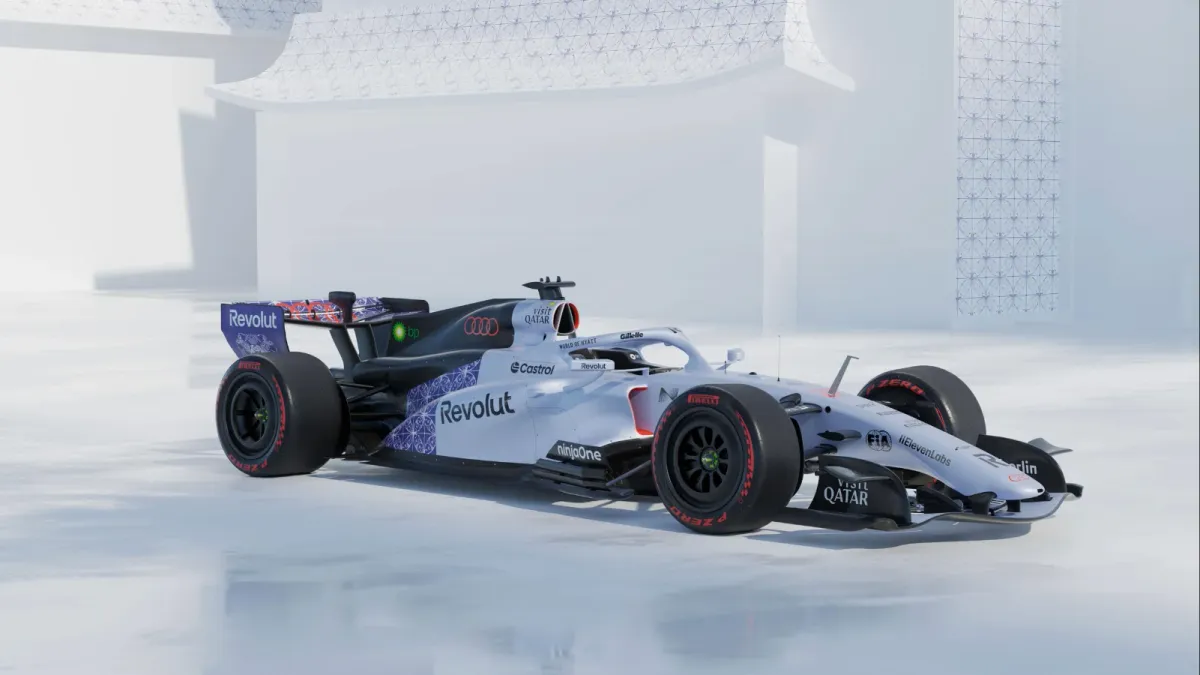
Audi pamerkan livery spesial bertema Pola Peranakan untuk F1 GP Singapura di Marina Bay dengan warna titanium dan kilauan biru yang memukau.
 Continue with Google
Discussion (0)
Join the Discussion!
Sign in easily to start commenting, replying, and interacting with other readers.
Latest Comments
No comments yet. Be the first!