







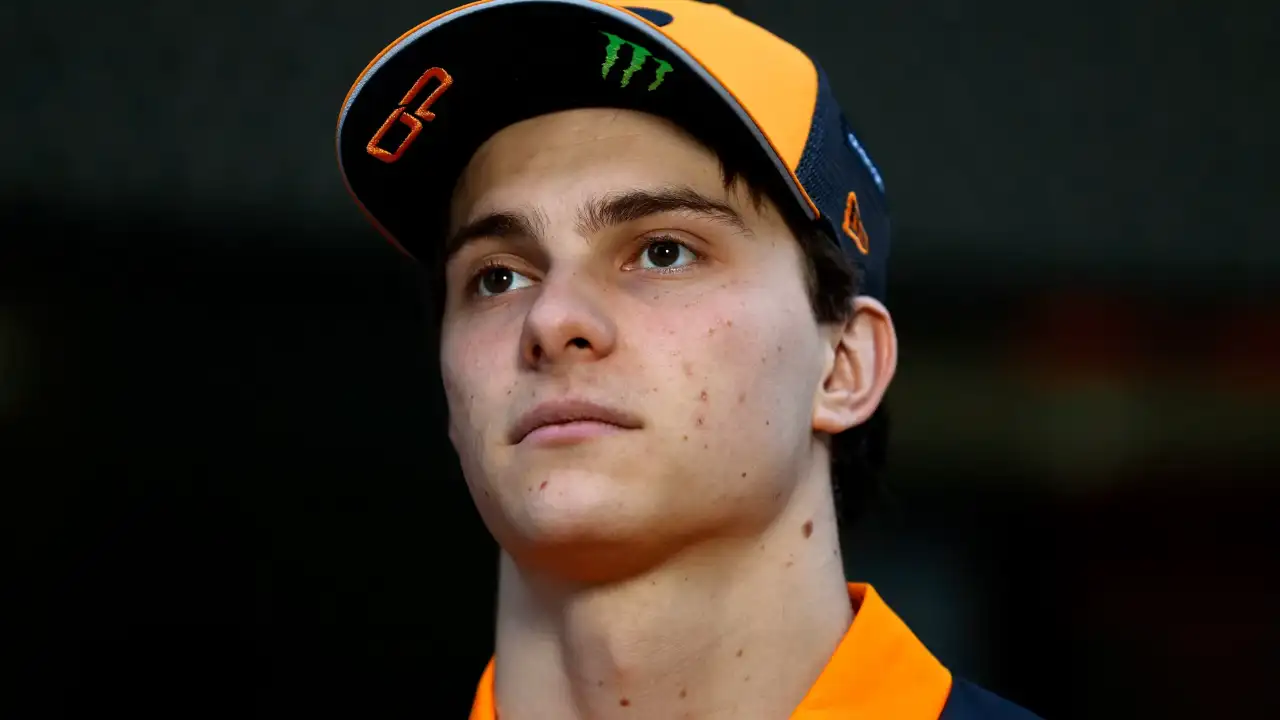

Formula 1, Sportrik Media - Oscar Piastri has called on the FIA to urgently review the safety implications of the Formula 1 2026 regulations following the crash involving Oliver Bearman at the Japanese Grand Prix.
The incident occurred at Spoon Curve, where Bearman lost control after running onto the grass while rapidly closing on Franco Colapinto. The Haas driver was seen limping away from the wreckage, with the FIA later confirming that significant closing speed differences—driven by energy deployment and harvesting phases—were a contributing factor.
Under the 2026 regulations, variations between energy deployment and recovery can create substantial speed differentials between cars on track. The FIA has acknowledged the issue and confirmed that multiple meetings will take place this month to evaluate potential refinements to the rules.
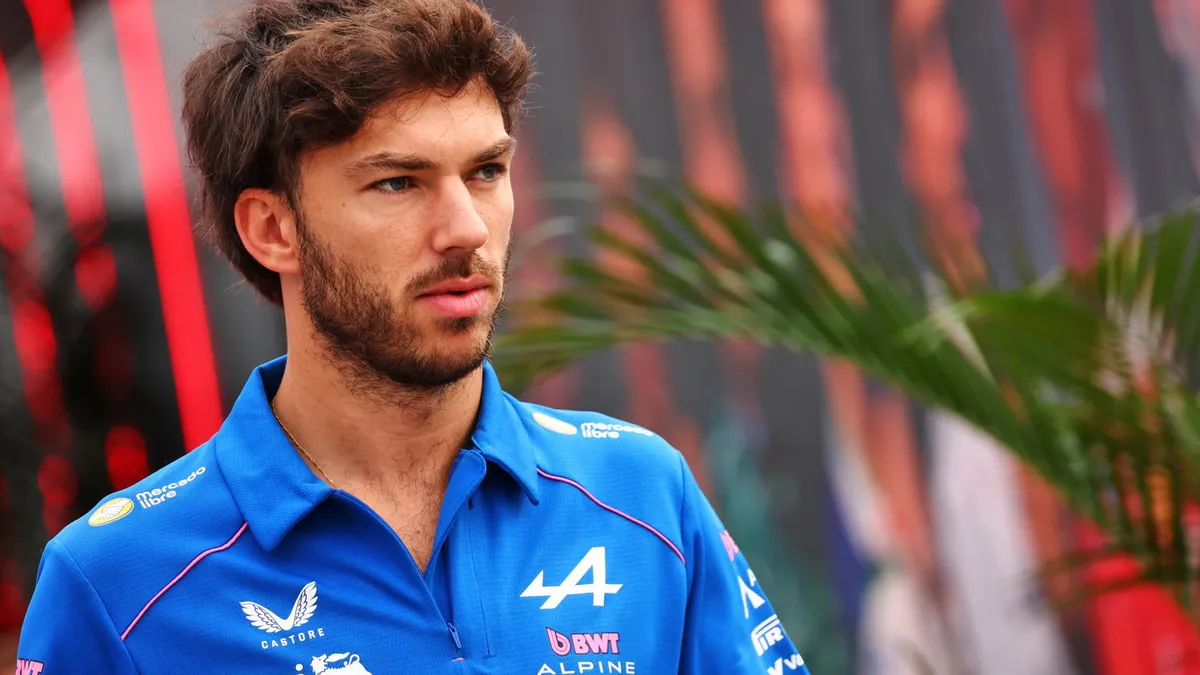
Piastri, who finished second at Suzuka with McLaren, experienced a similar high-risk situation during final practice. He received an official warning after being deemed to have impeded Nico Hulkenberg, who approached at a significantly higher speed than anticipated.
“We’ve spoken about that kind of accident being a possibility since these cars were conceptualised. It’s what we’re dealing with due to the power units, and there’s no easy way around it,” Piastri said.
He explained that the magnitude of speed differences makes on-track prediction increasingly difficult, particularly at high-speed circuits such as Suzuka. In his own case, Hulkenberg closed in at a rate far beyond expectation while both cars were at full throttle.
“I had a pretty close call with Nico. He came at me about three times faster than I expected on the straight, and we were both flat out,” he added.
Piastri stressed that while drivers are still adapting to the new characteristics of the cars, incidents like Bearman’s may continue to occur if no adjustments are made.
“As we’re still learning, situations like this will probably happen, which is unfortunate. But from a safety perspective, there are definitely things that need to be looked at quite quickly,” he stated.
His comments align with those of Max Verstappen, who has previously described such incidents as an inevitable consequence of the current regulations. Verstappen highlighted that speed differences between cars can reach as much as 50 to 60 km/h depending on energy deployment phases.
“That’s what you get with these systems. One car can have almost no power, while another is using full deployment. The difference can be huge,” Verstappen said.
The situation places increasing pressure on the FIA to balance technological evolution with safety considerations. With regulatory discussions already scheduled, any adjustments made in the coming weeks will be critical in ensuring that performance gains do not compromise driver safety ahead of the next round in Miami.
Read Also
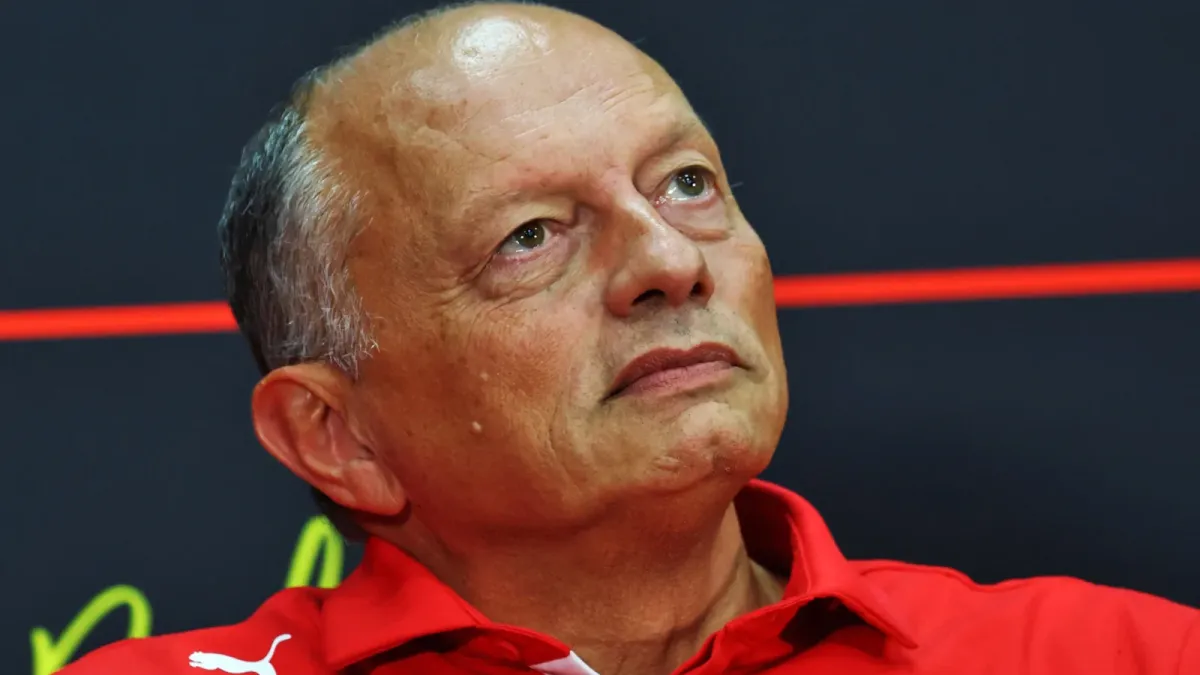
Fred Vasseur akui penyesalan atas blunder pemilihan ban kering Ferrari yang hambat peluang Lewis Hamilton menang di Sepang.
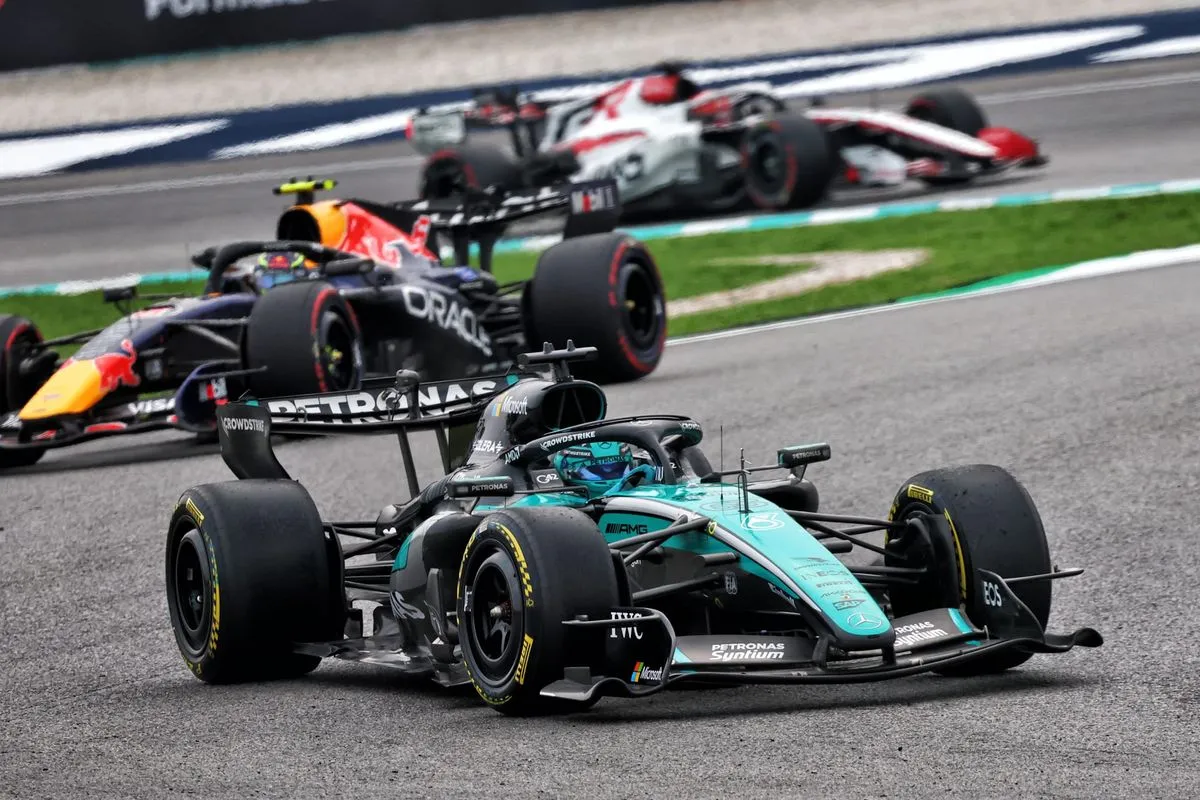
George Russell terancam penalti grid ganda Formula 1 setelah gagal finis di GP Malaysia akibat masalah mesin Mercedes yang krusial.
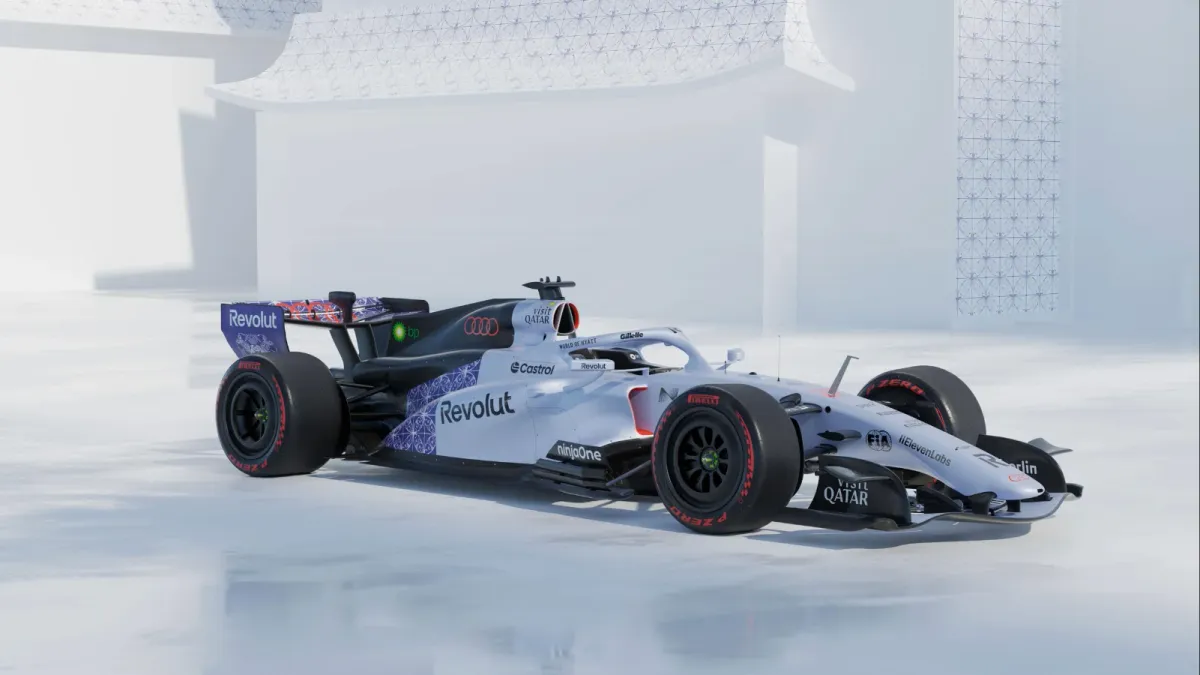
Audi pamerkan livery spesial bertema Pola Peranakan untuk F1 GP Singapura di Marina Bay dengan warna titanium dan kilauan biru yang memukau.
 Continue with Google
Discussion (0)
Join the Discussion!
Sign in easily to start commenting, replying, and interacting with other readers.
Latest Comments
No comments yet. Be the first!