






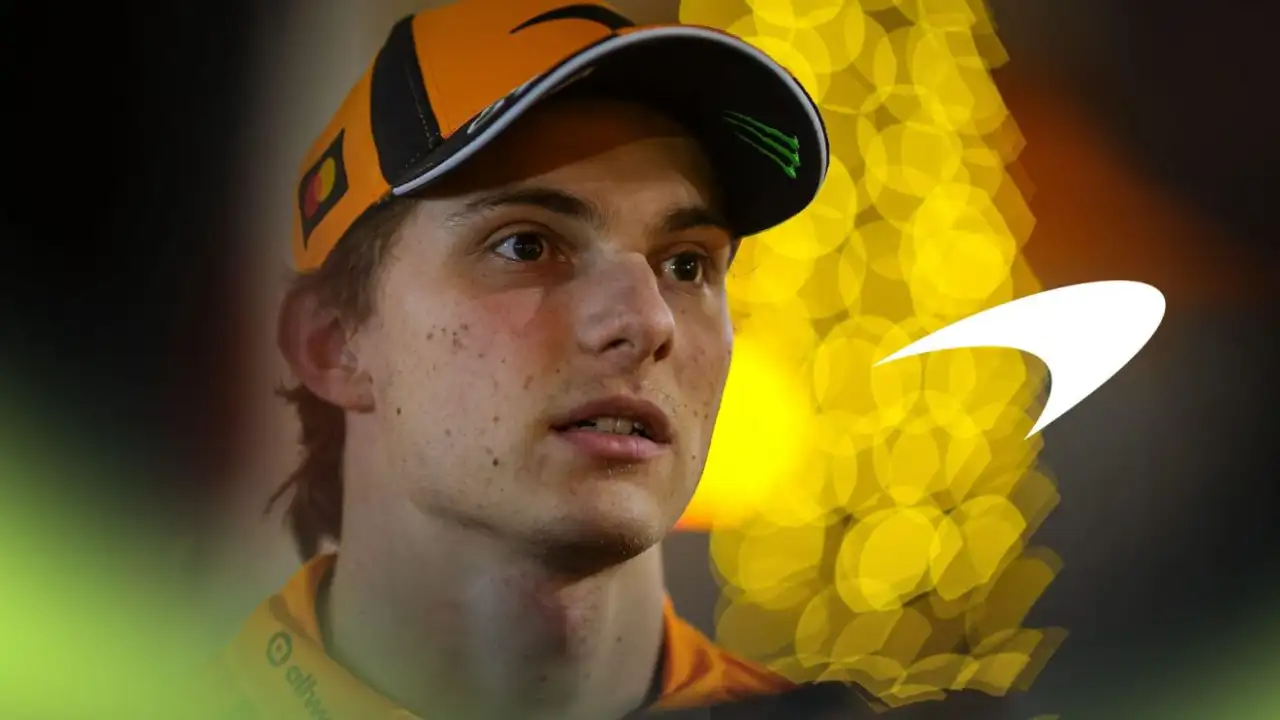

Formula 1, Sportrik Media - Oscar Piastri has raised concerns over an overlooked safety issue following the major crash at the 2026 Japanese Grand Prix involving Oliver Bearman and Franco Colapinto.
The incident occurred on the approach to Spoon Curve at Suzuka, where Bearman encountered a significant closing speed while approaching the BWT Alpine F1 Team car driven by Colapinto, which was in energy harvesting mode. The speed differential, estimated at around 30 mph, played a critical role in the heavy impact that followed.
However, Piastri’s primary concern lies not only with the closing speed but with the lack of visual warning indicators. Under normal circumstances, a car harvesting energy should display flashing rear lights to alert drivers behind. Onboard footage from Bearman’s car suggested that these lights were not active, potentially limiting situational awareness.
“We’ve spoken about that being a possibility since these cars were conceptualised, and it’s what we’re dealing with because of the power units,” Piastri told media.
He noted that from his observation, there was no flashing light visible on Colapinto’s car, indicating that even standard visual cues may not have functioned as expected in that moment.
“From what I saw, there was no flashing light from Colapinto, so I don’t think he was even super clipping, which is clearly a concern,” he added.
Piastri also referenced his own near-miss during free practice at Suzuka, involving Nico Hulkenberg. He described how the closing speed in that situation was significantly higher than anticipated, even with both cars at full throttle.
This highlights a broader characteristic of the 2026 Formula 1 cars, where energy deployment and recovery can create unpredictable speed differentials. Such variability introduces additional complexity for drivers, particularly in high-speed sections where expectations of relative pace are more stable.
“I had a pretty close call in free practice because someone caught me much faster than I expected on the straight, and we were both flat out,” he explained.
Piastri stressed that while drivers are still adapting to the new systems, incidents like the one in Japan may continue to occur without further refinements.
“There’s clearly a learning element for us as drivers, but in that part of the track, you don’t expect someone to arrive from so far back with that kind of speed difference,” he said.
He concluded by underlining the urgency of reviewing these issues from a safety standpoint, acknowledging that Formula 1 must address several technical aspects quickly to prevent similar incidents.
With increasing scrutiny on energy systems and visual signalling, the governing bodies are expected to evaluate potential adjustments ahead of the next phase of the 2026 season, ensuring that safety remains aligned with the sport’s evolving technical landscape.
Read Also
Esteban Ocon samakan glitch perangkat lunak FIA di Formula 1 dengan restart Windows setelah masalah teknis paksa mobil berhenti di Sepang.
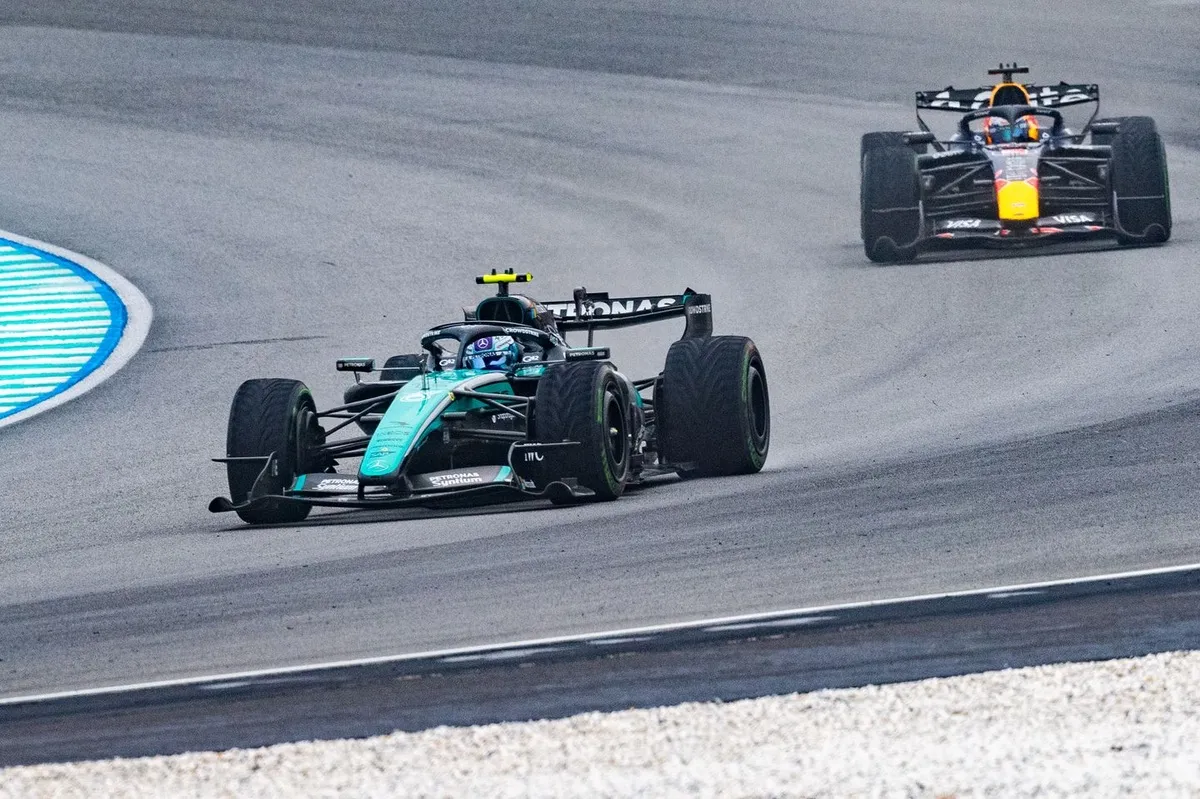
Laurent Mekies sebut Red Bull Racing harus realistis soal peluang menang F1 secara konsisten meski sukses menaklukkan GP Malaysia bersama Max Verstappen.
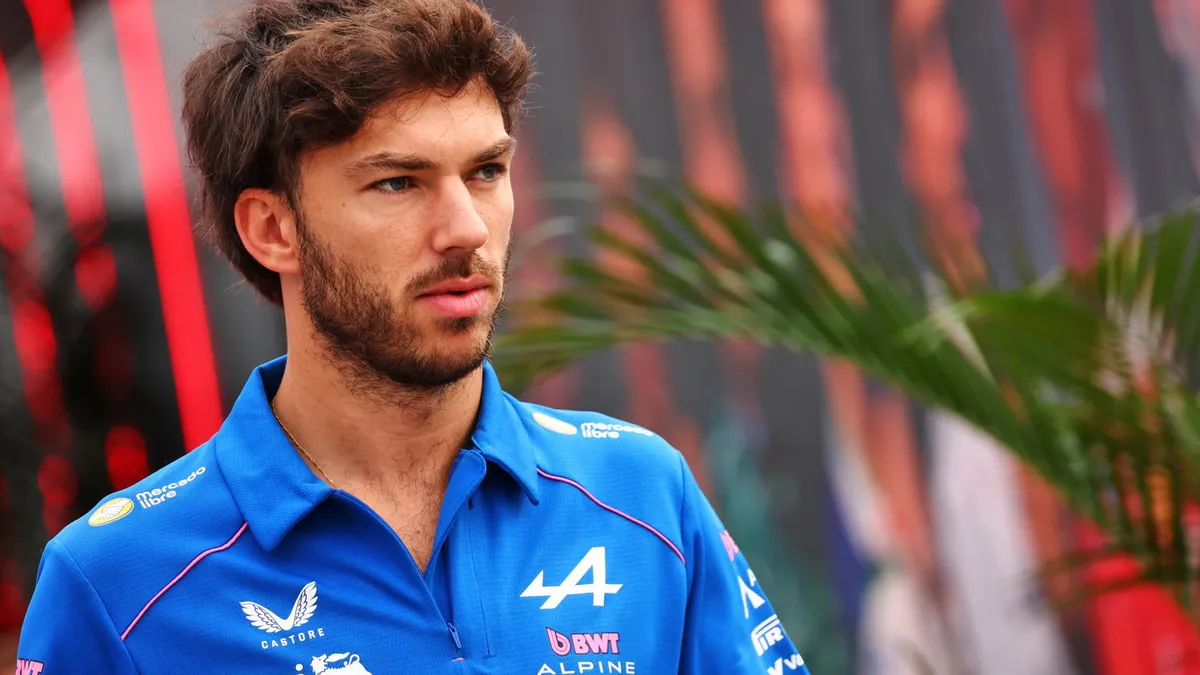
Pierre Gasly kecewa berat usai rival F1 Racing Bulls disebut mendapat poin gratis di Sepang, membuat jarak klasemen semakin melebar.
 Continue with Google
Discussion (0)
Join the Discussion!
Sign in easily to start commenting, replying, and interacting with other readers.
Latest Comments
No comments yet. Be the first!