






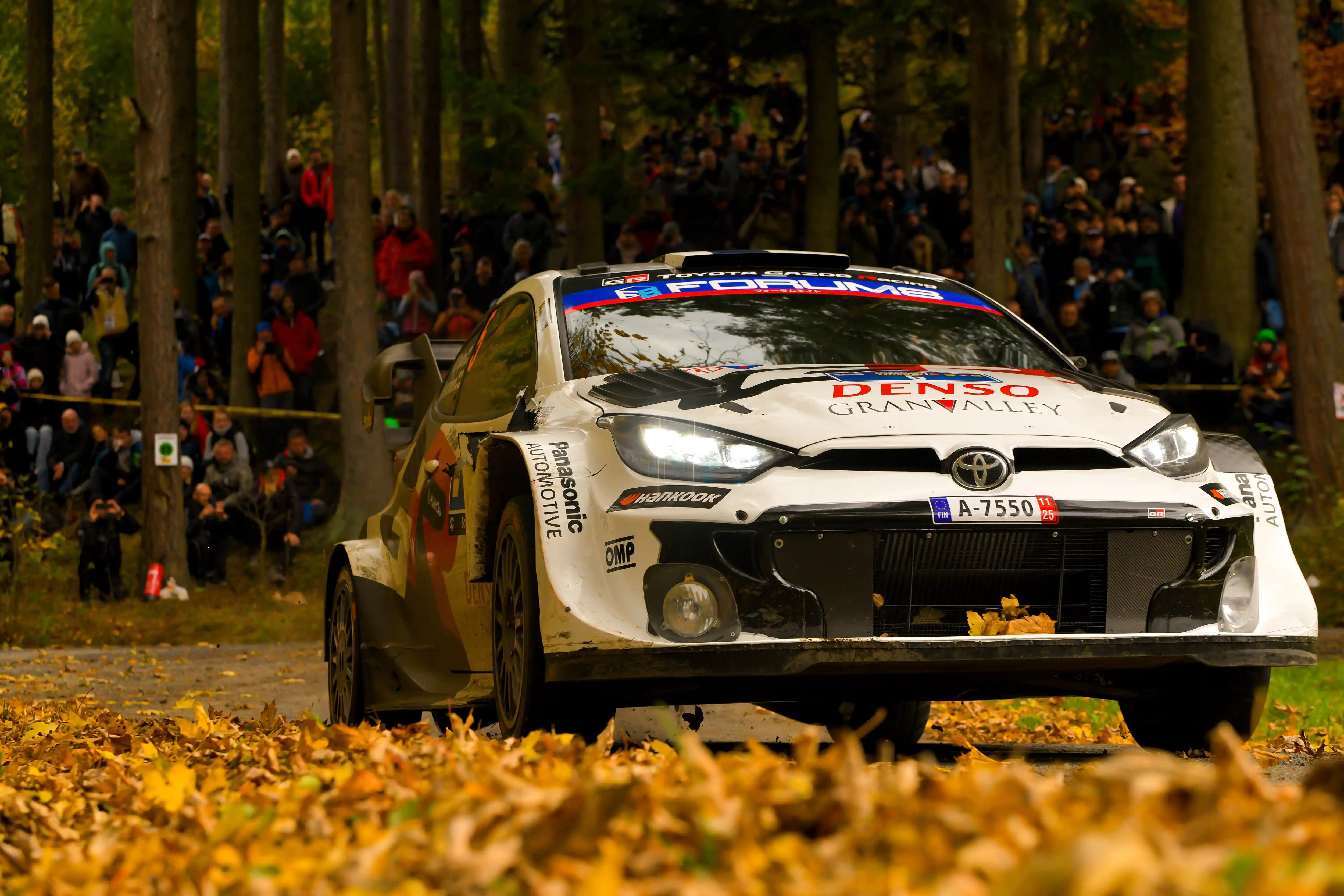

WRC, Sportrik Media - Oliver Solberg with Toyota Gazoo Racing enters the Rally Monte Carlo 2026 under intense scrutiny, marking the Swedish driver’s full return to the top tier of the FIA World Rally Championship following a decisive rebuilding phase in WRC2.
Solberg’s promotion back to the Rally1 category is not a routine career step, but the outcome of a strategic reassessment of his technical readiness and competitive consistency. His premature top-class debut with Hyundai Motorsport in 2021 proved a formative setback, before he re-established his credentials through outright domination of the WRC2 championship last season. That title was reinforced by an overall victory at Rally Estonia in the Toyota GR Yaris Rally1, underlining his ability to adapt to hybrid-era technical regulations and the demands of modern Rally1 machinery.
Solberg’s approach to Monte Carlo reflects a balance between ambition and risk control. While acknowledging strong self-imposed pressure, he has deliberately avoided defining result-based objectives. In an event characterised by rapidly changing grip levels across dry asphalt, damp sections, and ice, tyre strategy and setup flexibility are decisive. Toyota has prioritised suspension stability and differential mapping to maintain a consistent operating window, while minimising the risk of surface misjudgements that often penalise less experienced Rally1 drivers.
“I always put a lot of pressure on myself, so the goals are always very high. But I don’t have any clear expectations of what the results are going to be. I just want to do my job 110 percent and see how it goes,” Solberg said.
The transition from gravel to tarmac represents Solberg’s most significant technical challenge. Although he has established confidence with the GR Yaris Rally1 on loose surfaces, Monte Carlo demands heightened sensitivity in tyre temperature management and suspension response on cold asphalt. From a competitive standpoint, he will immediately be measured against proven benchmarks such as Sébastien Ogier, Kalle Rovanperä, and Elfyn Evans, all of whom possess extensive reference data at the season-opening event.
“I know the car quite well on gravel after winning Estonia, but now it’s tarmac where I need more experience. We had a great test rally before Christmas, and now we are just fine-tuning the car to what I need,” Solberg explained.
The contrast between Rally1 and Rally2 machinery, particularly on asphalt, has also shaped Solberg’s driving approach. Higher corner-entry speeds and increased aerodynamic load raise the precision threshold, while simultaneously strengthening confidence. From a championship perspective, a clean and competitive Monte Carlo could influence the early points dynamic, especially if established rivals encounter strategic tyre setbacks.
“The sensation is incredible, especially on tarmac. The difference between Rally1 and Rally2 is huge. You can carry so much more speed, and it puts a big smile on my face,” he added.
From a medium- to long-term standpoint, the 2026 season is framed as a consolidation phase rather than an immediate title campaign. Toyota has avoided imposing championship expectations, instead prioritising consistency, risk management, and technical learning. Each Rally1 kilometre is treated as a strategic investment toward long-term competitiveness at the highest level of the WRC.
“I feel on top of the world. It’s an incredible feeling. The dream is starting and has come true. To be part of such a unique brand with such a strong rallying history is why I’m here,” Solberg concluded.
With Rally Monte Carlo serving as the opening benchmark, Solberg’s performance will have an immediate impact on Toyota’s internal competitive balance and the broader landscape of the 2026 WRC season, ahead of the championship’s transition to contrasting surfaces in the following rounds.
Read Also
Takamoto Katsuta praises James Fulton's stand-in performance at Rally Chile. Fulton replaced injured Aaron Johnston. Read the full story.
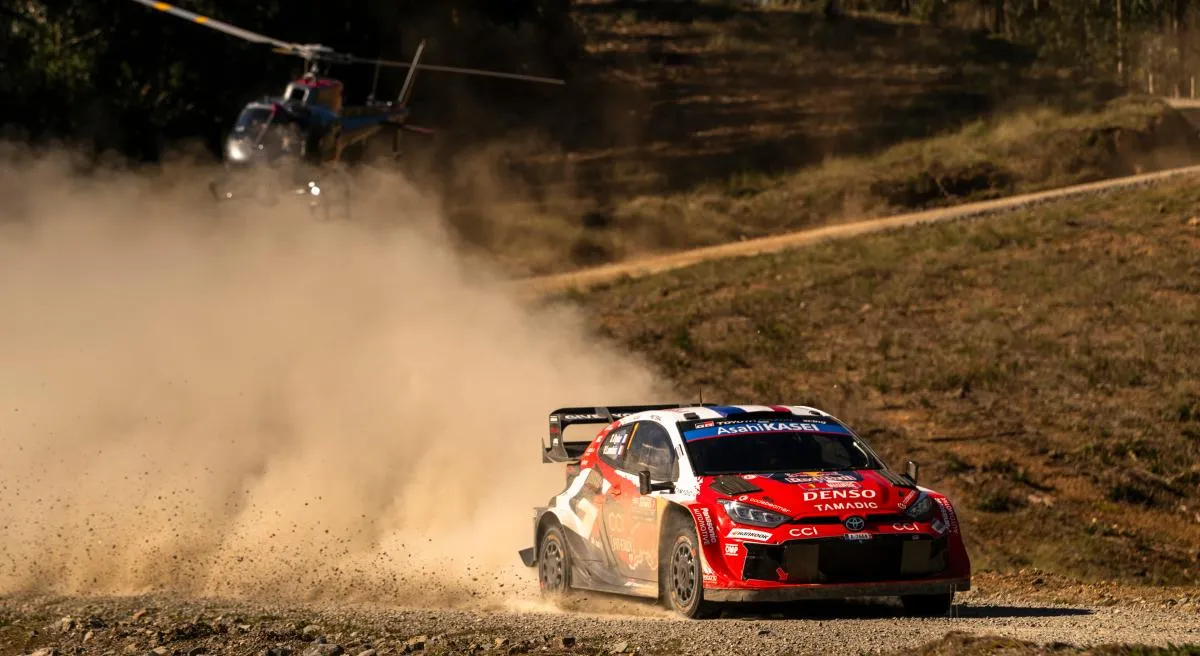
Ogier's bid for a 10th WRC title ends after Rally Saudi Arabia cancellation. Evans, Pajari, and Solberg fight for the crown in Sardinia.
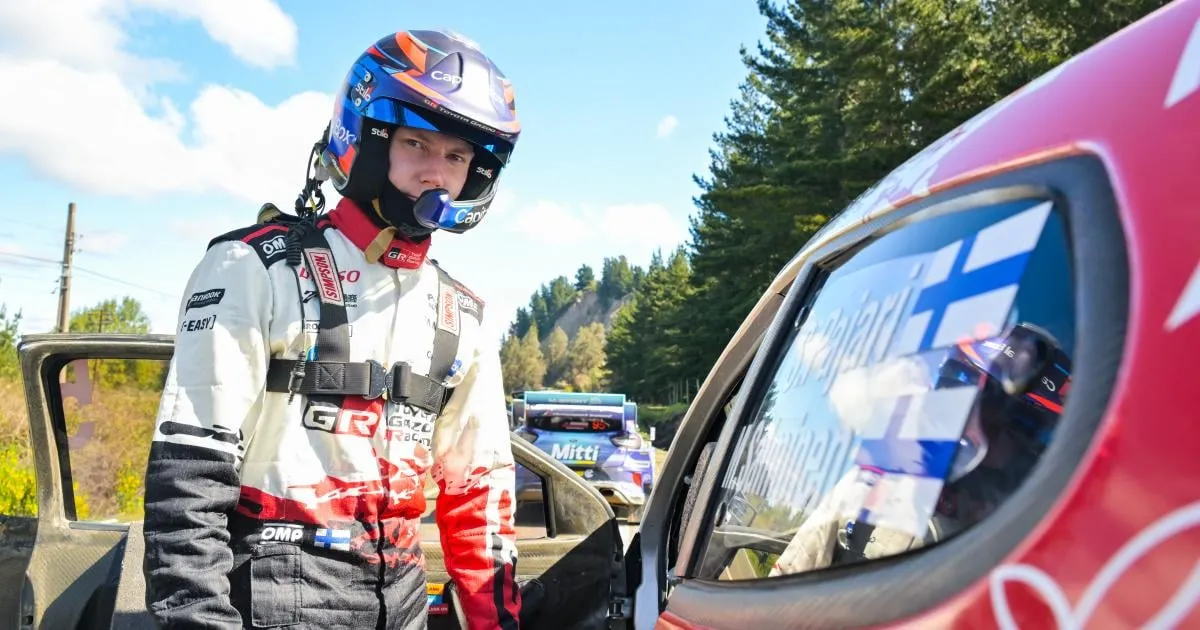
Sami Pajari unintentionally delayed Toyota's WRC 2025 manufacturers' title. Discover the unique story behind the team's celebration in Chile.
 Continue with Google
Discussion (0)
Join the Discussion!
Sign in easily to start commenting, replying, and interacting with other readers.
Latest Comments
No comments yet. Be the first!