







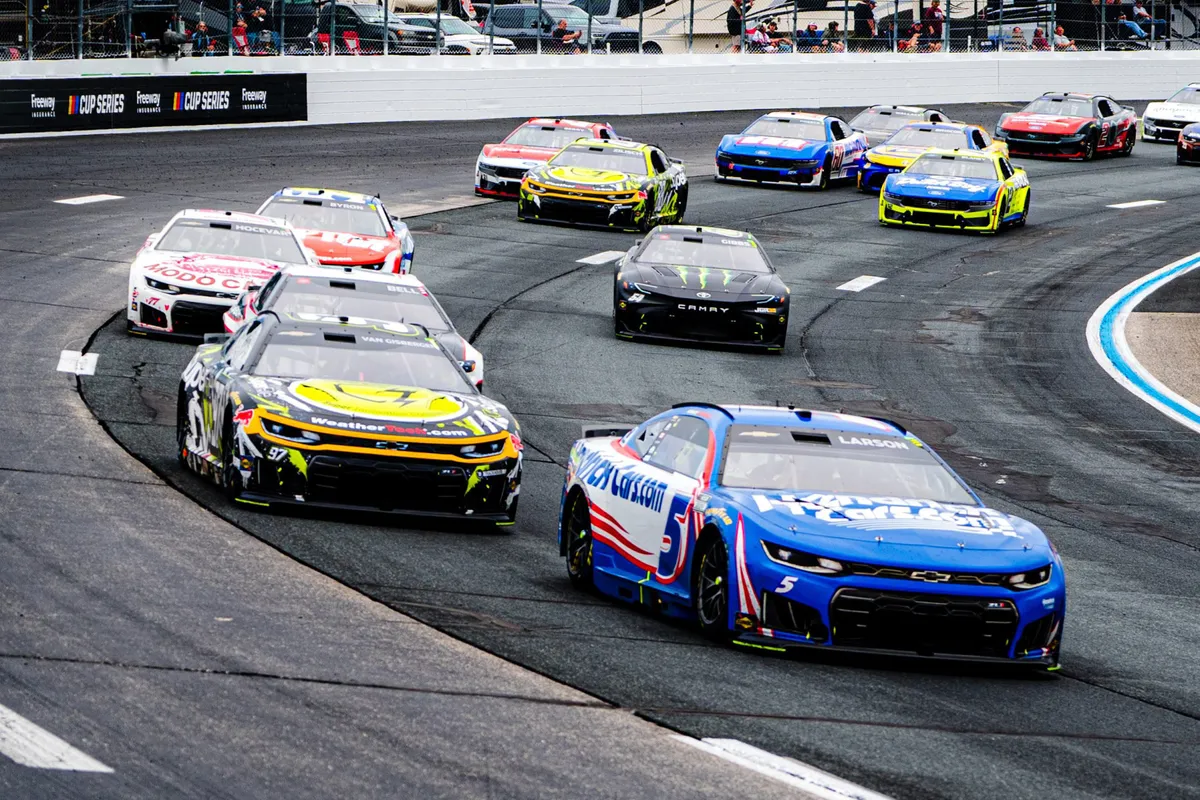

The tension at New Hampshire last week wasn't just on the track, but also in the paddock. NASCAR decided to move the Cup Series race start an hour earlier due to the threat of rain. Ironically, that decision put the series in the worst weather window, and the start was delayed.
Less than an hour later, the race finally got underway in damp conditions with every car on wet weather tyres. The first lap was immediately marred by an incident when Tyler Reddick from 23XI Racing spun from the lead. However, after that, the opening stage ran green until NASCAR officials called a competition caution on lap 40.
This caution wasn't without controversy. Its purpose was clear: to give teams the opportunity to pit under controlled conditions to change from wets to slicks. The problem is, that decision froze the running order, so drivers who had built a big lead lost their advantage. Shane van Gisbergen from Trackhouse Racing, known as a rain master, was the biggest loser. Despite keeping his lead, the seven-second advantage he had built vanished. Once the race went green, he slid down the order to finish ninth at the end of the stage.
NASCAR's decision sparked a heated debate. Denny Hamlin on his podcast Actions Detrimental admitted he benefited from the caution but defended the decision on safety grounds. "They probably should have let that green flag sequence play out," he said. "There would have needed to be green flag pit stops right about when they were throwing that caution. The track was starting to dry. There were guys with right fronts burned off, right rears burned off. I had my own reservations. For me, personally, it was best, because I would not have felt comfortable on total dries out on that race track."
Hamlin stressed that the biggest risk wasn't on the track, but in pit lane. "Pit lane was wet. Genuinely really, really wet. So we come in and we just slide right into a crew member and take his legs out? You slide, you pinch a guy up against the back of another car," he explained. However, Kyle Larson, the defending NASCAR champion, had a different view. According to him, NASCAR shouldn't need to implement any rule at all, just let drivers adapt to the conditions. "I don't even think they need to implement any sort of rule. I'm thinking of myself, pit road is slick, the pit box is slick, I'm going to come in slower," he said.
Larson saw the lost strategic opportunity. "Whoever decides to go to slicks early, maybe they get rewards, maybe they don't. Whoever stays on wets longer, it's good for the short term, bad for the long term. That certainly would be compelling," he added.
This controversy highlights a larger debate about how NASCAR handles wet racing on ovals. On one hand, pit crew safety is paramount. On the other, too much intervention removes the strategic element that makes racing exciting. Will NASCAR listen to its drivers' voices? Or will they maintain a conservative approach? The season is still long, and rain-threatened tracks are on the horizon.
Read Also
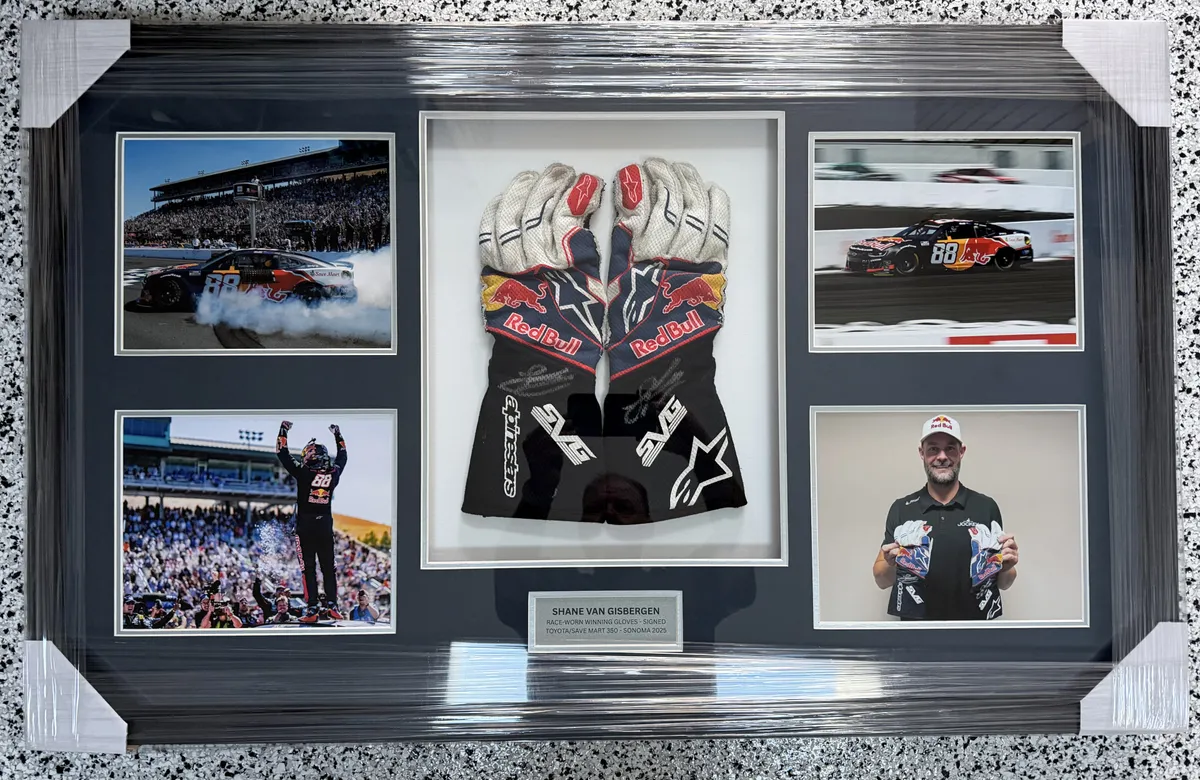
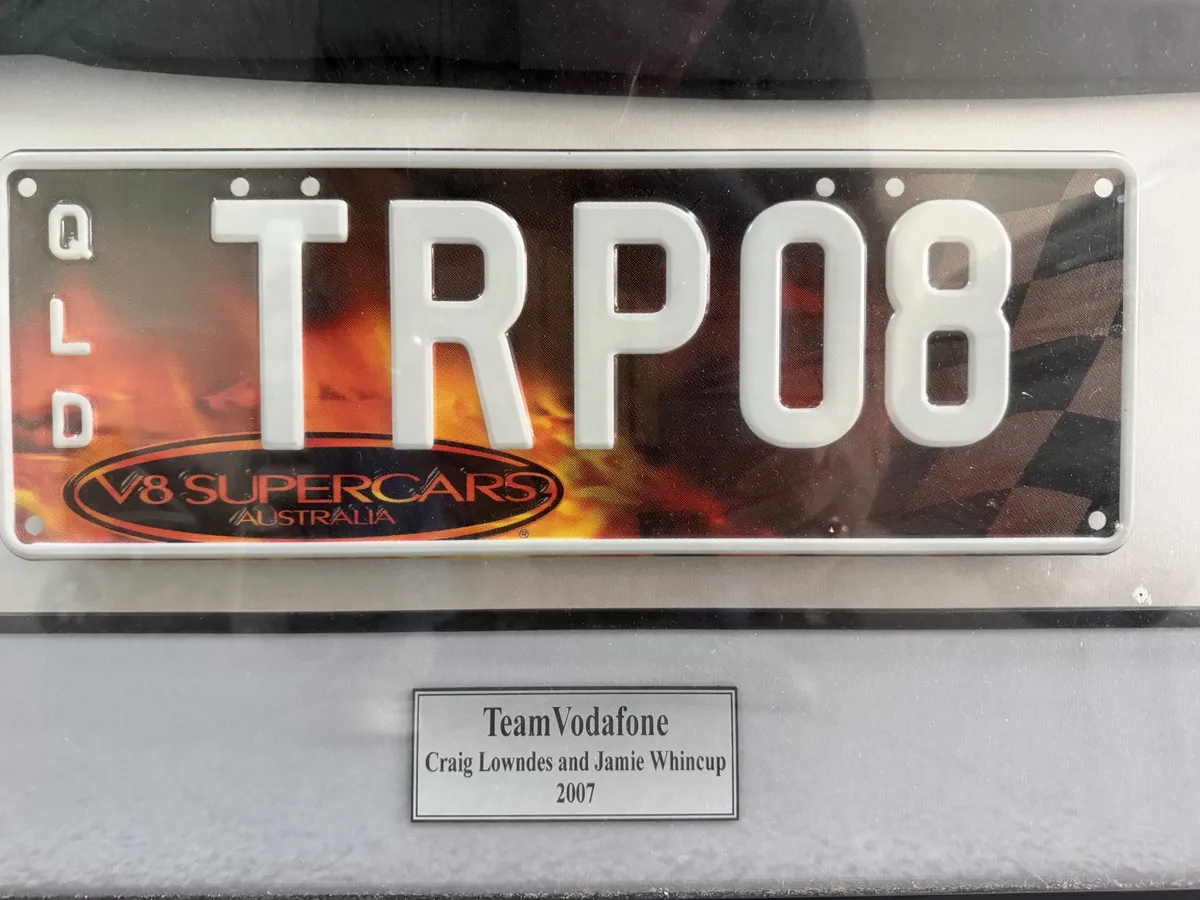
Sarung tangan balap Shane van Gisbergen dari kemenangan NASCAR Sonoma 2025 dilelang di PPQ Legends Night untuk amal Motorsport Ministries.
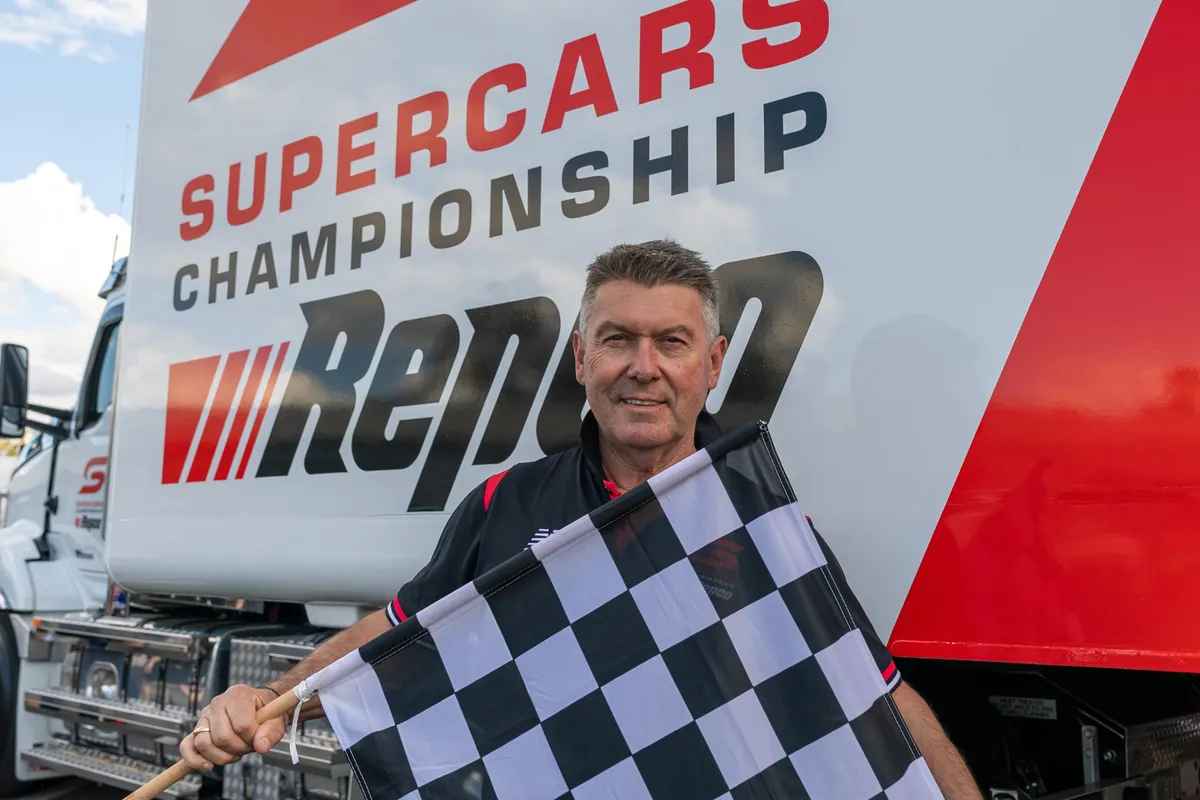
Lelang PPQ Legends Night tawarkan pengalaman unik kibarkan bendera finis di Supercars Gold Coast 500 untuk dukung amal Motorsport Ministries.
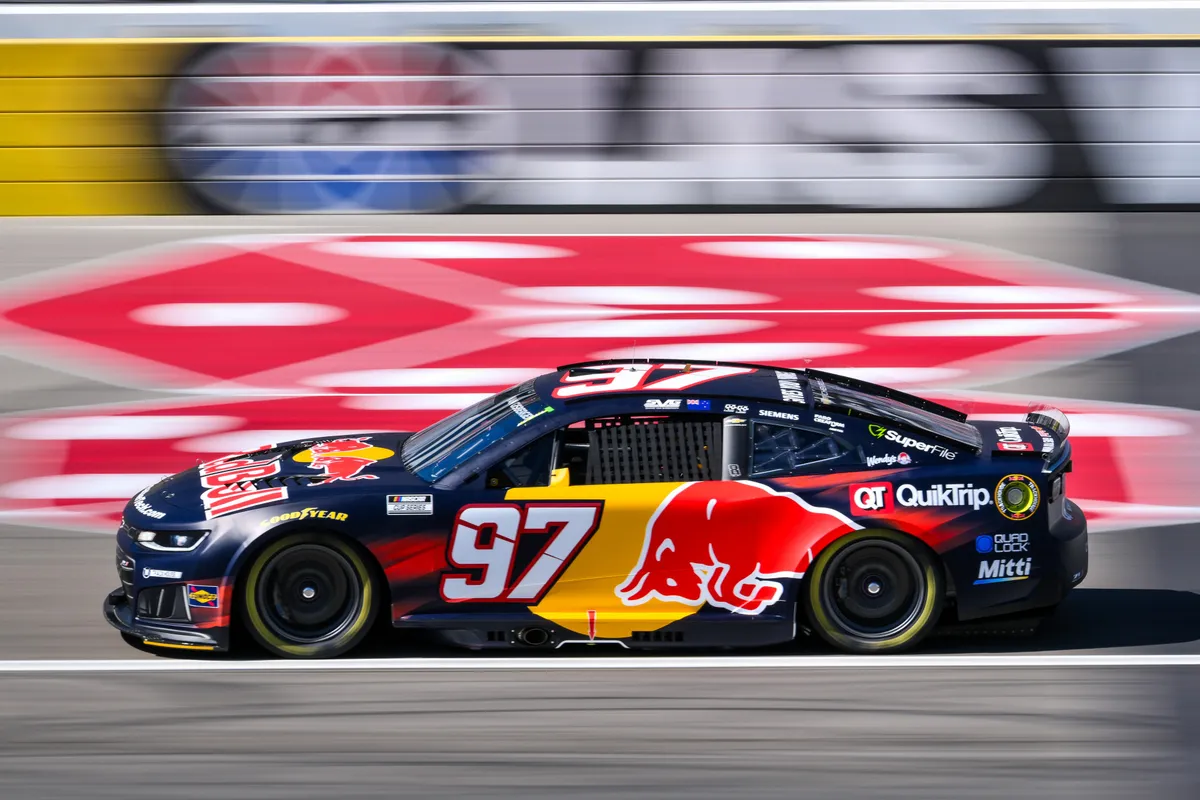
Shane van Gisbergen sukses amankan finis 10 besar pertama di oval sejak Juli setelah jalani balapan bersih tanpa drama radio di Las Vegas Motor Speedway.
 Continue with Google
Discussion (0)
Join the Discussion!
Sign in easily to start commenting, replying, and interacting with other readers.
Latest Comments
No comments yet. Be the first!