







MotoGP has confirmed that wildcard entries will be discontinued from the 2027 season, marking a significant regulatory shift that will impact both team development strategies and test rider roles.
The decision, announced by the Grand Prix Commission, applies to all manufacturers regardless of concession status. Under the new rule, test riders will no longer be permitted to participate in race weekends via wildcard entries, unless they are officially replacing an injured full-time rider. This effectively removes a long-standing pathway for integrating development work into competitive race conditions.
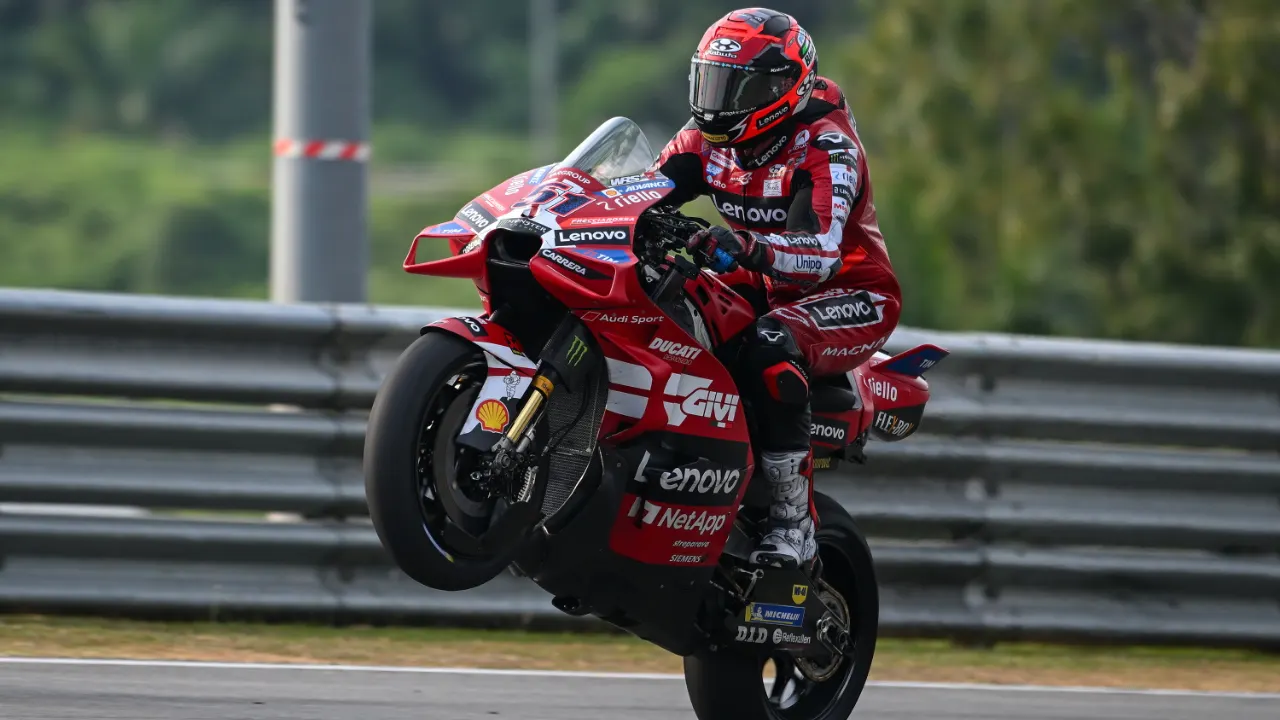
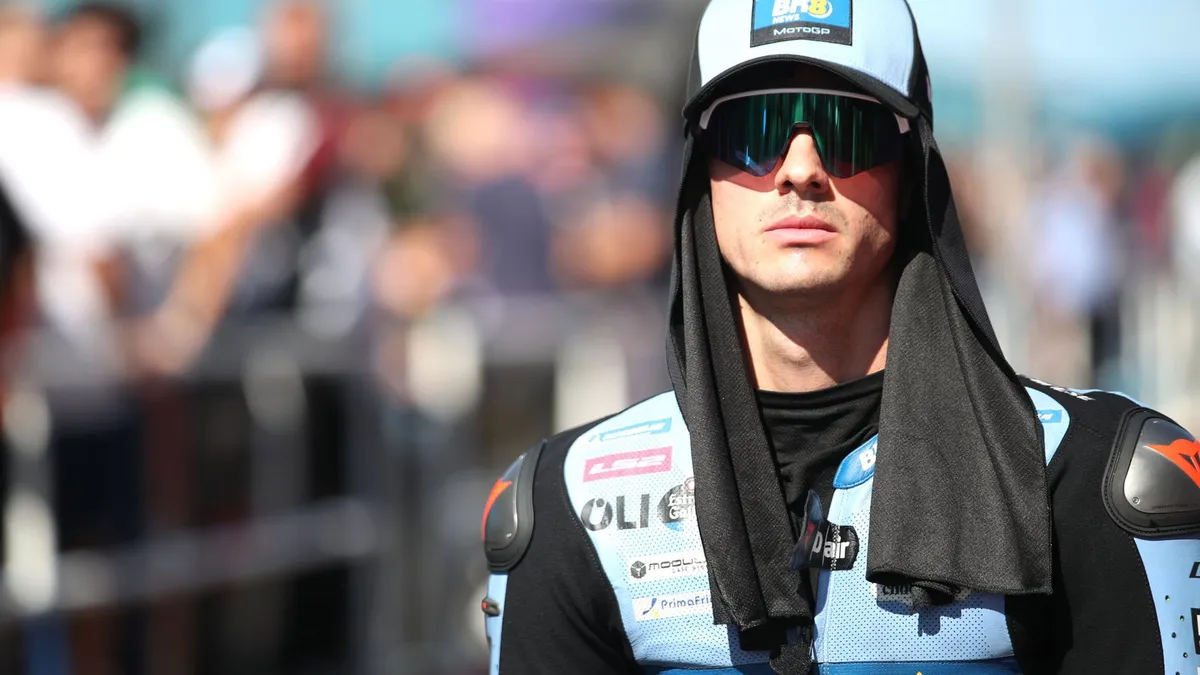
Historically, wildcard appearances have served dual purposes. They provided opportunities for experienced test riders such as Dani Pedrosa and Michele Pirro to contribute directly to race programmes, while also enabling teams to validate new technical components under real race pressure. For instance, Augusto Fernandez utilised a wildcard entry to debut Yamaha’s V4 concept in a competitive environment.
With the removal of wildcard entries, such validation processes will now rely exclusively on official test sessions, which operate under more controlled conditions and may not fully replicate race scenarios. This places greater emphasis on simulation tools and structured testing programmes to bridge the gap.
The change also alters the career dynamics for test riders. Previously, wildcard outings offered a visible platform to demonstrate performance and potentially secure a full-time seat. Without this opportunity, the role becomes more development-focused, potentially reducing its attractiveness for riders aiming to return to the grid.
From a technical standpoint, the decision aligns with the broader regulatory overhaul planned for 2027, including the introduction of 850cc engines and a switch to Pirelli tyres. With all manufacturers starting under equal concession conditions, development pathways are expected to become more standardised, reducing the need for ad hoc race-based experimentation.
Additional clarification confirms that any remaining wildcard entries in 2026 will not be permitted to use 2027-spec machinery. This ensures a clear separation between current competition and future development phases, maintaining regulatory consistency across the transition period.
Meanwhile, the real-time tyre pressure monitoring system will remain in place for 2027, continuing to play a critical role in ensuring compliance and safety. Given the sensitivity of tyre performance to pressure variations, this system remains a key component of race regulation.
Other updates include adjustments to delayed start procedures and the formal approval of heart-rate monitoring sensors in Moto2 and Moto3. While secondary in scope, these changes reflect ongoing refinement of operational and safety frameworks within the championship.
The removal of wildcard entries signals a shift towards a more structured and controlled development environment in MotoGP. Its long-term impact will be evident in how teams adapt their testing strategies and how riders navigate career pathways within the evolving landscape of the 2027 regulation era.
Read Also
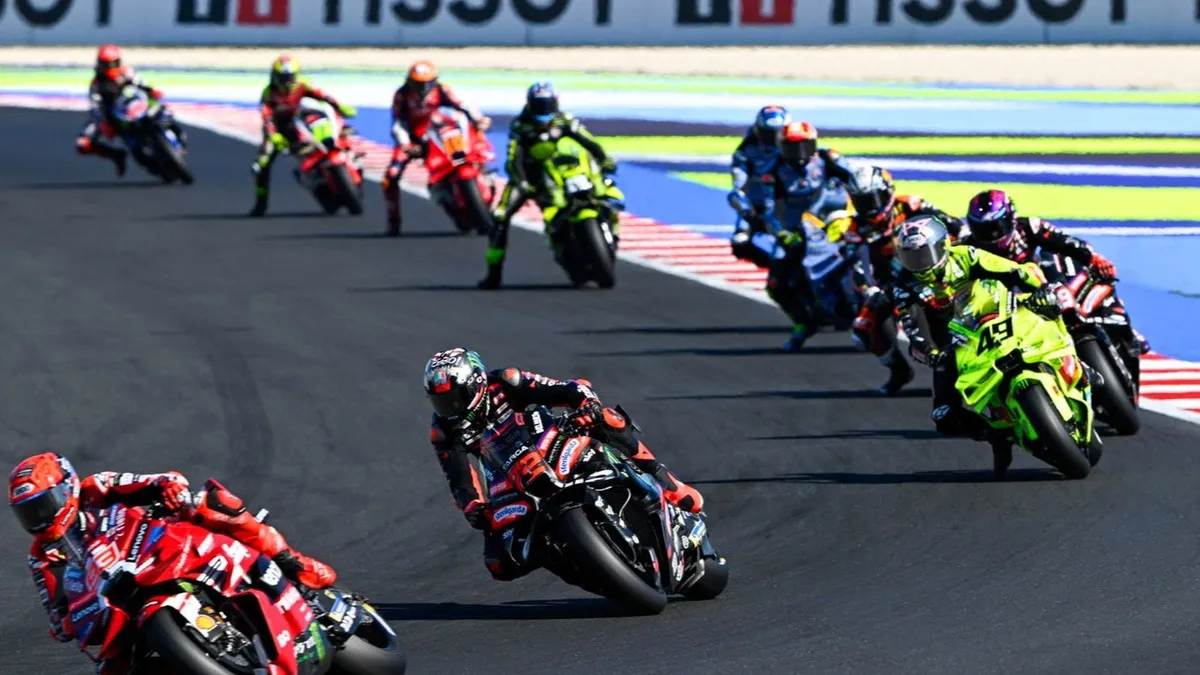
Fabio di Giannantonio praises Marc Marquez, saying he can put Ducati on par with Aprilia at MotoGP Misano. Read the full analysis.
Franco Morbidelli criticizes long lap penalty and urges MotoGP to adopt F1-style warning system for rider safety.

Marco Bezzecchi acknowledges Marc Marquez's Sprint dominance at Misano but vows to fight back in the main race.
 Continue with Google
Discussion (0)
Join the Discussion!
Sign in easily to start commenting, replying, and interacting with other readers.
Latest Comments
No comments yet. Be the first!