







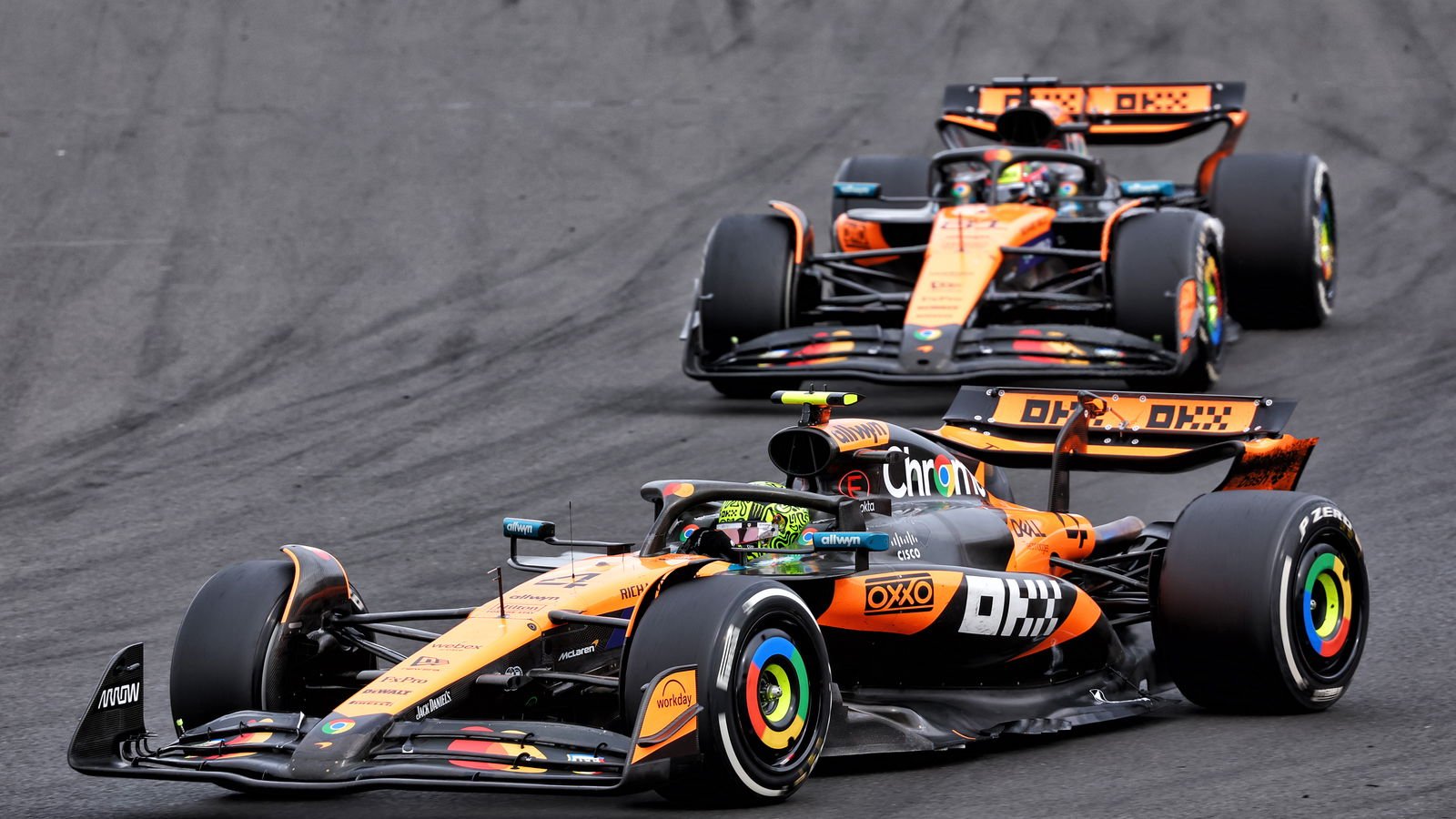

McLaren has opted against introducing early upgrades to its 2026 Formula 1 car ahead of the season-opening Australian Grand Prix, choosing instead to prioritise a full understanding of its new technical platform.
All 11 Formula 1 teams are scheduled to run their new cars during a five-day pre-season test at the Circuit de Barcelona-Catalunya next week. For many, the focus will be on how quickly development can accelerate following Barcelona and across the two three-day tests in Bahrain in February, before the championship begins in Melbourne on March 6–8.

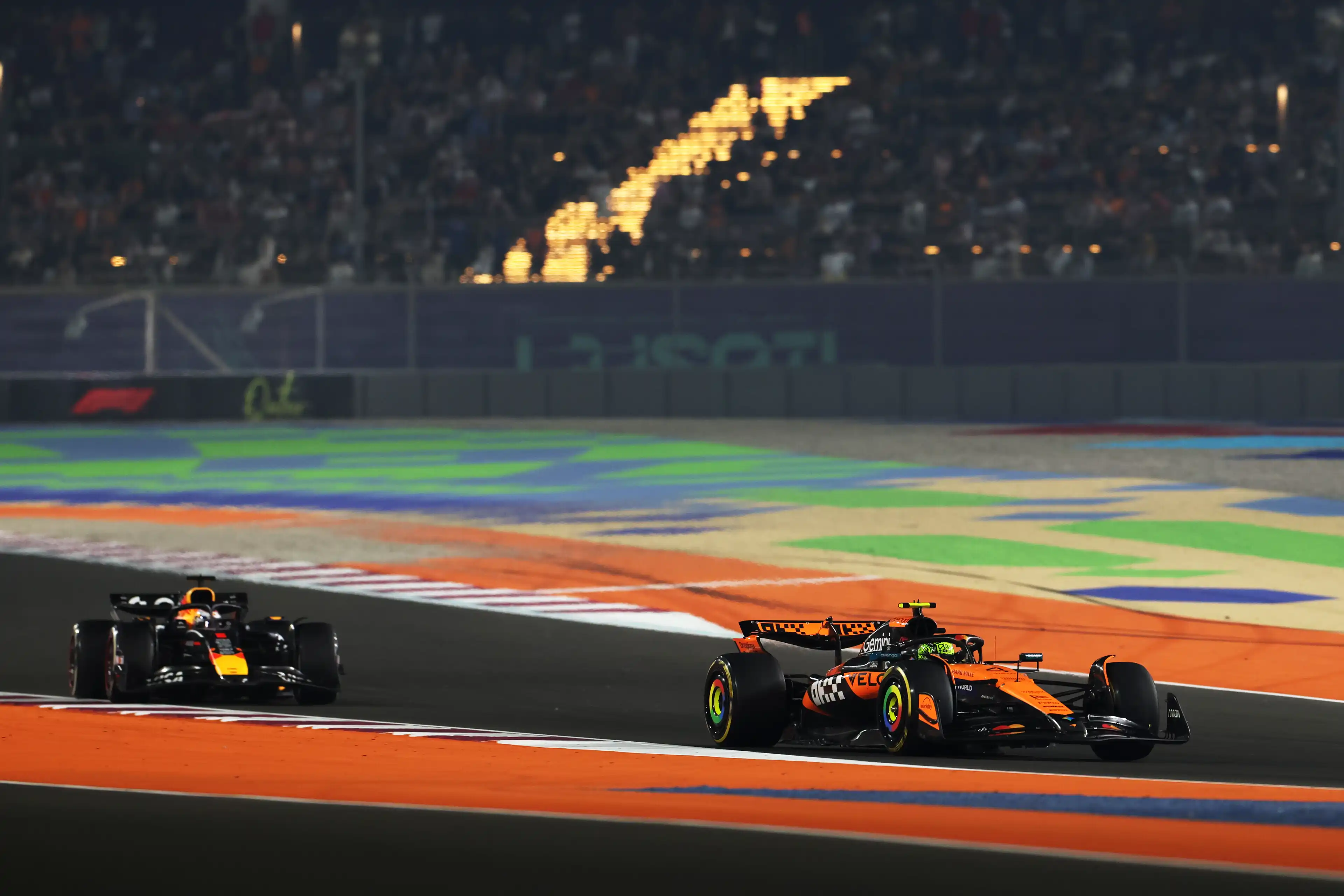
McLaren, however, is deliberately taking a more conservative route. Chief designer Rob Marshall has stressed that the team’s priority is not rapid iteration, but gaining clarity on the behaviour of a fundamentally new car built around revised power units and associated aerodynamic regulations.
The approach reflects the increased complexity of the 2026 regulations, where the integration of new powertrain architecture with updated aerodynamic concepts requires careful correlation. McLaren is also conscious that early solutions adopted by rivals could influence its own development direction later in the season.
“Between Barcelona and Melbourne, I think what you see is probably pretty much what we’ll bring to the first race,” Marshall told invited media, including RacingNews365.
“A lot of our effort will be in understanding this. We also need to take into account what the opposition is up to, because we may be inspired by what they may or may not show.”
Marshall believes introducing multiple new components too early would risk obscuring the baseline performance picture. With an all-new platform, McLaren is focused on establishing a stable reference before committing resources to redesigns.
“This car is very complicated. It’s all new. There’s a lot we need to dial in and tune, so bringing a lot of new parts early would only complicate things,” he added.
McLaren’s cautious philosophy is also reflected in its testing plan. Team principal Andrea Stella confirmed that the team will conduct only a shakedown on Monday in Barcelona, before beginning full running on either the second or third day of the test.
“The car is currently at AVL in Austria running on the dyno,” Stella explained.
“This is now common practice in Formula 1, because it allows us to sign off fundamental systems more comprehensively than when testing individual sub-systems.”
Stella added that delaying on-track running allows McLaren to push development of its launch specification as late as possible, while still remaining within the regulations that permit three testing days out of the five available in Barcelona.
“We wanted to give ourselves as much development time as possible. That’s why we will not run on day one and will start testing on day two or day three,” he said.
The strategy underlines McLaren’s emphasis on early-season stability and technical understanding, a foundation the team believes will be critical in determining the effectiveness of its development trajectory as the 2026 Formula 1 season moves into its competitive phase.
Read Also
Pedro de la Rosa reveals honesty is key for Aston Martin to overcome 2026 F1 crisis. Read the exclusive interview and team strategy.
Ferrari faces an emergency 2026 power unit project. The team prepares a new engine for 2027 to close the gap to Mercedes in F1.

Arvid Lindblad nearly flips the world's shortest Fiat Panda in a YouTube challenge. The Racing Bulls driver also tested a motorised sofa and shared hilarious stories.
 Continue with Google
Discussion (0)
Join the Discussion!
Sign in easily to start commenting, replying, and interacting with other readers.
Latest Comments
No comments yet. Be the first!