






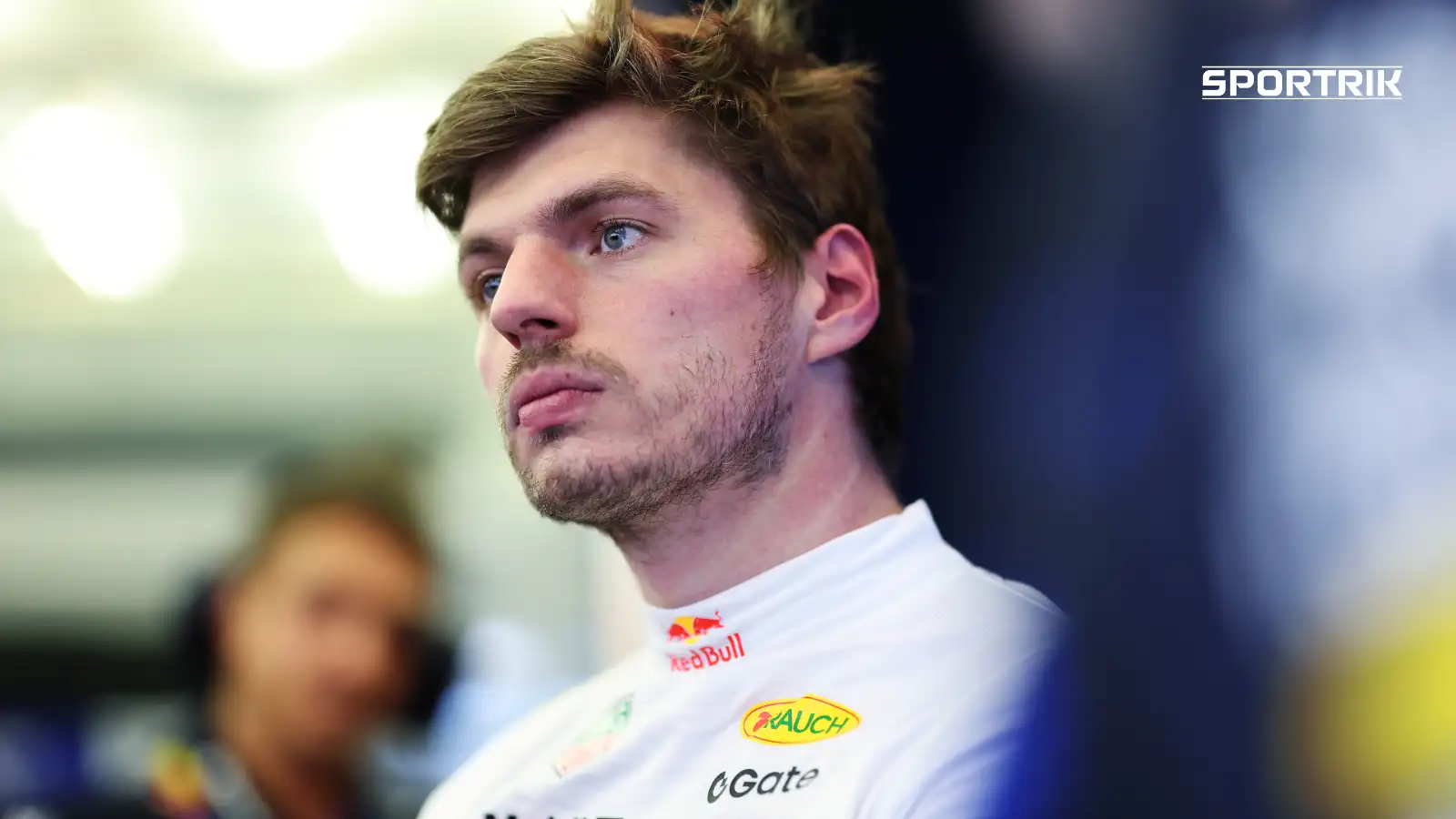

Formula 1, Sportrik Media - Max Verstappen of Red Bull Racing has ignited widespread debate after openly considering retirement from Formula 1 amid dissatisfaction with the 2026 regulations.
The remarks emerged during the Japanese Grand Prix weekend, where Verstappen acknowledged that the current technical direction of the sport does not align with his preferences as a driver. The new rules introduced by the FIA place a strong emphasis on electrification, energy efficiency, and active aerodynamics, fundamentally reshaping car behaviour compared to previous generations.
Verstappen has previously hinted at the possibility of an early retirement, although he had downplayed suggestions that he would leave as early as the end of 2026. However, growing frustration with the technical regulations has now brought that scenario back into focus, raising questions about his long-term commitment to the championship.
From a technical standpoint, the 2026 framework presents a significantly different challenge. Energy management has become central to performance, influencing both qualifying execution and racecraft. This shift has reduced the emphasis on direct on-track battles, instead prioritising strategic optimisation and efficiency. For a driver with an aggressive racing style such as Verstappen, this represents a departure from the traditional competitive dynamics he has thrived in.
Despite this, Verstappen has rejected the notion that his criticism is solely linked to performance limitations. He has indicated that he would be content competing further down the order, provided the driving experience remains engaging. This suggests that his concerns are rooted more in the philosophy of the regulations than in immediate results.
Public reaction to Verstappen’s comments has been notably divided. A recent poll conducted by RacingNews365 found that nearly half of respondents believe the Dutch driver could retire at the end of the season, reflecting the seriousness with which his statements are being interpreted.
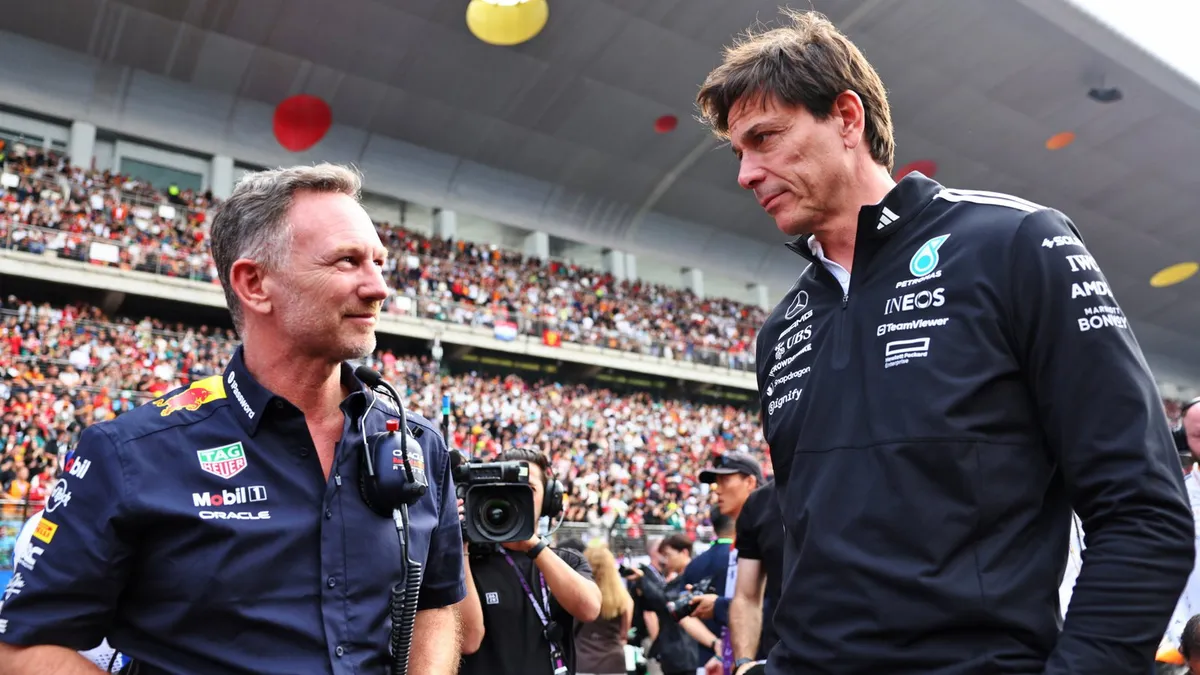
Interestingly, the same poll indicates that more respondents expect Verstappen to join Mercedes than to remain with Red Bull beyond 2026. This highlights an alternative narrative surrounding his future, where a potential team switch is viewed as equally plausible as retirement.
Within the competitive landscape, these developments come at a time when the balance of power on the grid is beginning to shift. Teams such as Ferrari and Mercedes have shown competitive gains, while Red Bull continues to navigate the challenges of optimising its new-generation car under the revised regulations.
Historically, it is uncommon for drivers to step away at the peak of their careers. As a multiple world champion and one of the most dominant figures of his era, any decision by Verstappen to retire would represent a significant moment in modern Formula 1.
There is also a broader interpretation that Verstappen’s stance could serve as strategic pressure on the sport’s regulatory direction. In Formula 1’s highly political environment, leading drivers and teams often use public platforms to influence future rule development. In this context, his comments may be seen as an attempt to shape the evolution of the sport.
Regardless of intent, the situation underscores the ongoing challenge for Formula 1 in balancing technological innovation with sporting appeal. The 2026 regulations are designed to enhance sustainability and industry relevance, but they also introduce changes that affect the fundamental racing experience.
As the season progresses, attention will remain on how Verstappen and Red Bull respond on track. Whether improved performance can ease current frustrations or further intensify the retirement narrative will be a defining storyline heading into the next phase of the 2026 championship.
Read Also
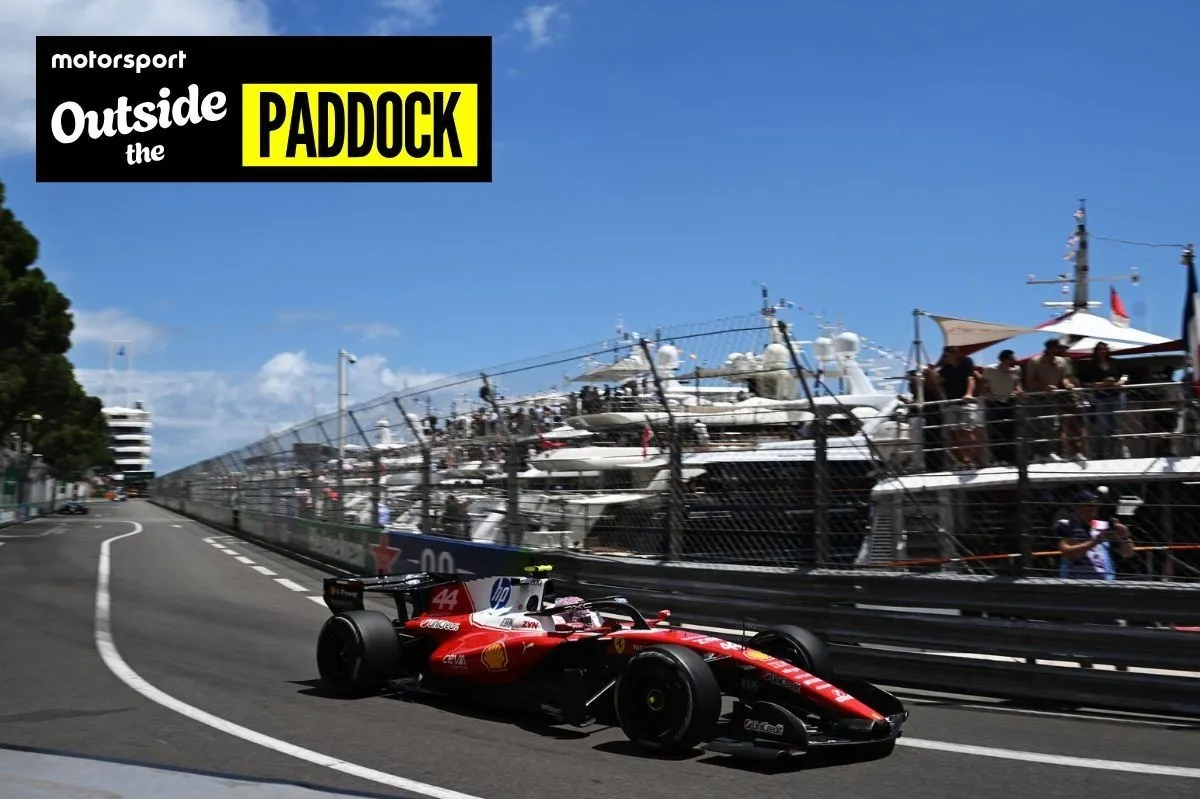
Pelabuhan Nice disulap menjadi sirkuit F1 klasik untuk film prequel Ocean's garapan Bradley Cooper. Simak analisis lengkap dan jadwal rilisnya di sini!
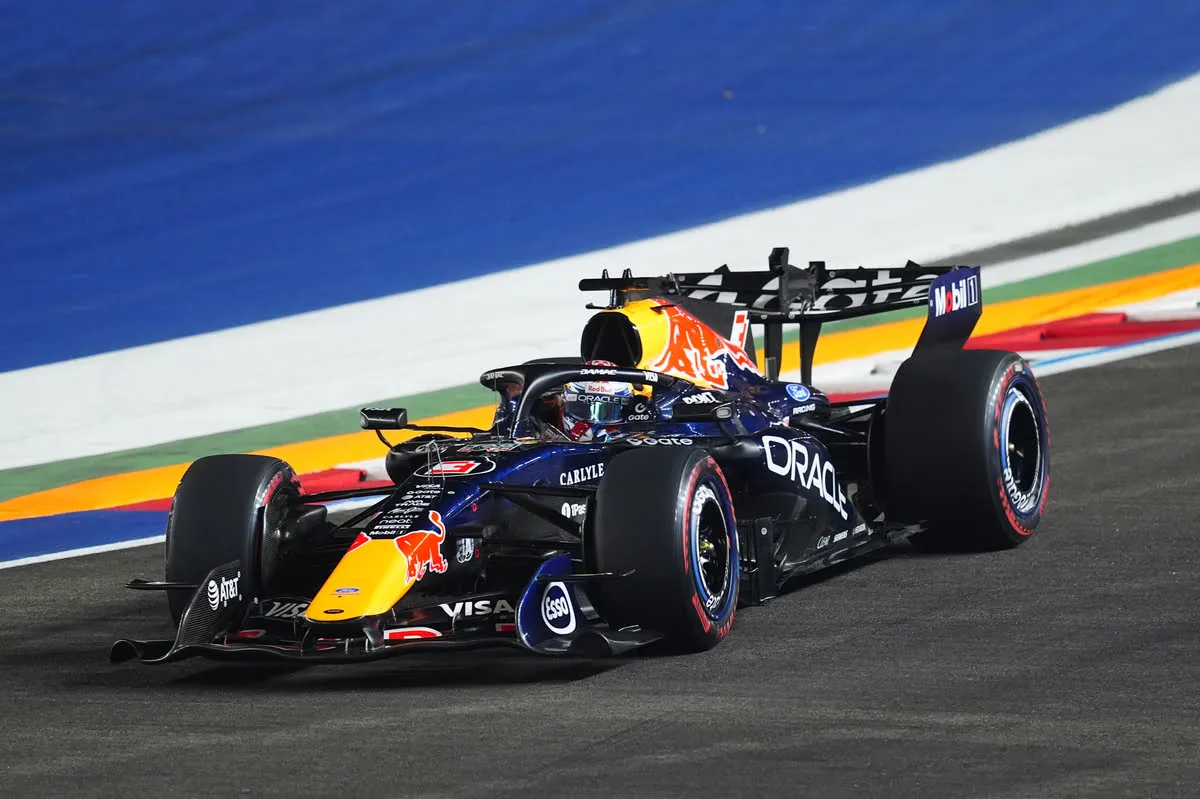
Pierre Wache sebut mesin baru Red Bull baru capai 50 persen potensinya. Simak analisis mendalam performa RB22 dan update F1 di sini!
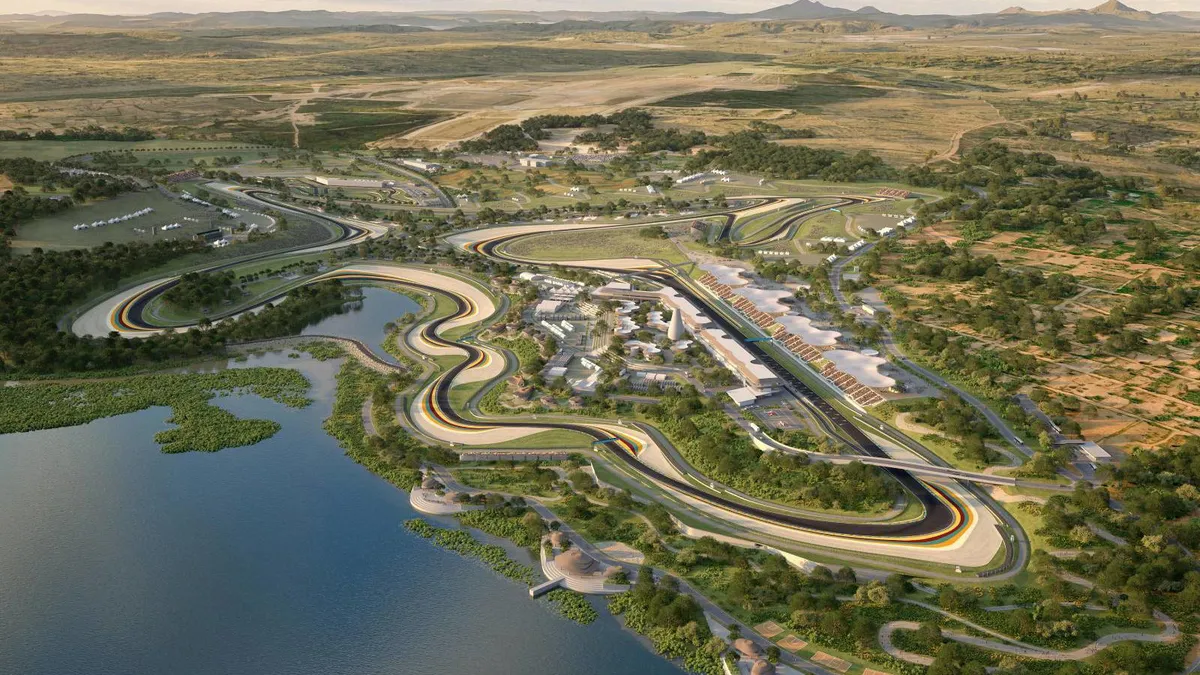
Formula 1 resmi kembali ke Afrika lewat kontrak 10 tahun di Rwanda mulai 2026. Baca analisis mendalam mengenai sejarah baru balap jet darat di sini.
 Continue with Google
Discussion (0)
Join the Discussion!
Sign in easily to start commenting, replying, and interacting with other readers.
Latest Comments
No comments yet. Be the first!