






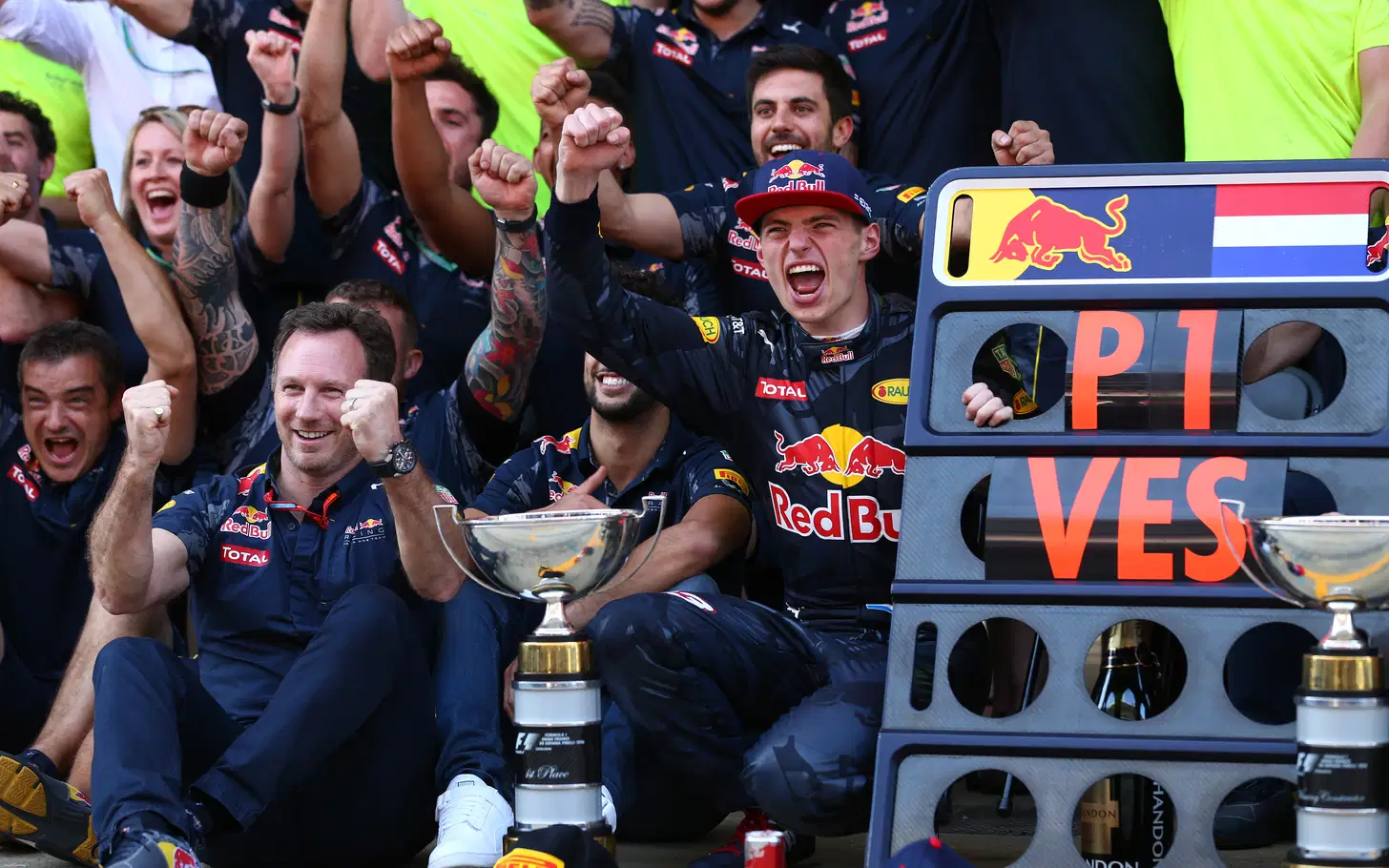

Helmut Marko has revealed that Christian Horner initially opposed the decision to promote Max Verstappen to Red Bull Racing during the early stages of the 2016 Formula 1 season. The move would later become one of the most significant turning points in modern Formula 1 history after Verstappen immediately won on his debut for the senior team.
Verstappen was promoted just four races into the 2016 campaign to replace Daniil Kvyat, who was demoted back to Toro Rosso. The decision followed a difficult period for Kvyat, including his opening-lap collisions with Sebastian Vettel at the Russian Grand Prix.
According to Marko, Kvyat had still shown competitive form throughout 2015 and was at times capable of matching Daniel Ricciardo, particularly in wet conditions. However, the Russian driver’s situation changed dramatically in 2016 as he began losing confidence in the car and repeatedly complained about braking issues from the opening pre-season tests.
"Kvyat crashed twice in that race. The year before, he performed adequately and was sometimes even faster than Daniel Ricciardo, particularly in the rain," Marko told De Telegraaf.
"But in 2016, he was no longer the same driver and complained about the brakes from the very first day of testing. It was clear that we had to do something," the Red Bull advisor added.
During the internal evaluation process, Red Bull ultimately selected Verstappen ahead of Carlos Sainz, who was also delivering strong performances at Toro Rosso. The decision immediately paid off when Verstappen sensationally won the 2016 Spanish Grand Prix on his Red Bull debut, becoming the youngest race winner in Formula 1 history at just 18 years old.
From both a technical and driving perspective, Verstappen was already viewed as highly compatible with Red Bull’s front-end-sensitive aerodynamic philosophy. His aggressive braking style and confidence in high-speed corner entry allowed him to adapt quickly to the RB12, particularly on technical circuits requiring strong front axle rotation.
Marko also admitted the decision to promote Verstappen did not receive unanimous support from Red Bull’s senior management. Horner reportedly believed Verstappen was still too inexperienced to be elevated to the senior team after only four races of the season.
"Team principal Christian Horner disagreed with promoting Max after just four races in 2016; he was against it," Marko said.
"Many rivals and critics also attacked me and said that Max was still far too young and that this was a dangerous move," he continued.
The decision ultimately became the foundation of Verstappen’s rise into Formula 1’s dominant era. Following his breakthrough victory in Barcelona, the Dutch driver evolved into the centrepiece of Red Bull’s long-term project and went on to secure multiple world championships with the Milton Keynes-based team.
Marko’s latest comments once again highlight how Red Bull’s internal decision-making in 2016 shaped the direction of modern Formula 1. The episode also reinforced Red Bull’s long-standing philosophy of aggressively promoting young talent, a strategy that remains central to the organisation’s driver development programme today.
Read Also
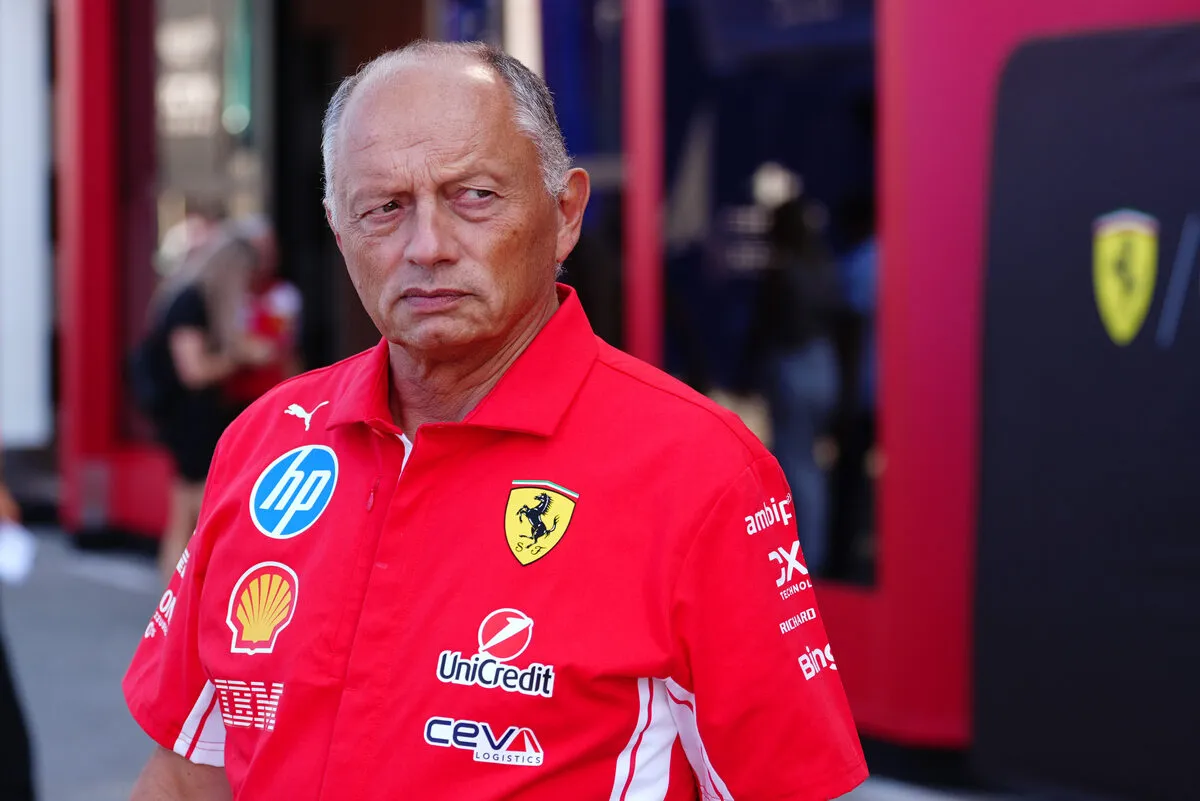
Masa depan Fred Vasseur di Ferrari dipertanyakan setelah performa buruk SF-26. Apakah Elkann dan Vigna harus memberi kepercayaan atau mengganti? Baca analisisnya.
Mercedes menang di Baku, Russell menekan Antonelli di F1 2026. Verstappen hampir menyalip, Ferrari terpuruk karena defisit tenaga mesin.
Williams Racing resmi menggandeng TZUYU, bintang K-pop, untuk menyanyikan lagu tema kolaborasi dengan anime DAN DA DAN. Simak detailnya!
 Continue with Google
Discussion (0)
Join the Discussion!
Sign in easily to start commenting, replying, and interacting with other readers.
Latest Comments
No comments yet. Be the first!