







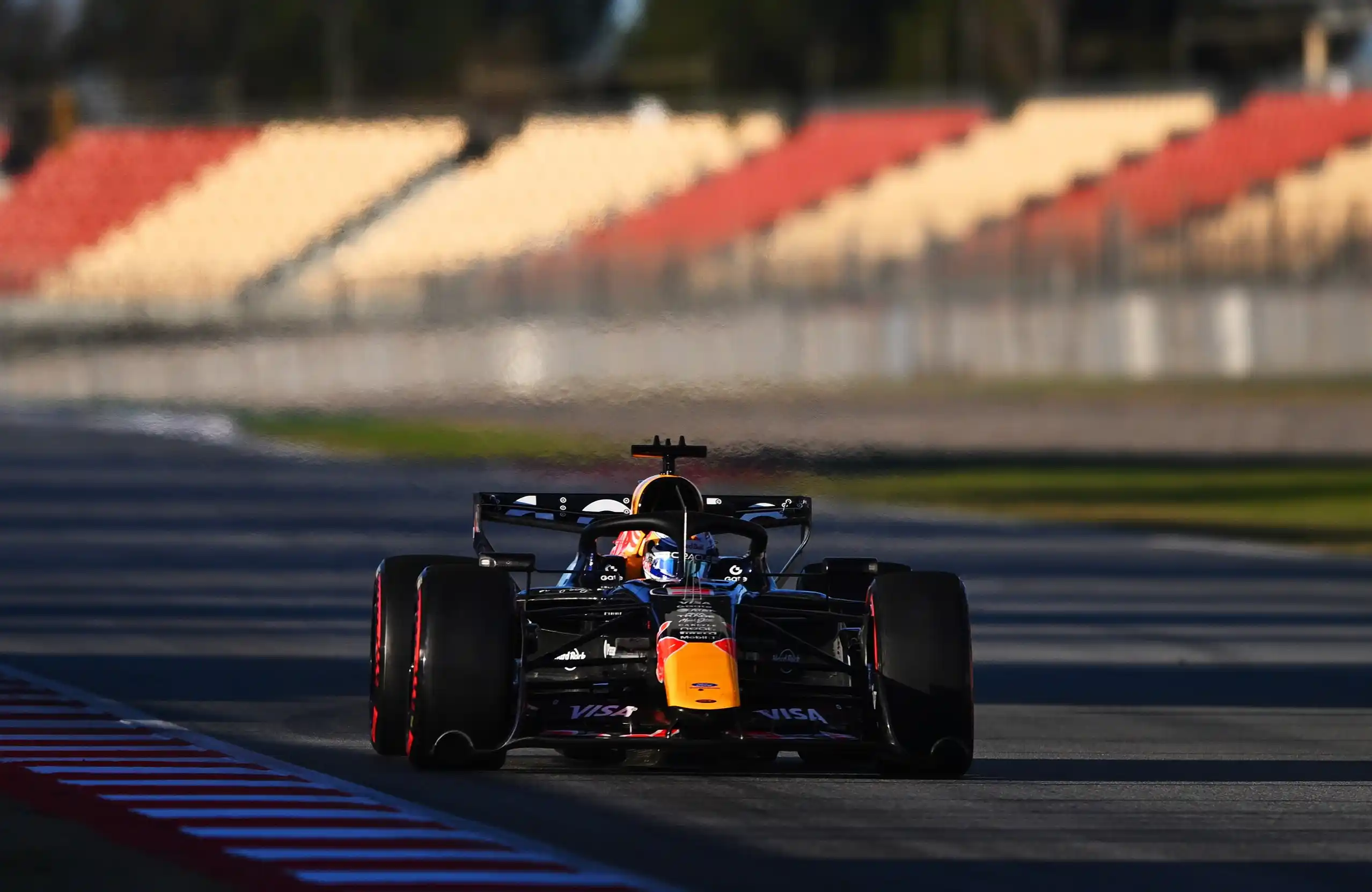

Martin Brundle has admitted he is far from surprised by the early impression made by Red Bull Powertrains in its Formula 1 debut, citing what he witnessed during a tour of the facility led by former team principal Christian Horner.
Entering the 2026 season, Red Bull’s new in-house power unit programme carried significant question marks, given the company is producing its own Formula 1 power unit for the first time in its 20-year history. However, after the opening four days of testing at the Circuit de Barcelona-Catalunya, Red Bull and sister team Racing Bulls combined to complete more than 500 laps, immediately addressing concerns over basic reliability.
While the mileage surprised some observers across the paddock, Brundle believes the early stability reflects the scale and quality of Red Bull’s preparation rather than a shock breakthrough.
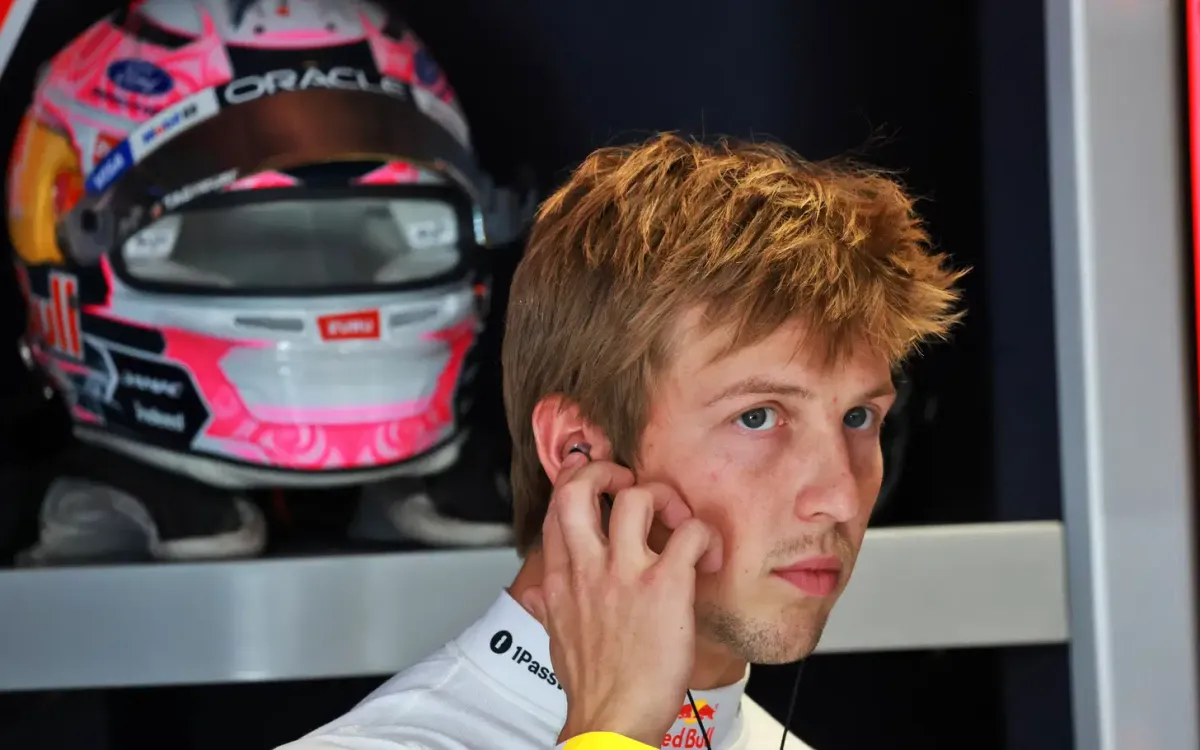
“They’ve done really well, haven’t they?” Brundle said while speaking on Sky Sports F1.
“I remember Christian Horner took me around the engine factory more than one and a half years ago, and I thought, ‘My God, this is unbelievable!’”
Brundle highlighted the depth of Red Bull Powertrains’ operation, explaining that the infrastructure he saw made a competitive debut entirely plausible despite the programme’s relative inexperience in Formula 1 power units.
“The scale of it, the number of people, the facilities and the dynos they had there,” he added.
“So I’m not that surprised, if I’m honest. I know they’re new to Formula 1 power units, but they have a lot of good people, a lot of resource, and it’s a great facility.”
In a broader assessment of the early competitive landscape, Brundle suggested that Mercedes currently holds “the upper hand”, having logged around 500 laps on its own across the three days of testing permitted. That advantage is expected to grow as Mercedes supplies power units to McLaren, Alpine, and Williams, despite Williams being absent from the Barcelona running.
With multiple customer teams feeding back data, Brundle believes Mercedes’ rate of learning will be accelerated compared to manufacturers supplying fewer teams.
“Ferrari looks pretty solid as well,” Brundle said.
“I think the teams that have the biggest challenge are, for example, Aston Martin with Honda, because there’s only one of them, and Audi, because there’s only one of them.”
Brundle argued that the number of teams running a given power unit will be a decisive factor under the radically revised 2026 regulations.
“At least Red Bull has two teams with the power unit, and Mercedes will eventually have four teams running,” he explained.
“So their learning capacity, their rate of gain, will be higher, and that bodes very well for those teams in the long term.”
Overall, Brundle expressed a sense of relief at how smoothly the opening phase of the new regulations has unfolded, particularly when contrasted with the troubled introduction of hybrid power units in 2014.
“Given that this is clearly the biggest change in the history of Formula 1, with the power unit and the chassis, including active aerodynamics, we were expecting gremlins and problems,” he said.
“We all remember 2014, when the new hybrid engines came in and the cars struggled to get out on track, or broke down almost immediately.”
According to Brundle, the relatively trouble-free start to 2026 underlines the scale of investment and expertise now embedded within Formula 1.
“It just reminds you of the level of investment in Formula 1, the quality of the people and the facilities,” he added.
“The cars are incredibly complex now, yet the teams can just turn up and start circulating.”
Brundle concluded by praising the collective preparedness of the grid, suggesting the early running in Barcelona has provided a solid foundation for development heading into the rest of pre-season testing.
“I’m very impressed by how the teams have largely got their acts together and just got on with it,” he said.
Read Also
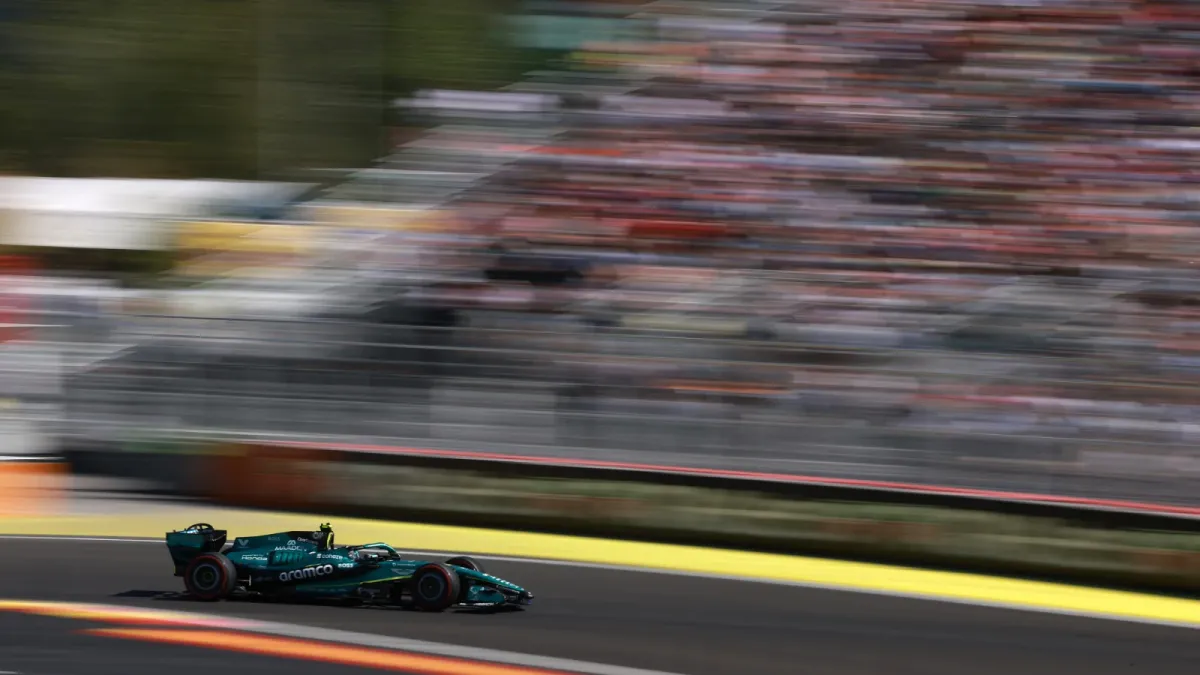
Pedro de la Rosa reveals honesty is key for Aston Martin to overcome 2026 F1 crisis. Read the exclusive interview and team strategy.
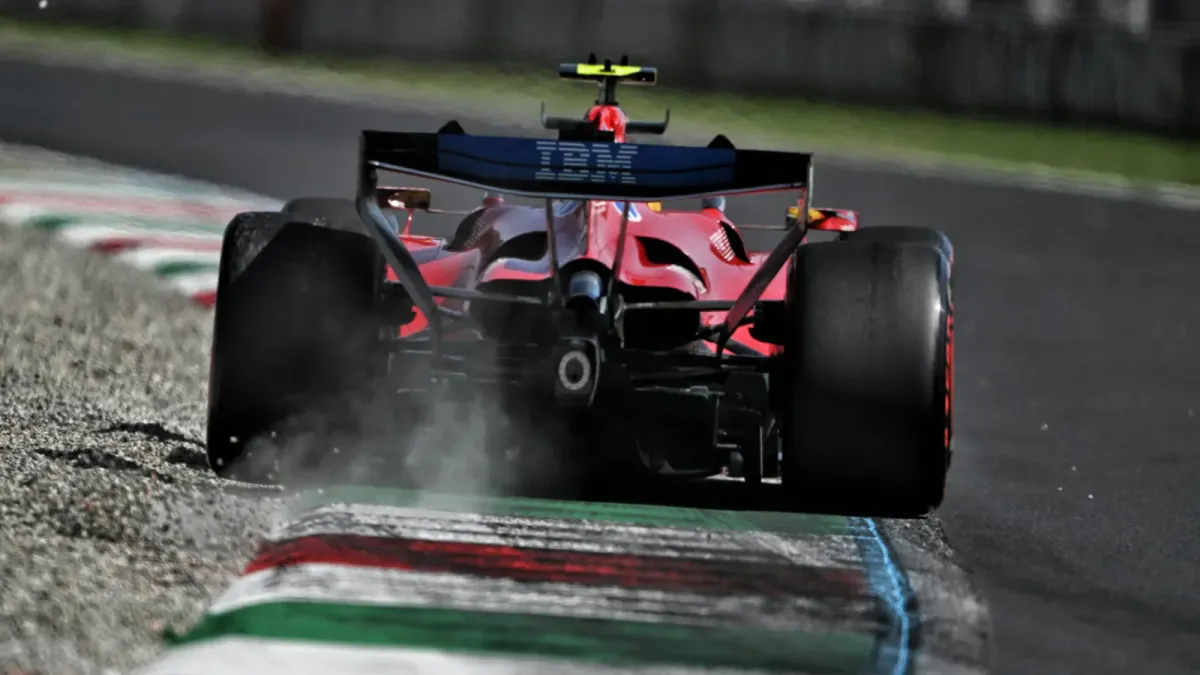
Ferrari faces an emergency 2026 power unit project. The team prepares a new engine for 2027 to close the gap to Mercedes in F1.
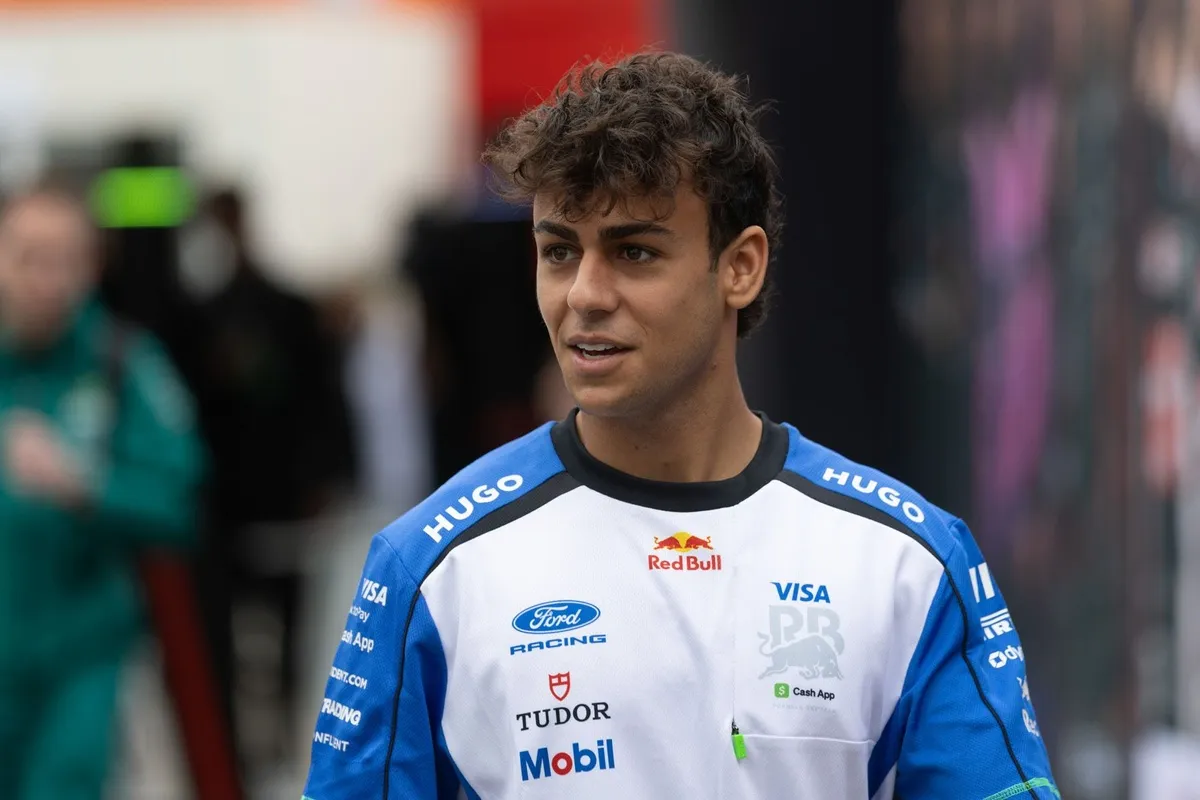
Arvid Lindblad nearly flips the world's shortest Fiat Panda in a YouTube challenge. The Racing Bulls driver also tested a motorised sofa and shared hilarious stories.
 Continue with Google
Discussion (0)
Join the Discussion!
Sign in easily to start commenting, replying, and interacting with other readers.
Latest Comments
No comments yet. Be the first!