






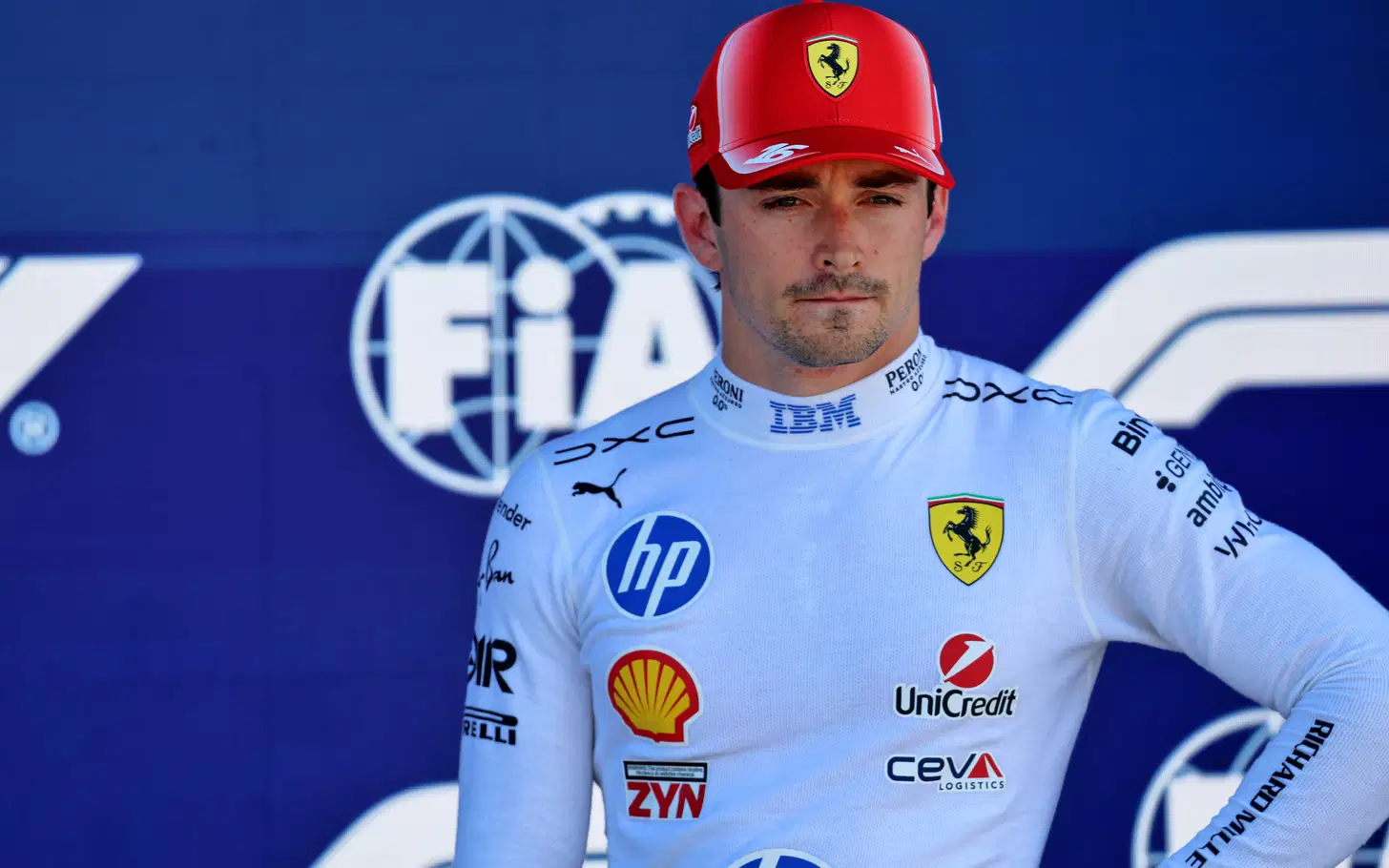

Charles Leclerc has rejected criticism surrounding Formula 1’s next-generation engine regulations, admitting he feels like an outsider compared to many drivers on the current grid. The Ferrari driver argued that the latest hybrid energy systems do not make racing feel “artificial” despite growing complaints from several rivals during the opening phase of the 2026 season.
The debate surrounding Formula 1’s future power unit regulations intensified after the FIA introduced technical revisions ahead of the Miami Grand Prix. The adjustments were designed to reduce excessive super-clipping and lift-and-coast situations that many drivers believed were damaging the quality of racing.
The FIA ultimately increased the super-clipping allowance to 350kW while reducing deployable energy per lap from 8MJ to 7MJ. The changes followed criticism from drivers including Max Verstappen, who argued that the new racing style relied too heavily on electrical energy management rather than pure on-track combat.

Several drivers even compared the new racing characteristics to “Formula E on steroids” and “Mario Kart” because energy deployment appeared to play such a decisive role in race outcomes. Leclerc, however, offered a very different perspective.
"I’ve always disagreed a little bit with that view. Maybe I’m a bit of an outsider on the grid, but when the cars are using similar systems, the racing actually feels very good," said Leclerc.
According to the Monegasque driver, Formula 1 may have become slightly more strategic than before, but strategy has always been a central element of the sport. He argued that the previous DRS regulations also created races heavily influenced by timing, positioning, and tactical energy management, making the current hybrid approach less revolutionary than some critics suggest.
From a technical perspective, the 2026 regulations represent a major shift in Formula 1’s power distribution philosophy. The FIA originally designed the next-generation power units around a 50:50 balance between internal combustion engine output and electrical battery deployment. However, concerns quickly emerged that drivers would spend too much time managing energy rather than racing flat-out.
Formula 1 and the FIA are already preparing revisions for the 2027 engine regulations, with greater emphasis expected to return to combustion-engine power. Even so, Leclerc believes the biggest unresolved issue currently lies in qualifying performance rather than race conditions.
"I think the biggest area that still needs attention is qualifying. That’s where the real focus should probably be," he added.
Leclerc’s position highlights the growing philosophical divide among Formula 1 drivers regarding the championship’s technical future. Some competitors continue pushing for more aggressive, less energy-dependent racing, while others are increasingly accepting the strategic and efficiency-focused direction of the sport. With the FIA continuing to evaluate future changes ahead of 2027, the debate surrounding Formula 1’s technical identity is expected to remain a major topic throughout the season.
Read Also
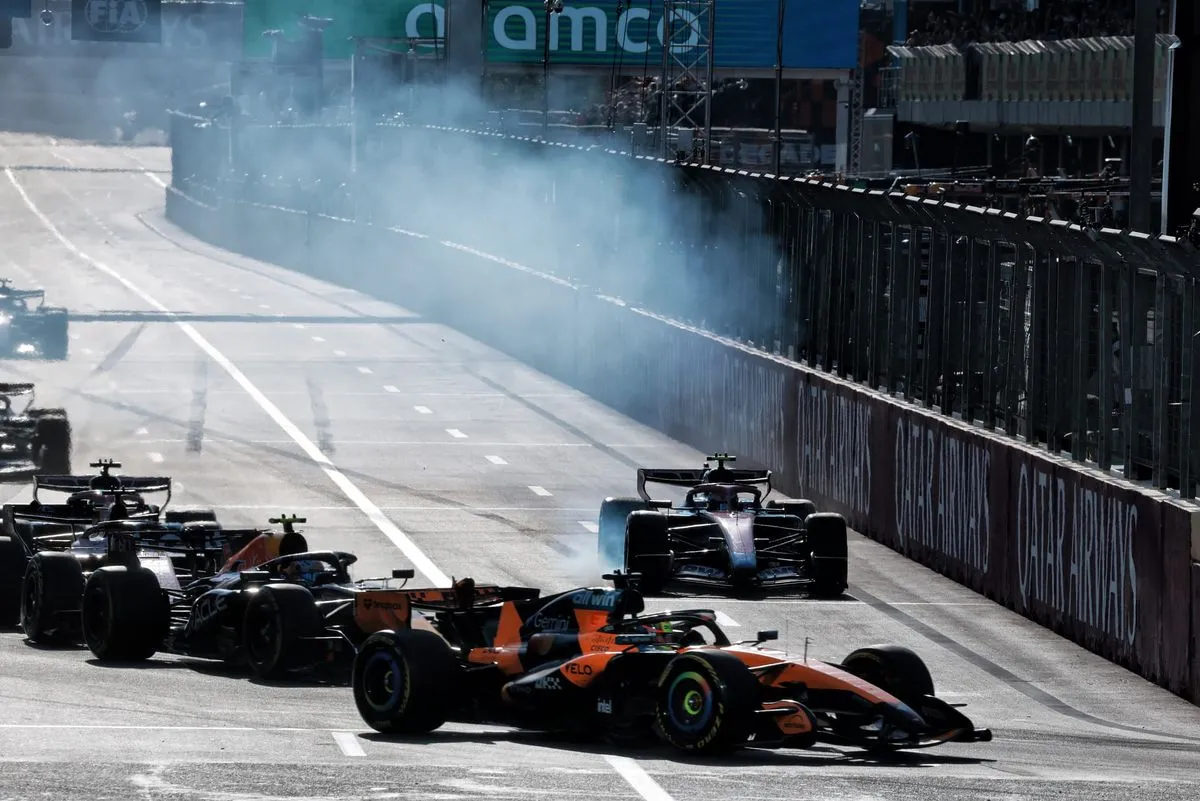
Insiden Franco Colapinto di GP Azerbaijan 2026 menyoroti titik buta sistem poin penalti F1. Tanpa poin penalti, apakah hukuman grid sudah cukup?
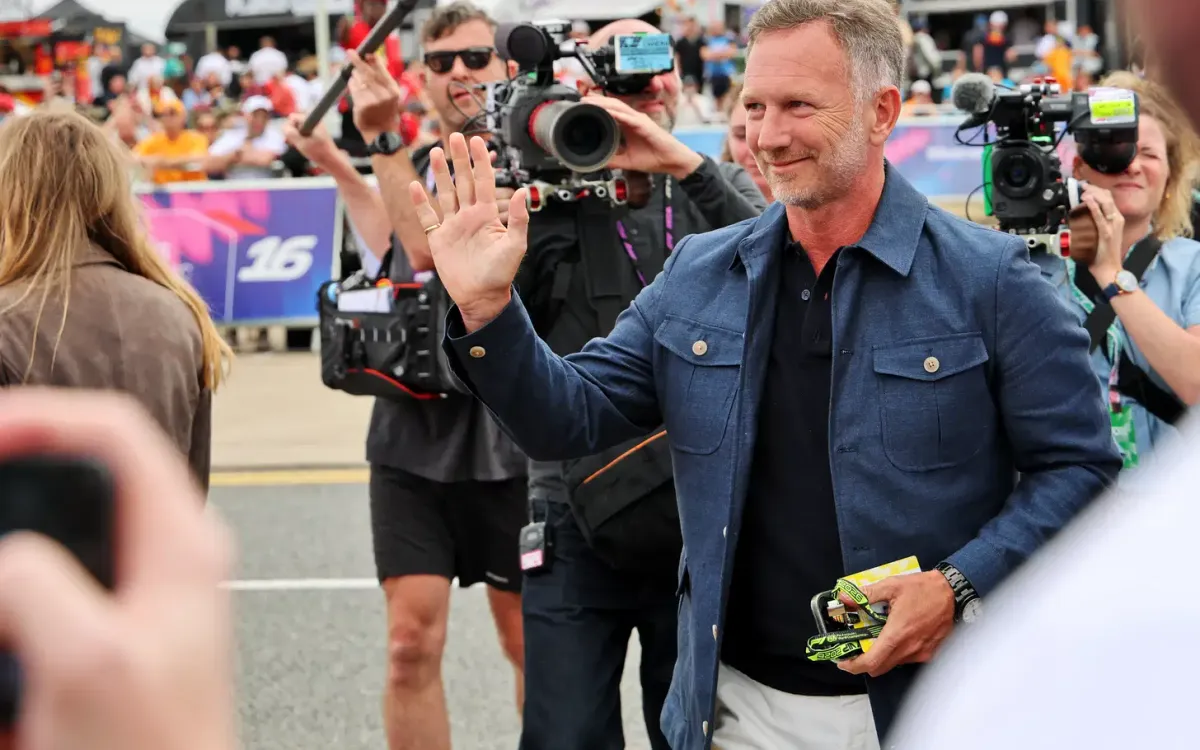
Christian Horner blak-blakan soal kepergiannya dari Red Bull. Ia sebut tim telah kehilangan 'vibe' dan identitas sejak ditinggalkan. Simak pernyataan lengkapnya.
Klasemen F1 2026: Kimi Antonelli memimpin dengan 302 poin, disusul George Russell dan Lewis Hamilton. Simak update lengkapnya di sini.
 Continue with Google
Discussion (0)
Join the Discussion!
Sign in easily to start commenting, replying, and interacting with other readers.
Latest Comments
No comments yet. Be the first!