






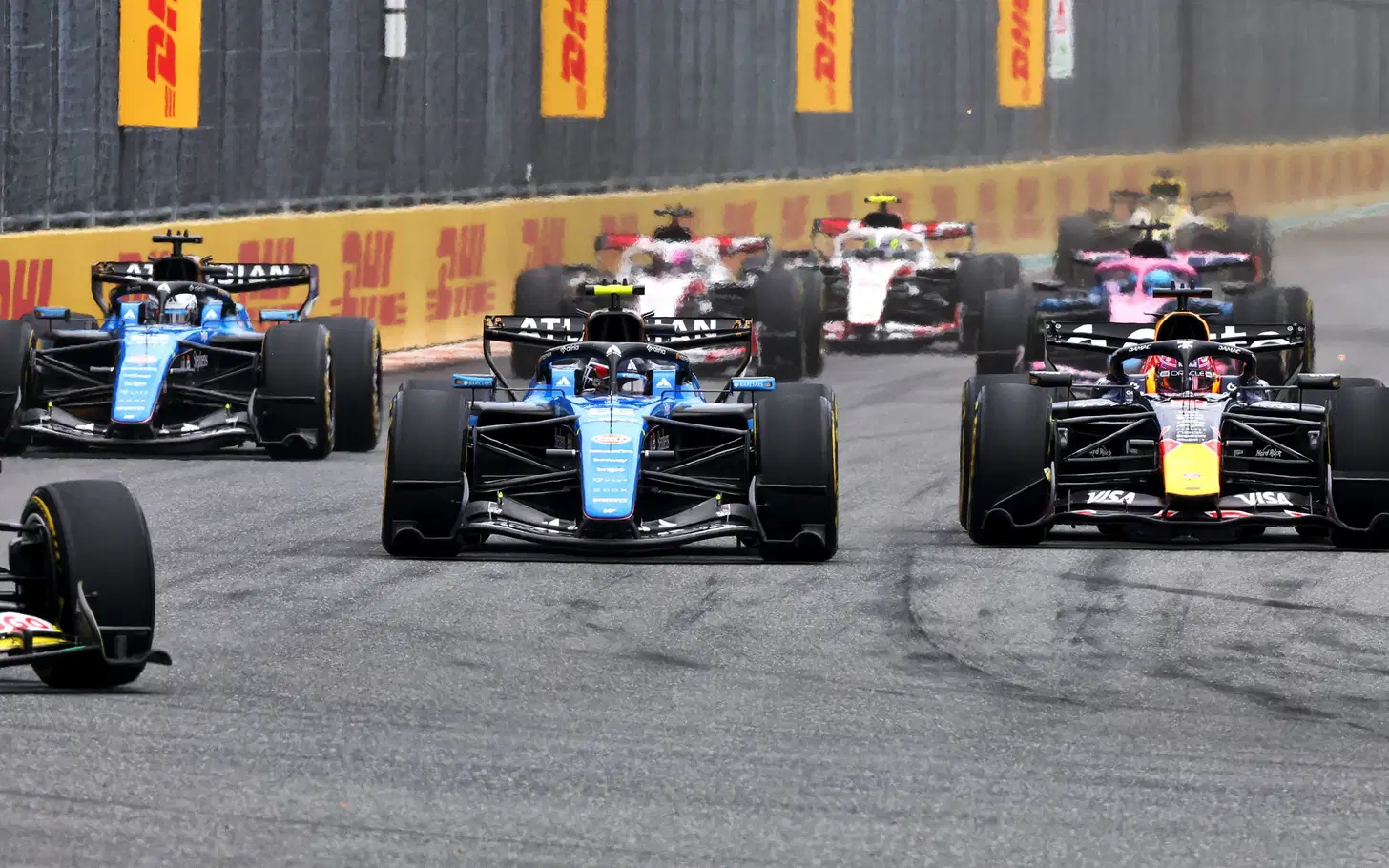

Mattia Binotto and Fred Vasseur have rejected criticism suggesting Formula 1’s latest regulation adjustments are merely temporary fixes to the underlying weaknesses of the 2026 technical rules. Both senior team figures insisted the FIA and Formula 1 are taking meaningful action to address the hybrid energy concerns that emerged during the opening phase of the season.
Throughout the April break, the FIA, Formula 1, teams, and drivers held a series of intensive discussions aimed at resolving the most significant weaknesses within the new regulations. The primary focus centred around electrical energy management and the balance of power delivery between the internal combustion engine and the next-generation battery systems.
The outcome of those discussions produced two major technical adjustments. The FIA increased the super-clipping battery capacity from 250kW to 350kW, while simultaneously reducing the deployable lap energy from 8MJ to 7MJ. The changes were introduced to reduce extreme lift-and-coast scenarios that had forced drivers into aggressive energy conservation during races.

During the Miami Grand Prix weekend, several drivers acknowledged that the modifications had already produced some improvements. However, Miami’s layout naturally favours energy recovery due to its large number of braking zones, making battery recharge significantly easier compared to other circuits on the Formula 1 calendar.
The biggest criticism surrounding the 2026 rules continues to focus on the planned 50:50 power split between the combustion engine and electrical systems. Many inside the paddock believe the concept risks fundamentally altering the traditional character of Formula 1 racing. The FIA has already confirmed that the balance will be revised again for the 2027 engine regulations.
"In the past we also had periods where drivers needed to save a lot of fuel and they were not driving flat-out all the time. These regulations are different and require a different driving style, but it is still Formula 1," said Binotto.
The Audi Formula 1 project leader argued that many drivers are actually beginning to enjoy the new technical challenge created by the next-generation hybrid regulations. According to Binotto, Formula 1 still preserves its core elements of speed, strategy, and direct wheel-to-wheel competition.
Vasseur also supported that position and suggested that criticism often reflects each driver’s competitive situation. The Ferrari team principal argued that drivers fighting near the front appear more accepting of the regulations than those struggling further down the order.
"Every regulation change creates similar situations. Some drivers are naturally more vocal than others. That is part of a driver’s DNA because they always want to be fighting at the front," Vasseur explained.
The debate surrounding the 2026 regulations is rapidly becoming one of the most sensitive technical subjects inside the Formula 1 paddock. While the FIA remains committed to electrification and energy efficiency targets, teams and drivers continue pushing for cars that preserve aggressive wheel-to-wheel racing characteristics. With major revisions already planned for 2027, Formula 1 now faces a critical period in balancing technical innovation against racing quality.
Read Also
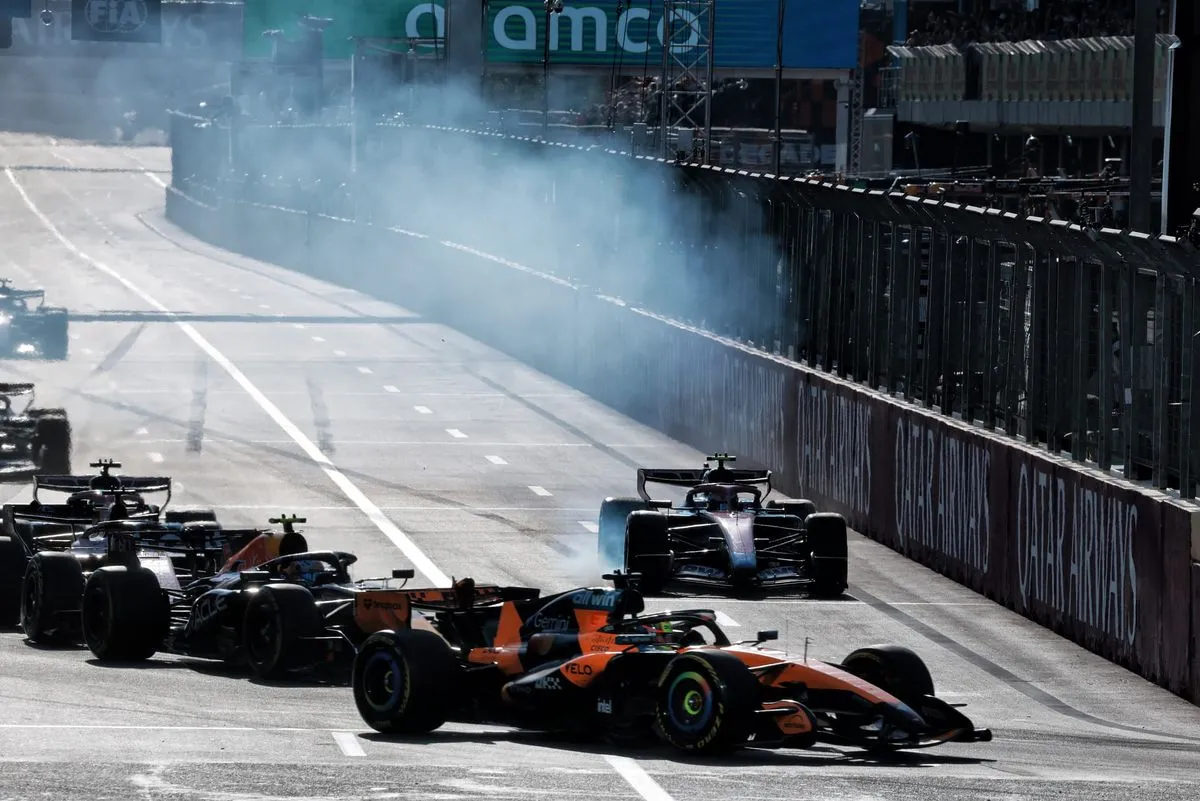
Insiden Franco Colapinto di GP Azerbaijan 2026 menyoroti titik buta sistem poin penalti F1. Tanpa poin penalti, apakah hukuman grid sudah cukup?
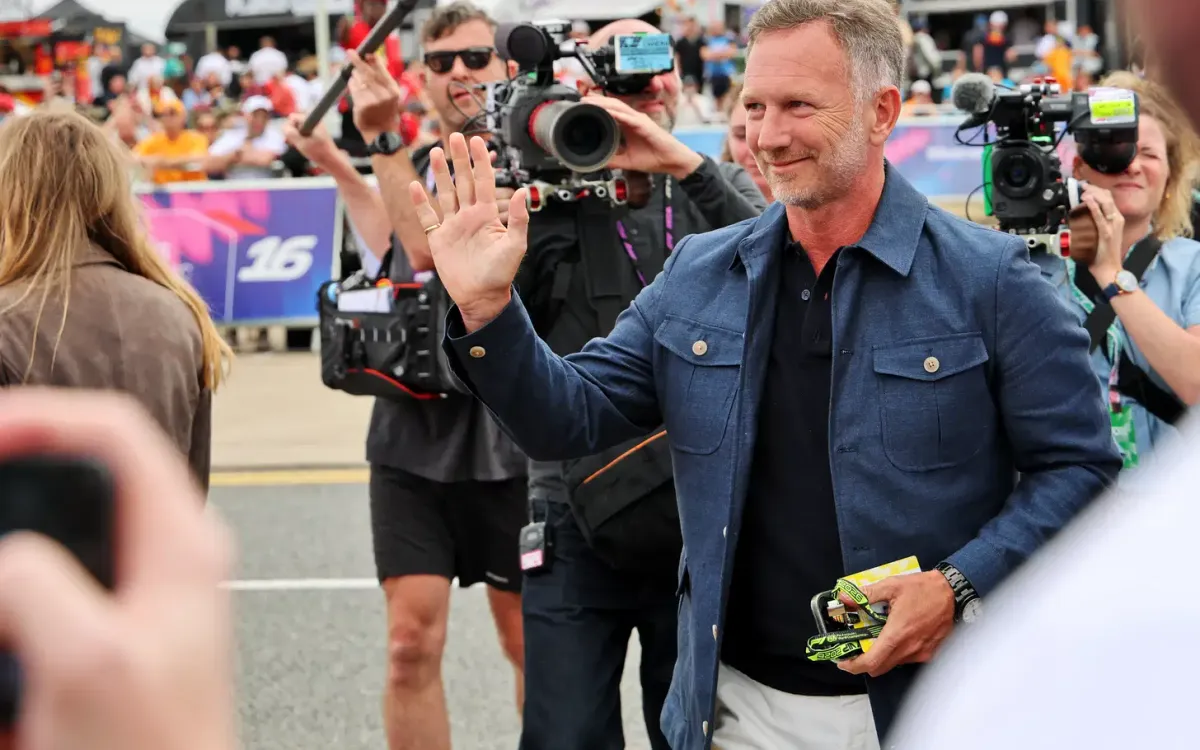
Christian Horner blak-blakan soal kepergiannya dari Red Bull. Ia sebut tim telah kehilangan 'vibe' dan identitas sejak ditinggalkan. Simak pernyataan lengkapnya.
Klasemen F1 2026: Kimi Antonelli memimpin dengan 302 poin, disusul George Russell dan Lewis Hamilton. Simak update lengkapnya di sini.
 Continue with Google
Discussion (0)
Join the Discussion!
Sign in easily to start commenting, replying, and interacting with other readers.
Latest Comments
No comments yet. Be the first!