







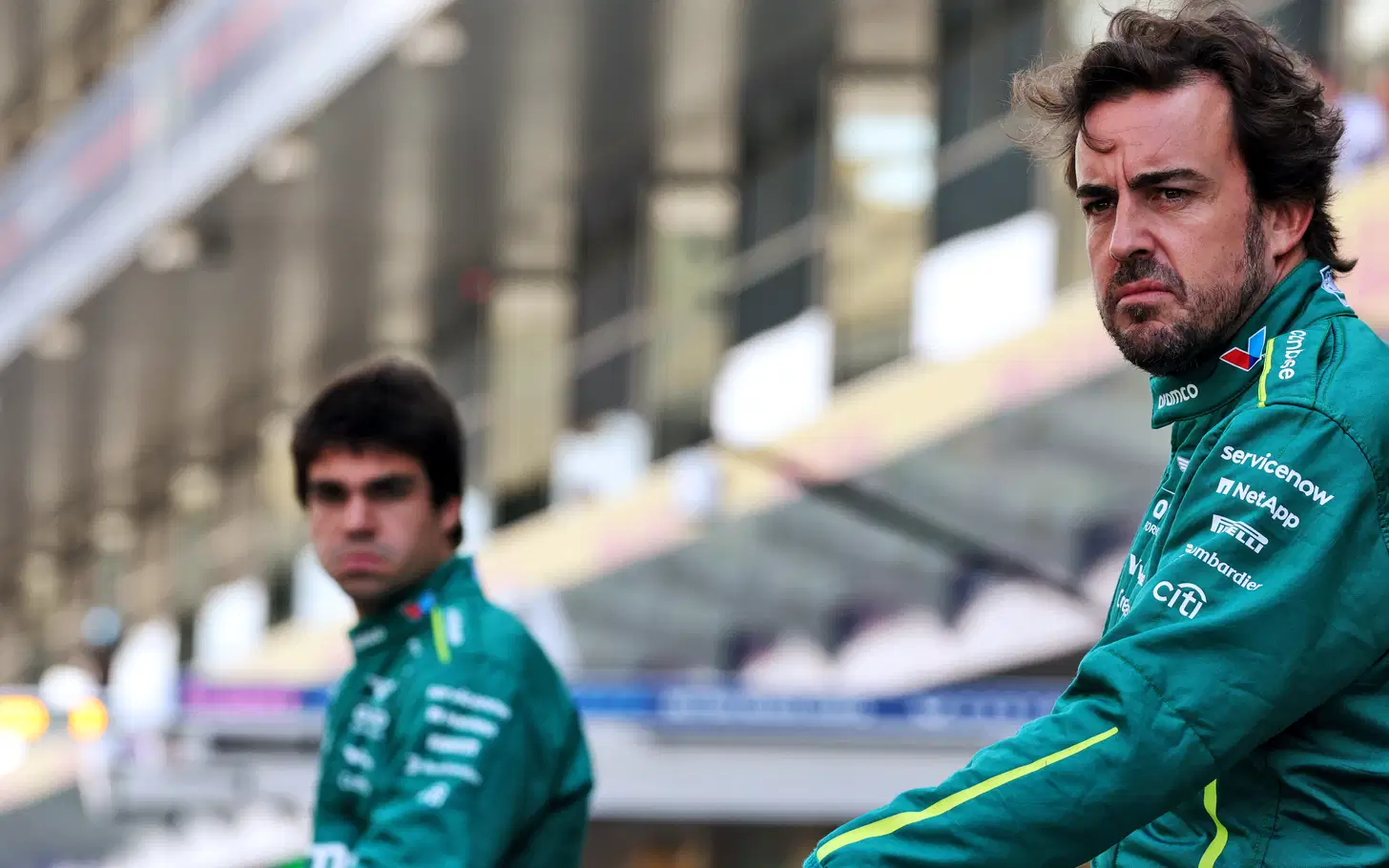

Formula 1, Sportrik Media - The participation of Lance Stroll with the Aston Martin Aramco Formula One Team at the 2026 Japanese Grand Prix has come under scrutiny following a series of significant technical issues at the start of the season.
Aston Martin’s new partnership with Honda has endured a difficult opening phase, with both Stroll and Fernando Alonso failing to reach the chequered flag across the first two rounds in Australia and China. The situation has placed the team under increasing pressure from both a performance and reliability standpoint.
The primary concern centres on severe vibrations originating from the power unit, particularly linked to the battery system. At the Shanghai International Circuit, the impact became evident when Alonso was forced to retire after experiencing significant physical discomfort, including loss of sensation in his hands while driving.
Ahead of the season, team principal Adrian Newey had already warned that prolonged exposure to such vibrations could potentially lead to nerve-related issues for the drivers if left unresolved. This has elevated the discussion beyond performance, placing safety considerations at the forefront.
Honda has implemented initial countermeasures aimed at reducing the vibration levels and showed some signs of progress during the Sprint session in China. However, the problem resurfaced during the Grand Prix, with Stroll retiring after just nine laps due to a suspected battery-related fault, underlining the inconsistency of the current solution.
With the Japanese Grand Prix at the Suzuka Circuit scheduled for March 27–29, Aston Martin now faces a limited but critical window to conduct further analysis and implement effective fixes. The event also carries added significance as Honda’s home race, increasing the urgency to resolve the issue.
The situation raises broader questions about whether Aston Martin should be allowed to compete if the underlying safety concerns persist. FIA regulations place driver safety as the highest priority, meaning that any unresolved risks could prompt further scrutiny or intervention if necessary.
Ultimately, the decision will depend on the outcome of technical evaluations and whether the team can demonstrate that the car is safe to operate under race conditions. Ensuring both reliability and driver welfare will be essential before returning to full competitive running.
Following a troubled start to the campaign, Aston Martin now enters a decisive phase in its season. Addressing the vibration issue will be critical not only for safety but also for restoring competitiveness as the championship moves into its next stage.
Read Also
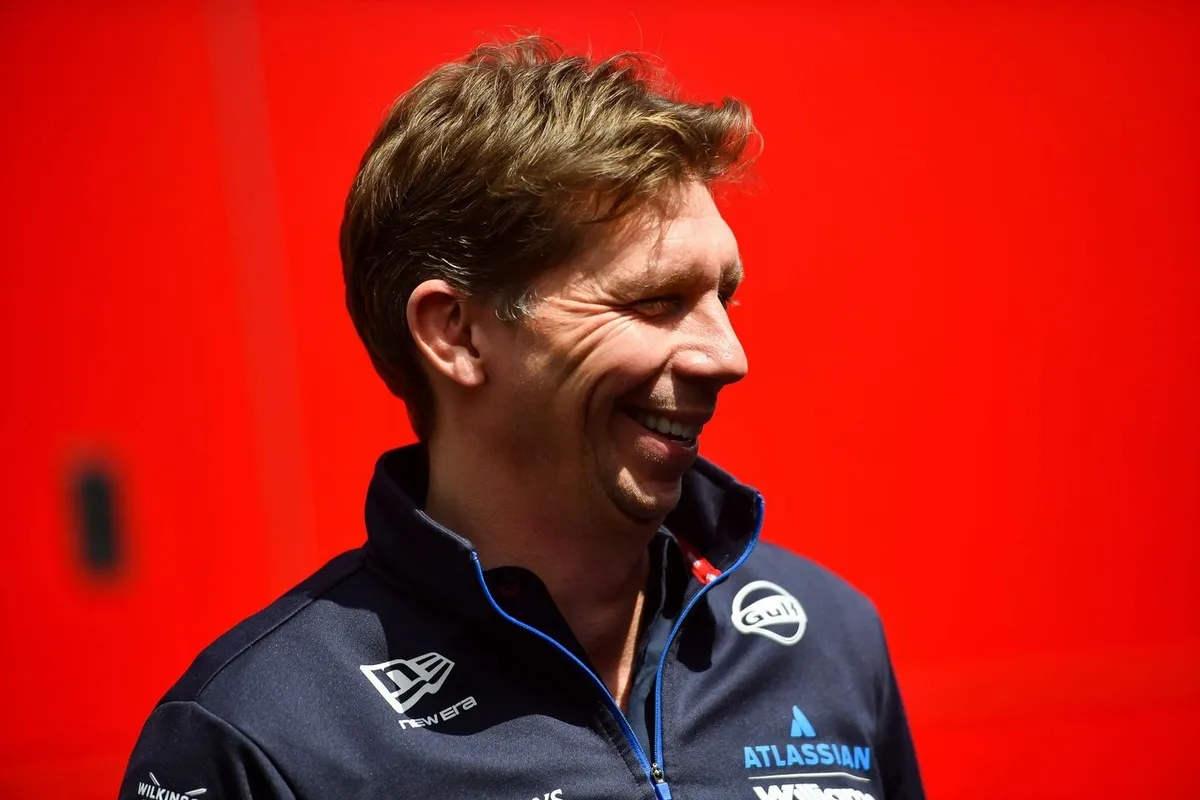
James Vowles praises Madrid's inaugural F1 event but highlights overtaking issues and Williams' struggles. Read his full analysis.
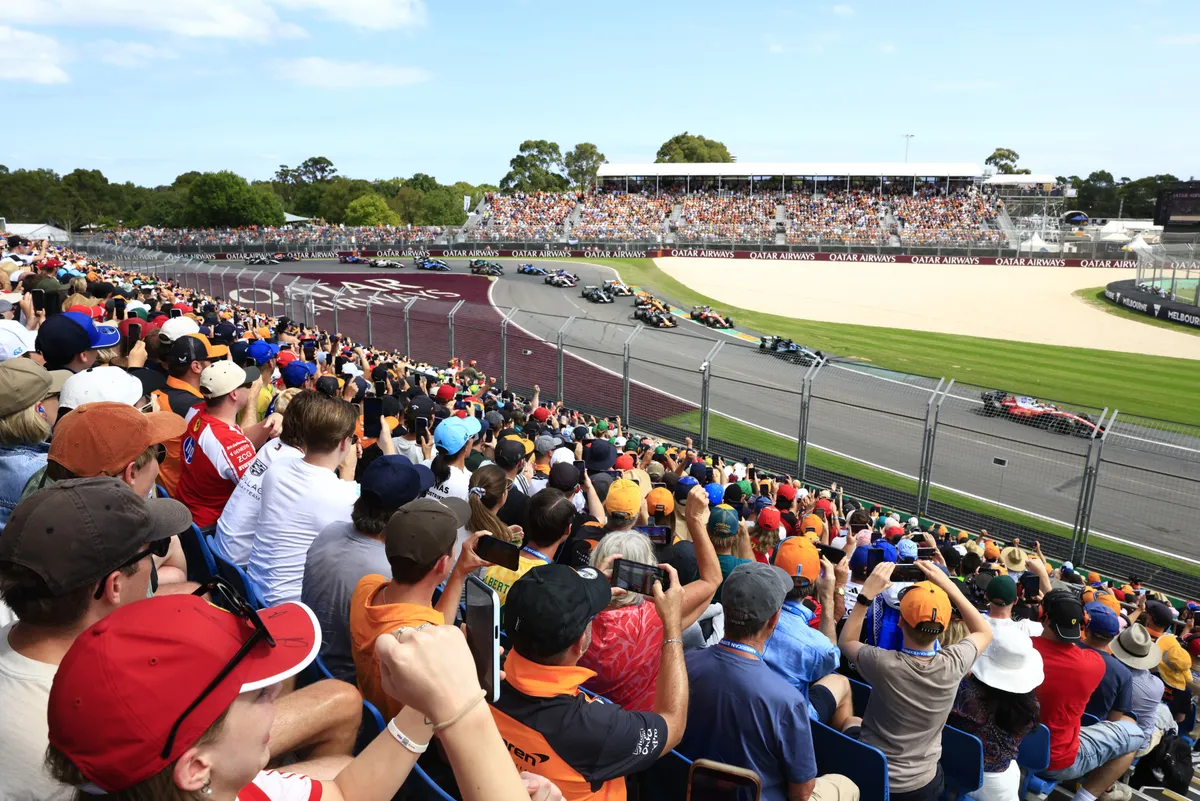
Australian GP CEO Travis Auld defends 2027 F1 ticket price hikes. GA passes rise over 10% to $425. Find out his reasoning and the new membership perks.

George Russell loses points to Antonelli at F1 Spanish GP. Despite potential title defeat, he can take valuable lessons to rebound.
 Continue with Google
Discussion (0)
Join the Discussion!
Sign in easily to start commenting, replying, and interacting with other readers.
Latest Comments
No comments yet. Be the first!