







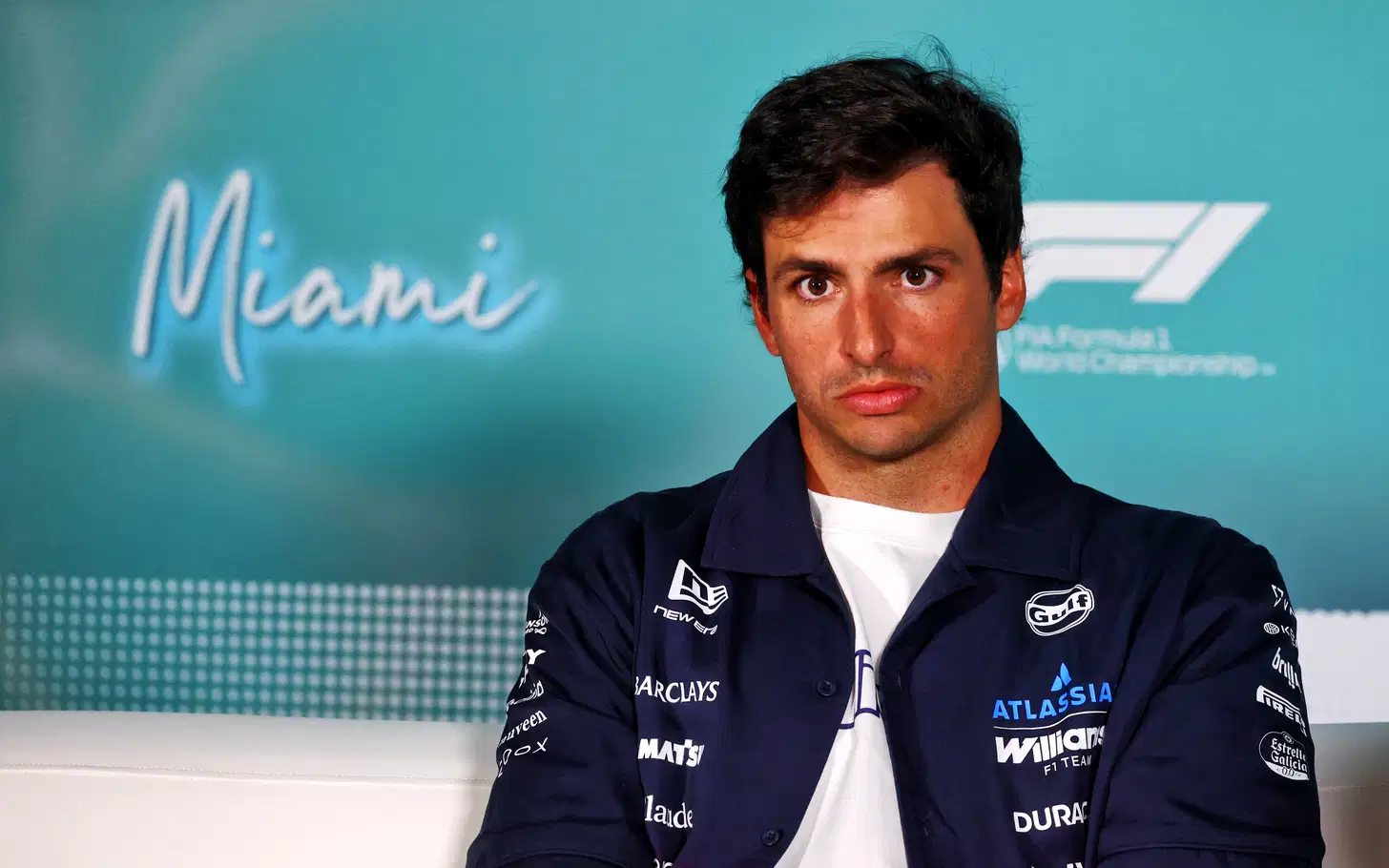

Carlos Sainz has urged Formula 1 to consider technical adjustments ahead of the Miami Grand Prix 2026 should severe wet weather materialise on race day. The Williams driver highlighted potential safety concerns linked to the combination of circuit characteristics and the current generation of power unit systems.
Weather forecasts indicate a high probability of heavy rain, lightning, and thunderstorms on Sunday at the Miami International Autodrome, despite dry and hot conditions expected during earlier sessions. The rapidly changing climate typical of Florida adds further uncertainty, with track conditions capable of deteriorating quickly.
Within this context, Sainz questioned the necessity of maintaining the current 350kW electrical energy deployment in wet conditions. He proposed a reduction to approximately 250kW or 300kW, arguing that lower output could mitigate traction loss and improve car controllability, particularly under acceleration on wet surfaces.
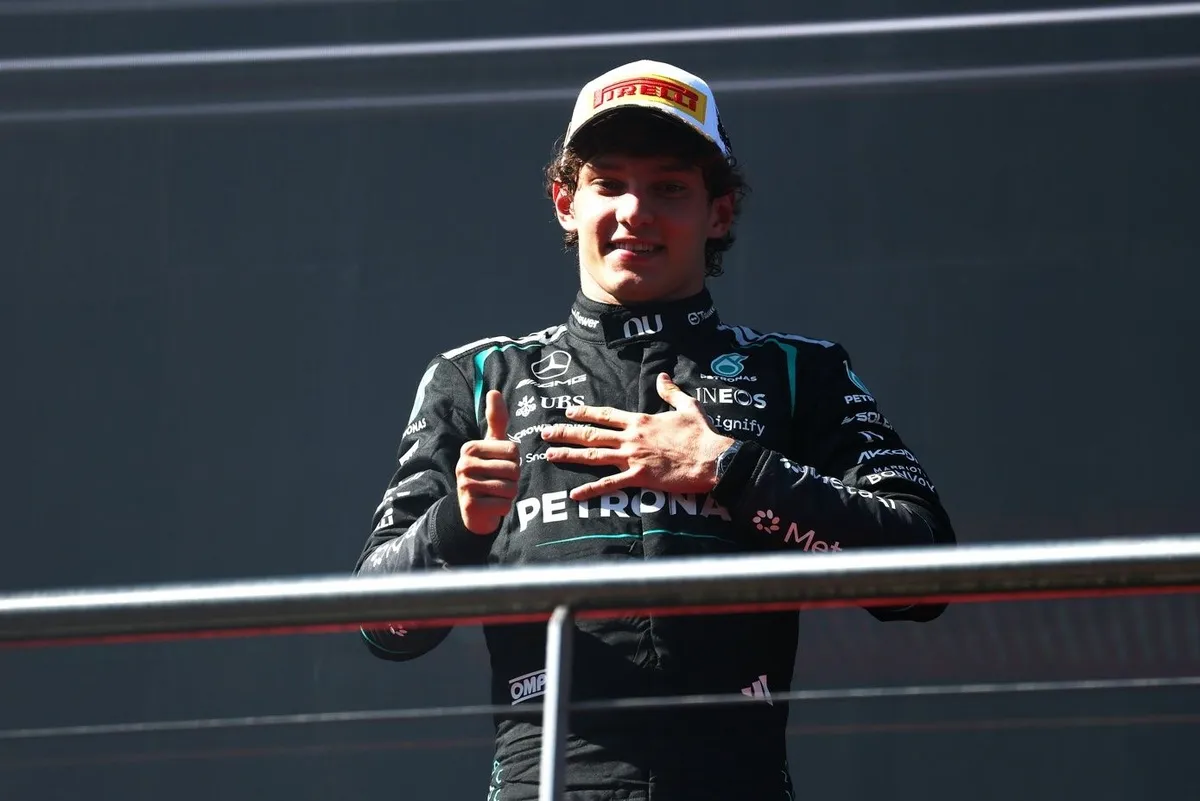
Previous experience at the Miami circuit, including last year’s Sprint event held in difficult wet conditions, serves as a key reference point. Standing water was a major issue, exacerbated by the circuit’s flat profile, which limits natural drainage and increases the likelihood of aquaplaning in high-speed sections.
From a technical standpoint, reducing electrical energy deployment would help stabilise the interaction between the internal combustion engine and hybrid systems, delivering smoother torque application and reducing the risk of sudden wheelspin. This becomes especially critical in low-grip environments where driver inputs must be finely controlled.
Sainz also pointed to additional elements requiring review, including the effectiveness of certain straight-line modes in wet conditions, which he suggested may offer limited aerodynamic benefit. He emphasised the importance of addressing these factors during drivers’ briefings to ensure clarity on operational procedures.
While acknowledging that wet races can offer a unique and engaging challenge, Sainz stressed that safety must remain the priority. Reduced visibility, proximity of barriers, and the added risk of lightning collectively demand a cautious and well-coordinated response from both teams and governing bodies such as the FIA.
The final approach will depend on real-time conditions during the race, positioning the Miami Grand Prix as a critical test of Formula 1’s ability to adapt its regulations and procedures to extreme and unpredictable environments in the 2026 season.
Read Also
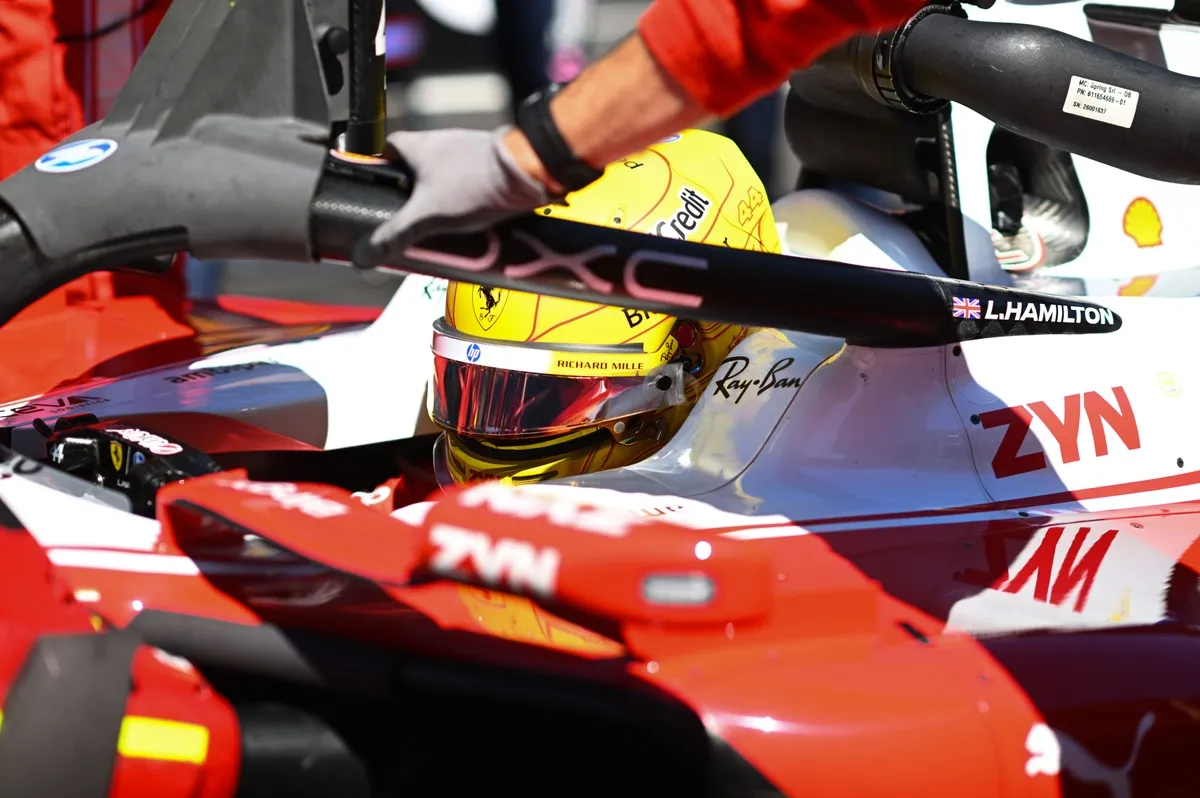
Lewis Hamilton suffered a brake failure at the Spanish GP, forcing Ferrari to retire him. Read the details and Vasseur's comments.
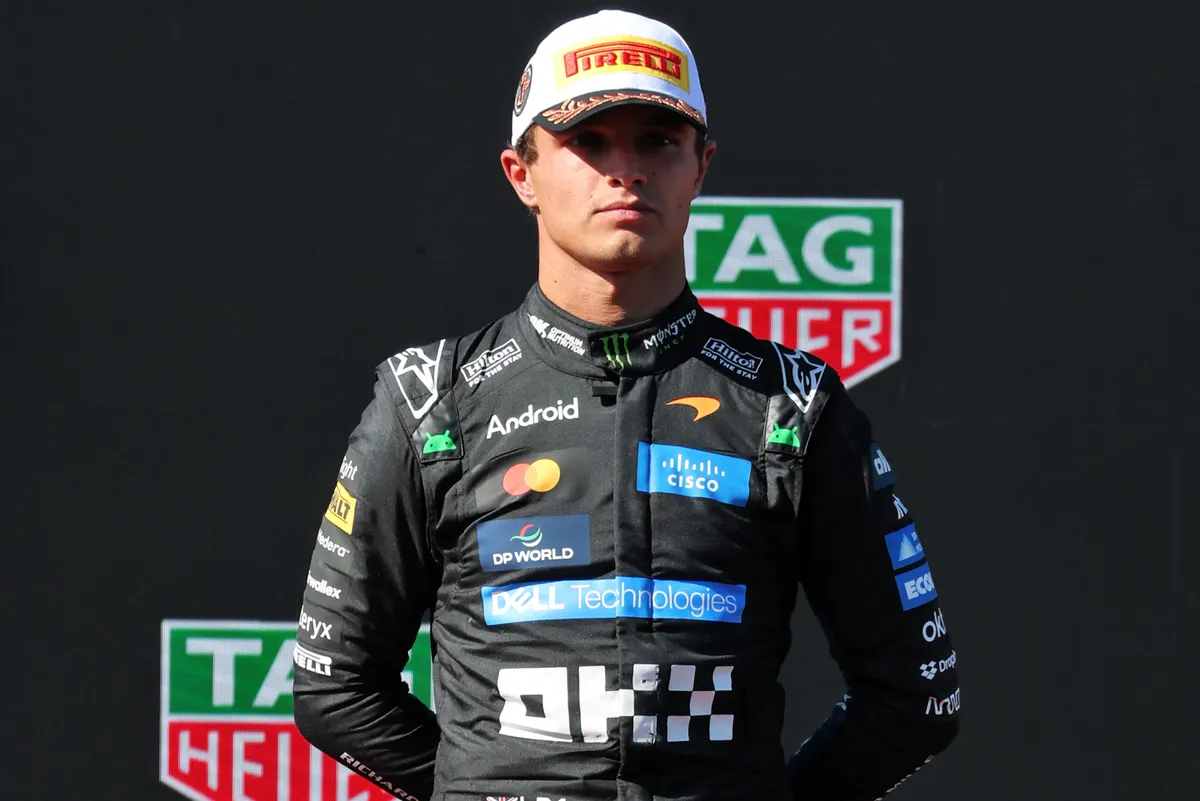
Lando Norris left frustrated after losing Spanish GP victory due to controversial VSC timing. Read the full analysis and reactions from McLaren.
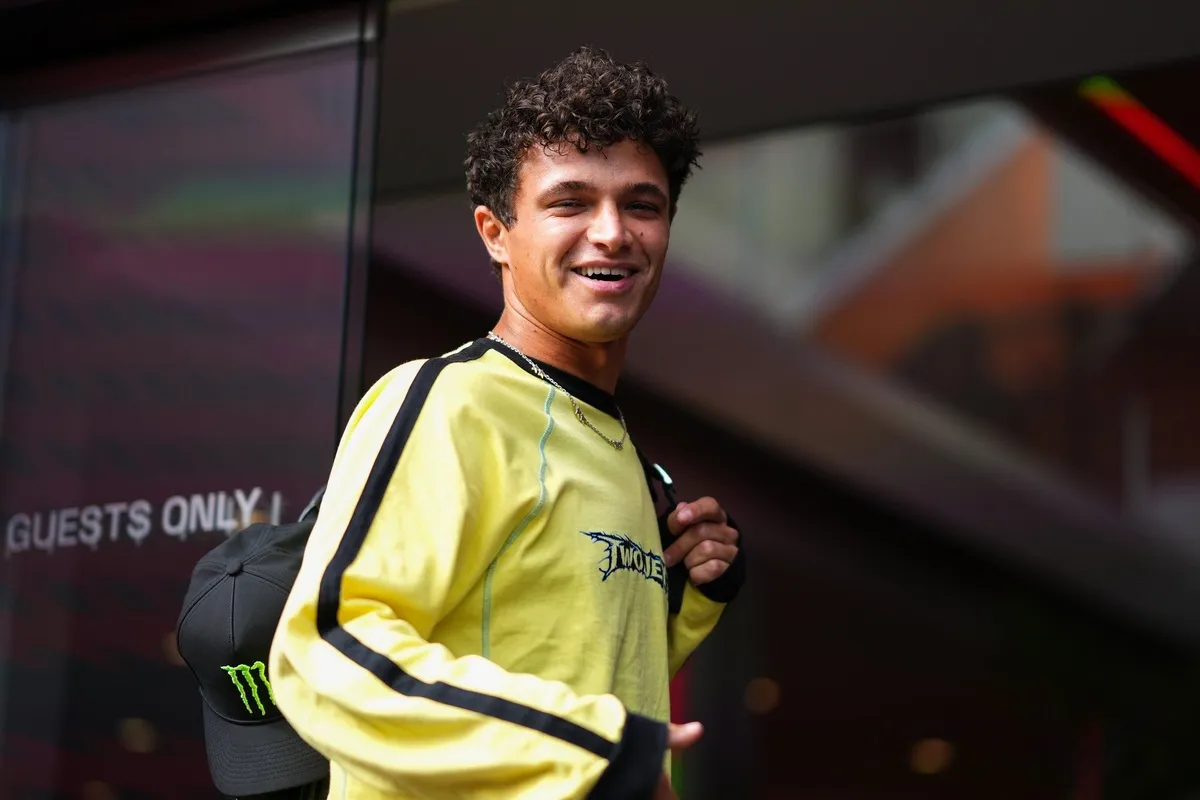
Lando Norris will test McLaren's MCL-HY hypercar at Portimao before the Azerbaijan GP. Read about McLaren's WEC 2027 and Le Mans preparations.
 Continue with Google
Discussion (0)
Join the Discussion!
Sign in easily to start commenting, replying, and interacting with other readers.
Latest Comments
No comments yet. Be the first!