






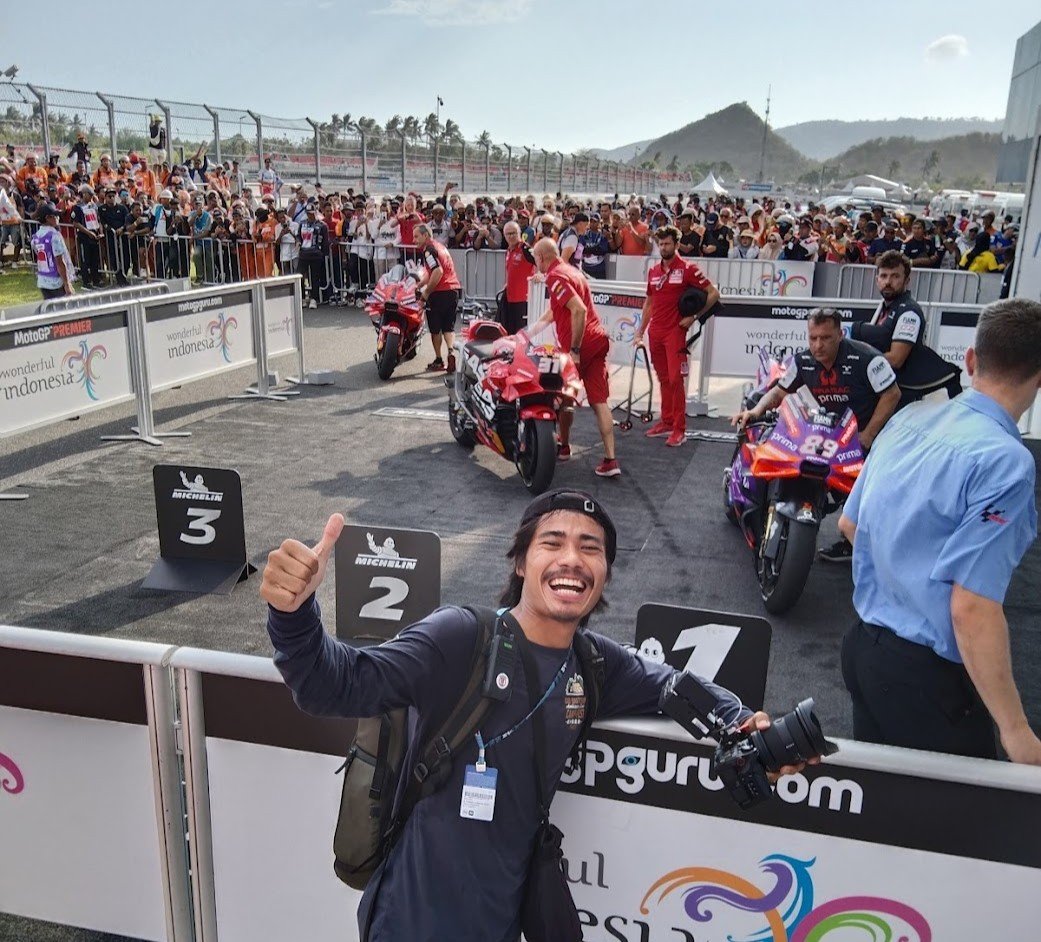


MotoGP, Sportrik Media – Jack Miller, rider for Prima Pramac Racing, has identified the evolution of the rear Michelin tyre as the decisive technical factor that pushed Yamaha to abandon its long-standing inline-four engine philosophy in favour of a V4 layout for MotoGP 2026, ending an era that delivered eight riders’ world championships, most recently with Fabio Quartararo in 2021.
Miller explained that the current Michelin rear tyre has developed a very narrow but extremely powerful working window over the last two to three seasons, favouring motorcycles that can use the rear contact patch not only for acceleration but also for braking stability and mid-corner rotation. According to the Australian, extracting the tyre’s full potential requires keeping the load on the rear wheel precisely controlled, a characteristic that modern V4 machines are structurally better equipped to exploit.
This sensitivity, Miller added, is also responsible for the dramatic swings in MotoGP competitiveness seen from one race weekend to another. When teams can place the rear tyre inside its optimal operating range, performance jumps immediately, but when track grip, temperature or tyre choice moves the bike outside that window, lap time collapses. Yamaha’s inline-four machines, he noted, tend to suffer less from these extremes because they do not rely on the soft rear tyre to generate stopping power in the same way as V4-powered rivals.
However, that stability has come at the cost of ultimate performance, particularly against manufacturers that have refined their V4 platforms for more than a decade, including Ducati, Honda and KTM. With the technical direction of the championship now clearly defined by tyre behaviour, Yamaha’s decision to commit fully to a V4 project represents an attempt to realign its chassis, aerodynamics and power delivery with the demands of the current Michelin construction.
The challenge is compounded by MotoGP’s looming 2027 regulations, which will introduce 850cc engines and Pirelli control tyres, forcing manufacturers to run parallel development programmes. Miller believes Yamaha’s V4 move is a proactive investment that will give its engineers a far broader technical knowledge base when the next ruleset arrives.
That learning phase will intensify when MotoGP 2026 testing begins with the Sepang Shakedown on 29–31 January, as Yamaha’s V4 prototype takes to the track for its first official evaluation. With the final inline-four victory still belonging to Alex Rins and Suzuki at Valencia 2022, the championship now stands fully committed to the V4 era, a technical transition that continues to be analysed in depth by Sportrik Media at https://sportrik.com.
Read Also
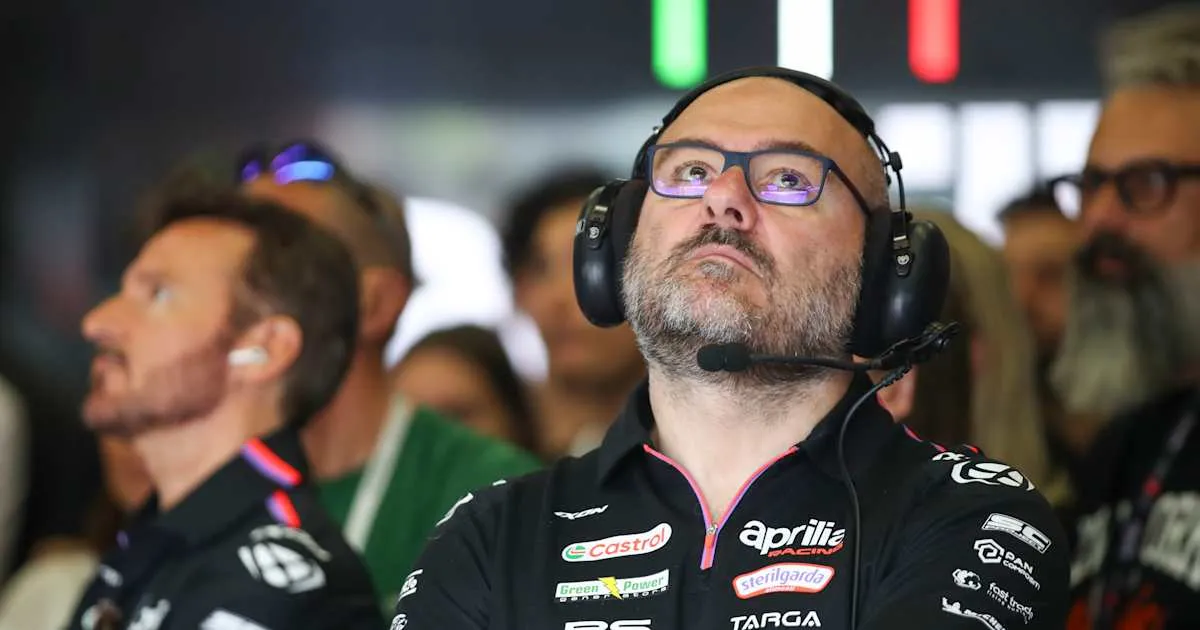
Simak analisis lengkap dominasi Aprilia di MotoGP Mandalika dan peringatan dari teknisi mereka. Baca ulasan mendalam jalannya balapan di sini!
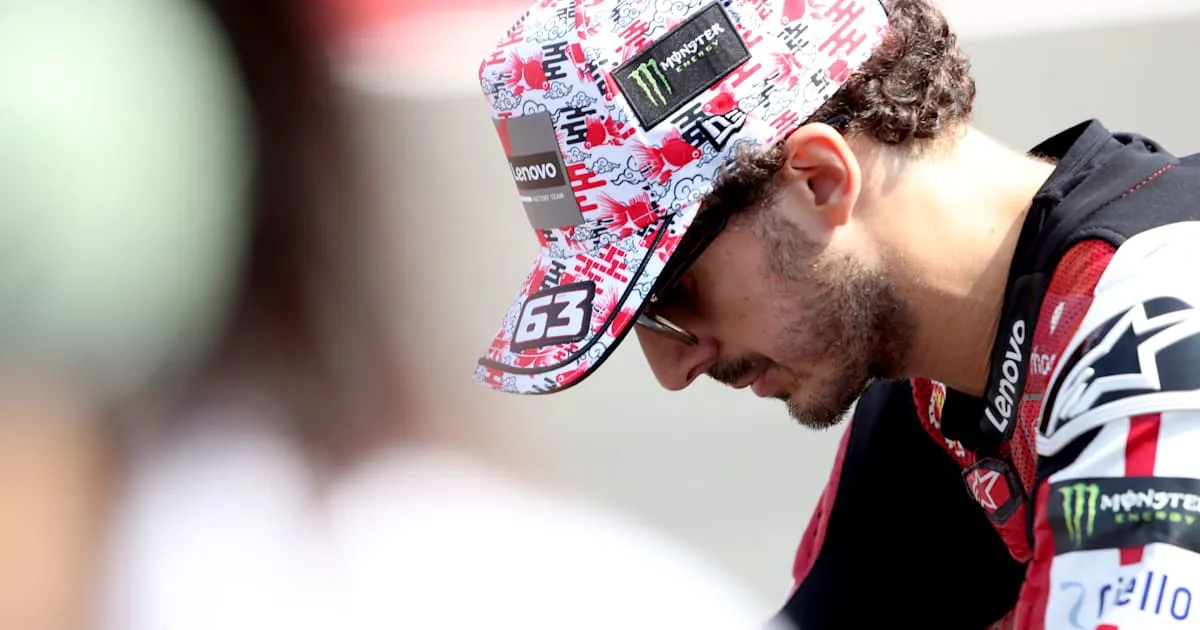
Simak analisis lengkap krisis Francesco Bagnaia di MotoGP 2026, penyebab kecelakaan di Mandalika, dan penurunan drastis performa sang juara dunia.
Simak kisah dramatis Raul Fernandez meraih podium MotoGP dengan jari patah usai insiden bersama Marco Bezzecchi. Baca analisis lengkap di sini!
 Continue with Google
Discussion (0)
Join the Discussion!
Sign in easily to start commenting, replying, and interacting with other readers.
Latest Comments
No comments yet. Be the first!