







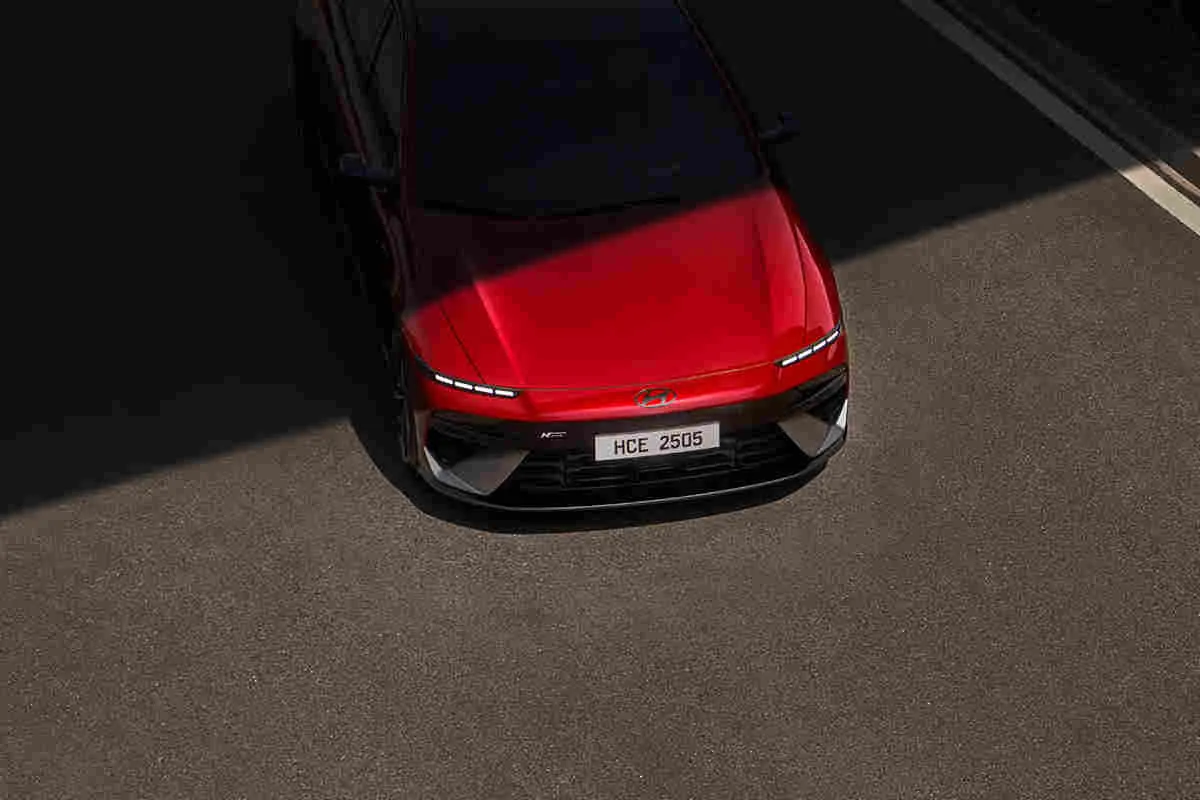

Hyundai is making a serious push to strengthen its position in the European market. The South Korean manufacturer has committed to launching 41 new or refreshed models by the end of this decade. This aggressive strategy involves not only the main Hyundai brand but also its premium division, Genesis, signaling a firm stance against the increasing pressure from Chinese competitors.
According to a report from FormulaPassion, the product offensive will span various segments, from a compact electric SUV designed specifically for European consumers to a mid-size electric crossover and a range of commercial vehicles. This is more than just adding models; it's a complete overhaul of the lineup to meet the dynamic demands of the market.
The targets are ambitious. Hyundai aims to sell nearly four times as many electric cars in Europe by 2030, jumping from around 116,000 units in 2025 to over 420,000 units annually. The first step will be the arrival of the Hyundai IONIQ 3, produced in Europe, before the end of this year, followed by a compact SUV also tailored for the European market.
On the conventional engine side, there are also surprises. Hyundai will introduce a new i20 inspired by the recently launched Brazilian model. However, the most anticipated is the successor to the Tucson, their best-selling SUV in Europe, which will arrive as a larger crossover. There's also a possibility that Hyundai will import the extended-range electric version of the Santa Fe, produced in the US, which promises EV-like acceleration and driving characteristics.
Meanwhile, Genesis, Hyundai's premium brand, has big plans too. Next year, they will launch a global EREV electric model with a claimed range of over 1,030 km, thanks to a new high-performance battery. Additionally, a hybrid version of the large GV80 SUV and the luxurious GV90 electric SUV are on the way. Although the target markets haven't been announced, Europe is expected to be a key destination for these premium models.
With this wave of new models, Hyundai isn't just chasing volume; it's looking to cement its image as a key player in Europe's energy transition. The question remains: will this strategy be enough to challenge the dominance of European manufacturers and fend off the rise of Chinese brands? We'll have to wait and see the impact on the streets.
Read Also
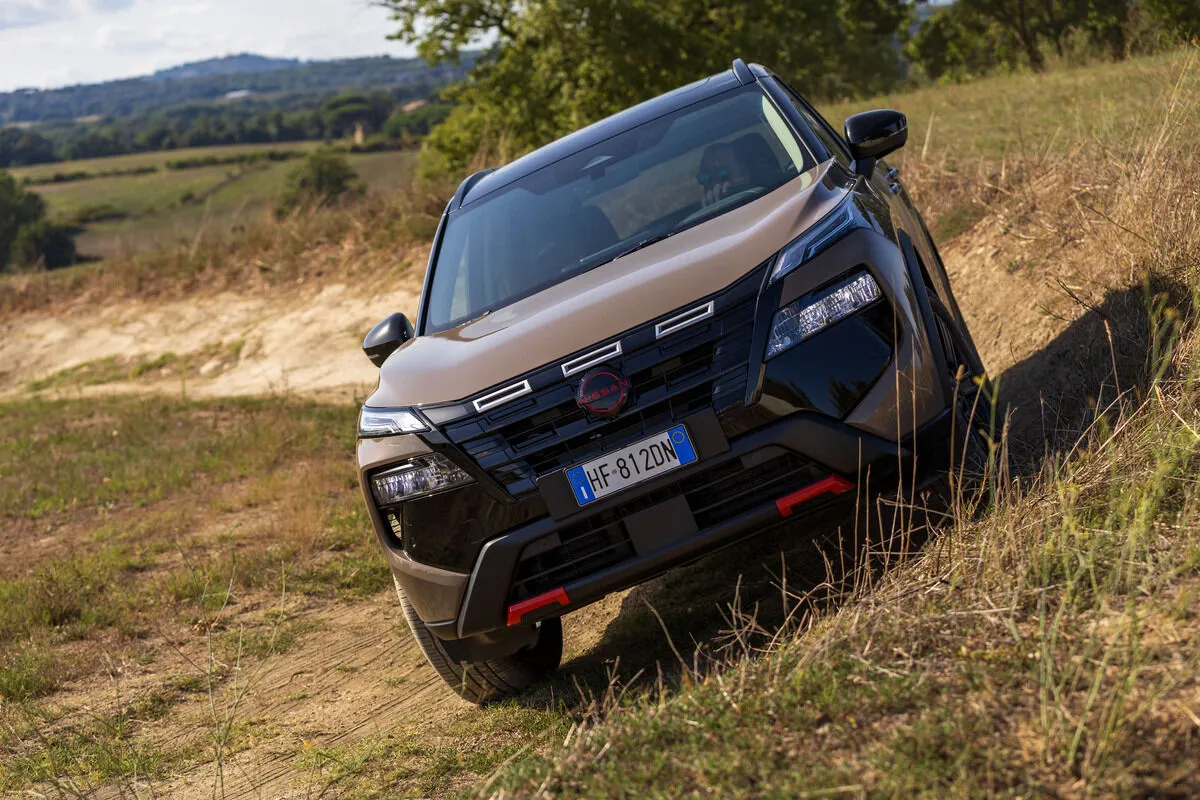
Nissan rayakan 25 tahun X-TRAIL dengan meluncurkan varian N-TREK terbaru berdesain tangguh. Simak ulasan lengkap spesifikasi dan pembaruannya di sini!
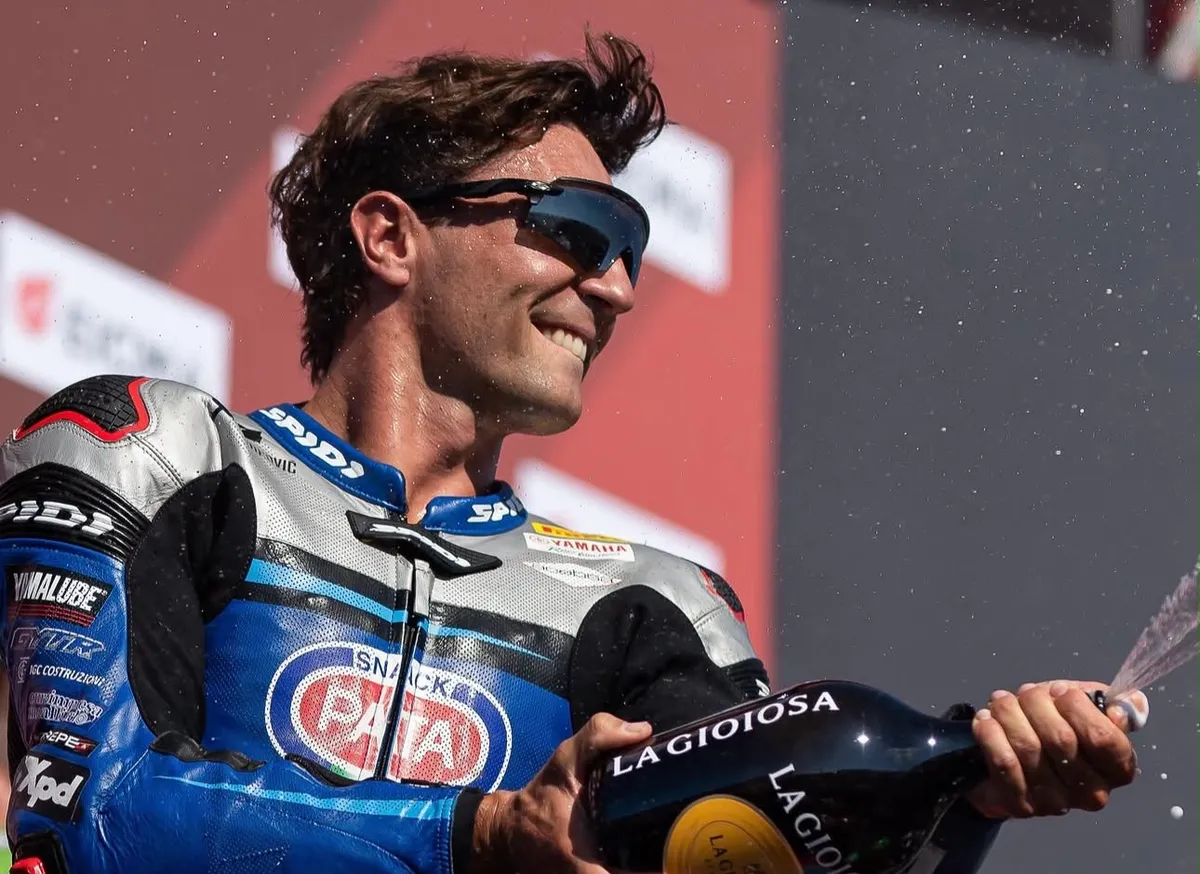
Albert Arenas sukses raih gelar juara dunia Supersport 2026 di Estoril. Simak laporan lengkap jalannya balapan menegangkan dan analisis poin di sini.
Simak laporan lengkap kemenangan dramatis Lucas Auer di Race 1 DTM Hockenheim 2026 yang diwarnai bendera merah dan insiden. Baca analisis mendalam di sini!
 Continue with Google
Discussion (0)
Join the Discussion!
Sign in easily to start commenting, replying, and interacting with other readers.
Latest Comments
No comments yet. Be the first!