







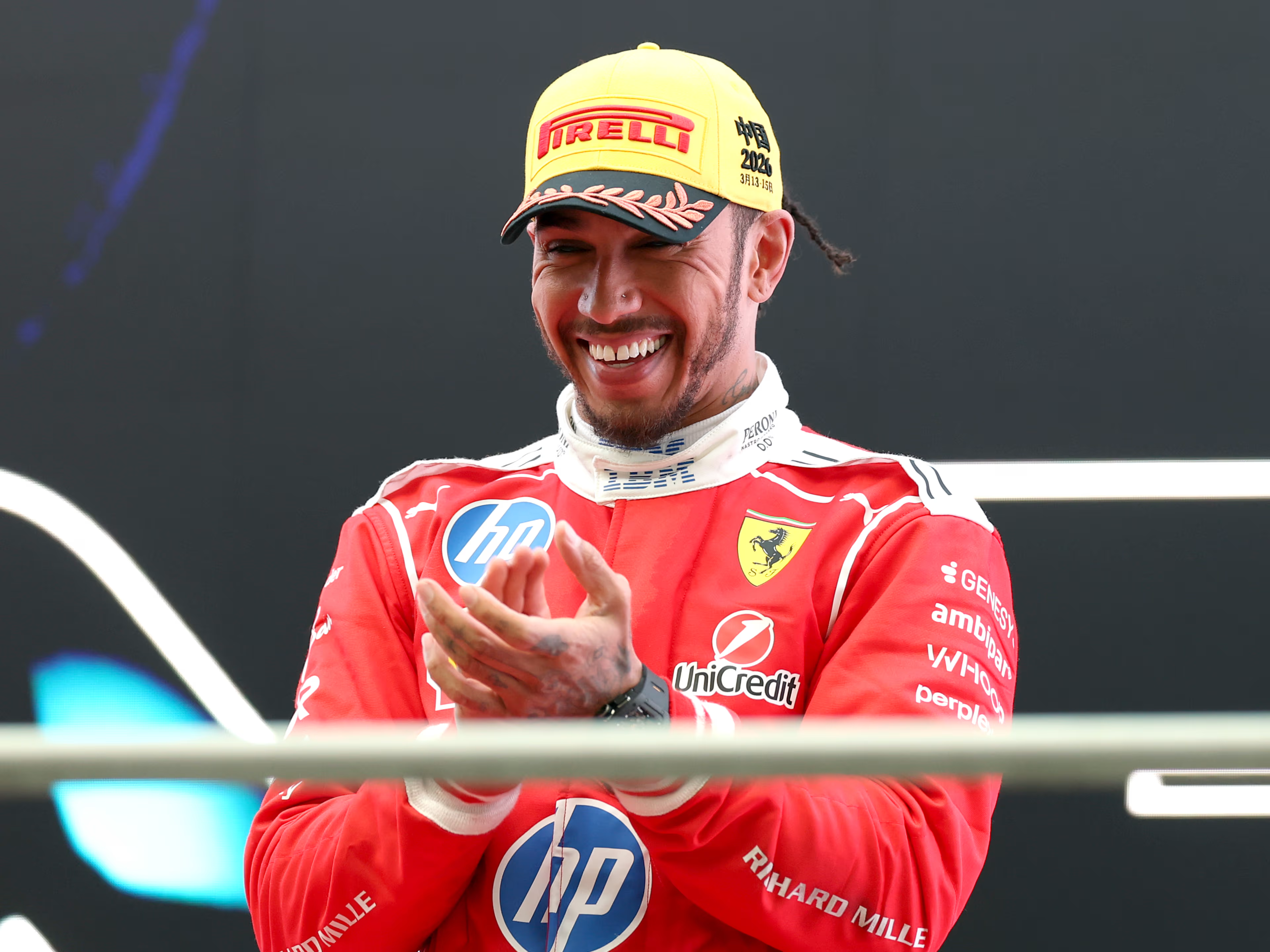

Formula 1, Sportrik Media - The opening phase of the 2026 Formula 1 season has already produced several major storylines across the grid, ranging from the resurgence of Lewis Hamilton with Ferrari to growing criticism surrounding Max Verstappen and the sport’s new technical regulations.
The first two rounds of the championship in Australia and China have revealed a shifting competitive landscape compared with recent seasons. Central to this change is the introduction of Formula 1’s new power unit regulations, featuring a 50–50 split between internal combustion engine output and electrical energy deployment.
One of the most significant developments has been Hamilton’s improved performance with Ferrari. After enduring a difficult debut season with the Maranello-based team in 2025, the seven-time world champion secured his first podium for Ferrari during the Chinese Grand Prix weekend.
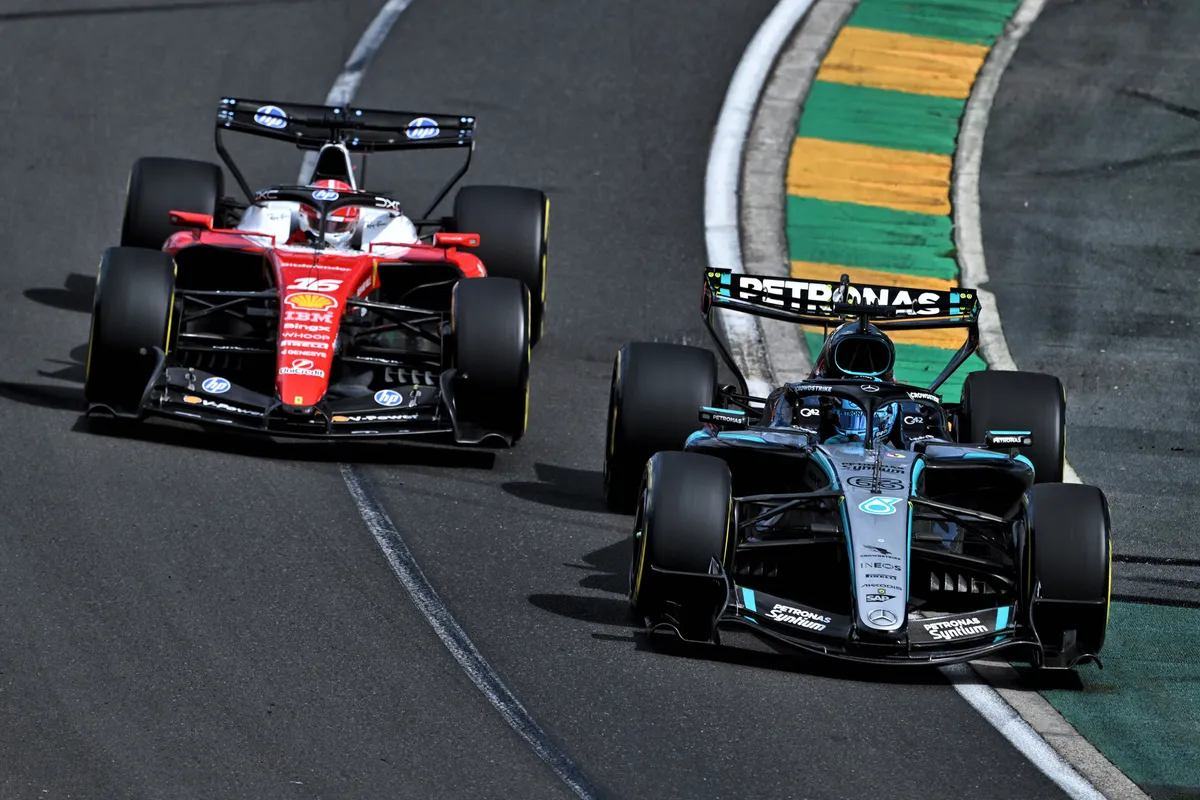
Hamilton finished fourth in the season-opening race in Melbourne before achieving two third-place finishes in Shanghai, claiming podium positions in both the sprint race and the main grand prix. The results suggest that Hamilton’s integration into the Ferrari structure has strengthened considerably compared with his first season with the team.
Several factors appear to have contributed to this improvement. Hamilton has indicated that stronger communication with Ferrari’s engineering group and a deeper understanding of the new-generation car have allowed him to extract more consistent performance.
Meanwhile, a contrasting narrative has emerged at Red Bull Racing, where Verstappen has been one of the most vocal critics of Formula 1’s new regulations. Since pre-season testing, the four-time world champion has repeatedly expressed concerns about the direction of the sport.
Verstappen’s remarks comparing Formula 1 to “Formula E on steroids” and later describing certain race scenarios as resembling “Mario Kart” reflect his frustration with the growing complexity of energy management under the new rules.
However, those comments have prompted responses from other figures within the paddock. Former Haas team principal Guenther Steiner recently suggested that Verstappen’s dissatisfaction may be influenced by Red Bull’s relative performance challenges at the start of the season.
According to Steiner, the Milton Keynes-based team is undergoing a significant technical transition after producing its own power unit for the first time under the Red Bull Ford Powertrains project.
The early race results appear to support that view. Verstappen finished sixth in Australia and ninth in the Shanghai sprint race before retiring from the Chinese Grand Prix due to a failure in the Energy Recovery System (ERS).
These outcomes suggest that Red Bull is still working to optimise the balance and reliability of its RB22 package under the new regulations.
At the same time, the early races have also highlighted the emergence of younger drivers in the championship. Rookie Isack Hadjar delivered a notable recovery drive in Shanghai after spinning on the opening lap while battling Oliver Bearman.
Despite dropping to the back of the field, Hadjar managed to recover to eighth place, securing valuable points and demonstrating strong race management in challenging circumstances.
Another driver attracting attention is Kimi Antonelli, the young Italian competing for Mercedes. His early performances have generated considerable excitement, particularly in Italy.
Mercedes team principal Toto Wolff has already expressed concern that excessive hype surrounding Antonelli could place unnecessary pressure on the rookie during the early phase of his Formula 1 career.
Within Ferrari itself, the dynamic between Hamilton and team-mate Charles Leclerc has also provided one of the most compelling on-track battles of the season so far.
The two Ferrari drivers fought closely during the Chinese Grand Prix, producing one of the highlights of the race. Leclerc later acknowledged that the duel was entertaining from a racing perspective, although it may have been less comfortable for Ferrari’s engineers monitoring the situation from the pit wall.
Overall, the opening rounds of the 2026 season indicate that Formula 1 is entering a complex transition period. The new power unit era is reshaping not only the technical landscape but also the competitive balance between teams.
With a long championship calendar still ahead, ongoing development of the new technology and the teams’ ability to adapt to the hybrid systems will likely play a decisive role in shaping the outcome of the 2026 Formula 1 season.
Read Also
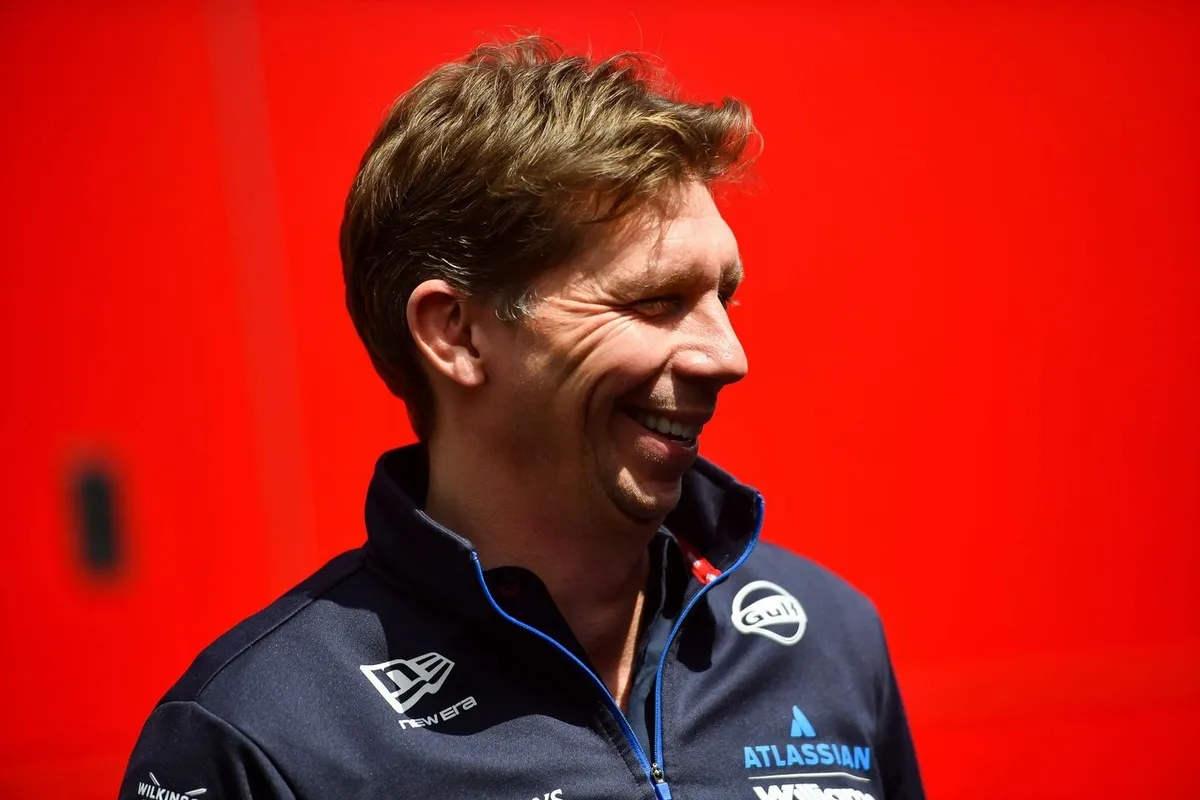
James Vowles praises Madrid's inaugural F1 event but highlights overtaking issues and Williams' struggles. Read his full analysis.
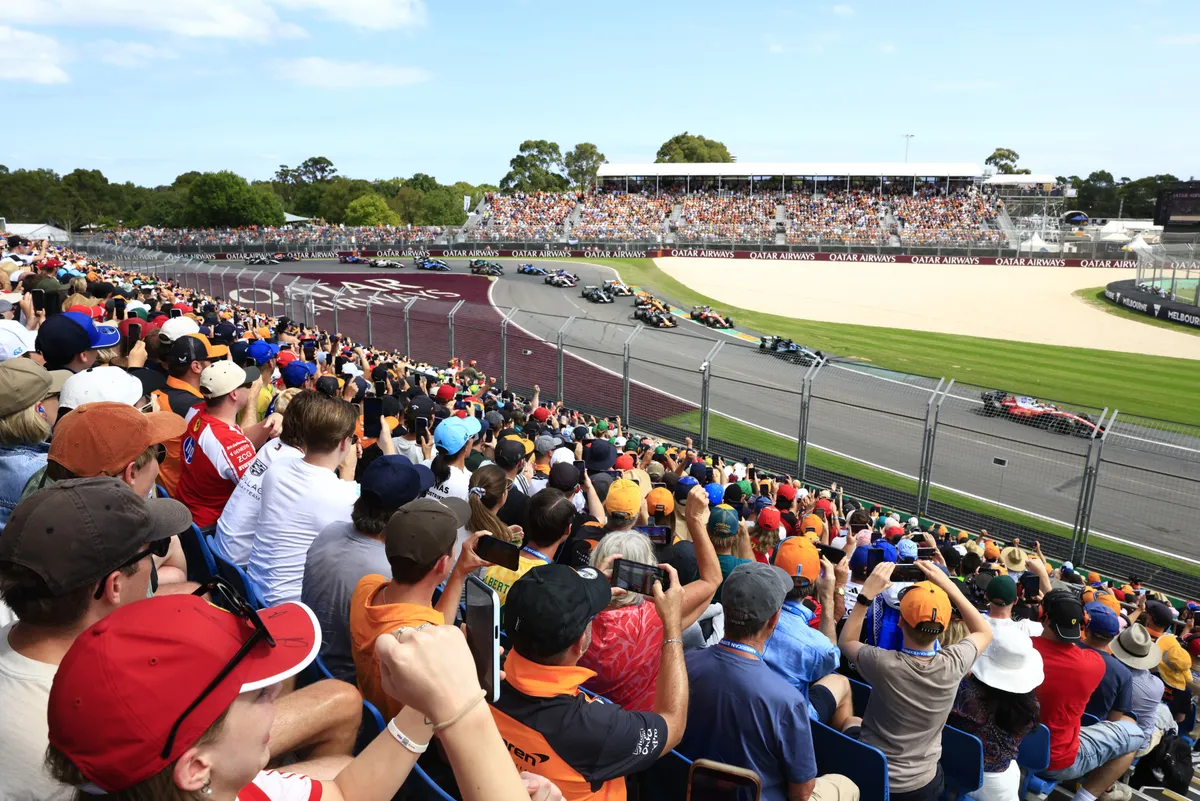
Australian GP CEO Travis Auld defends 2027 F1 ticket price hikes. GA passes rise over 10% to $425. Find out his reasoning and the new membership perks.
George Russell loses points to Antonelli at F1 Spanish GP. Despite potential title defeat, he can take valuable lessons to rebound.
 Continue with Google
Discussion (0)
Join the Discussion!
Sign in easily to start commenting, replying, and interacting with other readers.
Latest Comments
No comments yet. Be the first!