






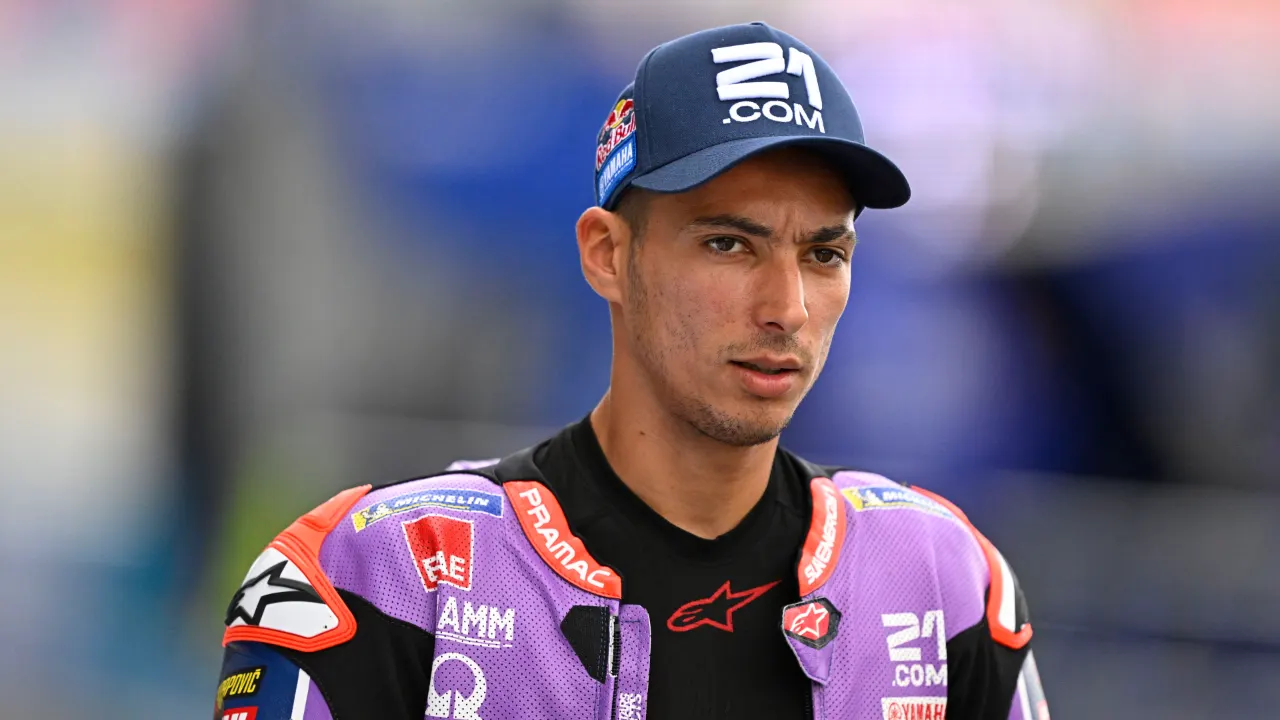

Toprak Razgatlioglu has entered MotoGP at what has been described as one of the most technically challenging periods in recent years, according to Gino Borsoi of Pramac Racing, as the championship undergoes a major regulatory transition.
The Turkish rider must adapt to the Yamaha MotoGP 1000cc V4 machine while also switching from Pirelli tyres used in WorldSBK to Michelin, which feature significantly different characteristics in terms of grip profile, degradation, and operating window. This shift requires a substantial change in riding technique, particularly in braking phases and corner entry behaviour.
The challenge is compounded by the upcoming 2027 regulation overhaul, which will reintroduce Pirelli tyres, reduce engine capacity to 850cc, and ban ride-height devices. These changes will fundamentally alter bike dynamics and technical approaches, meaning the adaptation process currently underway may need to be reset within a short timeframe.
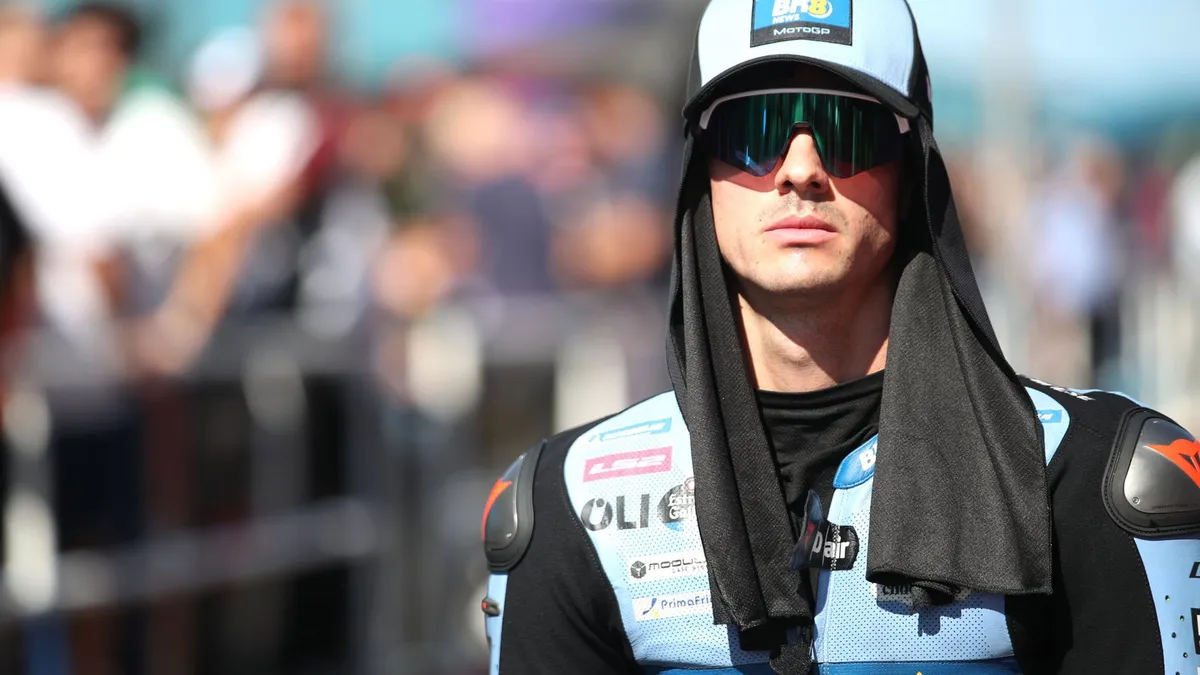
"He chose the most difficult moment to join our paddock," Borsoi said.
"On one side it’s positive because he can learn the MotoGP mentality this year. But on the other, he has to adapt to Michelin, and then next year he will have to forget everything."
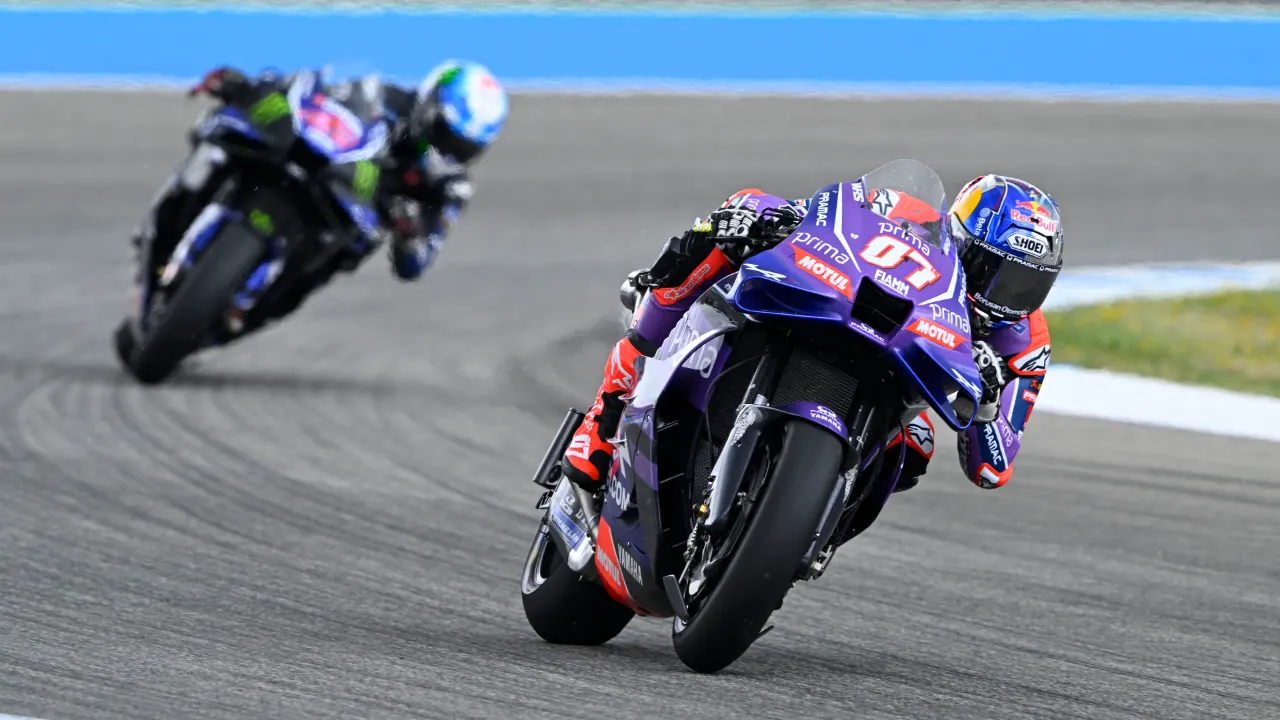
From a performance standpoint, Razgatlioglu remains in a transitional phase. He secured his first MotoGP point at the Circuit of the Americas but experienced a more difficult weekend in Jerez, finishing outside the points after serving a penalty. This reflects ongoing challenges in achieving consistency at the highest level.
Borsoi noted that while progress is evident, it is not yet sufficient to match the established benchmark within the MotoGP paddock. The contrast between WorldSBK and MotoGP riding styles remains a key factor, particularly regarding front-end confidence and maintaining corner speed.
"His improvements are clear, but not yet enough to be in line with our paddock," Borsoi added.
In addition to rider adaptation, the competitiveness of Yamaha’s current package also plays a role. The new V4 machine is considered to be slightly behind rival manufacturers in overall balance and performance, adding further complexity to Razgatlioglu’s learning curve.
However, Borsoi also highlighted a potential advantage in Razgatlioglu’s lack of prior MotoGP experience. His fresh perspective can provide alternative feedback to engineers, complementing the input from experienced team-mates such as Jack Miller, who brings knowledge from multiple manufacturers.
Yamaha’s concession status allows additional testing opportunities, including early work with 850cc machinery and Pirelli tyres. This could offer a strategic benefit in accelerating adaptation ahead of the regulatory shift.
Razgatlioglu’s progression will serve as a key indicator of how effectively Yamaha can navigate the dual challenge of rider integration and technical development. His trajectory over the coming races will be critical as MotoGP approaches a new regulatory era in 2027.
Read Also
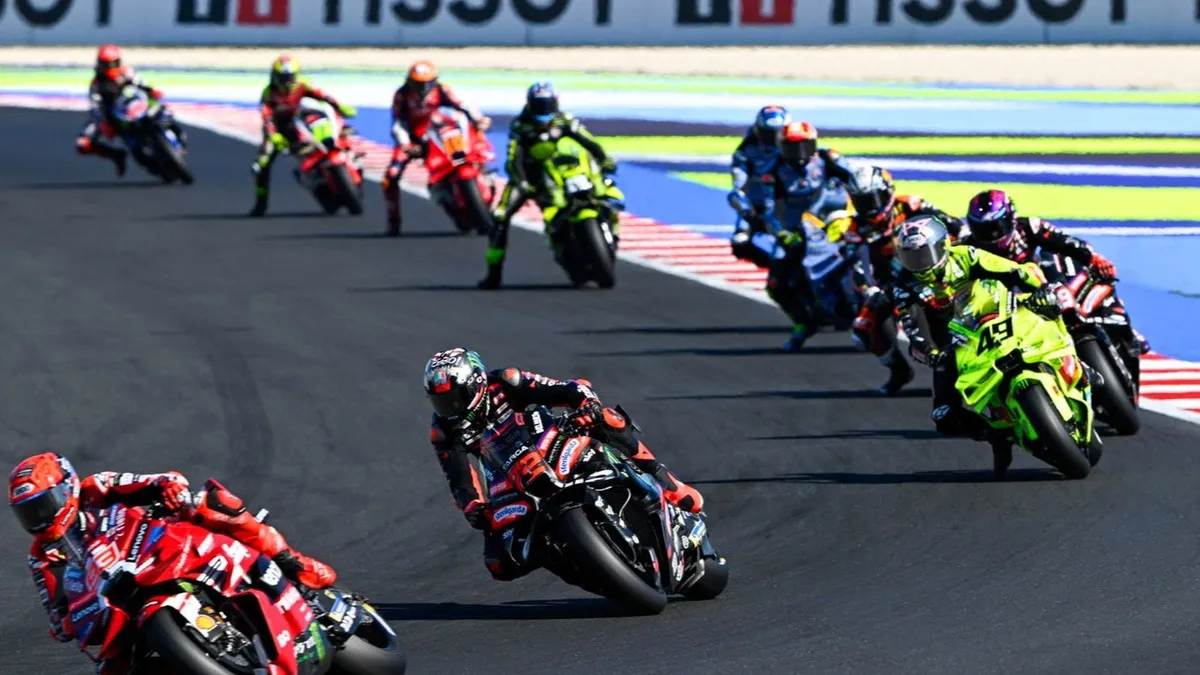
Fabio di Giannantonio praises Marc Marquez, saying he can put Ducati on par with Aprilia at MotoGP Misano. Read the full analysis.
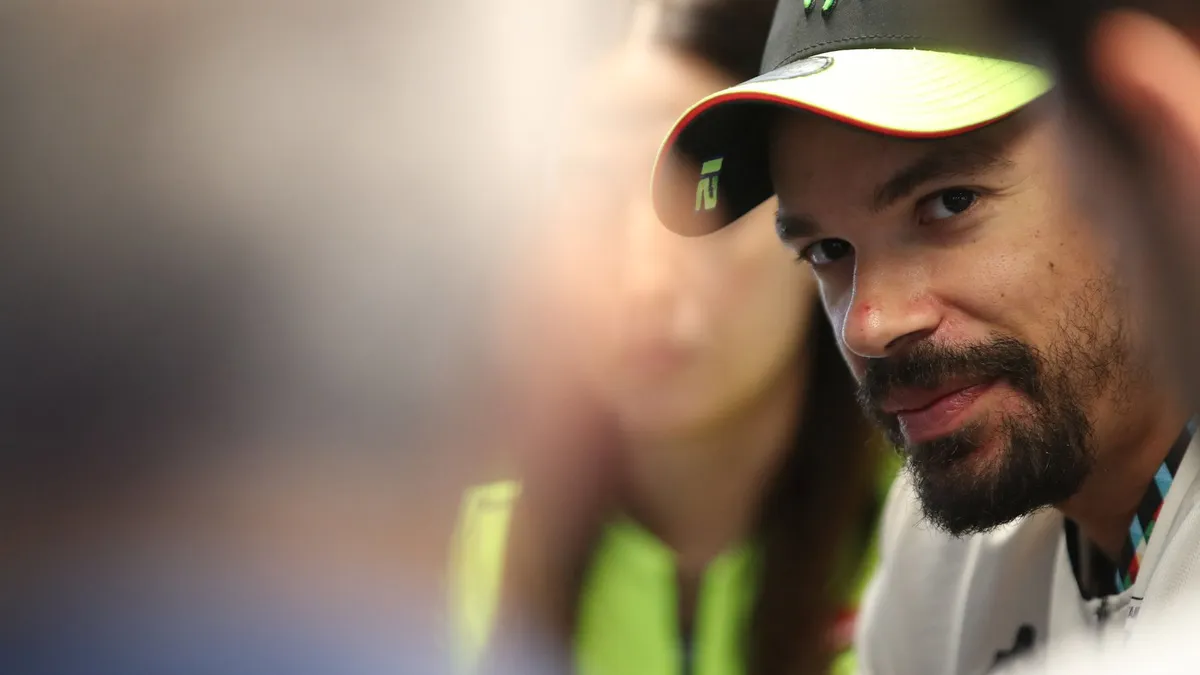
Franco Morbidelli criticizes long lap penalty and urges MotoGP to adopt F1-style warning system for rider safety.
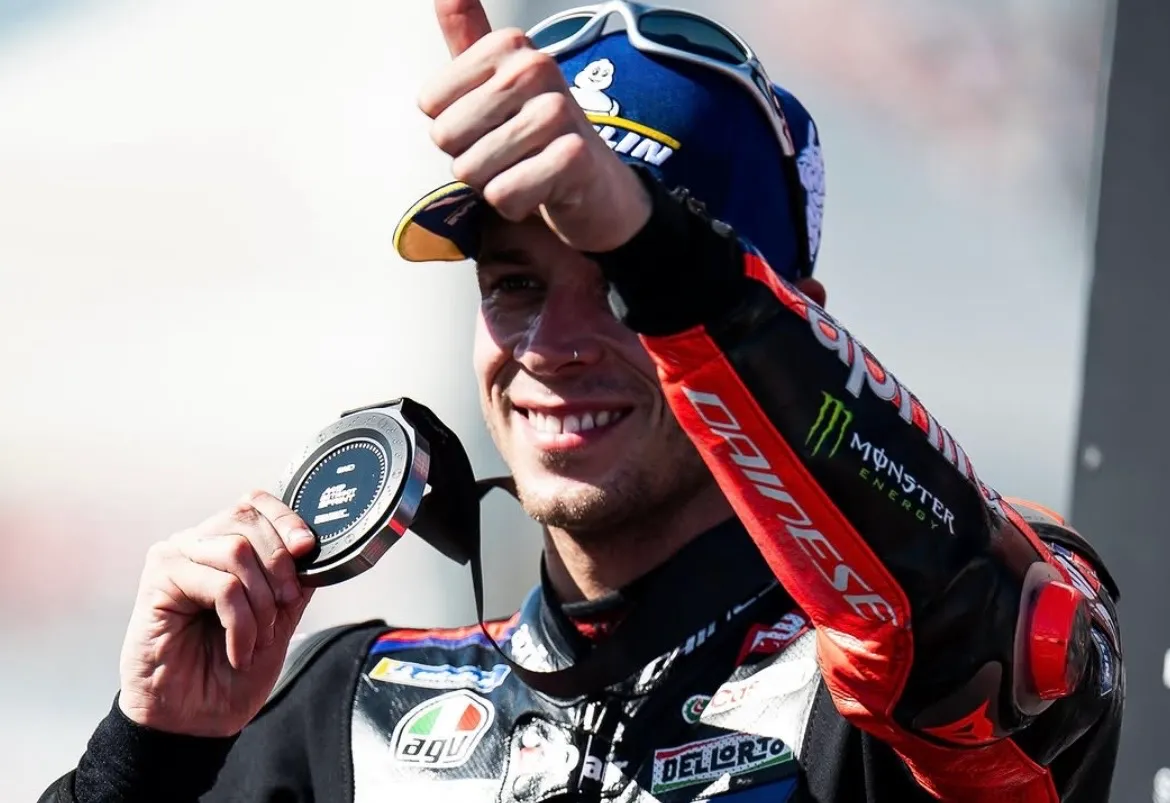
Marco Bezzecchi acknowledges Marc Marquez's Sprint dominance at Misano but vows to fight back in the main race.
 Continue with Google
Discussion (0)
Join the Discussion!
Sign in easily to start commenting, replying, and interacting with other readers.
Latest Comments
No comments yet. Be the first!