






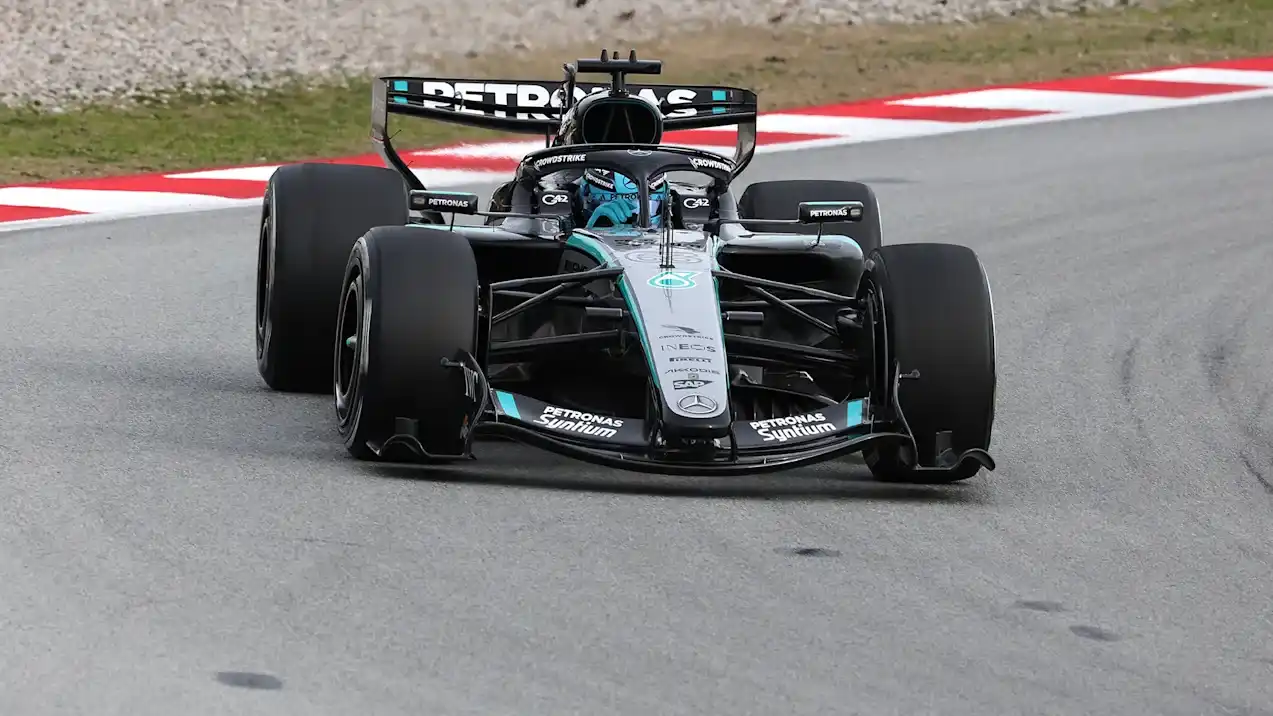

Formula 1, Sportrik Media - George Russell believes the 2026 generation of Formula 1 cars will be significantly kinder on drivers’ bodies, following the effective elimination of porpoising under the incoming regulations.
Throughout the ground-effect era, Formula 1 cars were prone to severe aerodynamic oscillations known as porpoising, caused by airflow under the floor stalling and rapidly reattaching. The phenomenon generated intense vertical bouncing, raising early concerns over driver safety and physical strain.
Those concerns peaked during the 2022 season, with several drivers reporting discomfort, most notably Lewis Hamilton at the Azerbaijan Grand Prix, where his physical condition briefly cast doubt over his participation in the subsequent Canadian round. Although the FIA introduced mid-season regulatory measures to mitigate the issue, porpoising never fully disappeared during the ground-effect cycle.
For the 2026 regulations, the conditions that enabled porpoising have been fundamentally removed. Cars are no longer required to run extremely close to the track surface to generate downforce, with the return of aerodynamic rake — the difference in ride height between the front and rear of the car. This concept underpinned Mercedes’ dominance during the previous rules cycle between 2017 and 2021.
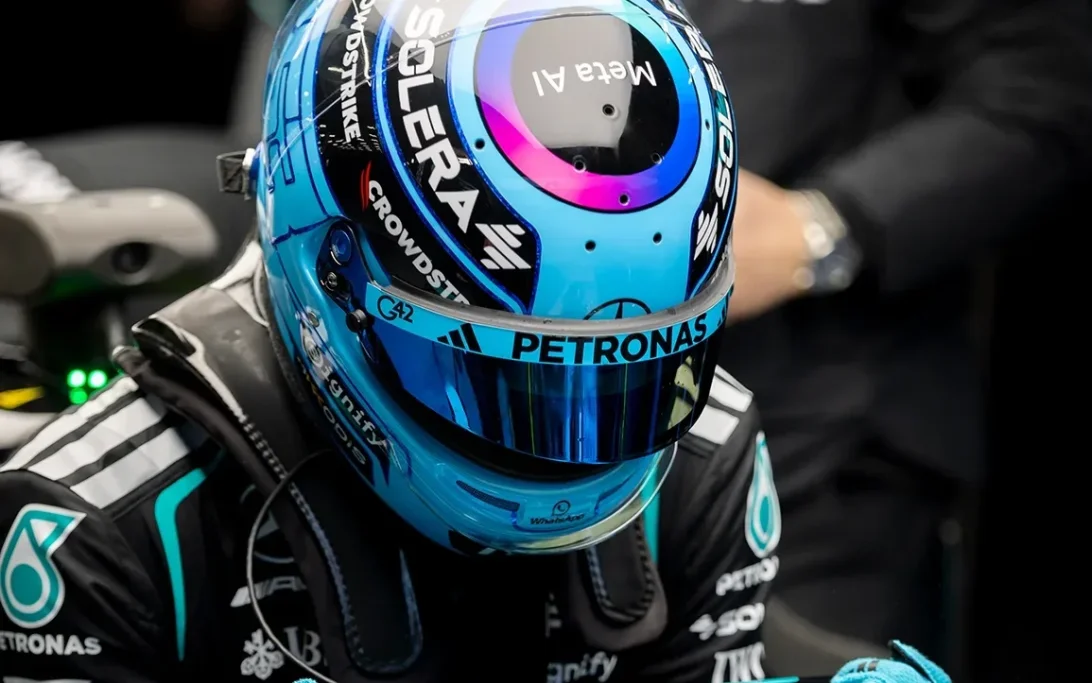
Reflecting on the first week of running with the new-generation machinery, Russell completed a field-leading 265 laps as part of Mercedes’ chart-topping total of 502 laps. He said the benefits of the revised regulations were immediately evident from the cockpit.
“It’s been a positive test; we had lots of mileage on the car, which was the main focus of the test,” said George Russell.
Russell highlighted the improved drivability of the 2026 car, particularly the absence of porpoising.
“The car is feeling nice to drive, there are no major issues, and no porpoising, which is pretty good news for all of us,” he added.
“It will save a few years on the back, so all in all, it was a decent few days.”
Despite the encouraging signs, Russell stressed that assessing outright competitiveness remains premature, given the early stage of development.
“The car has been working well, but it’s not about how well it works; it’s about how quickly it goes around the track, and we don’t really have an indication of that at the moment.”
He expects the competitive picture to evolve rapidly as teams continue development ahead of the next phase of pre-season testing.
“We’re in a reasonably good place, but I’m sure things are going to change a lot between now and the Bahrain test. People will be bringing upgrades, so it’s still very much early days.”
With porpoising effectively addressed and a more conventional aerodynamic philosophy restored, the 2026 Formula 1 cars are set to alter both technical development paths and the physical demands placed on drivers. For Russell and Mercedes, the early focus now shifts from reliability and mileage to unlocking pure performance as the season approaches.
Read Also
Stefano Domenicali ceritakan lelucon Jimmy Fallon di makan malam GP Miami: pizza dikirim ke restoran Michelin, lengkap dengan catatan lucu.
Formula 1 hampir menyentuh 1 miliar fans global. Stefano Domenicali soroti pertumbuhan audiens wanita dan strategi ekspansi di AS.
Alpine mengungkap peran tersembunyi Daniil Kvyat sebagai driver simulator yang membantu kebangkitan tim di F1 2026, termasuk turnaround di Jepang dan Kanada.
 Continue with Google
Discussion (0)
Join the Discussion!
Sign in easily to start commenting, replying, and interacting with other readers.
Latest Comments
No comments yet. Be the first!