








Formula 1, Sportrik Media - George Russell believes circuits with heavier power and energy demands will produce “intriguing” racing in the 2026 Formula 1 season under the sport’s new technical regulations.
The 2026 overhaul has introduced major revisions to both aerodynamics and power units, aimed at promoting closer competition. However, several drivers have expressed concerns during pre-season testing about the ability of the new cars to follow in turbulent air, while energy management has emerged as one of the defining themes of the winter.
Russell argues that reduced aerodynamic load should ease following conditions, while variability in energy deployment between drivers could become the decisive factor in wheel-to-wheel battles.
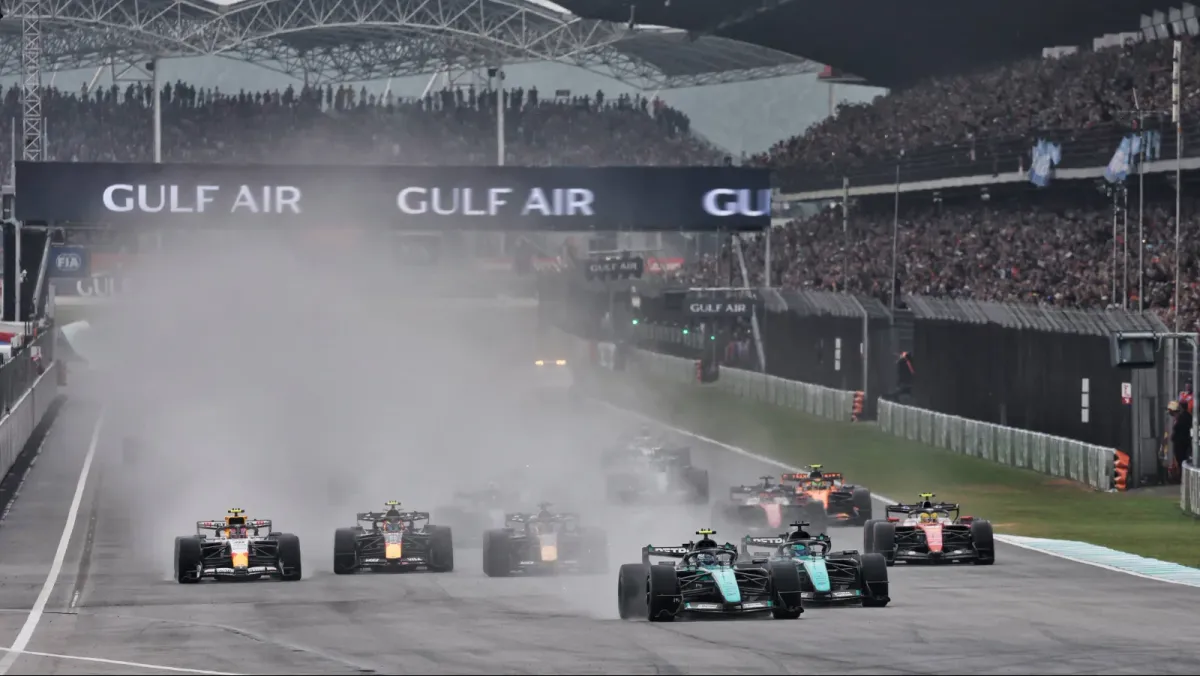
“Well, you definitely can [follow] because there is less aero on the cars, so there’s less disturbance.”
“And then the big difference this year compared to the previous era is the variability in energy deployment between cars and drivers, depending on driving styles.”
“That will probably far outweigh the aero turbulence.”
According to the Mercedes driver, tracks featuring multiple long straights — such as Melbourne and Jeddah — may highlight the new dynamic, where energy harvesting and deployment strategies significantly influence overtaking opportunities.
“I think we will see different racing at places like Melbourne and Jeddah, where there are numerous long straights.”
“I think the racing could be quite intriguing.”
Four-time world champion Max Verstappen has been among the most vocal critics of the new regulations, describing them as “anti-racing” and likening them to “Formula E on steroids.” Other drivers, including Lando Norris, have also suggested that the 2026 cars feel less “pure” to drive compared to the previous generation.
Russell, however, defended the stylistic evolution required under the new rules, noting that every era of Formula 1 machinery demands its own unique approach.
“The guiding principles are still very much the same: you’re trying to push the car to the absolute limit, trying to brake as hard as possible and as late as possible, and carry as much speed through the corners.”
“I think every single era of cars, there is a quirk of driving.”
Reflecting on historical comparisons, Russell referenced onboard footage from Ayrton Senna’s turbo era to illustrate how driving techniques evolve alongside technical regulations.
“I’ve watched Senna’s onboards from the 80s and 90s and he’s driving a very unique style, blipping the throttle at the apex of corners to keep the turbo spinning and balancing the car.”
“That’s also abnormal. Here, we’re maybe doing a bit more lift-and-coast than you would ordinarily expect.”
Russell admitted that the Bahrain and Barcelona tests did not feel particularly problematic from a driving perspective, although he acknowledged that higher energy-demand circuits may present a different challenge once racing begins.
With energy deployment variability, reduced aero load, and revised power unit characteristics shaping the competitive landscape, the 2026 season is poised to introduce a distinct tactical dimension to race strategy and overtaking dynamics.
Read Also
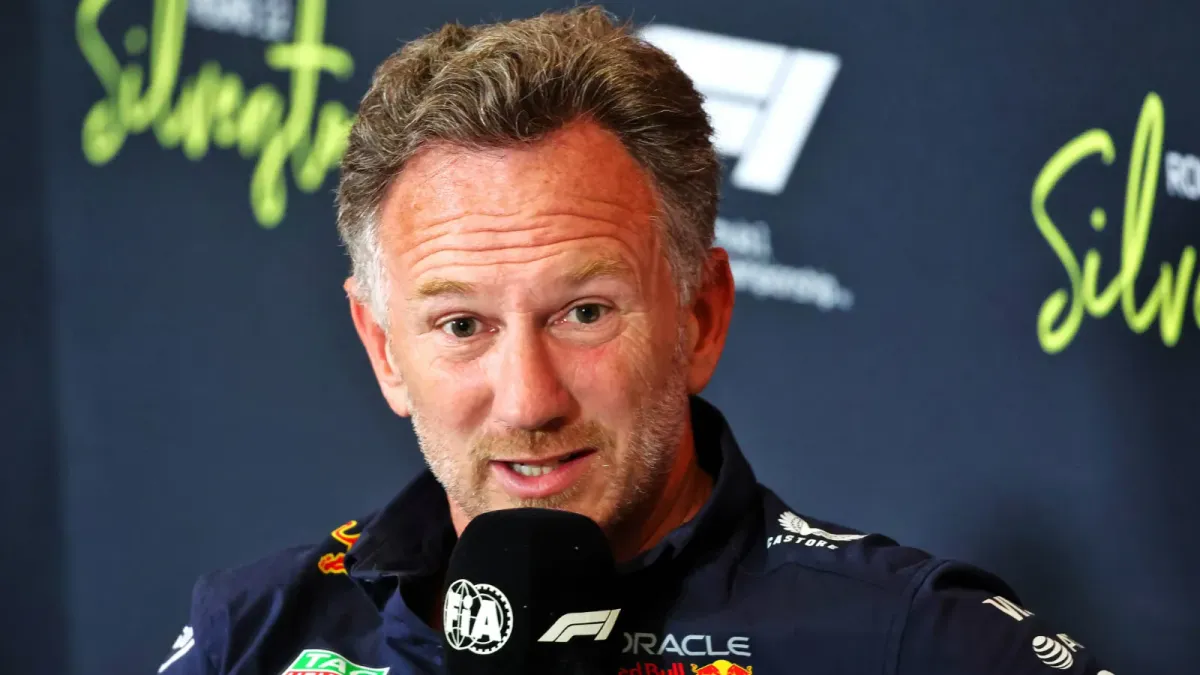
Christian Horner terima pesangon fantastis lebih dari £100 juta dari Red Bull Racing usai pemecatannya tahun lalu. Simak rincian finansial lengkapnya.
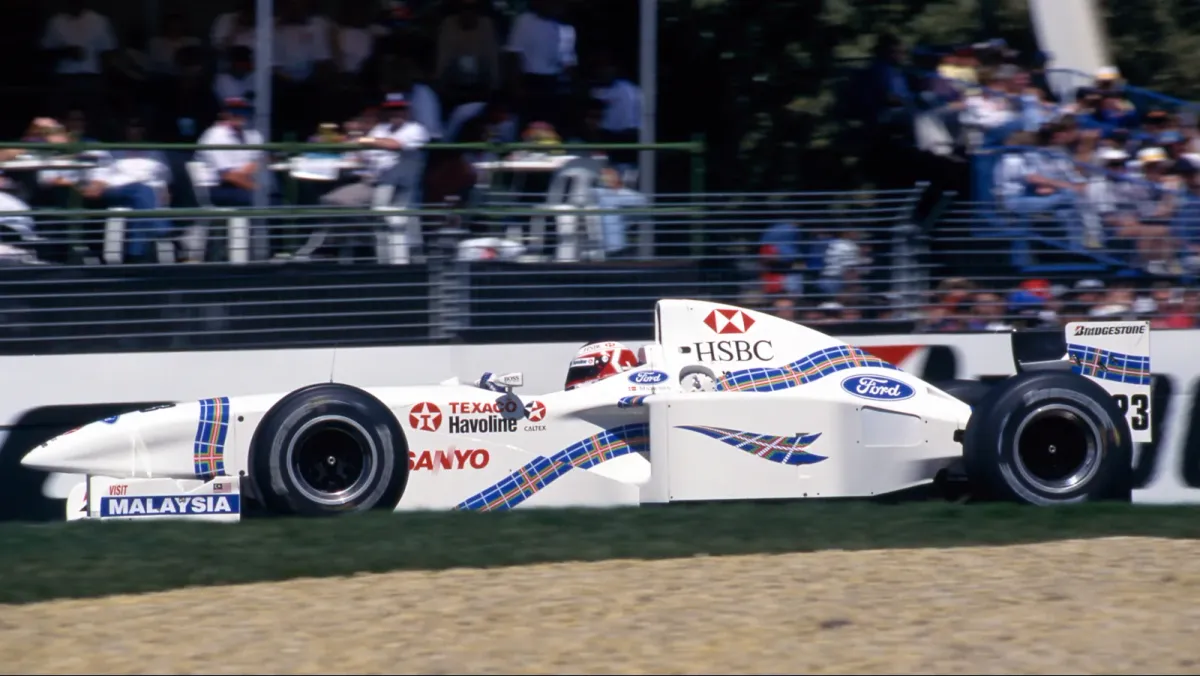
Mengulas kembali sejarah pendirian tim Stewart Grand Prix di Formula 1 oleh legenda balap Sir Jackie Stewart bersama putranya, Paul Stewart.
Kekacauan layanan bus antar-jemput di Sepang International Circuit cederai kembalinya Formula 1, penonton harus antre berjam-jam.
 Continue with Google
Discussion (0)
Join the Discussion!
Sign in easily to start commenting, replying, and interacting with other readers.
Latest Comments
No comments yet. Be the first!