







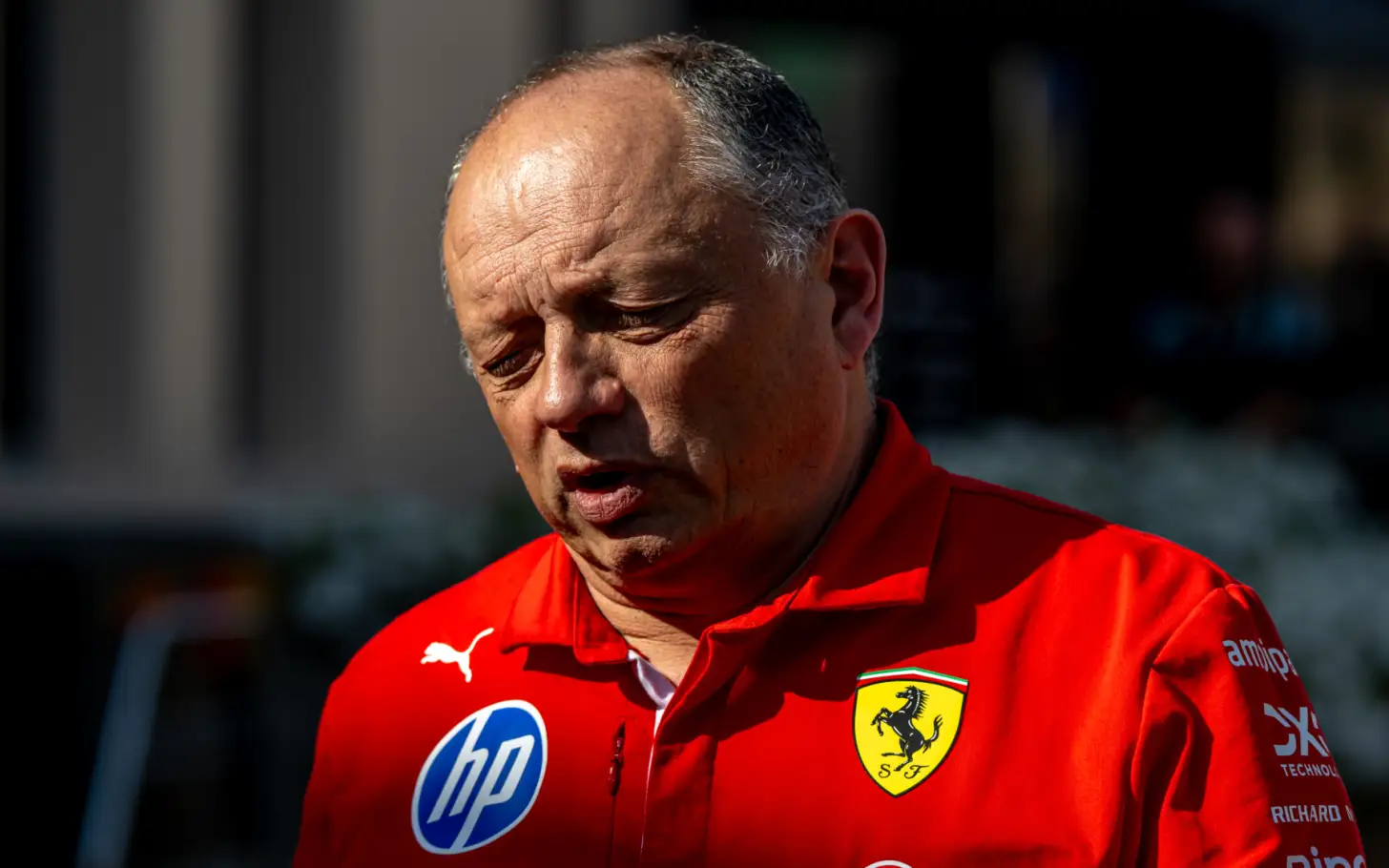

Formula 1, Sportrik Media - Scuderia Ferrari team principal Fred Vasseur has revealed the team informed the FIA a year ago about the potential complications surrounding race starts under the new 2026 power unit regulations.
One of the key talking points during pre-season testing in Bahrain has been the difficulty drivers are experiencing with revised starting procedures. With the removal of the MGU-H component as part of the regulatory overhaul, drivers must now maintain higher engine revs to keep the turbocharger spooled, significantly extending the preparation phase on the grid.
According to Vasseur, the governing body had long been made aware of the potential challenges.
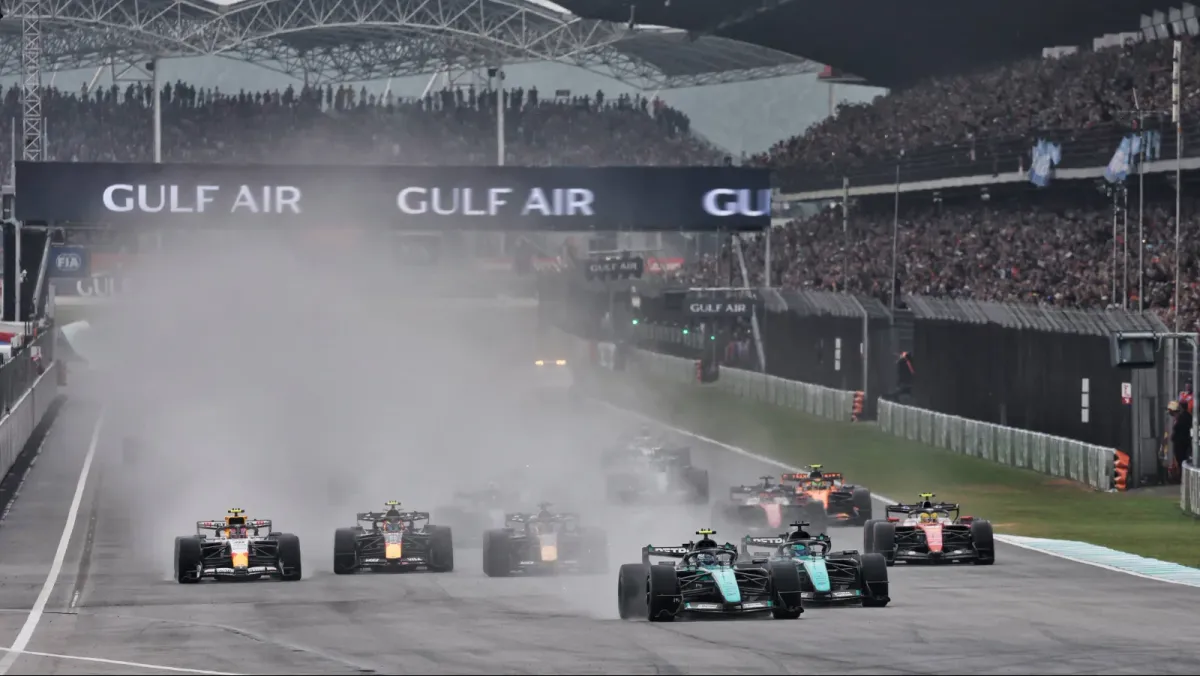
“We raised this issue one year ago with the FIA, about the starting procedure, that it was tricky,” Vasseur said.
“Everybody knew that without the MGU-H it would be a tricky phase of the weekend. The FIA decided not to change the procedure.”
“We all took decisions on the architecture of the engine based on those regulations.”
During last week’s Bahrain test, Formula 1 trialled a revised start sequence, introducing a blue light signal for five seconds once the final car reached its grid slot, before the traditional five red lights sequence commenced. The modification aims to give drivers additional time to stabilise engine and hybrid systems before launch.
Vasseur expressed support for the updated procedure, suggesting it satisfies safety concerns across the paddock.
“I think the new procedure with the flashing lights fits with everybody.”
“Everybody’s happy with this, we all think that it’s safe, and let’s go like this.”
“If someone is not convinced, we can always start from the pit lane if it’s not safe.”
With the 2026 regulations increasing reliance on electrical deployment while removing the MGU-H, managing turbo behaviour and launch consistency has become a central technical challenge ahead of the season-opening Australian Grand Prix.
Read Also
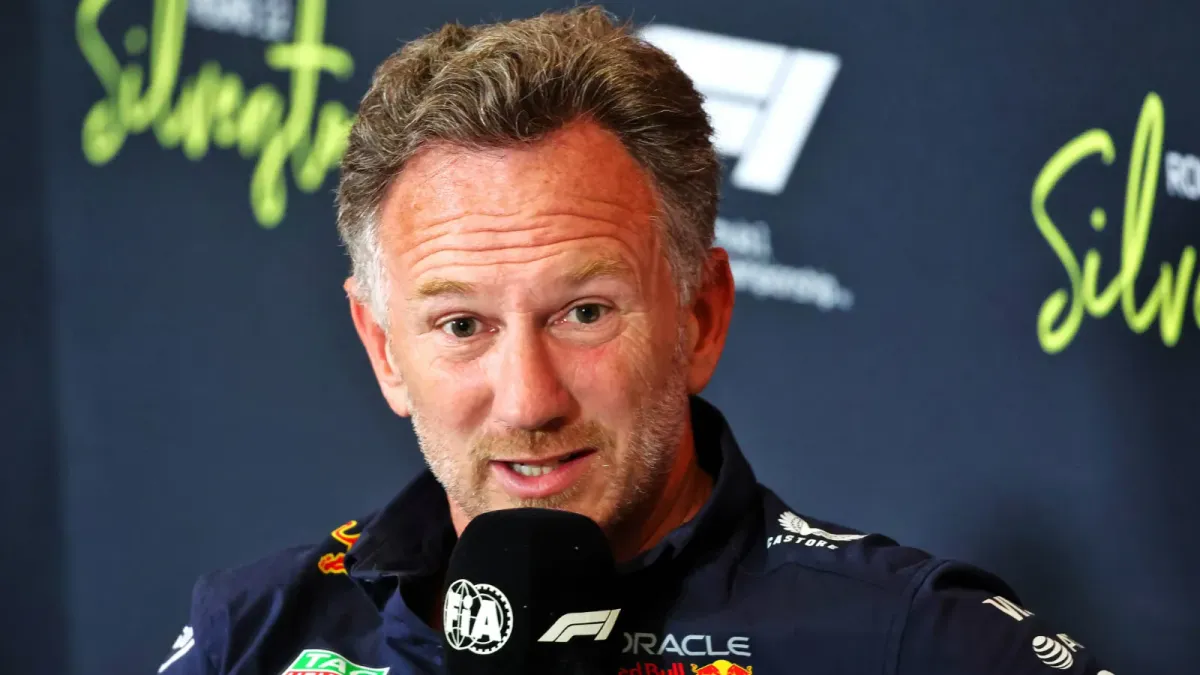
Christian Horner terima pesangon fantastis lebih dari £100 juta dari Red Bull Racing usai pemecatannya tahun lalu. Simak rincian finansial lengkapnya.
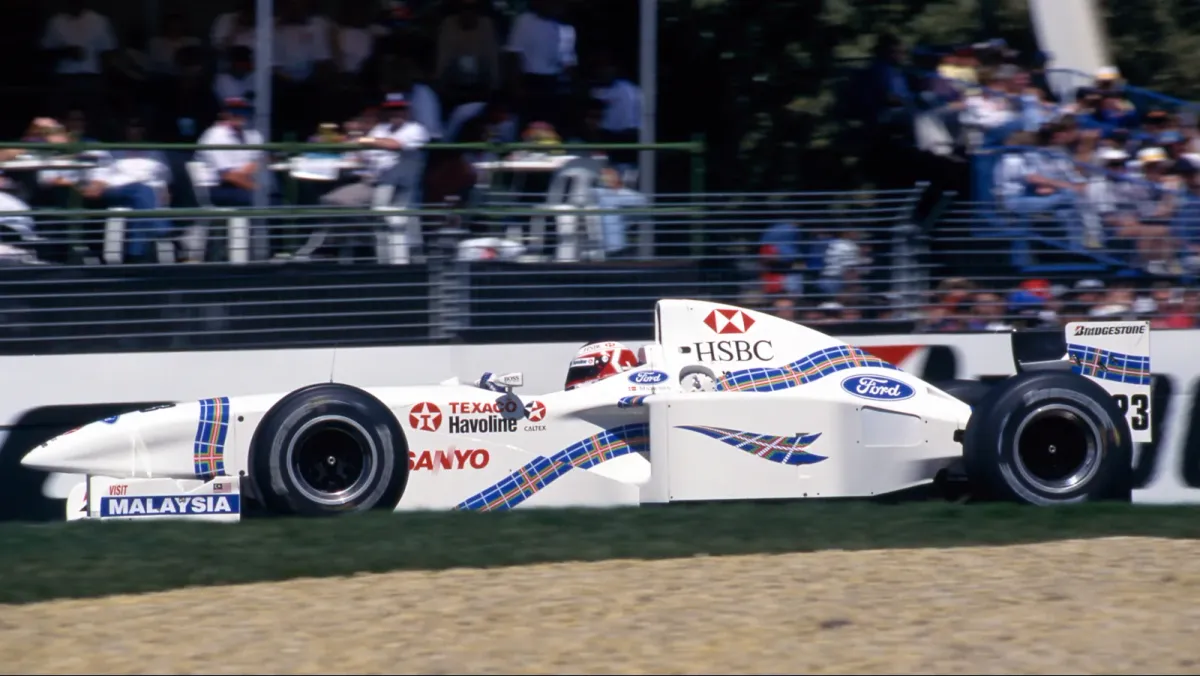
Mengulas kembali sejarah pendirian tim Stewart Grand Prix di Formula 1 oleh legenda balap Sir Jackie Stewart bersama putranya, Paul Stewart.
Kekacauan layanan bus antar-jemput di Sepang International Circuit cederai kembalinya Formula 1, penonton harus antre berjam-jam.
 Continue with Google
Discussion (0)
Join the Discussion!
Sign in easily to start commenting, replying, and interacting with other readers.
Latest Comments
No comments yet. Be the first!