







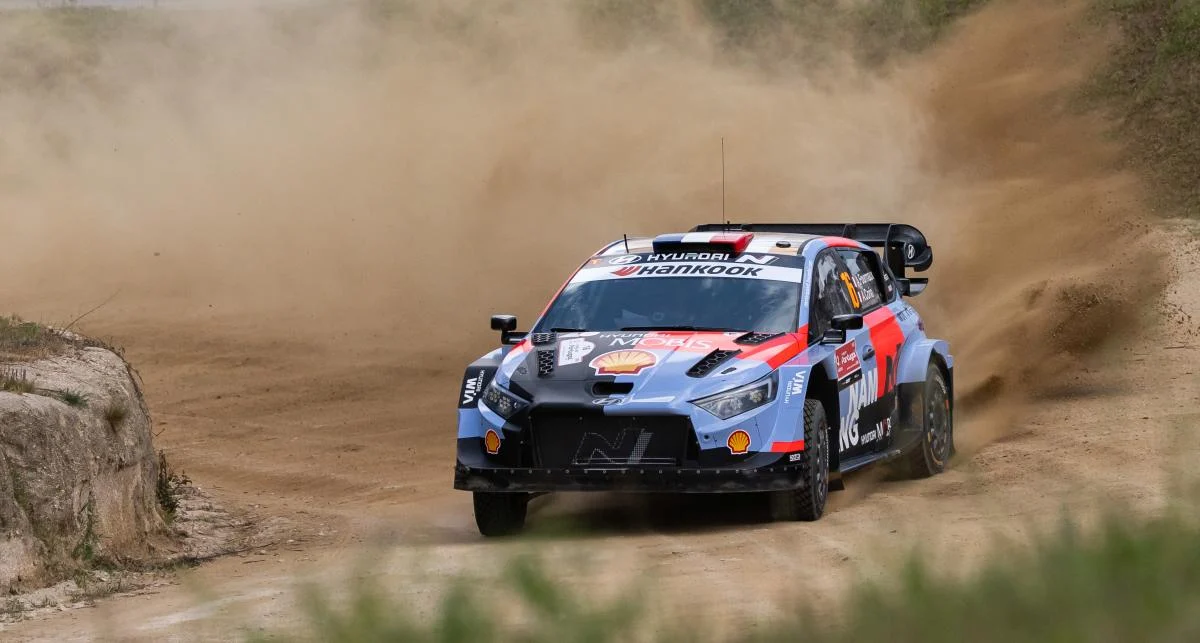

Adrien Fourmaux delivered a significant shock in the opening of Rally Portugal by recording the fastest time on the first Special Stage (SS1). The Hyundai driver managed to edge out championship leader Elfyn Evans by a narrow 0.1-second margin. This result serves as a crucial momentum shift for the South Korean squad, proving the competitiveness of their machinery after a series of technical setbacks during the early stages of the season.
Fourmaux's advantage in the opening stage is attributed to his technical adaptation to the surface conditions. Field reports indicate that the road surface in this sector suffered significant degradation, with an increase in loose gravel (irtosora) emerging. In such conditions, traction management becomes the deciding factor. Fourmaux maintained high vehicle stability through the technical sections, suggesting that the suspension setup and engine mapping utilized were capable of compensating for the low grip levels on the unstable terrain.
The performance of Elfyn Evans, trailing by only 0.1 seconds, warrants specific technical scrutiny. Evans operated as the "road sweeper," a position that is statistically disadvantageous as the driver must contend with loose material that has not yet been cleared. His ability to remain neck-and-neck with Fourmaux indicates that Toyota possesses optimal aerodynamic efficiency and power delivery, effectively minimizing time loss caused by surface friction and debris.
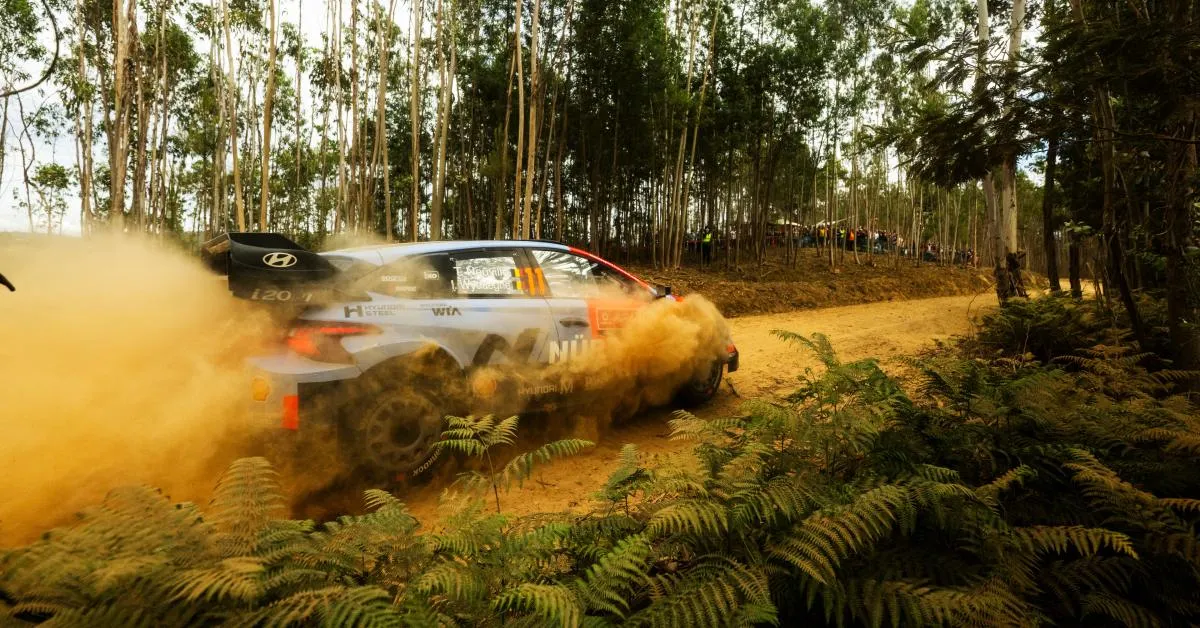
In stark contrast, Sebastien Ogier struggled immensely, finishing 5.0 seconds behind Fourmaux. Ogier specifically highlighted an issue with the car's balance. In technical rally terms, balance issues typically refer to an improper distribution of load between the front and rear axles. This often results in excessive understeer upon entry or uncontrollable oversteer during corner exit acceleration, preventing the driver from pushing the vehicle to its absolute limit.
A sharp performance gap was also evident within the Hyundai camp. Thierry Neuville trailed significantly, finishing 6.3 seconds behind Fourmaux and placing him ninth in the provisional standings. This discrepancy between teammates suggests a variation in specific setup configurations for each car. Neuville's inability to match Fourmaux's rhythm indicates that the initial setup chosen for the Portuguese soil was not fully optimized for Neuville, particularly regarding lateral grip management.
Furthermore, the presence of Oliver Solberg in third place, just 0.2 seconds off the lead, reinforces Toyota's overall consistency in speed. While Ogier faced balance struggles, Solberg's pace proves that the technical foundation of the Toyota GR Yaris Rally1 remains a formidable threat. Similarly, Sami Pajari's fifth-place finish showed competitive pace, although he admitted difficulty in gauging his speed due to an unfamiliar starting position.
Overall, the results of SS1 suggest that chassis balance and the ability to manage deteriorated road surfaces will be the primary technical keys to Rally Portugal. For Hyundai, this is a validation of their raw pace, although inter-driver consistency remains a challenge. For Toyota, the immediate priority is to implement rapid setup corrections for Ogier's car to restore stability before the subsequent stages to avoid losing critical championship points.
| Position | Driver | Car | Time |
|---|---|---|---|
| 1 | Adrien Fourmaux | Hyundai | 11.06,6 |
| 2 | Elfyn Evans | Toyota | +0,1 |
| 3 | Oliver Solberg | Toyota | +0,2 |
| 4 | Dani Sordo | Hyundai | +1,2 |
| 5 | Sami Pajari | Toyota | +2,4 |
| 6 | Takamoto Katsuta | Toyota | +3,6 |
| 7 | Sebastien Ogier | Toyota | +5,0 |
| 8 | Josh McErlean | Ford | +6,1 |
| 9 | Thierry Neuville | Hyundai | +6,3 |
| 10 | Jon Armstrong | Ford | +10,1 |
| 11 | Martins Sesks | Ford | +15,4 |
Read Also
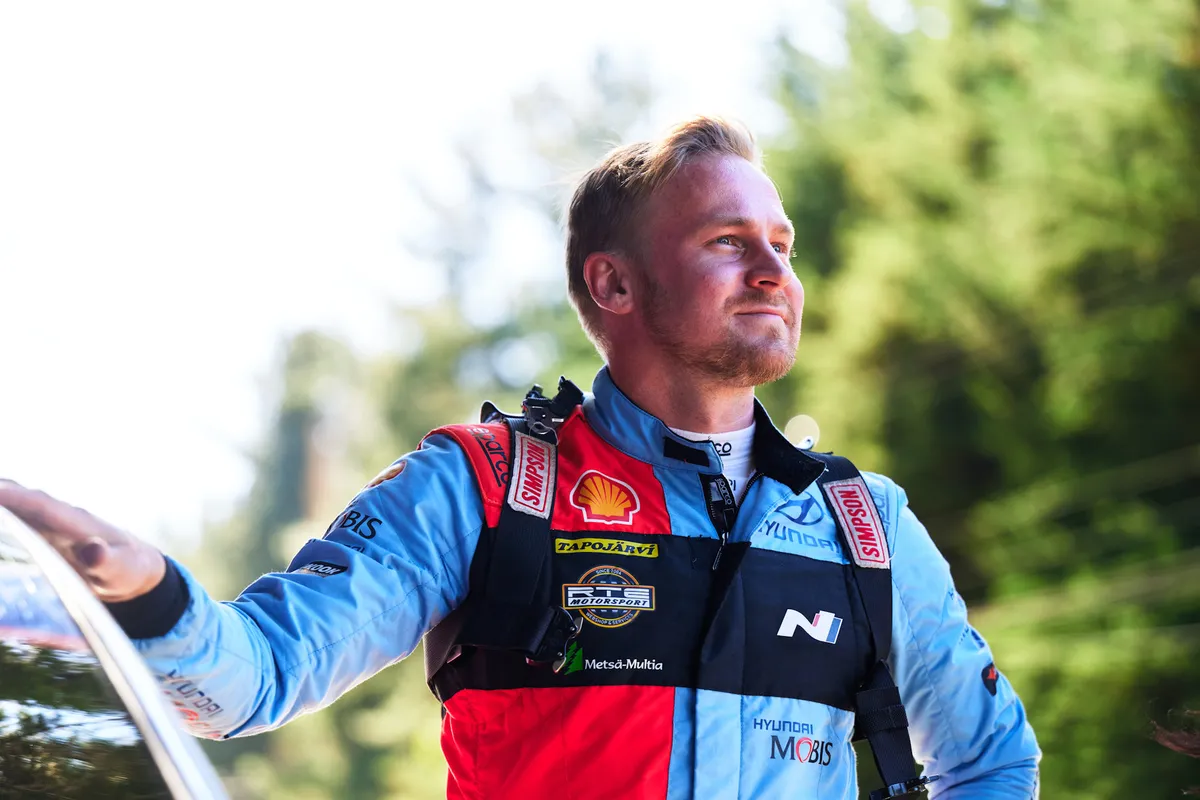
Esapekka Lappi pensiun dari WRC setelah 95 start, dua kemenangan, dan 15 podium. Pembalap Finlandia ini akan fokus pada keluarga setelah balapan terakhir di Porvoo.
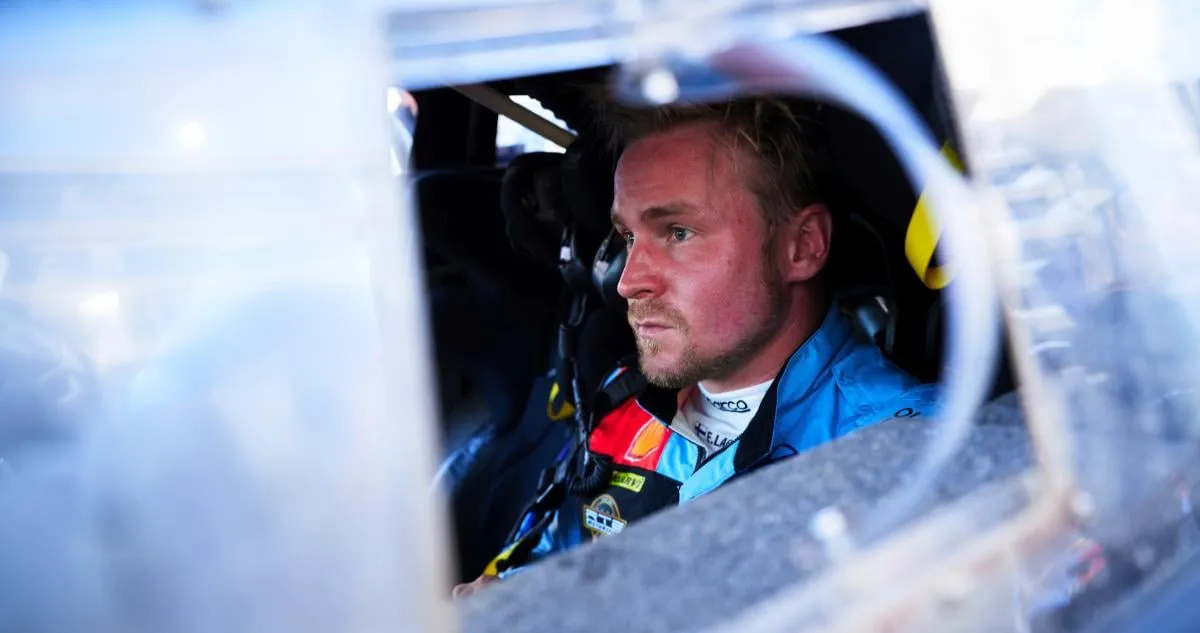
Esapekka Lappi mengungkap alasan pensiun dari WRC, termasuk dampak tragedi Craig Breen dan keinginan fokus ke keluarga. Simak cerita lengkapnya.
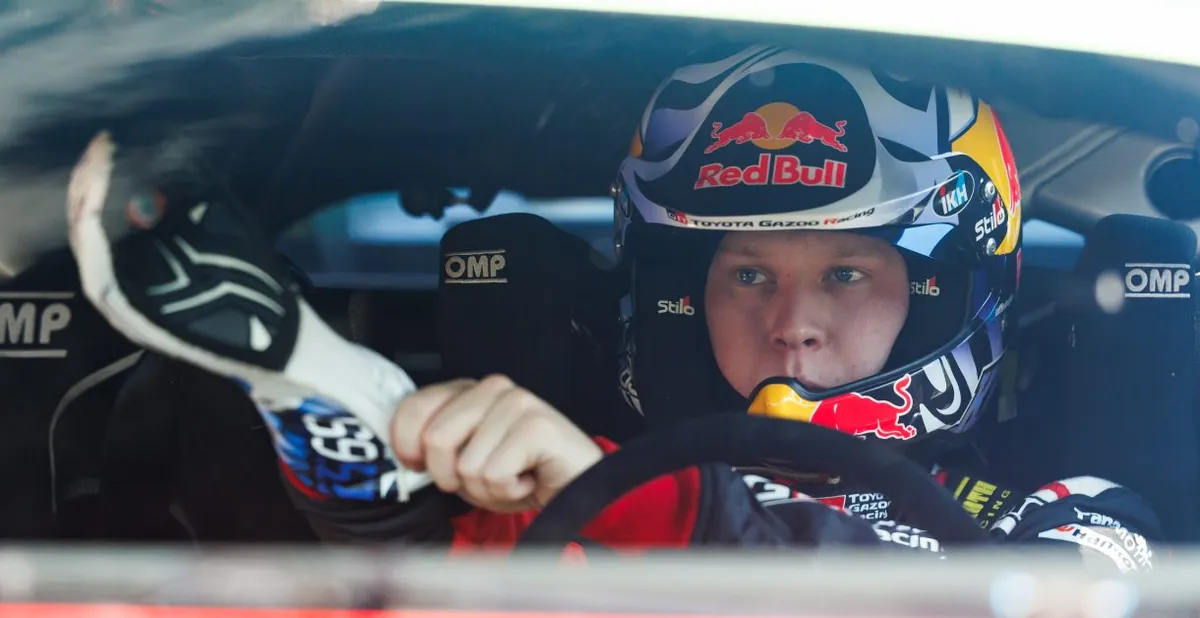
Rovanpera kembali ke mobil Rally1 Toyota di Tennessee, memicu spekulasi comeback WRC. Juara dunia dua kali itu belum memutuskan masa depan.
 Continue with Google
Discussion (0)
Join the Discussion!
Sign in easily to start commenting, replying, and interacting with other readers.
Latest Comments
No comments yet. Be the first!